The 1990s NBA All-Star Games represent the pinnacle of basketball’s "Golden Era," featuring legendary rosters led by Michael Jordan, Magic Johnson, and Charles Barkley. This comprehensive guide details every roster from 1990 to 1998, identifies the MVPs, explores the impact of the 1999 lockout, and analyzes the decade's lasting legacy on the global game.
The Cultural Significance of the 1990s NBA All-Star Game
The 1990s was a transformative decade for the NBA, shifting from a domestically popular league into a global entertainment powerhouse. The All-Star Game served as the annual showcase for this expansion. Unlike the modern era, where "load management" and high-scoring, low-defense exhibitions are common, the 90s All-Star Games were known for their intense competitiveness, particularly in the fourth quarter.
During this period, the Eastern and Western Conference rosters were stacked with "Dream Team" members and Hall of Famers. The decade began with the sunset of the Magic Johnson and Larry Bird era and concluded with the rise of the next generation, including Kobe Bryant, Allen Iverson, and Kevin Garnett. The All-Star Weekend also became a cultural phenomenon, integrating hip-hop culture, massive sneaker launches—most notably the Air Jordan series—and the skyrocketing popularity of the Slam Dunk Contest.
To understand the 90s NBA All-Star legacy is to understand the transition of basketball from a sport to a lifestyle. The players who graced these rosters were not just athletes; they were global icons who redefined the marketing of professional sports.
Year-by-Year Breakdown: 1990–1998 Rosters and Results
The following table summarizes the primary outcomes of each All-Star Game held during the 1990s. Note that the 1999 game was canceled due to a league-wide lockout, making the 1990s a unique decade with only nine mid-season classics.
| Year | Location | Final Score | MVP(s) | Key Storyline |
|---|---|---|---|---|
| 1990 | Miami, FL | East 130, West 113 | Magic Johnson | Magic wins MVP despite the West loss. |
| 1991 | Charlotte, NC | East 116, West 114 | Charles Barkley | Barkley grabs 22 rebounds to lead the East. |
| 1992 | Orlando, FL | West 153, East 113 | Magic Johnson | Magic’s emotional return from retirement. |
| 1993 | Salt Lake City, UT | West 135, East 132 (OT) | Karl Malone & John Stockton | The Jazz duo shares the MVP trophy at home. |
| 1994 | Minneapolis, MN | East 127, West 118 | Scottie Pippen | Pippen shines in the first All-Star game without Jordan. |
| 1995 | Phoenix, AZ | West 139, East 112 | Mitch Richmond | Richmond shoots 10/13 to claim the trophy. |
| 1996 | San Antonio, TX | East 129, West 118 | Michael Jordan | Jordan’s first All-Star appearance post-retirement. |
| 1997 | Cleveland, OH | East 132, West 120 | Glen Rice | Rice sets the record for points in a half (24). |
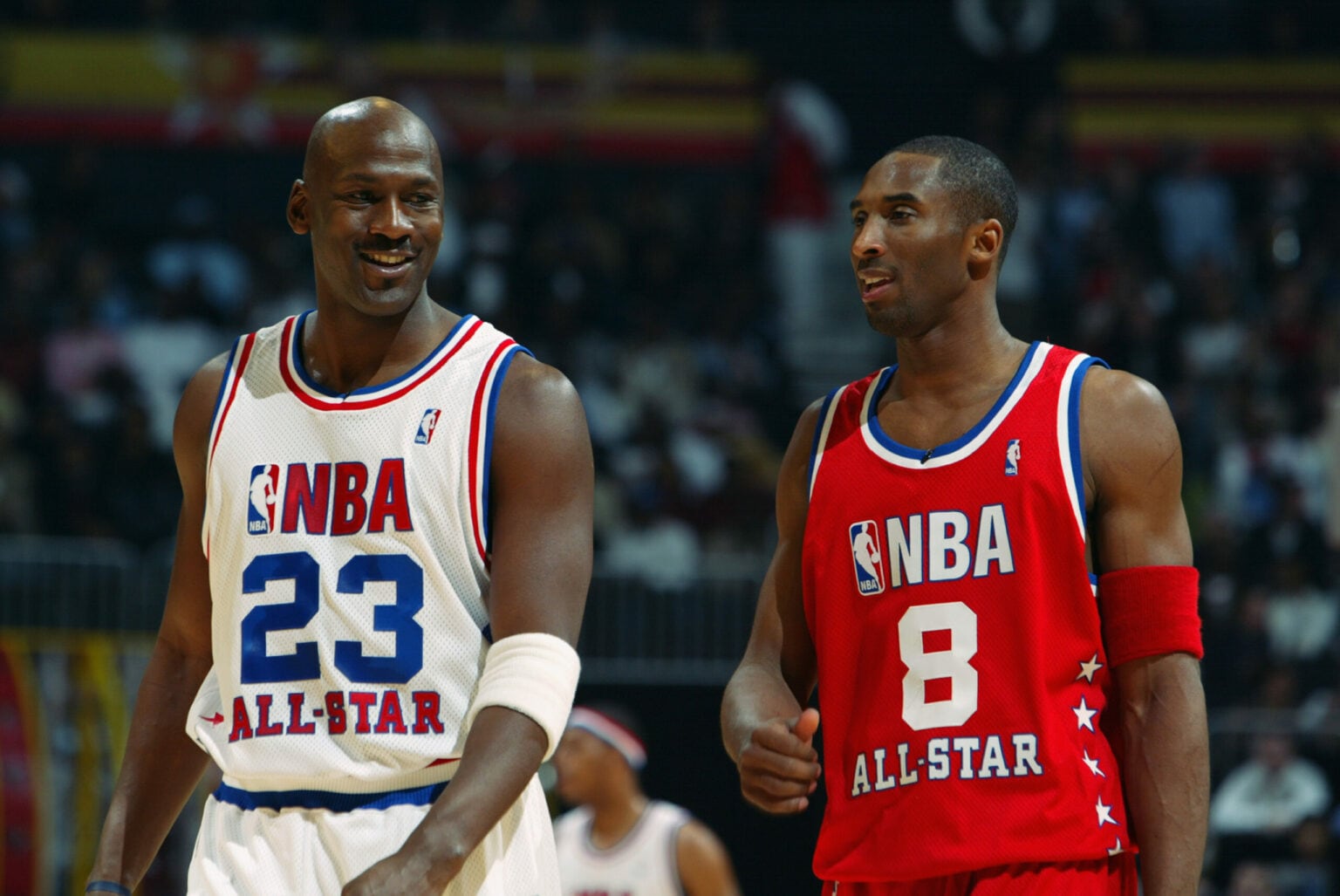
| 1998 | New York, NY | East 135, West 114 | Michael Jordan | The first "clash" between Jordan and Kobe Bryant. |
Iconic Roster Highlights and Key Players
The Early 90s: Dominance of the Old Guard (1990–1992)
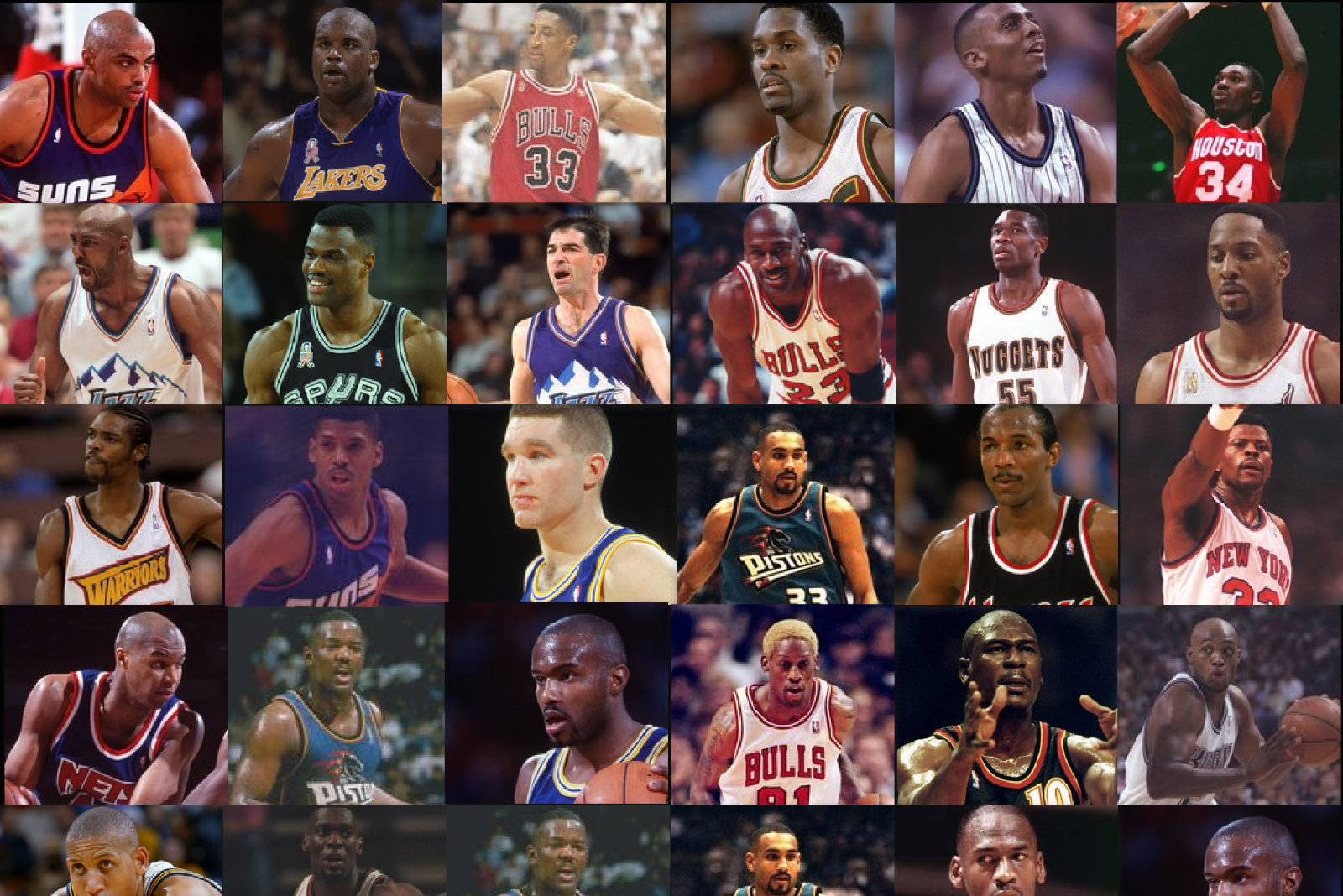
The rosters of the early 90s were characterized by the physical dominance of interior players and the creative genius of veteran guards. In 1990 and 1991, the East relied heavily on Michael Jordan (Chicago Bulls), Patrick Ewing (New York Knicks), and Charles Barkley (Philadelphia 76ers). The West countered with Magic Johnson (L.A. Lakers), David Robinson (San Antonio Spurs), and Karl Malone (Utah Jazz).
The 1992 game is perhaps the most famous in history. Magic Johnson, who had retired before the season began due to an HIV diagnosis, was voted in by fans. His performance—scoring 25 points and engaging in legendary 1-on-1 battles with Isiah Thomas and Michael Jordan—remains a foundational moment for NBA humanitarianism and sportsmanship.
The Mid-90s: Transition and New Faces (1993–1995)
With Michael Jordan's first retirement in late 1993, the mid-90s rosters saw a shift in power. Players like Hakeem Olajuwon (Houston Rockets), Shaquille O'Neal (Orlando Magic), and Shawn Kemp (Seattle SuperSonics) took center stage. The 1994 roster featured Scottie Pippen leading the East, proving he could excel outside of Jordan's shadow. The West rosters during this time were notoriously deep, often featuring the likes of Clyde Drexler and a young Jason Kidd by 1996.
The Late 90s: The Return of the King and the New Guard (1996–1998)
Michael Jordan’s return in 1996 revitalized the Eastern Conference roster, which also saw the emergence of Penny Hardaway and Grant Hill. The 1997 All-Star Game was significant because it served as the backdrop for the unveiling of the "50 Greatest Players in NBA History" list.
By 1998, the rosters underwent a major facelift. An 18-year-old Kobe Bryant became the youngest All-Star starter in history, representing the West alongside Kevin Garnett. This game in Madison Square Garden was a symbolic "passing of the torch" from Jordan (who won MVP) to the young Bryant, who fearlessly challenged the veteran legend throughout the night.
The 1999 Lockout: The Missing Piece of 90s History
It is a common point of confusion for historians that the "complete 90s roster" ends in 1998. The 1998–99 NBA lockout was a result of a labor dispute between the NBA Players Association and the league owners. Because the season did not begin until February 1999, the All-Star Weekend, originally scheduled to be held at the First Union Center in Philadelphia, was officially canceled.
This cancellation deprived several players of what would have likely been their first All-Star appearances, including young stars like Vince Carter and Paul Pierce. While the league resumed for a shortened 50-game season, the absence of an All-Star Game in 1999 means the decade technically only features nine rosters. When the game returned in 2000, the aesthetic and style of the league had moved firmly into the "Post-Jordan" era, making the 1998 rosters the final true representation of 90s basketball.
Evolutionary Impact: How the 90s Created the Modern All-Star Weekend
The 1990s refined the All-Star Weekend into the multi-day festival we recognize in 2026. Prior to this decade, the weekend was primarily about the game itself. In the 90s, several key elements were perfected:
- The Slam Dunk Contest Peak: The 1990s saw iconic dunks, from Cedric Ceballos’ blindfolded dunk in 1992 to Isaiah Rider’s "East Bay Funk Dunk" in 1994. Although the contest was briefly suspended in the late 90s, the foundation for its modern creativity was laid here.
- Global Voting: The NBA began aggressively marketing the All-Star vote internationally, leading to the massive fan participation numbers seen today.
- Apparel and Branding: This was the first decade where "All-Star Edition" sneakers and jerseys became essential consumer products. Brands like Nike, Reebok, and Filas used the All-Star rosters as a primary launchpad for their annual marketing campaigns.
- The Rising Stars Challenge: Originally the "Rookie Game" introduced in 1994, this event allowed the league to showcase its future before they were ready for the main All-Star roster.
Selection Criteria: How 90s All-Stars Were Chosen
During the 1990s, the selection process was more rigid than the contemporary format. The starters for both the Eastern and Western Conferences were determined entirely by fan voting, conducted via paper ballots in arenas and retail locations (and later, the early internet). Fans would select two guards, two forwards, and one center for each team.
The reserves were selected by a vote among the head coaches in each respective conference. Coaches were prohibited from voting for their own players. If a selected player was unable to participate due to injury, the NBA Commissioner (David Stern at the time) would name a replacement. This era was famous for "All-Star snubs" because the center position was mandatory; in a decade of legendary big men, players like Alonzo Mourning or Dikembe Mutombo often competed for very limited spots against Shaq, Ewing, and Olajuwon.
Who has the most All-Star MVP awards from the 1990s?
Michael Jordan and Magic Johnson each won two All-Star MVPs during the decade. Jordan won in 1996 and 1998, while Magic Johnson won in 1990 and 1992. No other player won more than one during this specific ten-year span.
Why was there no All-Star game in 1999?
The 1999 All-Star Game was canceled due to the 1998–99 NBA lockout. The labor dispute shortened the regular season to 50 games and eliminated the mid-season festivities entirely.
Who was the youngest NBA All-Star in the 1990s?
Kobe Bryant holds this record. He was voted as a starter for the Western Conference in the 1998 All-Star Game at just 19 years old, despite not being a full-time starter for the Los Angeles Lakers at the time.
Did the Eastern or Western Conference win more games in the 90s?
The Eastern Conference was more successful during the 90s All-Star Games, winning 5 of the 9 games played (1990, 1991, 1994, 1996, 1997, and 1998). The Western Conference won in 1992, 1993, and 1995.
Which city hosted the All-Star game most often in the 1990s?
No city hosted the game more than once during the 1990s. The NBA intentionally moved the game to different markets each year, including Miami, Charlotte, Orlando, Salt Lake City, Minneapolis, Phoenix, San Antonio, Cleveland, and New York.
Final Recommendation for Historians and Collectors
For those researching the rosters of the 1990s for historical or collection purposes, it is vital to distinguish between "selected" All-Stars and "participating" All-Stars. Injury replacements, such as those frequently named by Commissioner David Stern, often lead to discrepancies in roster lists found in vintage programs versus official NBA record books. When verifying 90s memorabilia, always cross-reference the official box scores from the NBA’s historical archives to ensure accuracy regarding which players actually took the court.