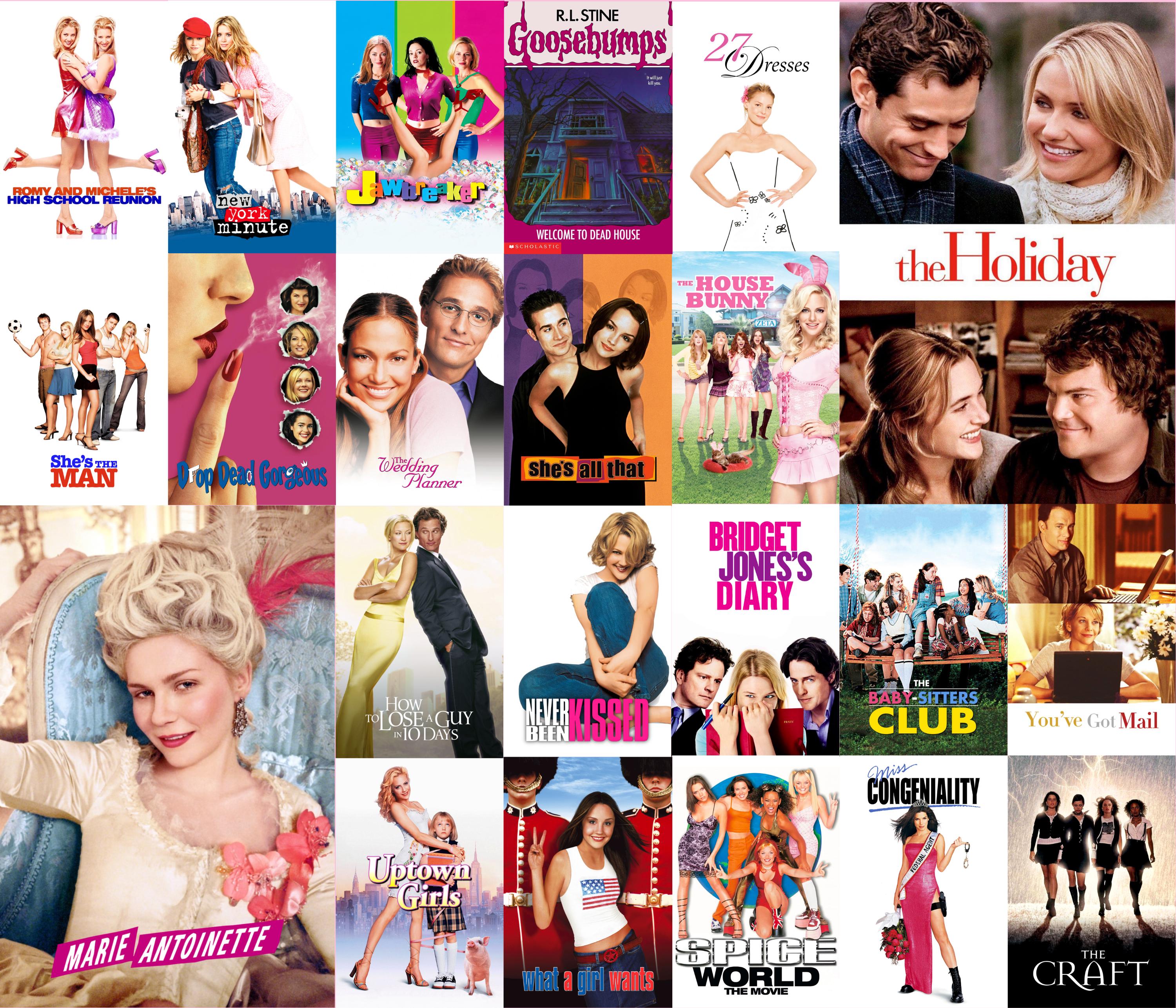
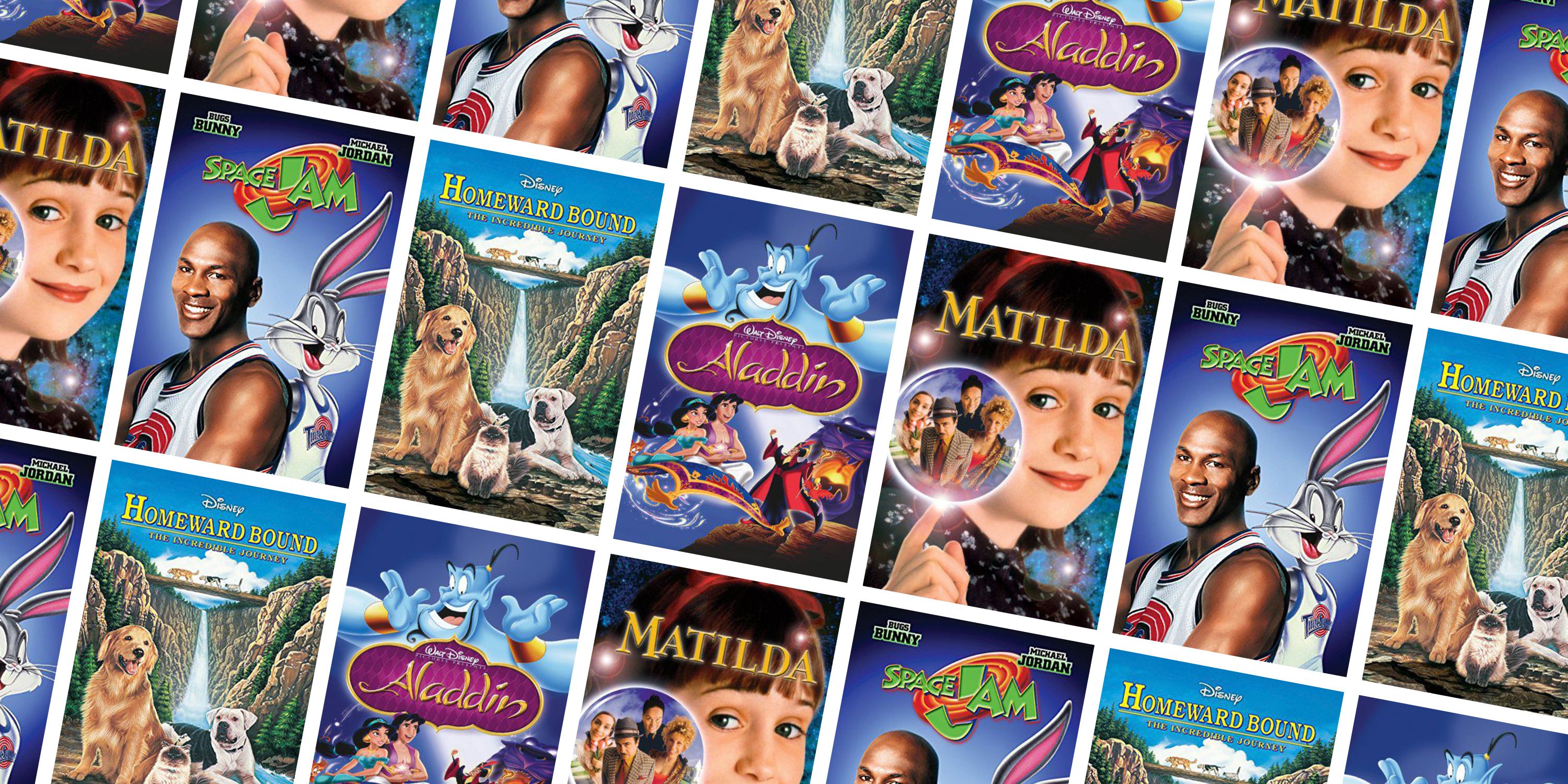
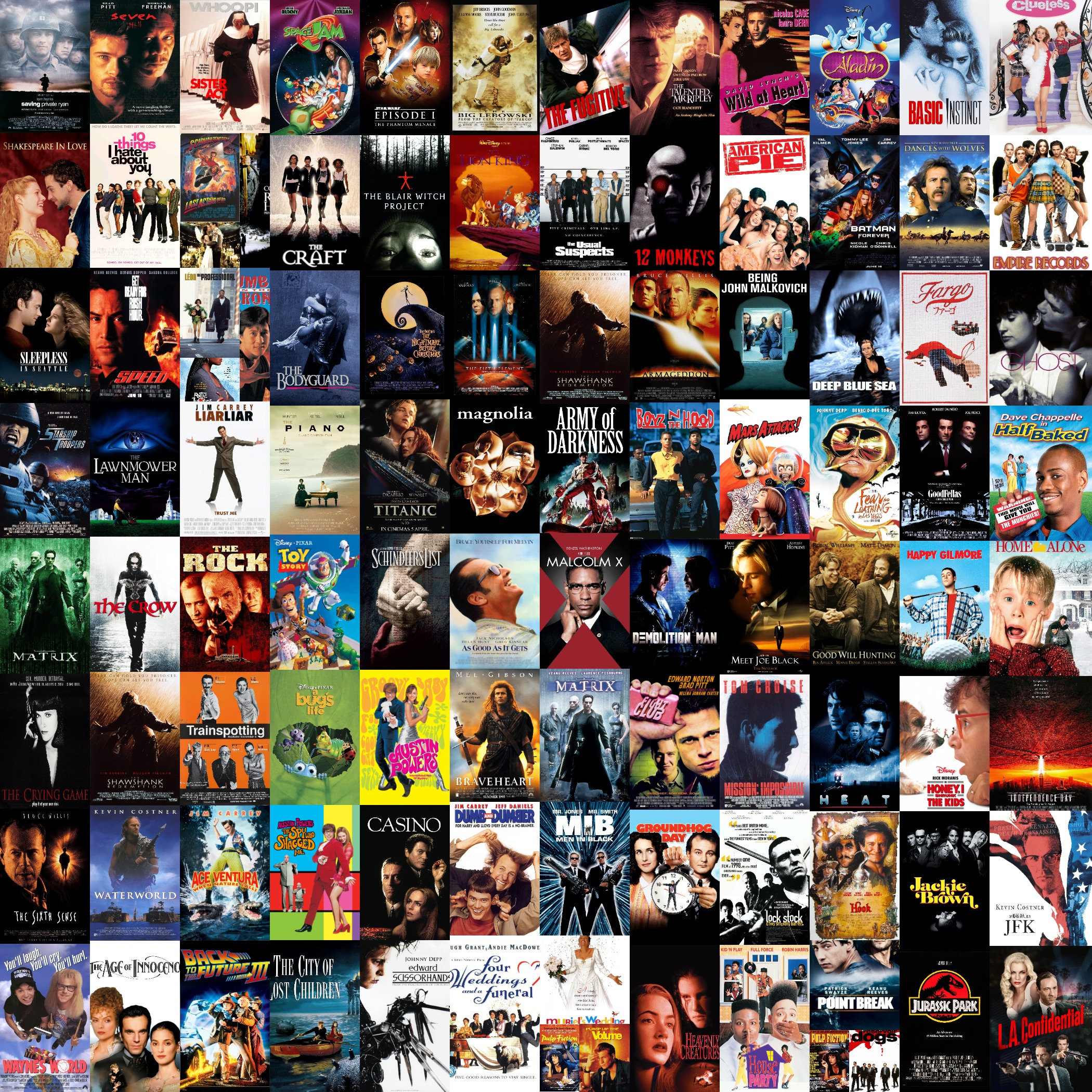
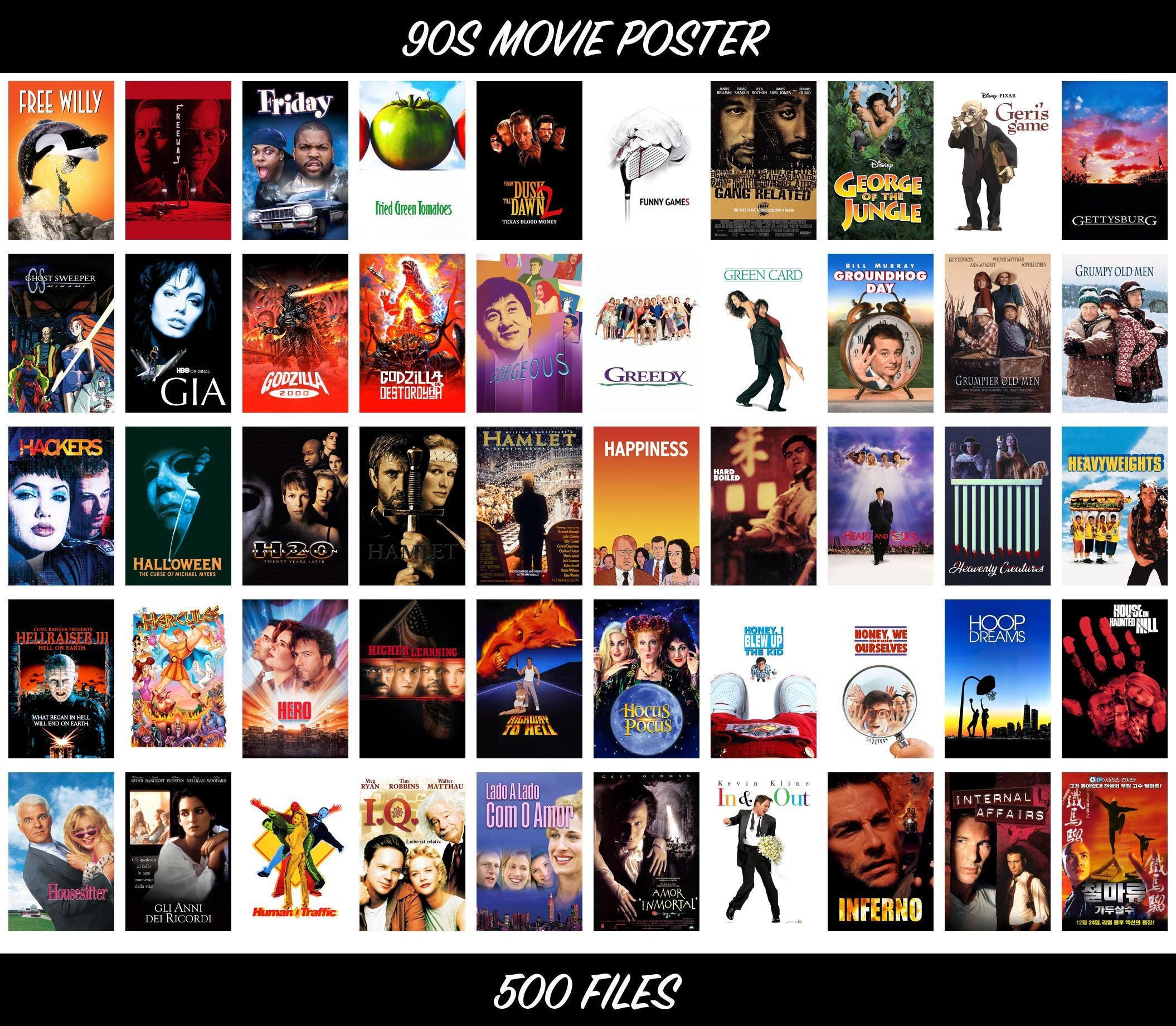
As we look back from 2026, 90s movies represent a unique intersection of analog soul and digital ambition. This decade defined the modern blockbuster, birthed the independent film movement, and revolutionized animation, creating a cultural touchstone that continues to influence contemporary storytelling and visual aesthetics across global cinema markets.
The Cultural Landscape of 1990s Cinema
The 1990s served as a bridge between the high-concept, neon-soaked excess of the 1980s and the hyper-connected, digital-first world of the 21st century. This era was characterized by a shift toward "irony," "grittiness," and a rejection of traditional hero archetypes. Filmmakers began to explore more cynical or realistic viewpoints, reflecting a generation that was skeptical of institutional narratives but excited by technological possibilities.
A major driver of this cultural shift was the accessibility of film. The 1990s was the golden age of the video rental store. Services like Blockbuster Video allowed smaller, "niche" films to find a second life after their theatrical runs. This democratization of viewing habits meant that a movie didn't just have to succeed in its first week; it could build a cult following over months and years. This environment allowed experimental directors to take risks, knowing that there was a hungry audience waiting at the local rental shop.
Furthermore, the 1990s saw the rise of the "Generation X" filmmaker. These were directors who grew up on a diet of classic Hollywood, grindhouse cinema, and international imports. They brought a self-referential style to their work, often blending genres and using non-linear storytelling. The result was a decade of film that felt both deeply familiar and radically new.
The Rise of the Independent Auteur
Perhaps the most significant development of the 1990s was the explosion of independent cinema. Before this decade, "Indie" was often synonymous with "low budget" or "amateur." However, the 1990s proved that independent films could be both critically acclaimed and commercially viable.
The 1994 release of Quentin Tarantino’s Pulp Fiction is often cited as the turning point. By blending dark comedy, extreme violence, and a fragmented timeline, Tarantino proved that mainstream audiences were ready for sophisticated, dialogue-driven narratives. This success opened the floodgates for other directors like Steven Soderbergh, the Coen Brothers, and Richard Linklater.
The Sundance Film Festival became the premiere battleground for these new voices. Distributors like Miramax (led at the time by Harvey and Bob Weinstein) revolutionized the way these films were marketed, treating small-budget dramas with the same promotional intensity as summer blockbusters. This era gave us masterpieces such as:
- Fargo (1996): A unique blend of midwestern "niceness" and grisly crime that solidified the Coen Brothers' place in film history.
- The Usual Suspects (1995): A film that mastered the "twist ending," a trope that would become a staple of 90s thrillers.
- Good Will Hunting (1997): A story that bridged the gap between indie sensibilities and mainstream emotional resonance, launching the careers of Matt Damon and Ben Affleck.
Technological Evolution: From Practical to Digital
Technologically, the 90s were the most transformative decade since the introduction of sound. The industry transitioned from a reliance on practical effects—models, animatronics, and matte paintings—to the limitless potential of Computer-Generated Imagery (CGI).
The shift began in earnest with James Cameron’s Terminator 2: Judgment Day (1991), which introduced the liquid-metal T-1000. This was followed by Steven Spielberg’s Jurassic Park (1993), which famously combined Stan Winston’s animatronics with Industrial Light & Magic’s (ILM) digital dinosaurs. The seamless integration of these technologies convinced the industry that CGI was no longer a gimmick but a primary tool for storytelling.
By the end of the decade, the digital revolution reached its first peak with The Matrix (1999). The film introduced "bullet time"—a visual effect that allowed the camera to move at normal speed while the action was frozen in time. This was achieved through a complex array of still cameras and sophisticated software, setting a new standard for action cinema that persists into 2026. This period also saw the birth of the first fully computer-animated feature film, Toy Story (1995), which ended the dominance of hand-drawn animation and established Pixar as a global powerhouse.
The Disney Renaissance and the Animation Boom
While CGI was rising, traditional hand-drawn animation reached its creative and commercial zenith in the early to mid-90s. This period is known as the "Disney Renaissance." After a slump in the 1980s, Disney returned to its roots by creating musical fairy tales with Broadway-caliber songwriting and sophisticated character arcs.
The success of The Little Mermaid (1989) set the stage, but the 90s saw a string of consecutive hits that remain unparalleled. Beauty and the Beast (1991) became the first animated film ever nominated for the Academy Award for Best Picture. This was followed by Aladdin (1992) and The Lion King (1994), the latter of which became a global phenomenon, shattering box office records and spawning a multi-billion dollar franchise.
As the decade progressed, other studios attempted to replicate this success. DreamWorks Animation was founded in 1994, leading to a competitive environment that pushed the boundaries of what animated films could achieve. While Disney focused on "the magic," studios like DreamWorks began experimenting with more irreverent, adult-skewing humor, a trend that would eventually lead to the massive success of Shrek in the early 2000s.
Genre Defining Moments and Key Comparisons
The 90s excelled at refining specific genres. The "Romantic Comedy" reached its peak with films like Pretty Woman and Notting Hill. The "Teen Movie" was reinvented through Clueless, which updated Jane Austen for the MTV generation. Meanwhile, the "High-Concept Thriller" flourished with entries like Seven and The Silence of the Lambs.
The following table compares several key films of the decade based on their primary contribution to cinema history:
| Film Title | Year | Primary Genre | Key Technical/Cultural Legacy |
|---|---|---|---|
| Terminator 2 | 1991 | Sci-Fi/Action | Pioneered morphing CGI technology. |
| Pulp Fiction | 1994 | Crime/Indie | Validated non-linear storytelling for mainstream audiences. |
| Toy Story | 1995 | Animation | First feature-length computer-animated film. |
| Scream | 1996 | Horror | Introduced self-aware, meta-commentary to the slasher genre. |
| Titanic | 1997 | Romance/Epic | Redefined the scale of the "mega-blockbuster" and VFX integration. |
| The Matrix | 1999 | Sci-Fi | Revolutionized action choreography and "bullet time" effects. |
The Blockbuster and the "Mega-Movie"
The concept of the "Summer Blockbuster," born in the 70s with Jaws, matured into a science in the 90s. The decade saw the rise of the "disaster movie" and the "spectacle film," where the visual effects were often the primary draw. Films like Independence Day (1996) and Armageddon (1998) utilized massive marketing budgets and global release strategies to dominate the cultural conversation.
However, the 90s also proved that a blockbuster could be a serious, historical epic. James Cameron’s Titanic (1997) is the ultimate example. Despite a troubled production and predictions of failure, it became the first film to gross over $1 billion worldwide. It combined a classic romance with cutting-edge digital recreations of the ship's sinking, proving that scale and emotion were not mutually exclusive.
This era also saw the refinement of the "franchise." While the 80s had sequels, the 90s began the trend of planned trilogies and expanded universes. The revitalization of the Star Wars brand with The Phantom Menace (1999), despite mixed critical reception, demonstrated the enduring power of intellectual property and the immense commercial potential of nostalgia—a lesson that Hollywood has followed religiously through the 2020s.
Why do 90s movies feel so different from modern films?
The primary difference lies in the balance between practical effects and CGI. In the 90s, CGI was expensive and difficult to execute, so it was used sparingly and often combined with real-world sets and animatronics. This "hybrid" approach often looks more grounded and "real" to the human eye than modern films that rely entirely on digital environments (Green Screens). Additionally, 90s films often had slower pacing, allowing for more character development before the action sequences began.
What is the "Miramax Effect" in 90s cinema?
The "Miramax Effect" refers to the aggressive marketing and distribution strategy used by Miramax Films to turn small, independent movies into mainstream hits and Oscar contenders. This strategy changed the industry by proving that "art-house" films could be highly profitable if marketed like blockbusters, leading to the creation of "indie" divisions at all major Hollywood studios.
Which 90s movie had the biggest impact on modern action films?
While many films contributed, The Matrix (1999) is widely considered the most influential. It introduced "Gun Fu" (a blend of Hong Kong action cinema and Western gunplay) and revolutionized the use of slow-motion and 360-degree camera movement. Its philosophical themes and visual style have been echoed in countless action and superhero movies over the last 25 years.
How did the 90s change the horror genre?
The 90s initially saw a decline in horror until the release of Scream (1996). Directed by Wes Craven, the film was revolutionary because its characters were aware of horror movie tropes and actively discussed them. This "meta" approach breathed new life into the genre, leading to a wave of self-aware thrillers and eventually paving the way for the "elevated horror" movement seen in the 2010s and 2020s.
What was the significance of the "Slacker" subgenre?
The "Slacker" subgenre, exemplified by films like Slacker (1990) and Clerks (1994), captured the zeitgeist of Generation X. These films often featured minimal plots, focusing instead on philosophical conversations and the mundane lives of young adults who felt disconnected from the corporate "rat race." These movies were instrumental in proving that compelling stories could be told with very little money and a focus on authentic dialogue.
How to Curate a 90s Watchlist Today
If you are looking to explore 90s movies in 2026, the best approach is to categorize your viewing by "movements" rather than just ratings. Start with the Digital Pioneers (Jurassic Park, The Matrix) to understand the evolution of visual language. Then, move to the Indie Revolution (Pulp Fiction, The Big Lebowski) to see how narrative structures were dismantled.
Finally, do not overlook the International Impact. The 90s were a stellar decade for world cinema, with films like Crouching Tiger, Hidden Dragon (produced in 1999, released in 2000) and Life is Beautiful gaining massive Western audiences. To truly appreciate the decade, look for restored 4K versions of these films; the 35mm film stock used in the 90s provides a chemical "warmth" and grain that digital sensors often struggle to replicate, making the high-resolution viewing experience incredibly immersive.