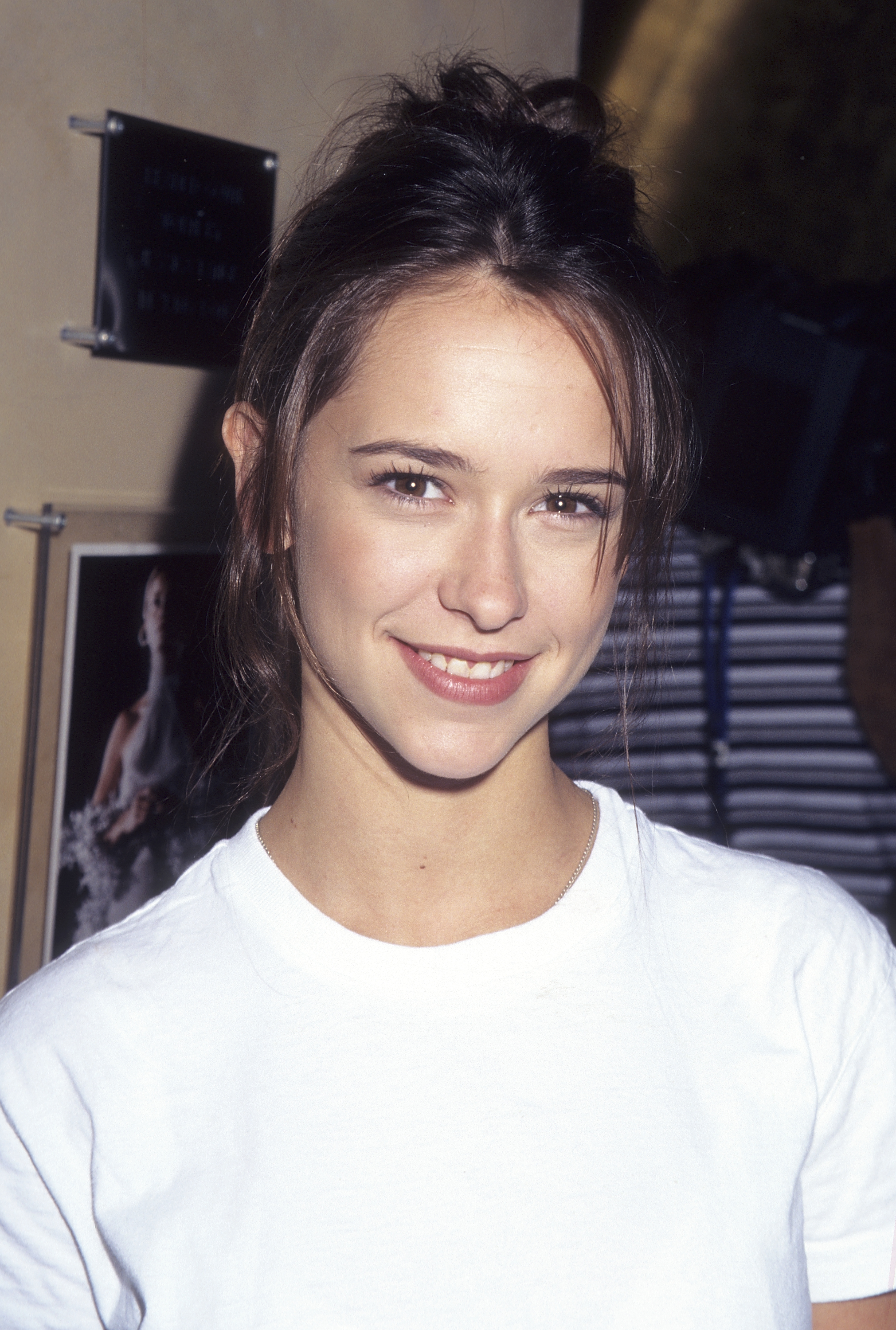
A 90s actress is defined as a performer who rose to prominence or achieved significant professional milestones within the film and television industry during the decade spanning 1990 to 1999. This cohort established archetypes in romantic comedies, psychological thrillers, and burgeoning teen dramas that continue to influence contemporary casting standards and performance styles in the mid-2020s.
Defining the Era of the 90s Actress
The 1990s represented a pivotal shift in Hollywood, characterized by the rise of the independent film movement, the expansion of cable television, and the solidification of the "superstar" marketing model. An actress working in this decade often navigated a transition from traditional studio-system contracts to more decentralized, project-based careers.
For the purposes of this analysis, a 90s actress is identified not merely by her birth year or presence on screen, but by her active participation in the cultural zeitgeist of the era. This period saw the elevation of the "girl next door" archetype, the proliferation of the ensemble-cast sitcom, and the debut of several performers who remain A-list talent in 2026. Understanding the career trajectories of these women provides essential insight into the evolution of gender roles, salary parity discussions, and media representation in modern entertainment.
Archetypes and Genre Specialization
The cinematic landscape of the 1990s was heavily segmented by genre, which allowed performers to solidify their public image through repetitive, high-impact roles. Several distinct categories defined the professional path of actresses during this time.
- The Romantic Comedy Lead: The decade was the zenith of the studio-backed romantic comedy. Actresses in this space were expected to balance vulnerability with professional ambition, often portraying women balancing career pressures with personal life challenges.
- The Psychological Thriller Protagonist: Often characterized by high-tension scenarios, these roles required a high degree of technical range. The 90s saw a resurgence in suspense-driven scripts, where the actress served as the anchor for the audience's emotional response.
- The Sitcom Icon: Television in the 90s underwent a golden age of multi-camera sitcoms. Actresses who headlined these programs achieved a level of sustained, daily cultural visibility that was previously impossible, setting the foundation for the long-term career longevity seen in the 2020s.
- The Indie Darling: Independent cinema gained massive traction during this decade. These actresses prioritized challenging roles, often working with auteur directors, which granted them significant critical capital and helped bridge the gap between niche artistic credibility and mainstream commercial success.
Comparative Industry Standards: Then and Now
To understand the position of a 90s actress, one must examine the operational differences in the industry between the 1990s and 2026. The shift from physical media and theatrical-exclusive releases to a streaming-dominant model has fundamentally altered how a performer builds and maintains a fan base.
| Feature | 1990s Production Environment | 2026 Production Environment |
|---|---|---|
| Primary Distribution | Theatrical and Broadcast TV | Global SVOD (Streaming) Platforms |
| Publicity Method | Traditional Press/Print Media | Social Media and Direct-to-Consumer |
| Career Longevity | High dependency on studio output | Diverse paths (Producing/Streaming) |
| Performance Style | Projection-heavy/Studio polish | Naturalistic/Technical precision |
The data above illustrates that while the foundational acting skills remain constant, the "business of being an actress" has undergone a massive transformation. The 90s actress often relied on the "gatekeeper" model of studio executives and high-circulation print magazines to reach audiences, whereas modern talent uses direct, multifaceted engagement strategies.
Challenges and Professional Hurdles
Entering the workforce in the 90s involved navigating systemic limitations that are only now being fully dismantled. Many actresses from this period have spoken publicly about the lack of "creative agency"—the ability to participate in the writing, producing, or directing of their projects.
Furthermore, the "shelf life" for female talent in the 90s was aggressively enforced by media critics and industry casting directors. The industry frequently prioritized youthful aesthetics, often resulting in a decline in high-quality scripts available to actresses as they aged. However, many prominent 90s actresses circumvented these barriers by moving into production, establishing their own production companies in the late 90s and early 2000s, which allowed them to curate their own projects and ensure professional relevance into the mid-2020s.
The Evolution of the "Star System"
The 90s actress operated within a "star system" that treated celebrity as a commodity. The emergence of the paparazzi culture in the mid-90s added a layer of personal scrutiny that modern performers now manage through digital filters and controlled social media disclosures.
In the 1990s, the "press junket" was the primary engine for marketing a film. An actress would travel extensively to give repetitive, tightly managed interviews to local, national, and international outlets. In contrast, by 2026, the promotional cycle is continuous and integrated. The endurance of a 90s actress today is often a testament to her ability to pivot from this legacy model into the modern ecosystem of digital presence and content creation.
FAQs on the 90s Acting Industry
Did all 90s actresses transition successfully to the streaming era?
No, the transition was highly individualized. While many successfully pivoted to lead roles in serialized streaming television, others moved into different sectors of the industry, such as directing, producing, or business entrepreneurship. The success of the transition largely depended on the actress's ability to adapt to shorter, more frequent production cycles compared to the traditional 90s film model.
How did the 90s influence modern casting practices?
The 90s established the "ensemble" model as a standard for success. Modern casting directors often look for the same chemistry-driven dynamics that were pioneered in 90s sitcoms and ensemble dramas, favoring performers who can work fluidly within a group rather than relying solely on the "singular star" archetype.
Were there specific training standards for 90s actresses?
Yes, many actresses during this era relied on formal training from established dramatic arts institutions. The emphasis was heavily placed on stage presence and vocal projection, as acting for the screen was still deeply influenced by theatrical techniques before the rise of the more intimate, high-definition cinematography common today.
How did the 90s change salary structures for female performers?
The 90s saw the beginning of a push toward salary parity. While the gap remained significant, several high-profile actresses began successfully negotiating for a percentage of the "back-end" or gross profits of their films, fundamentally changing how female talent was compensated compared to their male counterparts.
Professional Next Steps for Aspiring Performers
For those studying the careers of 90s actresses to inform their own professional path, the primary takeaway is the importance of "ownership." The actresses from this era who continue to thrive in 2026 are those who pivoted from being talent-for-hire to being creators. If you are researching this topic for professional development in the acting industry, prioritize studying the transition of these performers into producing. Look for their early independent projects and note how they utilized those smaller, controlled environments to build the leverage necessary for long-term career autonomy. Developing a portfolio that includes self-produced content remains the most effective way to emulate the longevity of the most successful performers from the 1990s.