The cultural footprint of the 1990s remains uniquely potent, anchored by commercial powerhouses, consumer electronics, and fast-food giants that shaped the identities of Millennials and Generation X. These iconic entities transformed how a generation communicated, dressed, consumed media, and interacted with the marketplace, establishing enduring templates for modern branding.
The Cultural Architecture of 1990s Consumerism
The final decade of the twentieth century witnessed a massive shift in market segmentation, driven largely by the maturation of Generation X and the emergence of the Millennial cohort. Brands stopped treating youth culture as a mere derivative of adult tastes and began treating it as a primary economic engine. Advertising budgets pivoted toward youth-centric mediums like MTV, Saturday morning television blocks, and glossy teen magazines such as Sassy and YM.
This era of consumerism was defined by bold aesthetics, neon color palettes, transparent plastic casings, and high-energy marketing campaigns that prioritized attitude over utility. Corporations learned that to capture the imagination of a generation raised on cable television and the early internet, they needed to project authenticity, subversion, or extreme utility. The resulting corporate strategies created household names that still evoke an instant psychological response decades later, serving as touchstones for an era before social media fragmentation.
Technology and Entertainment Titans of the Decade
No exploration of 90s brands is complete without examining the technological marvels and entertainment platforms that revolutionized daily routines. The shift from analog to digital consumption accelerated rapidly between 1990 and 1999, altering how families consumed media, played games, and connected with one another.
Blockbuster Video and the Friday Night Ritual
Blockbuster Entertainment Corporation transformed movie rentals from a localized mom-and-pop shop experience into a standardized, corporate retail empire. With its striking blue-and-yellow neon awnings, Blockbuster turned the Friday night trip to the video store into a weekly ritual for millions of families. The brand's emphasis on immense selection, new-release availability, and late-fee policies became cultural shorthand for the era's leisure time. Although physical media rental has since been largely supplanted by streaming services, the structural habit of browsing physical shelves for entertainment was hardwired by Blockbuster's dominance.
Nintendo and the 16-Bit Console Wars
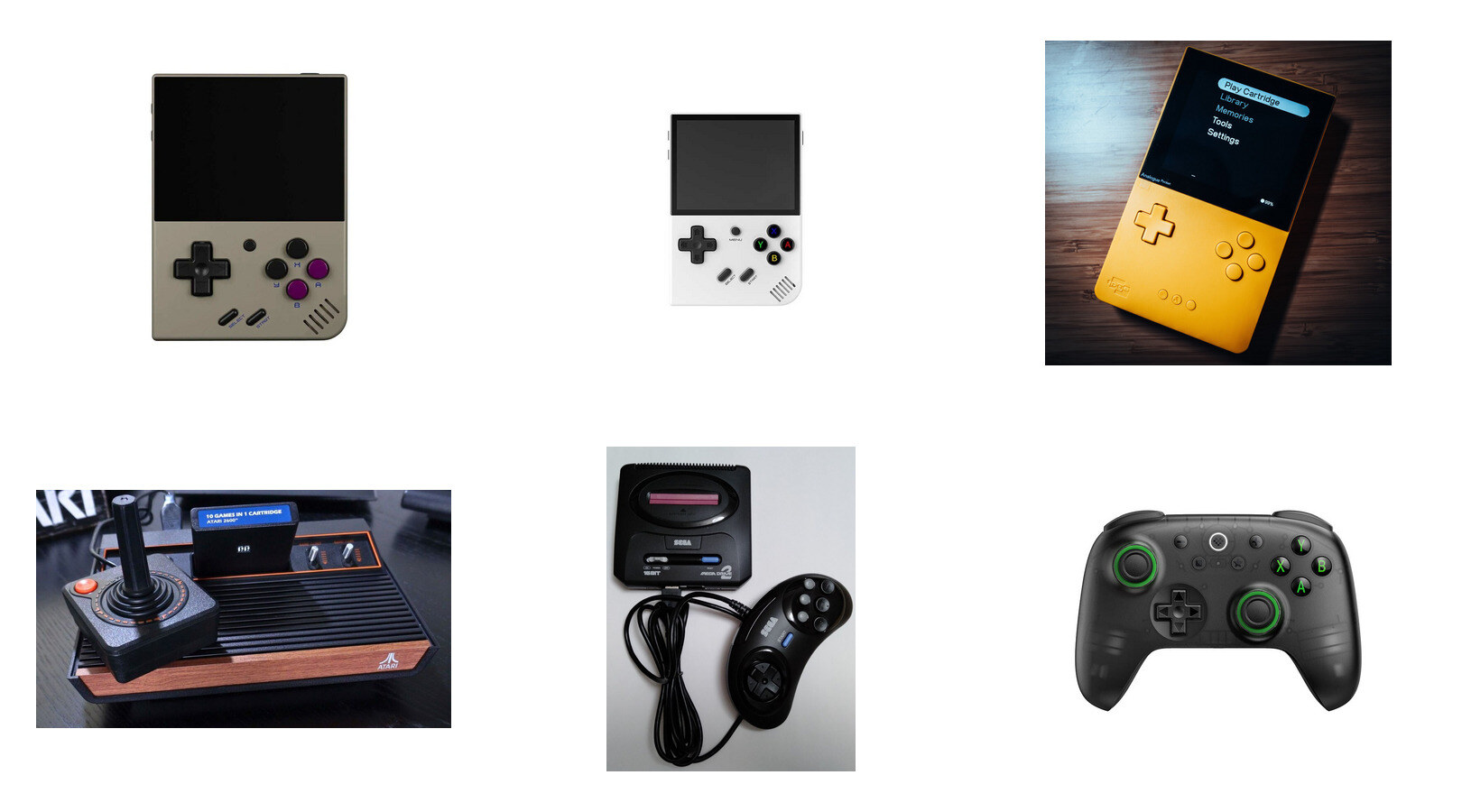
Nintendo of America cemented its cultural hegemony in the 1990s through the ferocious marketing and technical supremacy of the Super Nintendo Entertainment System (SNES) and the portable Game Boy. The brand weaponized character-driven franchises like Super Mario World, The Legend of Zelda: A Link to the Past, and Pokémon (which launched globally late in the decade) to build unwavering consumer loyalty. The console wars of the era—pitting Nintendo against Sega—taught a generation of consumers brand allegiance that persists in the modern gaming landscape.
| Brand | Primary Category | Peak Era | Defining Product or Service |
|---|---|---|---|
| Blockbuster Video | Entertainment Retail | Mid-late 90s | Physical VHS/DVD rentals |
| Nintendo | Interactive Gaming | Entire decade | SNES, Game Boy, Pokémon |
| Tamagotchi | Digital Toys | Late 90s | Virtual pet pocket device |
| AOL | Digital Services | Mid-90s onward | Dial-up internet access disks |
| Lisa Frank | Stationery & Lifestyle | Early-mid 90s | Neon-colored animal folders and stickers |
Fashion, Apparel, and Lifestyle Icons
The sartorial landscape of the 1990s swung wildly between minimalist grunge and hyper-saturated novelty items. Brands that manufactured everyday apparel and accessories achieved legendary status by embedding themselves directly into school hallways and skateparks.
The Phenomenon of Lisa Frank Incorporated
For millions of school-aged children, Lisa Frank stationery represented the pinnacle of aesthetic desire. Characterized by psychedelic neon rainbows, smiling dolphins, pandas, and unicorns rendered in airbrushed brilliance, Lisa Frank folders, trapper keepers, and sticker books were status symbols. The brand leveraged intense visual branding to dominate school supply aisles, proving that emotional connection to whimsical art could eclipse functional utility in the children's consumer market.
Denim, Sneakers, and Alternative Apparel
Apparel brands like Levi Strauss & Co., Nike, and Tommy Hilfiger captured the polarized fashion movements of the decade. While grunge culture popularized distressed Levi's jeans and flannel shirts, urban hip-hop culture propelled oversized Tommy Hilfiger logos and Nike Air Jordans into the stratosphere of luxury streetwear. These brands capitalized on subcultural movements, channeling counter-culture aesthetics into mass-market retail dominance.
Food, Beverage, and Confectionery Staples
The culinary landscape of the 1990s was characterized by hyper-processed convenience foods, bold artificial flavors, and innovative packaging designed specifically to appeal to children and teenagers. Food manufacturers engaged in fierce marketing wars on Saturday morning cartoon blocks, introducing products that prioritized visual novelty over nutritional value.
Surge, Dunkaroos, and Cereal Box Prizes
The Coca-Cola Company introduced Surge in 1996 as a direct competitor to Pepsi's Mountain Dew, utilizing aggressive, extreme-sports marketing that promised "feed the rush" energy. Similarly, General Mills and Nabisco dominated lunchboxes with items like Dunkaroos—cookies accompanied by sweet frosting for dipping—and breakfast cereals featuring promotional toys or interactive box art. These brands relied on sensory engagement, turning eating into an interactive, playful experience that left a permanent imprint on the collective palate of a generation.
Why Do 90s Brands Hold Such Powerful Nostalgia Value?
Psychologists and cultural historians attribute the enduring pull of 1990s branding to a phenomenon known as the reminiscence bump, combined with the specific socio-historical context of the decade. As the last pre-digital decade, the 90s occupy a unique psychological sweet spot. Adults who grew up during this time remember an era of technological connectivity that offered novelty without the constant, hyper-connected anxiety of modern smartphones and social media algorithms.
Furthermore, corporate marketing in the 1990s relied heavily on tactile experiences—scratch-and-sniff stickers, physical cartridges, dial-up connection tones, and tangible product packaging. These multi-sensory touchpoints create deeper memory anchors in the human brain than abstract digital experiences, making the resurgence of 90s branding a reliable economic engine for modern retro-marketing campaigns.
Frequently Asked Questions
Why are 90s brands experiencing such a massive resurgence today?
Brands from the 1990s are heavily marketed today because the generation that consumed them as children and teenagers now holds primary household purchasing power and disposable income. Companies leverage this emotional equity to drive nostalgia-based product re-releases, limited editions, and retro rebranding campaigns that guarantee immediate consumer engagement.
What made 90s marketing campaigns so effective compared to modern advertising?
Ninety-nineties marketing relied heavily on appointment viewing, physical retail spaces, and distinct, high-impact television commercials that reached massive, unified audiences. Without the fragmented attention spans caused by algorithmic feeds and multi-channel streaming, successful 90s brands achieved ubiquitous cultural penetration.
Are original 90s promotional items and products valuable to collectors today?
Yes, many sealed or pristine-condition 90s items—ranging from original Pokémon card booster packs to vintage video games and untouched Lisa Frank folders—command significant secondary market value. Rarity, original packaging condition, and cultural significance drive these valuations among adult collectors.
How did the rise of the internet change 90s branding toward the end of the decade?
The late 1990s introduced digital consumerism through dial-up services like AOL, corporate websites, and e-commerce pioneers like Amazon and eBay. Brands had to adapt from purely physical advertising and brick-and-mortar placement to establishing a digital storefront and integrating email addresses into print advertisements.
Navigating the Modern Retro Marketplace
For enthusiasts and collectors looking to reconnect with the physical artifacts of this golden era, exercising caution is essential. When purchasing vintage 90s electronics, unopened food novelties, or collector apparel online, verify seller authenticity, examine high-resolution images for wear, and cross-reference pricing with completed auction databases. Prioritize verified specialty dealers over unverified marketplaces to ensure genuine historical items rather than modern reproductions enter your collection.