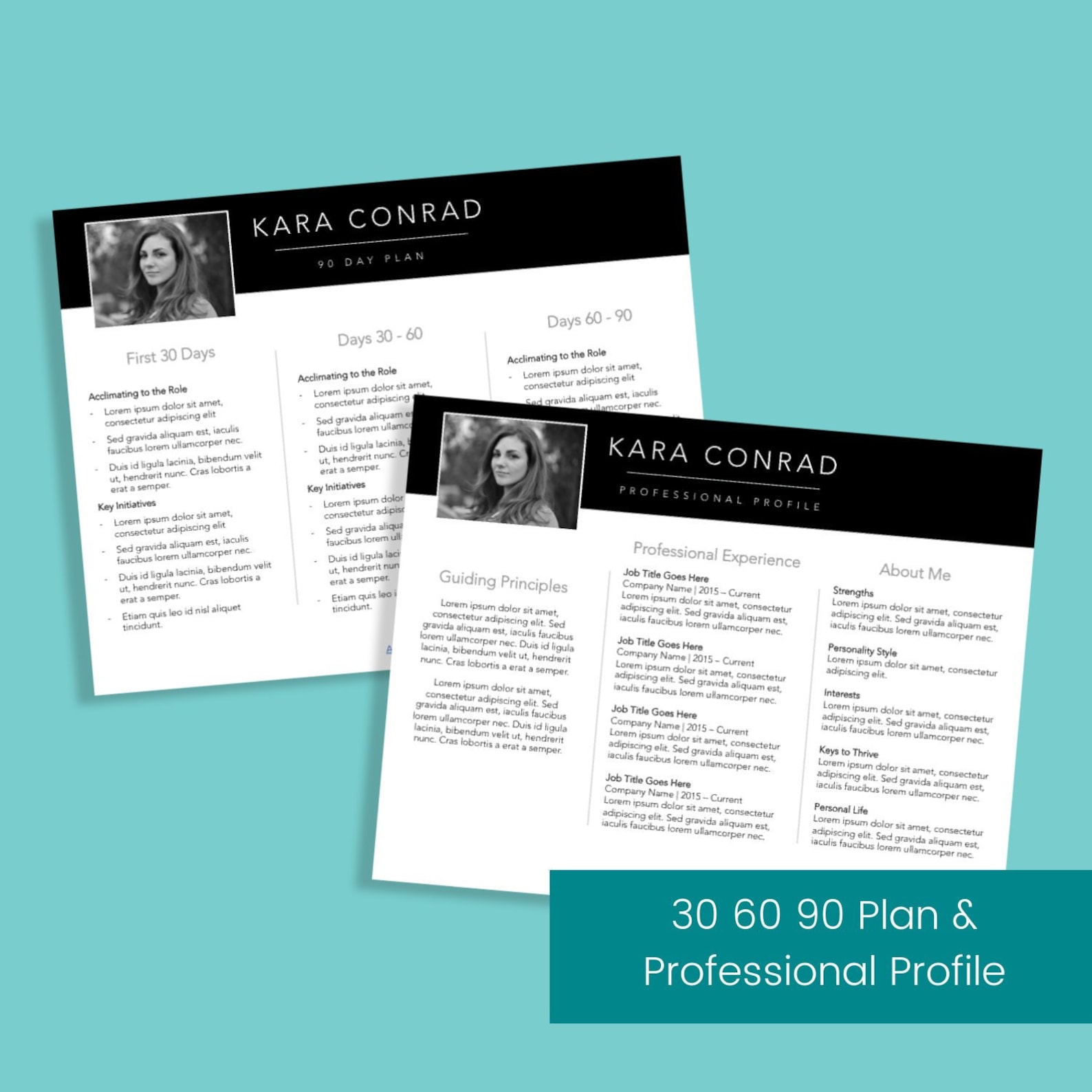
A 90 day profile is a structured strategic framework designed to guide, measure, and evaluate an employee’s integration during their first three months in a new role. Divided into 30-day phases, it establishes actionable goals for learning operational dynamics, delivering early contributions, and establishing long-term strategic ownership across key organizational priorities.
Core Architecture of a 90 Day Profile
A well-constructed 90 day profile transforms an unfamiliar workplace environment into a predictable runway for professional success. Rather than treating the first three months as a passive orientation period, organizations and leaders use this framework to structure expectations, manage cognitive load, and align individual output with broader business strategy.
The architecture relies on a progressive, three-stage lifecycle. Each 30-day block builds directly upon the insights and achievements of the preceding period, ensuring that high-level decision-making is grounded in operational reality.
- Days 1–30: Absorption & Alignment
- Stakeholder Mapping
- Systems & Workflow Audit
- Culture & Baseline Assessment
- Days 31–60: Integration & Execution
- Early Wins & Deliverables
- Process Optimization
- Cross-Functional Projects
- Days 61–90: Optimization & Ownership
- Long-term Strategy
- Autonomous Leadership
- KPI Alignment & Ownership
Phase 1 (Days 1–30): Absorption and Contextual Alignment
The initial 30 days center on broad-spectrum information gathering, cultural immersion, and relationship building. During this period, the primary objective is learning how the organization functions both formally and informally.
Key activities include mapping key stakeholders, auditing software tools and operational workflows, reviewing historical documentation, and identifying immediate knowledge gaps. Early execution in this phase should focus on asking precise questions, observing decision-making channels, and understanding how success is defined across different departments.
Phase 2 (Days 31–60): Integration and Early Execution
The middle 30 days mark the transition from passive observation to active operational contribution. With a working foundation established, the professional begins applying their functional expertise to solve practical problems.
This phase targets "quick wins"—manageable, high-visibility tasks that address immediate team pain points without requiring structural overhauls. Contributions include optimizing existing meeting cadences, refining internal reporting pipelines, or leading cross-functional project sprints. Feedback loops during Phase 2 are crucial for testing assumptions made during the initial 30 days.
Phase 3 (Days 61–90): Optimization and Strategic Ownership
The final 30-day window shifts focus toward long-term strategic contributions and autonomous leadership. The professional begins defining long-range initiatives, establishing permanent Key Performance Indicators (KPIs), and suggesting organizational improvements.
By the end of Day 90, the individual should operate with minimal oversight on core responsibilities, demonstrate a comprehensive grasp of internal stakeholders, and maintain a clear strategic vision for the next quarter and beyond.
Essential Components of an Effective 90 Day Profile Framework
To function effectively, a 90 day profile must extend beyond generic task lists. It requires a balanced balance of operational metrics, relationship building, and personal development goals. Establishing clear benchmarks within these dimensions ensures comprehensive evaluation across the entire onboarding cycle.
| Learning & Cultural Integration | Operational & Performance Deliverables |
|---|---|
| • Technical stack mastery• Workflow & policy comprehension• Cultural norm adoption | • Role-specific output milestones• Resource allocation efficiency• Project deadline compliance |
| Relationship & Stakeholder Mapping | Strategic & Future Growth Objectives |
| • Key stakeholder 1-on-1s• Cross-functional alignment• Informal communication network | • Long-term process optimizations• Strategic vision proposals• Personal skills development plan |
1. Learning and Cultural Integration
Every business operates under unique explicit policies and unwritten cultural norms. A comprehensive profile establishes learning milestones covering software systems, internal jargon, compliance requirements, and historical background on past strategic shifts. Understanding why current systems exist prevents costly mistakes when proposing improvements later.
2. Operational and Performance Deliverables
Operational objectives outline concrete work outputs required during each phase. For a software engineer, this might involve submitting code contributions within two weeks; for a sales director, it might mean assessing pipeline accuracy by Day 45. Setting clear, measurable milestones eliminates ambiguity regarding expected productivity levels.
3. Relationship and Stakeholder Mapping
Individual performance rarely occurs in isolation. A dedicated stakeholder mapping plan details key interdepartmental contacts, executive sponsors, direct reports, and external partners. Scheduling structured introductory conversations during the first month helps build functional working relationships early.
4. Strategic and Long-Term Growth Objectives
The final pillar connects immediate daily tasks to long-term organizational goals. It asks: How will this role drive revenue, reduce operational friction, or improve product quality over the next year? Documenting strategic intent early ensures day-to-day work remains aligned with broader corporate objectives.
Step-by-Step Guide to Constructing a Business-Aligned 90 Day Profile
Creating a effective 90 day profile requires active collaboration between the employee, direct manager, and relevant HR leaders. The following framework outlines how to design an actionable profile tailored to specific role requirements.
- Step 1: Conduct Pre-Boarding Diagnostics
- Step 2: Define Objectives and Key Results (OKRs)
- Step 3: Establish Review Cadences & Feedback Loops
- Step 4: Iterative Calibration & Mid-Course Adjustments
Step 1: Conduct Pre-Boarding Diagnostics
Before drafting performance expectations, evaluate the immediate operational context of the role. Identify why the position was opened, the urgent challenges facing the team, and the available resources. Reviewing job descriptions, team structure, and quarterly goal documentation provides the raw context needed to set realistic 30-, 60-, and 90-day benchmarks.
Step 2: Define Objectives and Key Results (OKRs)
Translate broad responsibilities into clear Objectives and Key Results (OKRs) for each 30-day block. Each goal should follow the SMART criteria—Specific, Measurable, Achievable, Relevant, and Time-bound.
- Weak Goal: "Learn the CRM software."
- SMART Goal: "Complete CRM administrative training by Day 20 and audit 50 active client accounts for data accuracy by Day 30."
Step 3: Establish Review Cadences and Feedback Loops
Schedule recurring formal check-ins to monitor progress against the 90 day profile. Standard cadence structure includes:
- Weekly 1-on-1s: Brief operational syncs to eliminate immediate roadblocks.
- Day 30 Check-in: Review learning milestone completion and refine month two priorities.
- Day 60 Check-in: Evaluate early deliverables, cross-functional collaboration, and initial process feedback.
- Day 90 Formal Review: Comprehensive evaluation of integration performance, KPI attainment, and presentation of the upcoming annual roadmap.
Step 4: Iterative Calibration and Mid-Course Adjustments
Business environments change rapidly. Market conditions shift, internal priorities realign, and resource availability fluctuates. A rigid 90 day profile can become counterproductive if it refuses to account for real-world changes. Treat the document as a living agreement—if organizational priorities pivot during month two, update the profile's targets during formal review check-ins.
90 Day Profiles Across Executive, Management, and Technical Roles
The scope, emphasis, and deliverable expectations of a 90 day profile vary significantly depending on seniority and role specialization. Executives focus primarily on organizational strategy and cultural dynamics, while specialized individual contributors prioritize technical execution and workflow integration.
| Organizational Level | Phase 1 Primary Focus (Days 1–30) | Phase 2 Primary Focus (Days 31–60) | Phase 3 Primary Focus (Days 61–90) | Primary Success Metrics |
|---|---|---|---|---|
| Executive / C-Suite | Organizational audit, culture mapping, executive team 1-on-1s. | Strategic gap analysis, operational bottleneck identification. | Presenting 1- to 3-year strategic growth plan and budget realignments. | Executive alignment, organizational efficiency, capital allocation. |
| Department Manager / Lead | Team dynamics evaluation, workflow mapping, resource audit. | Process optimization, resolving operational bottlenecks, team coaching. | Defining quarterly OKRs, cross-departmental SLA establishment. | Team productivity, employee retention, operational throughput. |
| Technical Specialist / Engineer | Codebase/system review, tool setup, security compliance certification. | Managing core tickets, bug resolution, initial system optimization. | Autonomous feature ownership, technical architecture proposals. | Code quality, sprint completion rate, technical debt reduction. |
| Mid-Level Professional | Standard operating procedure (SOP) mastery, stakeholder introductions. | Independent task execution, contributing to group deliverables. | Full project ownership, proposing workflow enhancements. | Output accuracy, deadline adherence, stakeholder satisfaction. |
Executive-Level Considerations
For executive leaders, the 90 day profile serves as a high-stakes strategic roadmap. During the first 30 days, executives must listen carefully rather than issue immediate top-down mandates. Rapid changes made without understanding existing organizational culture often create internal resistance. By Day 90, executive profiles culminate in presenting a comprehensive vision, budget re-allocations, and long-term organizational adjustments to board members and key stakeholders.
Specialist and Technical Considerations
For specialized technical personnel, the profile focuses heavily on system architecture, security compliance, and execution accuracy. Learning objectives center on understanding internal technical ecosystems, data structures, and production guidelines. Deliverables emphasize consistent output, code safety, and reduced oversight requirements by Day 90.
Common Pitfalls in 90 Day Profile Execution
Even well-designed profiles can fail due to poor execution, misaligned expectations, or rigid adherence to outdated assumptions. Recognizing these common traps helps managers and employees protect their onboarding strategy.
- The "Change Agent" Trap: Proposing overhauls before understanding historical context and operational constraints.
- Isolation Execution: Focusing purely on technical metrics while neglecting internal stakeholder relationships.
- Static Goal Rigidity: Refusing to adapt initial goals when business priorities shift mid-quarter.
- Vagueness Trap: Setting soft targets without quantitative measurement or clear evaluation criteria.
The "Change Agent" Trap
A frequent mistake made by eager new hires is attempting to overhaul existing processes within their first 30 days. Proposing major operational changes without understanding historical precedents or technical constraints can alienate colleagues and undermine credibility. Ensure Phase 1 remains dedicated to context gathering before initiating broad structural changes in Phase 3.
Over-Focusing on Tasks at the Expense of Relationships
Completing operational tasks is essential, but achieving metrics while alienating team members creates long-term friction. Strong 90 day profiles explicitly allocate time for informal networking, team lunches, and cross-departmental introductory syncs.
Goal Rigidity in Dynamic Environments
When unexpected challenges arise, insisting on completing an outdated 30-day objective wastes valuable organizational resources. When underlying realities shift, update the profile during scheduled check-ins to keep efforts focused on current business priorities.
Frequently Asked Questions
How does a 90 day profile differ from a standard employee onboarding plan?
A standard onboarding plan focuses primarily on administrative tasks, compliance training, tool provisioning, and initial HR orientation. In contrast, a 90 day profile is a strategic performance management framework focused on outcomes. It defines measurable objectives, relationship-building milestones, and strategic contributions across three distinct 30-day phases.
Who is responsible for writing the 90 day profile—the employer or the employee?
The creation of a 90 day profile is a collaborative process. In executive and senior management roles, the incoming professional typically drafts the initial profile based on interview insights and pre-boarding research, presenting it to leadership for refinement. For mid-level and entry-level positions, the direct manager usually provides the framework, working with the employee during week one to customize key metrics.
How should a 90 day profile be updated if business priorities shift mid-quarter?
If organizational goals shift, schedule a formal calibration review during a weekly 1-on-1 check-in. Document the altered priorities, adjust or replace outdated key performance indicators, and update success metrics for remaining phases. Preserving a record of these modifications ensures alignment between employee efforts and executive expectations.
Can a 90 day profile be used for internal promotions or lateral transfers?
Yes. Moving into a new leadership position or transferring across departments introduces unfamiliar team dynamics, strategic priorities, and operational requirements. Applying a 90 day profile to internal transfers helps structured transition planning, accelerates time-to-productivity, and clarifies changing expectations.
What happens if an employee fails to meet their Phase 1 or Phase 2 objectives?
Failing to hit early milestones serves as an early indicator for targeted support. If early gaps stem from system access delays or training bottlenecks, managers can adjust timelines accordingly. If performance gaps point to skill deficits or misaligned expectations, early identification allows managers to offer immediate coaching or initiate performance improvement measures before the end of the 90-day probationary period.
Strategic Action Items for Implementing Your 90 Day Profile
To implement a 90 day profile framework within your organization or executive career, execute the following steps immediately:
- Audit Existing Onboarding Processes: Review current integration methods to separate administrative orientation tasks from strategic performance goals.
- Standardize Role-Specific Templates: Create standardized 90 day profile templates tailored for leadership, managerial, and specialist positions across your department.
- Establish Recurring Review Milestones: Calendar formal review meetings for Day 30, Day 60, and Day 90 before the employee's start date to safeguard review consistency.
- Emphasize Balanced Objectives: Ensure every profile includes a balanced mix of learning goals, concrete work deliverables, relationship-building milestones, and long-term strategic plans.
By shifting onboarding from a passive orientation period into a structured strategic journey, organizations accelerate employee time-to-productivity, reduce early turnover, and establish clear operational alignment from day one.