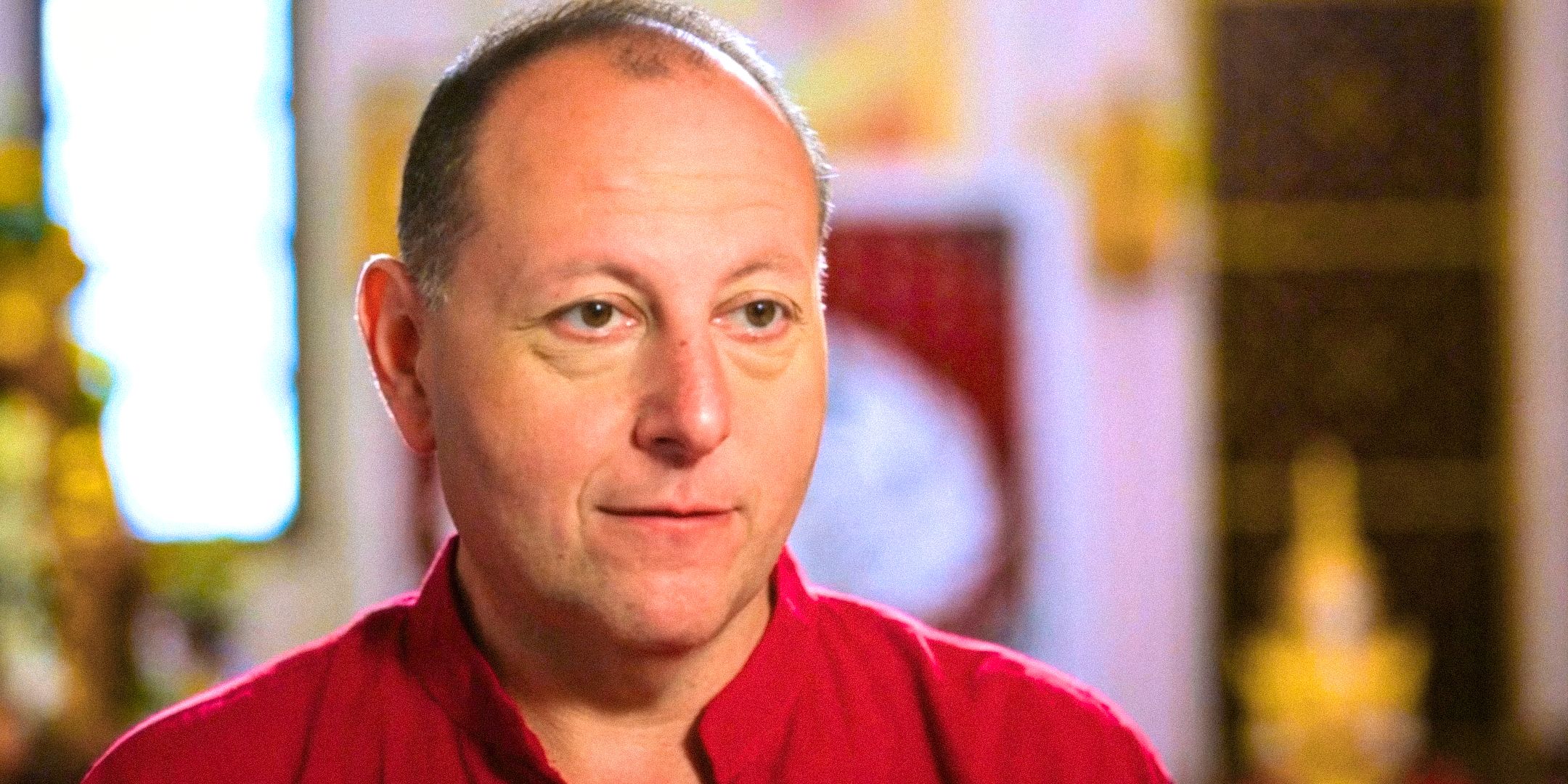
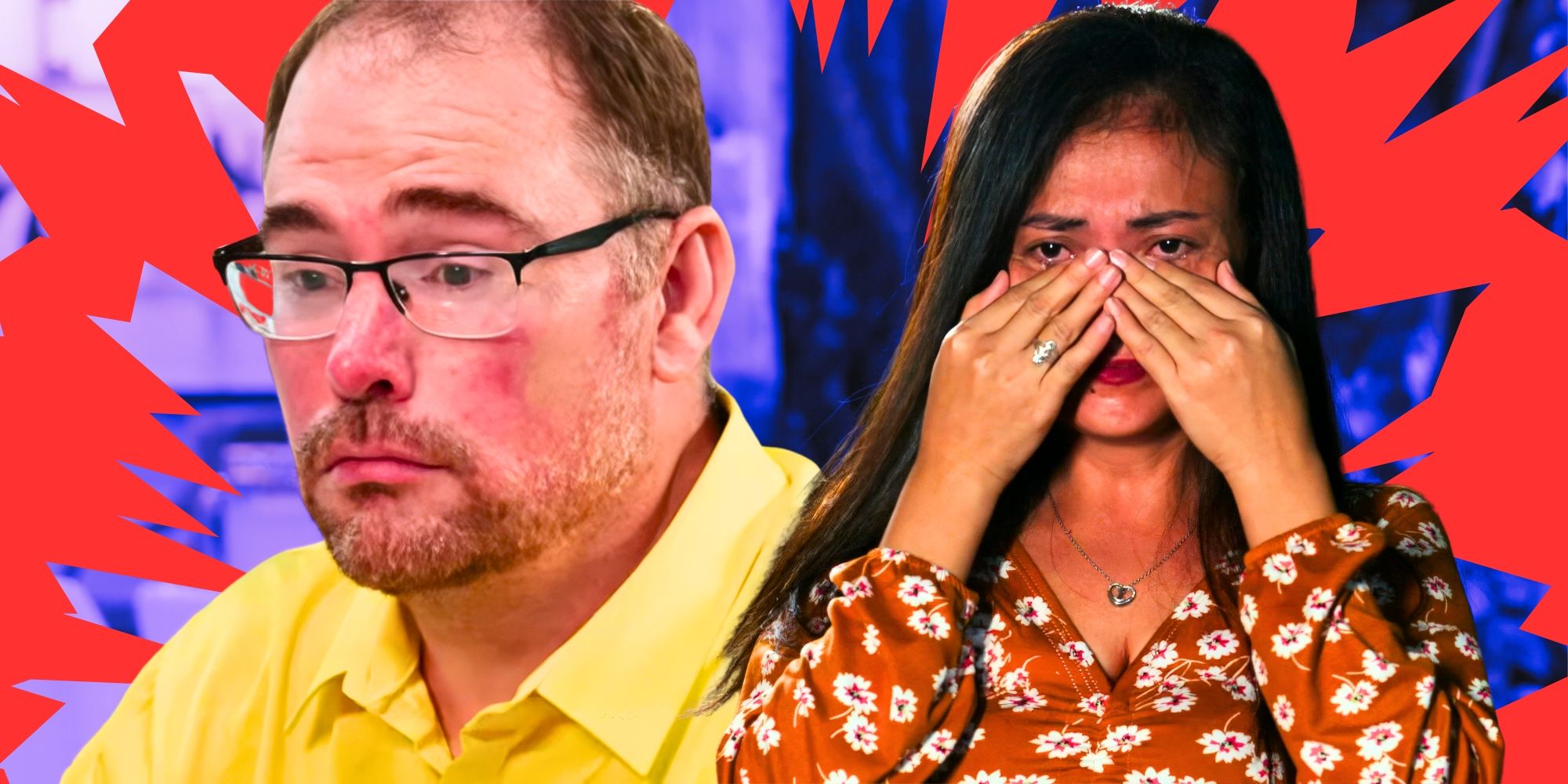
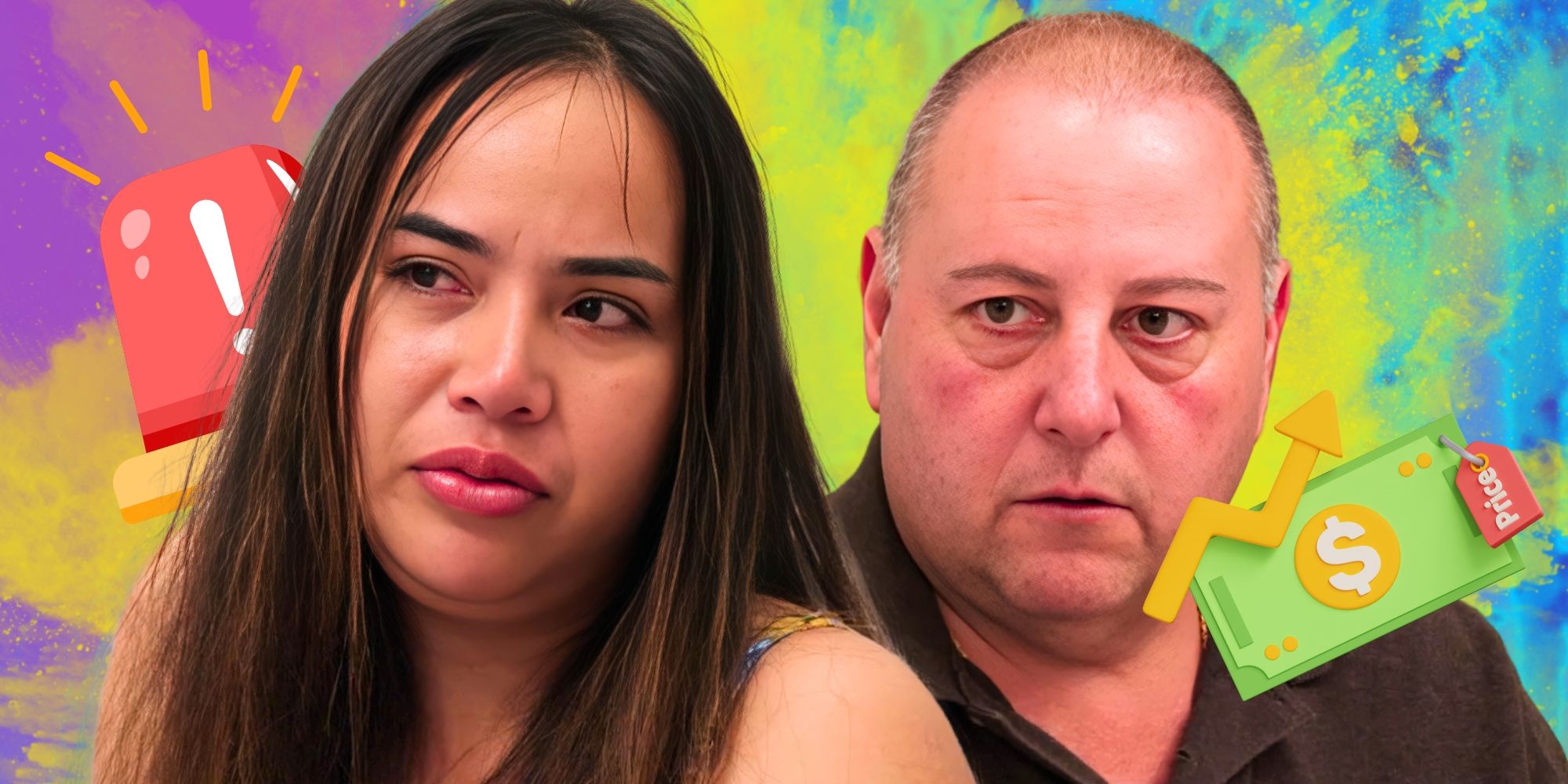
The controversies surrounding "David" on TLC’s 90 Day Fiancé primarily involve two prominent cast members: David Toborowsky from Season 5 and David Murphey from Before the 90 Days Season 7. Toborowsky faced heavy public scrutiny over extreme financial hardship, drinking allegations, and sponsorship dependence, while Murphey sparked intense debate by spending over $100,000 on pay-per-message Ukrainian dating sites searching for a woman named Lana. Both storylines sparked widespread accusations of producer scripting, financial exploitation, and online romance scams.
Disambiguating the Davids: Franchise History and Public Perceptions
Because 90 Day Fiancé has featured several cast members named David, public discussion regarding "the David controversy" often blends distinct storylines from different seasons. To evaluate the claims accurately, viewers must differentiate between the two major figures who dominated franchise headlines: David Toborowsky and David Murphey.
David Toborowsky entered the franchise during Season 5 alongside his Thai fiancée, Annie Suwan. His narrative centered on severe economic instability, a lack of personal housing, heavy drinking allegations, and a controversial financial sponsorship arrangement with a wealthy friend. Over time, Toborowsky shifted from one of the most criticized figures on the show to a fan favorite through spin-offs like Pillow Talk.
David Murphey appeared on Season 7 of 90 Day Fiancé: Before the 90 Days. His storyline focused on his seven-year online relationship with Lana, a Ukrainian woman he had never met in person despite traveling to Eastern Europe multiple times. Murphey's willingness to spend a small fortune on international communication portals, coupled with repeated failed meetings and the intervention of a private investigator, led to widespread public debate regarding catfishing, commercial dating scams, and reality television manipulation.
David Toborowsky: Financial Dependence, Off-Screen Struggles, and Redemption
When David Toborowsky debuted on Season 5, viewers were introduced to a 48-year-old man who had experienced a series of severe personal setbacks, including a difficult divorce, job loss, and a stroke. When he met Annie Suwan in Thailand, he lacked the financial resources required by the United States Citizenship and Immigration Services (USCIS) to sponsor a K-1 fiancé visa.
The Chris Thieneman Sponsorship and Housing Scandal
To meet the mandatory financial thresholds established by the U.S. government for K-1 visa sponsorship, Toborowsky relied on his friend, real estate investor Chris Thieneman. Thieneman agreed to act as the legal financial co-sponsor for Annie's visa. However, the living arrangements provided by Thieneman—placing the couple in a converted firehouse and later a cramped apartment above a storage facility—became a major flashpoint on the show.
The controversy reached a peak when an episode aired showing Thieneman asking Annie to give him a poolside massage in exchange for staying at his property. The scene provoked immediate outrage online. Years later, both Thieneman and his wife, Nikki Cooper, publicly disclosed that TLC producers had heavily encouraged and scripted that specific interaction to generate dramatic tension, shedding light on how production edits amplified negative perceptions of the arrangement.
Alcohol Allegations and Family Friction
Toborowsky’s relationship with his adult children, particularly his daughter Ashley Toborowsky, added another layer of controversy to his initial television appearance. On-screen confrontations highlighted past neglect, unpaid child support claims, and concerns over Toborowsky's alcohol consumption.
Viewers voiced concern over Toborowsky's reliance on others while bringing a young foreign fiancée to America without stable employment or independent housing. The narrative portrayed him as irresponsible, fueling harsh criticism across social media platforms and online forums during the original broadcast of Season 5.
Rebuilding Reputation and Financial Stability
Following their initial season, Toborowsky and Suwan systematically rebuilt their personal brand and financial standing. The couple leveraged their popularity on the franchise spin-off Pillow Talk, demonstrating humor, mutual support, and genuine affection that contrasted sharply with their dramatic debut edit.
Toborowsky secured employment, engaged in weight-loss and health journeys, and established commercial revenue streams through cooking tutorials, brand partnerships, and custom video platforms. By maintaining a stable marriage and demonstrating sustained personal accountability, Toborowsky managed to reverse public sentiment more completely than almost any other figure in the franchise's history.
David Murphey: The $100,000 Ukrainian Dating Site Saga
David Murphey’s story on Before the 90 Days Season 7 presented an entirely different set of controversies, revolving around online dating security, commercial match-making platforms, and extreme denial in foreign courtships.
Seven Years, Stolen Photos, and Pay-Per-Message Portals
Murphey, a retired computer systems analyst from Nevada, disclosed during filming that he had spent upwards of $100,000 over a seven-year period communicating with Lana through an international dating portal. Unlike standard dating apps, these niche web platforms charge users per message, video chat minute, and virtual gift sent.
Throughout the season, Murphey traveled to Ukraine multiple times, only for Lana to cancel their scheduled meetings at the last minute citing various personal emergencies. The repetitive nature of these failed encounters led audience members and commentators to conclude that Murphey was the victim of a sophisticated commercial catfishing operation designed to extract continuous communication fees.
The Private Investigator and the Kyiv Encounter
Determined to find the truth, Murphey hired a Ukrainian private investigator during production. The investigator uncovered evidence that Lana maintained active profiles on multiple dating websites under different names and was interacting with numerous men simultaneously.
Despite the investigator’s explicit warning that the relationship exhibited classic markers of a romance scam, Murphey rejected the findings and continued his search independently.
In a unexpected narrative twist, Lana actually appeared in Kyiv to meet Murphey on camera toward the end of the season. Murphey proposed, and Lana accepted an engagement ring. However, the meeting raised fresh questions among viewers regarding whether the encounter was genuine or orchestrated by production to bring closure to the storyline.
Post-Show Revelations and Current Status
Following the airing of Season 7, the engagement between Murphey and Lana dissolved. Lana later indicated on social media that major elements of her storyline were scripted, alleging that her participation was heavily managed by talent handlers and that she was not actively engaged to Murphey outside of contract obligations.
Murphey defended his choice to use pay-per-message websites, explaining that foreign dating sites operate under strict legal contracts that prevent users from exchanging direct contact information until specific platform milestones are reached. Nevertheless, his case remains a cautionary case study frequently cited by consumer protection analysts discussing international romance scams.
Comparing On-Screen Narratives vs. Verified Realities
To understand the core controversies surrounding both cast members, it is essential to separate reality television storytelling from documented, verified facts.
| Aspect | David Toborowsky | David Murphey |
|---|---|---|
| Primary Controversy | Extreme financial instability, co-sponsor dependence, alcohol allegations | Spending $100k+ on pay-per-message dating sites, catfishing accusations |
| Partner & Origin | Annie Suwan (Thailand) | Svetlana "Lana" Shietsova (Ukraine) |
| Key Platform/Mechanism | K-1 Visa process, third-party housing (Chris Thieneman) | Commercial international matchmaking websites |
| On-Screen Edit | Dependents living in storage unit; irresponsible foreign engagement | Gullible victim of an elaborate romance scam |
| Off-Screen Reality | Housing situation exaggerated; poolside massage scene scripted by producers | Web platforms used real photos, but financial model incentivized perpetual paid chatting |
| Long-Term Outcome | Married, financially independent, established fan-favorites | Relationship ended; unengaged; maintained defense of international dating sites |
Production Editing and the "90 Day" Editing Process
A recurring element in both Davids' stories is the influence of reality television production techniques on public perception. Sharp editing, selective scene assembly, and producer prompting frequently color how complex interpersonal dynamics are presented to viewers.
Producer Prompts and Manufactured Conflict
In non-scripted television, field producers utilize interview prompts to elicit specific emotional reactions or guide conversations toward dramatic topics. In David Toborowsky’s case, the infamous interaction involving Chris Thieneman demonstrated how producers deliberately introduced unnatural scenarios to create friction. Thieneman later publicly clarified that he had no intention of asking for massages, but complied with explicit requests from the crew to create dramatic television moments.
Selective Context in Online Relationships
Similarly, in David Murphey’s storyline, production emphasized his frustration and economic expenditure while minimizing the legal and structural realities of international dating platforms. Pay-per-message sites operate under specific regulatory models where agencies retain rights over communications, making direct contact exchange difficult without platform authorization. By framing Murphey's journey strictly around continuous rejections and missed train station appointments, the broadcast maximized tension while obscuring how these agency-managed portals operate behind the scenes.
Frequently Asked Questions
Are David Toborowsky and Annie Suwan still together?
Yes. David Toborowsky and Annie Suwan remain married and continue to collaborate on media projects, business ventures, and franchise spin-offs. They have established financial stability and built a large online following since their initial appearance on Season 5.
Did David Murphey ever marry Lana?
No, David Murphey and Lana never married. Although they became engaged on camera during Season 7 of Before the 90 Days, the relationship ended shortly after filming concluded, and the K-1 visa process was never finalized.
Was Lana a real person or an actor hired by the show?
Lana (Svetlana Shietsova) was a real person who maintained profiles on international dating agency websites. However, post-show statements from both parties revealed that her interactions with production and her engagement to Murphey were heavily staged for the television broadcast.
How did David Toborowsky afford to bring Annie to the United States?
David Toborowsky relied on his friend Chris Thieneman to act as a legal financial co-sponsor for Annie’s K-1 visa. Thieneman signed the required U.S. government affidavit of support ensuring that Suwan would not become a public charge upon entering the country.
Did David Murphey really spend $100,000 on dating websites?
Yes. Murphey confirmed on multiple occasions that he spent over $100,000 across seven years using commercial pay-per-message dating portals to communicate with Lana and other international women, as these sites charge fee structures for individual text messages, translation services, and video connections.
How Viewers Can Critically Evaluate Reality TV Romance Stories
Navigating public controversies stemming from unscripted television requires viewers to adopt a critical framework. Reality television shows prioritize narrative entertainment over documentary accuracy, making it vital to separate edited footage from verified legal and financial facts.
When consuming franchise storylines involving foreign courtships, keep the following analytical practices in mind:
- Verify Official Visa and Immigration Standards: Understand that K-1 visas require rigorous income verification from the U.S. sponsor or an eligible co-sponsor. Financial drama portrayed on screen often simplifies complex legal requirements.
- Recognize Commercial Dating Models: Distinguish between standard subscription-based dating applications and agency-operated pay-per-message portals. Pay-per-message sites create financial incentives for third-party agencies to prolong online interactions.
- Account for Cast Member Statements Post-Broadcast: Look to direct post-show interviews, legal filings, and independent disclosures made by cast members outside of network contracts to gain context on controversial scenes.
- Identify Selective Editing: Frame dramatic moments by considering what occurred off-camera, including producer prompts, staged setups, and intentional scene cuts designed to elevate public engagement.
By applying these analytical tools, viewers can better understand the true circumstances behind complex television controversies and separate production drama from human reality.