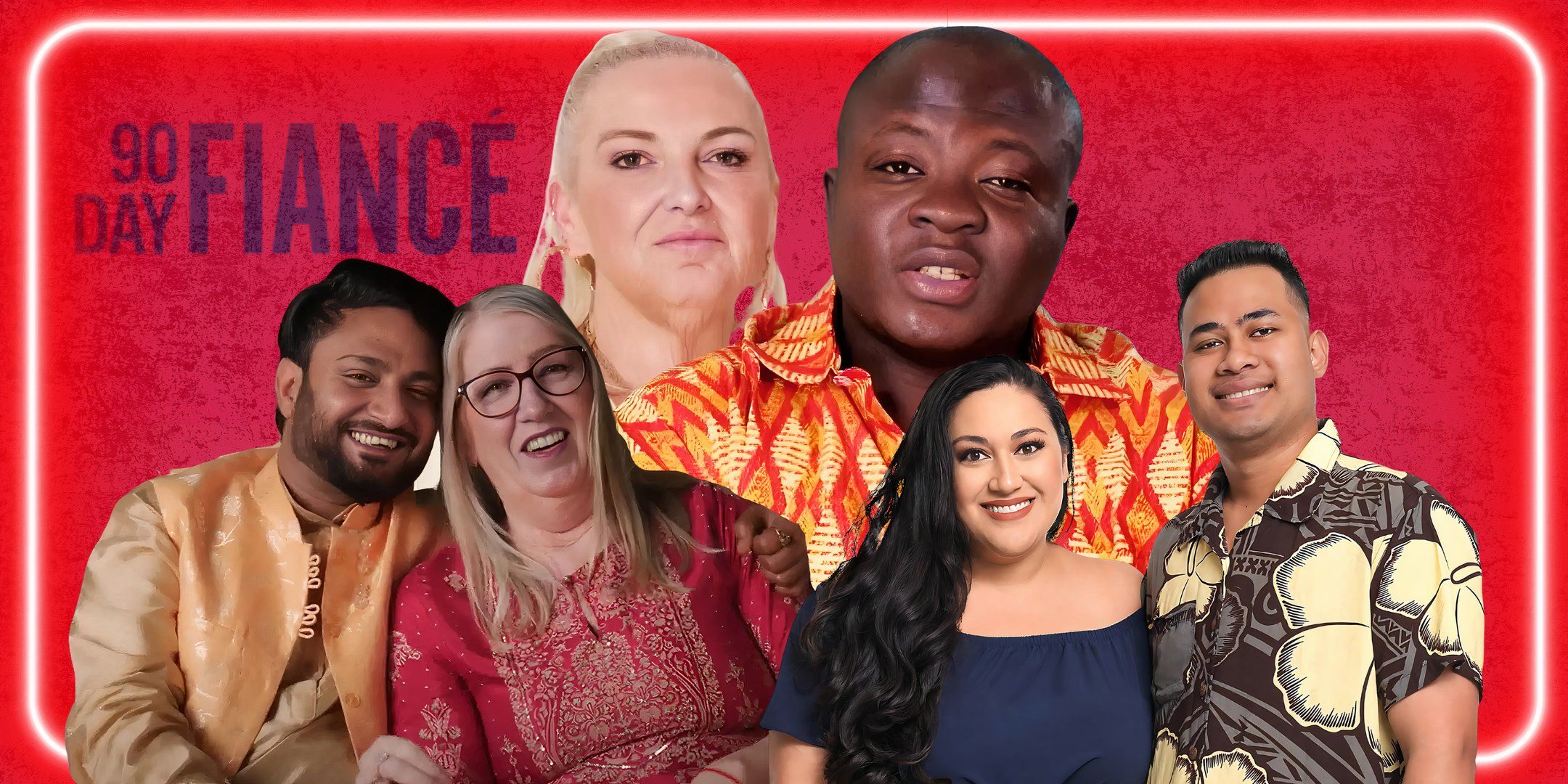
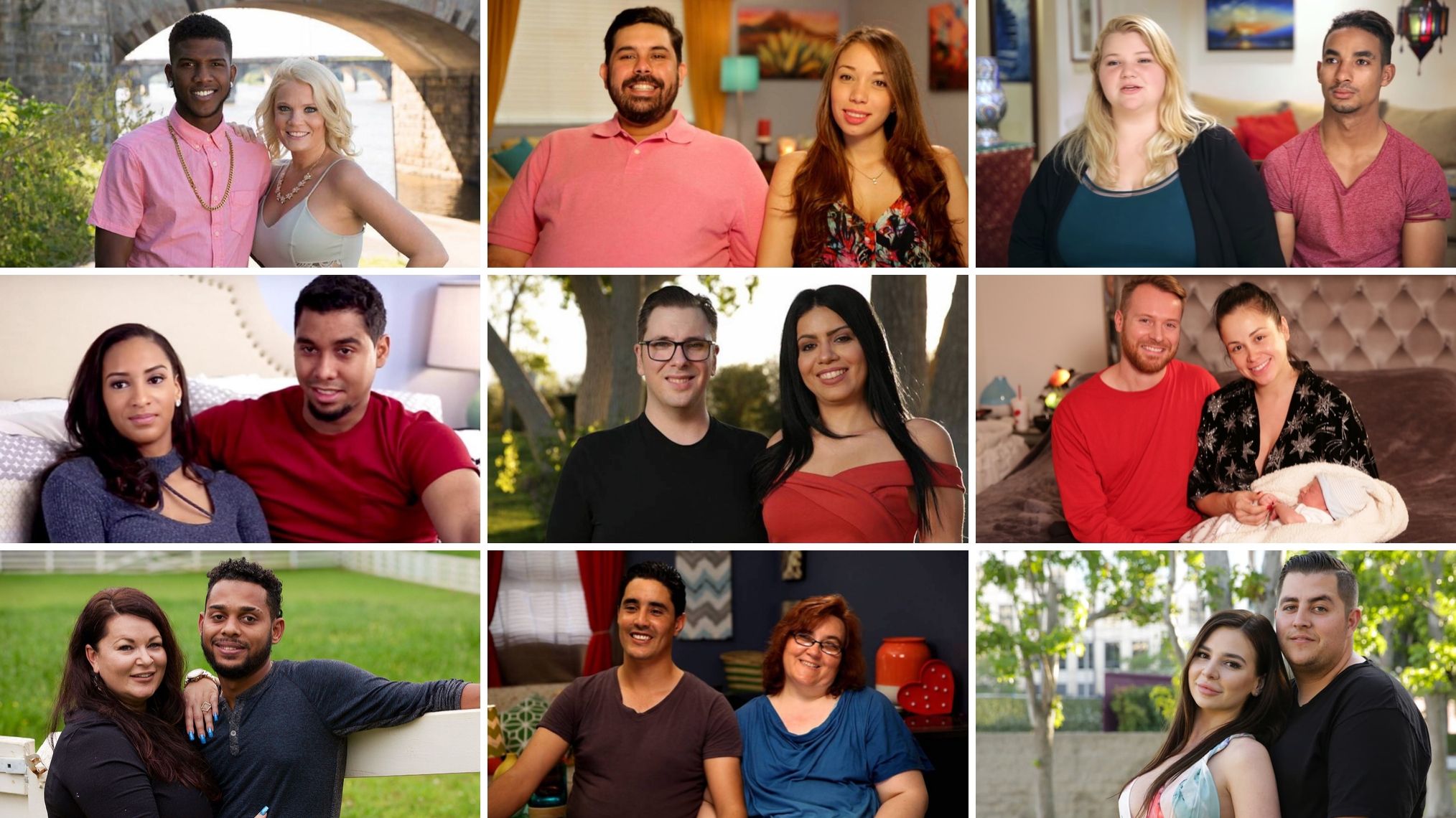
Across ten flagship seasons of TLC’s 90 Day Fiancé, the long-term success rate for couples who completed the K-1 visa process and married stands at approximately 64%. While franchise spinoffs report far lower retention rates, the primary series significantly outperforms traditional reality dating shows by benefiting from strict federal immigration vetting and high personal stakes.
Deciphering the Franchise Numbers: Flagship vs. Spinoffs
To calculate an accurate success rate for the 90 Day Fiancé universe, it is essential to distinguish between the flagship series and its numerous spinoffs. The primary show follows international couples who have already received or applied for a K-1 fiancé visa. Under U.S. immigration law, this visa grants the foreign partner 90 days to enter the United States and marry their American sponsor. Because these couples have already spent months or years building a relationship, submitting legal documentation, and investing thousands of dollars in legal fees, their baseline commitment is substantial.
Conversely, spinoffs like Before the 90 Days, The Other Way, and Love in Paradise track relationships at much earlier or fundamentally different stages:
- Before the 90 Days: Tracks couples meeting in person for the first time or testing online relationships abroad. Many of these couples break up before ever applying for a visa, resulting in a low long-term relationship survival rate of roughly 25% to 30%.
- The Other Way: Follows American citizens moving to their partner's home country. The legal hurdles, employment restrictions, and severe cultural shock of residing abroad lead to higher separation rates than the domestic K-1 process.
- The Single Life: Focuses on divorced or separated cast members searching for new partners, representing couples whose initial relationships already failed.
When examining the flagship series alone, the marriage retention rate is surprisingly durable compared to both standard domestic marriages and other reality television formats. Out of more than 70 couples featured across the main show's ten flagship seasons, over 40 remain married today.
Season-by-Season Flagship K-1 Marriage Success Rates
The statistics below break down the outcome of couples featured on the main 90 Day Fiancé series. These figures reflect couples who completed their 90-day period, married, and remain together.
| Season | Original Airing | Featured K-1 Couples | Married & Still Together | Estimated Retention Rate | Notable Surviving Couples |
|---|---|---|---|---|---|
| Season 1 | 2014 | 4 | 4 | 100% | Russ & Paola, Alan & Kirlyam, Louis & Aya, Mike & Aziza |
| Season 2 | 2014 | 6 | 3 | 50% | Justin & Evelyn, Brett & Daya, Danny & Amy |
| Season 3 | 2015 | 6 | 5 | 83% | Loren & Alexei, Melanie & Devar, Kyle & Noon, Fernando & Carolina |
| Season 4 | 2016 | 5 | 2 | 40% | Matt & Alla, Narkyia & Olulowo |
| Season 5 | 2017 | 6 | 3 | 50% | Elizabeth & Andrei, David & Annie, Josh & Aika |
| Season 6 | 2018–2019 | 6 | 2 | 33% | Eric & Leida, Steven & Olga |
| Season 7 | 2019–2020 | 7 | 3 | 43% | Anna & Mursel, Robert & Anny, Blake & Jasmin |
| Season 8 | 2020–2021 | 7 | 3 | 43% | Brandon & Julia, Jovi & Yara, Zied & Rebecca |
| Season 9 | 2022 | 6 | 4 | 67% | Guillermo & Kara, Patrick & Thaís, Kobe & Emily, Sam & Citra |
| Season 10 | 2023–2024 | 7 | 4 | 57% | Manuel & Ashley, Nick & Devin, Clayton & Anali, Sam & Citra |
Note: Data reflects verified long-term marital status based on public records, joint statements, and legal filings.
Why TLC's K-1 Visa Couples Outlast Standard Reality TV Romance
The success rate of 90 Day Fiancé stands in stark contrast to mainstream dating franchises such as The Bachelor, The Bachelorette, or Love Is Blind. Research into reality TV outcomes indicates that The Bachelor franchise yields a long-term relationship success rate under 20%, whereas the flagship 90 Day Fiancé series maintains a success rate above 60%.
Reality TV Marriage Retention Rates (Approximate Comparison) [90 Day Fiancé Flagship] ██████████████████████ 64% [Love Is Blind] ████████ 25% [The Bachelor / Bachelorette] ████ 15%
Three primary structural factors account for this discrepancy:
1. Rigorous Federal Screening vs. Television Casting
Before a couple ever appears on the flagship series, they must pass the extensive legal scrutiny of the U.S. Department of Homeland Security and U.S. Citizenship and Immigration Services (USCIS). The American partner must file Form I-129F (Petition for Alien Fiancé), providing extensive evidence of a bona fide relationship—including communication logs, travel receipts, photos together over at least two years, and sworn affidavits.
Couples undergo background checks, medical examinations, and consulate interviews. This government vetting filters out casual dating partners long before producers cast them for television.
2. Legal and Financial Obligations (Form I-864)
Unlike domestic reality dating shows where contestants can separate without financial consequences, sponsoring a foreign spouse carries legally binding obligations. The U.S. sponsor must sign Form I-864 (Affidavit of Support Under Section 213A of the INA).
This contract requires the sponsor to maintain the foreign spouse at or above 125% of the Federal Poverty Guidelines. Crucially, this financial obligation survives divorce and does not terminate until the foreign spouse becomes a U.S. citizen, earns 40 work quarters, permanently leaves the country, or passes away.
3. High Personal Stakes and Sunk Costs
International relationships involve immense personal sacrifices. The foreign partner leaves behind their family, career, social network, and legal status in their home country. The American partner assumes financial risk, legal sponsorship, and the responsibility of assisting their spouse through cultural integration. The magnitude of these mutual investments creates strong incentives for couples to work through marital friction rather than abandon the relationship.
High-Profile Success Stories and Famous Splits
The show’s history includes enduring marriages that built multi-year family brands, as well as high-conflict divorces that played out publicly in family courts.
Long-Term Flagship Successes
- Loren and Alexei Brovarnik (Season 3): Married in 2015, the couple has become one of the franchise's biggest success stories. They share three children, starred in their own spinoff series, and regularly showcase a stable family life.
- David Toborowsky and Annie Suwan (Season 5): Despite facing severe financial hardship, housing instability, and significant age gaps during their initial season, David and Annie built a successful business presence, married, and remain among the show's most popular couples.
- Kenny Niedermeier and Armando Rubio (The Other Way / Franchise Staples): As the franchise's first male same-sex couple, Kenny and Armando earned widespread praise for their emotional stability, effective communication, and enduring marriage while navigating life in Mexico.
High-Profile Marital Failures
- Danielle Mullins and Mohamed Jbali (Season 2): One of the show’s early dramatic pairings, this marriage collapsed shortly after the wedding amid accusations of financial exploitation and infidelity, ultimately resulting in a bitter divorce proceeding.
- Chantel Everett and Pedro Jimeno (Season 4): After marrying in Season 4 and starring in five seasons of their dedicated spinoff The Family Chantel, Pedro filed for divorce in 2022, citing irreparable marital breakdown amid allegations of financial misconduct and family interference.
- Colt Johnson and Larissa Dos Santos Lima (Season 6): Marked by multiple domestic disputes, arrests, and intense conflict, this marriage lasted less than a year before ending in divorce in 2019.
Real-World K-1 Visa Statistics vs. Reality TV Portrayals
Sensationalized editing often leads viewers to believe that K-1 visa marriages are inherently unstable or prone to fraud. However, demographic data and immigration studies show that international marriages involving foreign-born spouses in the United States display lower baseline divorce rates than domestic U.S. marriages.
While the general U.S. divorce rate hovers around 40% to 45% for first marriages, statistical analysis from immigration research repositories indicates that marriages initiated via the K-1 visa process have an estimated divorce rate between 20% and 30% within the first ten years.
10-Year Estimated Divorce Rate Comparison [General U.S. Domestic Marriages] ██████████ 40-45% [90 Day Fiancé Flagship Series] ████████ 36% [Standard K-1 Visa Marriages (USCIS)] █████ 20-30%
The difference between the general K-1 population (~20-30% divorce rate) and the 90 Day Fiancé flagship series (~36% divorce rate) highlights the impact of television production. Casting producers intentionally look for couples facing extreme age differences, language barriers, family opposition, or financial stress to maximize dramatic tension. Despite this selection bias toward volatile relationships, TLC's flagship couples still divorce at rates lower than domestic reality TV participants.
Primary Factors That Predict Couple Survival
A close examination of the couples who remain together reveals clear patterns. Successful international marriages on the show consistently share specific characteristics:
- Prior In-Person History: Couples who spent extended time living together in the same country before filing for the K-1 visa demonstrate far greater resilience than those who met only briefly on vacation.
- Financial Stability: Financial distress is a leading cause of divorce in the franchise. Sponsoring partners who hold stable careers and housing avoid the overwhelming pressure that leads to early marital collapse.
- Mutual Language Proficiency: Couples where both partners share a fluent language navigate dispute resolution far more effectively than those relying exclusively on mobile translation applications.
- Realistic Cultural Expectations: Foreign partners who understand the local geography, job market restrictions, and cultural norms of their partner's American hometown adjust more smoothly than those expecting a Hollywood lifestyle.
Frequently Asked Questions
What is the real success rate of the main 90 Day Fiancé series?
The flagship series has an approximate 64% success rate for couples who married on the show. Out of more than 70 couples featured across Seasons 1 through 10, over 40 remain married.
Why do spinoffs like Before the 90 Days have lower success rates?
Before the 90 Days tracks couples at an earlier stage, often when they are meeting in person for the first time. Many of these couples discover incompatibility before applying for visas or legal commitments, resulting in a survival rate below 30%.
How does the 90 Day Fiancé success rate compare to The Bachelor?
90 Day Fiancé significantly outperforms The Bachelor. The main K-1 show has a long-term marriage retention rate of over 60%, whereas The Bachelor and The Bachelorette combined yield a long-term relationship retention rate under 20%.
Does a sponsor remain legally responsible for their spouse after divorce?
Yes. Under U.S. immigration law, signing Form I-864 (Affidavit of Support) creates a legally binding contract with the U.S. government. The sponsor's financial obligation to support the foreign ex-spouse at 125% of the federal poverty guidelines remains in place even after a legal divorce.
Are couples paid by TLC during the 90-day filming process?
American cast members receive a modest appearance fee per episode, typically ranging from $1,000 to $1,500. Foreign partners without work authorization (Form I-765) cannot legally be paid by U.S. production companies while in the U.S. on a K-1 visa, though they may earn money once their work permits are granted or during international spinoffs.
What Reality TV Statistics Reveal About International Relationships
The data behind 90 Day Fiancé disproves the myth that international K-1 visa marriages are fragile impulse decisions. While television editing highlights emotional meltdowns and cultural clashes, the underlying numbers prove that international couples who clear federal legal hurdles and invest significant time and financial resources into their relationships are remarkably resilient.
For viewers evaluating the reality behind the drama, the primary takeaway is clear: structural commitment, legal accountability, and thorough pre-marriage vetting matter far more to long-term success than romantic idealism or reality television fame.