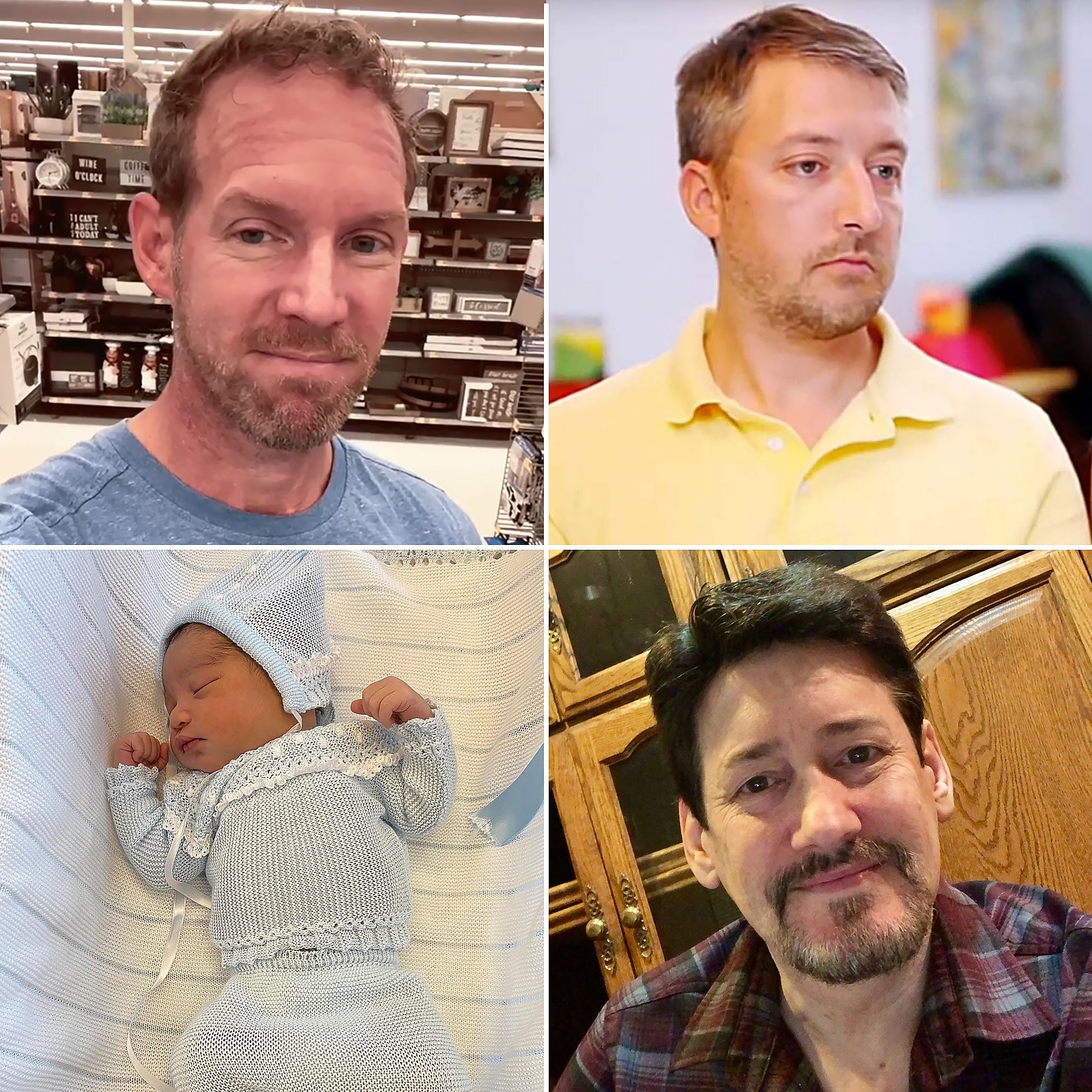
Aziza Eloshway (née Russian native Aziza) became one of reality television’s most debated figures after appearing on Season 1 of TLC’s 90 Day Fiancé in 2014. Portrayed on camera as emotionally distant, reluctant to engage in intimacy, and suspicious of her intentions, her true story is actually one of the franchise's rare, long-lasting success stories alongside her husband, Mike Eloshway.
How Mike and Aziza Met: The Digital Origins of a Season 1 Pioneer
When 90 Day Fiancé premiered on TLC in 2014, reality television viewers were introduced to a novel concept: American citizens bringing their foreign fiancés to the United States on K-1 nonimmigrant visas, forcing them to marry within 90 days or face deportation. Among the original four couples featured in that inaugural season were Mike Eloshway, a technical support specialist from Cleveland, Ohio, and Aziza, a young woman from Volgograd, Russia.
Unlike many cast members from later seasons who met through international dating agencies, specialized matchmaking services, or social media solicitation, Mike and Aziza connected organically online. In 2013, both were active on an international website designed for language acquisition and cultural exchange. Mike was interested in learning Russian, while Aziza was working on perfecting her English skills.
Their initial interactions were strictly educational and friendly. Over several months of digital exchange, their friendship naturally evolved into a romantic connection. After establishing a strong rapport online, Mike traveled to Russia to meet Aziza in person. The trip confirmed their mutual feelings, prompting them to begin the rigorous federal application process for a K-1 visa so Aziza could move to Ohio.
The K-1 visa process requires extensive documentation establishing that the relationship is bona fide, including evidence of shared communication, photographic proof of meeting in person within the prior two years, financial sponsorship guarantees (Form I-864), and rigorous background checks by the U.S. Department of Homeland Security. By the time Aziza arrived in Cleveland, the couple had already cleared significant legal hurdles, but the television cameras were waiting to capture their final 90-day countdown.
Reality TV Editing vs. Reality: Deconstructing the Season 1 Controversy
During the broadcast of 90 Day Fiancé Season 1, Aziza quickly became a focal point of online criticism and speculation. Television producers crafted a narrative around her that emphasized tension, coldness, and ulterior motives. Viewers witnessed moments where Aziza appeared unwilling to sleep in the same bed as Mike immediately upon her arrival, express physical affection, or eat meals prepared for her.
This depiction led to harsh online commentary, with casual viewers accusing her of using Mike solely to obtain a U.S. Green Card. However, examining the context behind the footage reveals a far more complex reality shaped by television production mechanics, cultural shock, and personal boundaries.
| On-Screen Storyline (TLC Edit) | Documented Reality & Context |
|---|---|
| Aziza was cold, aloof, and refused intimacy with Mike. | She experienced severe camera shyness, self-consciousness, and stress from production. |
| Refused to eat meals on camera, sparking eating disorder rumors. | She suffered from anxiety eating in front of a full camera crew in an unfamiliar setting. |
| Accused of entering a "green card scam" without real affection. | The couple had a genuine online history and remained happily married for over a decade. |
| Constant friction with Mike's family and social circle. | Normal adjustment period exacerbated by line of questioning engineered by producers. |
The Food and Camera Shyness Issue
One of the primary storylines concerning Aziza involved her refusal to eat food on camera. Producers repeatedly highlighted scenes where meals were served, yet Aziza abstained, leading to wild speculation among viewers regarding her health or respect for her hosts.
In post-show interviews and social media clarifications, it was revealed that Aziza's reluctance to eat was driven primarily by extreme anxiety and camera shyness. Being thrust into an unfamiliar country, speaking a second language, and having a multi-person camera crew filming her every move created intense discomfort. Many individuals experience physical stress responses under high-surveillance conditions; for Aziza, sitting in front of bright studio lights and microphones while eating was deeply uncomfortable.
Physical Intimacy and Cultural Boundaries
The broadcast also heavily featured Mike’s frustration regarding physical intimacy. TLC edited episodes to make it appear as though Aziza was withholding affection, creating a dramatic will-they-won't-they dynamic.
In reality, Aziza’s hesitation stemmed from conservative cultural norms, personal boundaries, and the overwhelming adjustment of moving across the globe. Volgograd and Cleveland differ dramatically in lifestyle, climate, and social customs. Arriving in a foreign country under the ticking clock of a federal visa—while living in a new partner's home under constant media recording—naturally created emotional fatigue. Once the cameras were turned off and the artificial pressure of production subsided, the couple established a comfortable, private dynamic.
The 90-Day Deadline and Their Cleveland Wedding
Despite the dramatic framing by show editors, Mike and Aziza demonstrated strong underlying compatibility throughout the filming process. Unlike couples who engaged in screaming matches or financial disputes, Mike remained patient, supportive, and protective of Aziza’s comfort levels.
As the 90-day window drew to a close in 2014, the couple proceeded with their legal marriage in Ohio. Their ceremony was an intimate affair, focusing on family rather than grand television spectacle. By completing the legal marriage within the mandated timeframe, Aziza successfully transitioned her status from a K-1 visa holder to an applicant for Conditional Permanent Residency (Form I-485).
The smooth legal transition highlighted what casual television viewers missed: the federal government had thoroughly vetted their relationship before filming ever began, and their commitment was grounded in genuine mutual respect rather than reality-show sensationalism.
Life After TLC: Building a Family and Navigating Privacy
Following the completion of Season 1, Mike and Aziza made a deliberate choice that separated them from many future stars of the franchise: they largely stepped away from the reality television spotlight.
While later seasons of 90 Day Fiancé saw cast members leveraging their fame for spinoff appearances (Happily Ever After?, The Single Life), sponsored social media posts, and public feuds, Mike and Aziza prioritized personal stability and privacy in Ohio. Mike continued his career in technical support and information technology, while Aziza focused on settling into her new home, pursuing her interests, and building a domestic life.
Welcoming Their Daughter
The ultimate testament to the genuine nature of their relationship came years after their television debut. In 2018, the couple announced that they were expecting their first child. In early 2019, Aziza gave birth to a healthy daughter named Olivia Joan Eloshway.
The addition of Olivia to their family brought widespread congratulations from longtime fans of the show who had supported the couple since 2014. Photos shared by the couple online showed a happy, quiet suburban family life—far removed from the high-stress, edited drama presented on TLC five years earlier.
- 2013: Met Online
- Language Exchange
- 2014: TLC Season 1
- K-1 Visa & Marriage
- 2015-2018: Post-Show
- Private Life in Ohio
- 2019: Family Growth
- Birth of Daughter
- Present Stability
- Over 10 Years Married
Why the Eloshways Stand Out in 90 Day Fiancé History
Looking back across more than a decade of 90 Day Fiancé iterations, spinoffs, and international variants, Mike and Aziza Eloshway occupy a unique position in reality television history.
- Pioneers of the Franchise: As part of Season 1, they helped establish the foundational format of the show before it became heavily reliant on hyper-dramatized, influencer-seeking personalities.
- Subverting the "Green Card Scam" Trope: Aziza was among the first foreign cast members to be labeled a potential opportunist by skeptical audiences, only to prove over a decade of marriage that the skepticism was entirely unearned.
- Mastery of Post-Show Privacy: They recognized that long-term marital success often requires distancing oneself from continuous public scrutiny and reality television producer manipulation.
While early seasons focused heavily on cultural friction and real legal processes, later seasons expanded into sensationalized storylines. The sustained success of Mike and Aziza serves as a reminder that the original premise of the K-1 visa program—connecting genuine international couples—can work despite the artificial stress imposed by media crews.
Frequently Asked Questions About Aziza Eloshway
Are Mike and Aziza Eloshway still together?
Yes, Mike and Aziza Eloshway remain married. After tying the knot in 2014 during the first season of TLC’s 90 Day Fiancé, they built a lasting marriage in Ohio, celebrating over a decade together.
Why did Aziza refuse to eat on camera during 90 Day Fiancé?
Aziza later clarified that her refusal to eat while being filmed was due to extreme anxiety and camera shyness. The overwhelming experience of moving to a new country and being surrounded by a film crew caused physical distress, making eating on camera deeply uncomfortable.
Do Mike and Aziza have children?
Yes. The couple welcomed their first child, a daughter named Olivia Joan Eloshway, in early 2019. They frequently share glimpses of their family life through quiet, low-profile social media updates.
What season of 90 Day Fiancé were Mike and Aziza on?
Mike and Aziza appeared on Season 1 of 90 Day Fiancé, which originally aired on TLC in early 2014. They were part of the inaugural cast alongside couples like Russ and Paola, Alan and Kirlyam, and Louis and Aya.
Where do Mike and Aziza live today?
Mike and Aziza live in the greater Cleveland, Ohio area, where they have maintained a private, stable life away from reality television cameras since their appearance on Season 1 concluded.
Key Lessons for Audiences Evaluating Reality TV Narratives
The story of Aziza Eloshway illustrates the critical distinction between reality television storylines and actual lived experience. When watching unscripted television shows focused on international relationships or complex legal processes, viewers should keep several analytical principles in mind:
- Recognize Selective Editing: Reality television editors slice hundreds of hours of footage into short, dramatic segments. Silence, hesitation, or fatigue can easily be edited to look like hostility or deception.
- Understand Cultural Stress: Immigrating to a new country under a K-1 visa involves severe jet lag, language barriers, legal anxiety, and separation from family support networks. These factors naturally influence a person's demeanor on camera.
- Evaluate Long-Term Outcomes Over On-Screen Drama: The true measure of an international couple's relationship is not how they perform during a high-stress television shoot, but how their partnership endures when the cameras are turned off.
By choosing privacy over continuous fame, Mike and Aziza Eloshway demonstrated that the most compelling outcome of a 90-day visa journey is not television notoriety, but a quiet, enduring real-world family life.