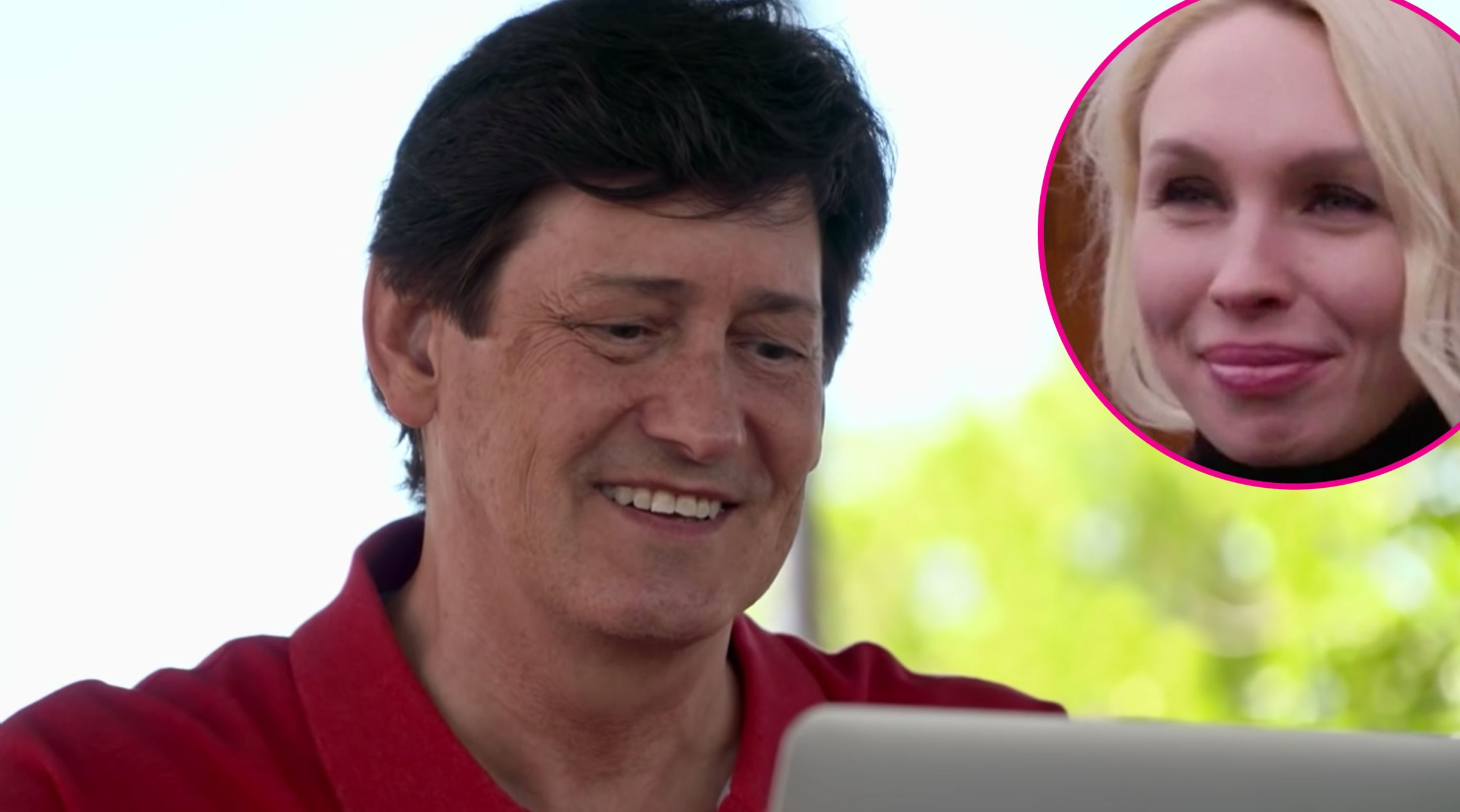
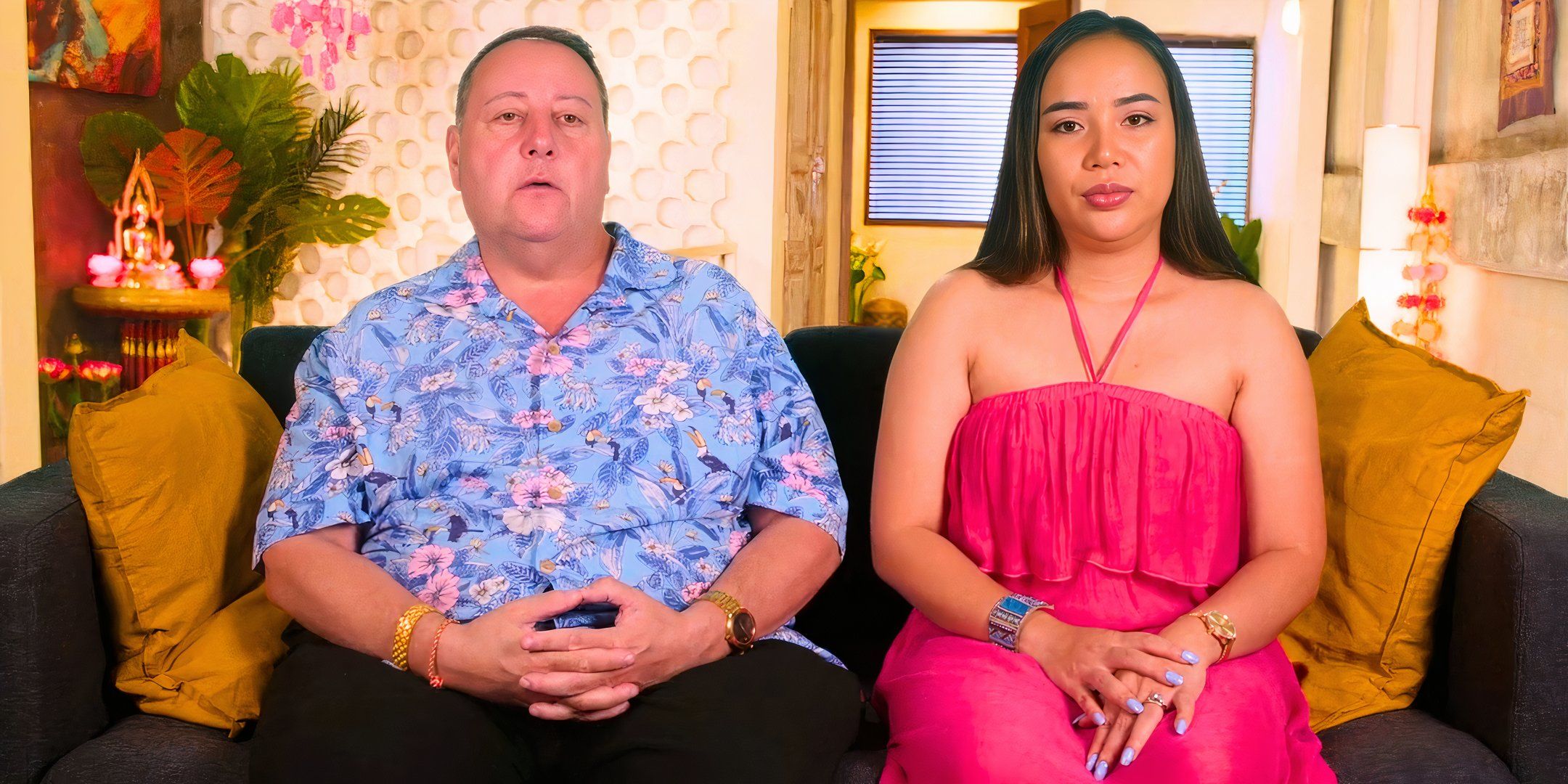
David Murphey and Svetlana "Lana" from TLC's 90 Day Fiancé: Before the 90 Days Season 4 were never in a genuine, long-term romantic relationship. After seven years of communicating exclusively through a pay-per-message dating platform and four canceled meetups, Lana met David in Ukraine and accepted a televised engagement. However, post-show disclosures confirmed the proposal was staged for cameras, and Lana had no intention of relocating to the United States.
The Backstory: Seven Years, $100,000, and Four Stand-Ups
The story of David Murphey, a computer systems analyst from Las Vegas, Nevada, and Lana, a younger woman from Ukraine, became one of the most talked-about storylines in the history of the 90 Day Fiancé franchise. When viewers were first introduced to David on Season 4 of Before the 90 Days (which originally aired in 2020), he revealed that he had been communicating with Lana online for over seven years.
What immediately alarmed viewers and relationship experts alike was the medium and financial cost of their communication. David did not message Lana via free social media platforms, standard messaging apps, or direct email. Instead, he used specialized international dating portals—primarily pay-per-message websites such as Victoria Dates and AnastasiaDate. On these platforms, users buy credits to send text messages, view photos, translate letters, and open video clips. Over the course of their seven-year interaction, David disclosed that he had spent over $100,000 on credits just to communicate with Lana and other Ukrainian women on these platforms.
Adding to the skepticism was David’s history of attempting to meet Lana in person. Prior to filming Season 4, David had traveled to Ukraine four separate times to meet her face-to-face. On every single occasion, Lana backed out at the last minute, providing various excuses ranging from sudden medical emergencies and family obligations to work commitments. Despite these consistent cancellations, David remained convinced that Lana was his soulmate and that their connection was authentic.
The Season 4 Quest: The Private Investigator and the Kyiv Park Meeting
Determined to secure a future with Lana, David booked a fifth trip to Ukraine during Season 4, accompanied by a TLC camera crew. Once again, initial attempts to meet proved disastrous. Lana failed to show up at a train station where David was waiting, and she subsequently missed a scheduled reservation at a restaurant.
Frustrated by the repeated ghosting, David took the unusual step of hiring a private investigator in Ukraine named Sergey to track Lana down. The findings of the investigation were sobering:
- Multiple Profiles: Sergey discovered that Lana was actively using multiple online dating websites under different names and photos.
- Active Engagement: She was actively communicating with dozens of other foreign men simultaneously on these paid platforms.
- Commercial Operation: The investigator concluded that Lana was participating in an agency-driven enterprise designed to keep foreign men spending money on chat credits.
When presented with this evidence, David vehemently rejected the investigator's findings, firing Sergey and insisting that the logic was flawed. David decided to drive directly to the small town of Pavlohrad, where he believed Lana resided, and knocked on the door of an apartment address listed in her files. An unfamiliar elderly man answered, revealing he had no idea who Lana was.
Just as viewers and producers concluded that David had been completely catfished by a fictional persona or a stolen photo, the show delivered one of its most unexpected twists. David returned to Kyiv, sent Lana a message asking for one final chance to meet in a local park, and Lana actually showed up.
While her physical existence disproved the theory that her photos were stolen, the body language between the two was noticeably distant. Lana appeared uncomfortable with physical contact, reluctant to hold hands, and hesitant when answering David's questions about her personal life and daily routine.
The Airport Proposal and Operational Red Flags
Despite the obvious awkwardness and lingering tension, David decided to press forward with his original goal. Before boarding his flight back to Las Vegas, he proposed to Lana at the airport, presenting her with a cubic zirconia engagement ring. Lana accepted the proposal, but her reaction was lukewarm at best.
To facilitate direct communication outside of the expensive dating portal, David bought Lana an iPhone and attempted to set up standard messaging accounts. Almost immediately, major operational red flags surfaced:
- Inability to Text Directly: Lana claimed she was unable to text on the smartphone because her long acrylic nails made typing on a touchscreen too difficult.
- Preference for the Paid Portal: She expressed a strong preference for continuing their communication through the dating website rather than personal text apps or video calling software like Skype or WhatsApp.
- App Technical Excuses: Lana repeatedly stated that the phone was malfunctioning, resetting, or failing to receive international messages, effectively forcing David back onto the pay-per-message platform.
Pay-Per-Message Dating Model Architecture
- Foreign Client (David) pays high fees per text/photo to Paid Portal.
- Paid Portal connects to Local Agency.
- Local Agency pays percentage/bonuses to Local Model/User (Lana).
- Result: Direct communication (SMS, WhatsApp) eliminates agency revenue, creating a strong financial disincentive for models to leave the platform.
For industry analysts familiar with foreign romance agency models, Lana's behavior was consistent with standard contract rules. International dating agencies in Eastern Europe often contract local women to create profiles. The agency handles translation services, retains the rights to the profile, and earns significant revenue from every minute a client stays logged into the system. Allowing a client to communicate directly via a free app terminates the agency's revenue stream, which is why participants are incentivized—or contractually obligated—not to exchange personal contact details outside the platform.
What Happened After the Cameras Stopped Rolling?
The truth about David and Lana’s relationship emerged in the months following the broadcast of Season 4. During the 90 Day Fiancé: Before the 90 Days Season 4 Tell All special, filmed remotely in May 2020, David admitted that he and Lana were not currently together. He stated that they were taking a "break" and revealed that they were still communicating through the paid website rather than as a traditionally engaged couple planning a wedding.
Subsequent statements by Lana directly contradicted the romantic narrative presented on television:
- Staged Engagement: In social media Q&A sessions and subsequent franchise updates (including 90 Day Bares All in 2021), Lana revealed that the airport proposal was staged entirely for the show's storyline. She stated that she agreed to meet David primarily because TLC production reached out to her directly and compensated her for participating in filming.
- No K-1 Visa Intentions: Lana clarified that she had never applied for a K-1 fiancé visa, had no interest in moving to Las Vegas, and did not consider David to be her fiancé in real life.
- Continued Dating Site Presence: Lana confirmed that participating on foreign dating sites was a hobby and source of compensation, and that she had no intention of abandoning her profiles.
By 2022, David appeared on 90 Day Diaries and The Single Life updates, acknowledging that the relationship with Lana was officially over. He announced plans to sell his home in Las Vegas, travel the country in an RV, and resume dating other women, effectively closing the chapter on his seven-year pursuit of Lana.
Relationship Analysis: On-Screen Portrayal vs. Verified Reality
To understand how the televised relationship differed from actual events, the table below outlines the core aspects of David and Lana’s dynamic as shown on TLC versus the verified realities confirmed post-production.
| Aspect | TLC On-Screen Narrative | Verified Behind-the-Scenes Truth |
|---|---|---|
| Primary Motivation | A long-distance true love story overcoming language and cultural barriers. | A commercial relationship facilitated by a paid agency site, accelerated by TV production payments. |
| Financial Dynamic | David investing funds into a prospective future wife's communication expenses. | David funding a pay-per-message revenue model where third-party agencies profit off message duration. |
| The In-Person Meeting | A miraculous romantic breakthrough after seven years of digital romance. | A production-coordinated appearance arranged after producers made direct contact with Lana. |
| The Engagement | A genuine marriage proposal accepted by a loving partner. | A staged scene created for the Season 4 climax; no legal or personal engagement existed post-filming. |
| Post-Show Status | A temporary separation with plans to file for a K-1 visa. | Complete dissolution of contact; Lana confirmed zero intention of relocating to the U.S. |
Understanding Pay-Per-Message International Dating Traps
The case of David and Lana serves as an educational example of how pay-per-message international dating sites operate. For individuals exploring international online dating, understanding the mechanics of these platforms is essential to avoiding severe financial and emotional losses.
How Agency-Mediated Dating Sites Operate
- Third-Party Translators: Many platforms employ local translators who write and reply to messages on behalf of the female participants. The subscriber may believe they are messaging one person, while actually communicating with staff members trained to keep conversations going.
- Pay-per-Action Monetization: Users pay separately for every text message, photo view, minute of video stream, and virtual gift sent through the portal. Costs can escalate to thousands of dollars per month.
- Non-Circumvention Policies: Agencies prohibit models from providing personal phone numbers, email addresses, or social media handles. If a model shares external contact info, she risks termination from the platform.
- Scripted In-Person Encounters: When high-spending clients travel overseas, agencies sometimes arrange brief, supervised meetings to retain the client's business, creating just enough hope to encourage continued spending upon their return home.
How to Verify Authenticity in Online Relationships
If you are communicating with someone online—especially across international borders—you can use several concrete verification steps to ensure the relationship is legitimate before investing significant time or capital.
Step 1: Demand Direct, Free Communication Channels
Insist on moving the conversation off any pay-per-message platform within the first two weeks. Use free, encrypted applications such as WhatsApp, Signal, or Telegram. If the individual insists on staying exclusively on a site that charges per message, end the communication immediately.
Step 2: Conduct Immediate Video Calls
Routinely schedule live video calls using platforms like Zoom, FaceTime, or WhatsApp. Pay attention to the following indicators:
- Refusal to Call: Excuses regarding broken cameras, poor internet, or strict cultural rules are common red flags.
- Mismatched Audio/Visuals: Watch for pre-recorded video loops or audio delays that indicate a third party is manipulating the video stream.
Step 3: Execute Reverse Image Searches
Take profile pictures and run them through reverse image search engines like Google Lens, TinEye, or Yandex. This check will determine if the photos belong to a professional model, an influencer, or appear under dozens of different names across various websites.
Step 4: Never Send Money or Credits
Do not send funds, purchase site credits, buy expensive electronics, or wire money to individuals you have not spent substantial time with in person. Legitimate romantic partners will not require financial transactions as a prerequisite for digital communication.
Frequently Asked Questions
Are David Murphey and Lana still together today?
No. David Murphey and Lana are not together. The relationship officially ended shortly after Season 4 of 90 Day Fiancé: Before the 90 Days finished filming in 2020. Both individuals have since confirmed they have moved on and are no longer in contact.
Did David really spend over $100,000 on Lana?
Yes. David publicly confirmed during his time on the show that he spent upwards of $100,000 over a seven-year period on credit-based Ukrainian dating websites. This money was paid directly to the dating platforms for messaging privileges, translation features, and site-based gifts, rather than given directly to Lana as cash.
Was Lana a real person or a hired actress?
Lana is a real person named Svetlana, residing in Ukraine. However, her involvement in David's life was mediated through a dating agency contract. While she was not a professional screen actress hired by TLC prior to casting, her appearance on the show was arranged by producers, and her romantic interest in David was amplified for television.
Why couldn't Lana text David directly on the iPhone he bought her?
Lana claimed that her long acrylic nails made typing on a smartphone screen difficult and that the device experienced technical glitches. In reality, communicating outside the pay-per-message platform violated agency practices and removed the financial incentive associated with site-based messaging.
Where is David Murphey now?
Following his appearance on 90 Day Fiancé, David retired from his career as a computer systems analyst, sold his Las Vegas home, purchased an RV to travel around the United States, and appeared on spin-off series including 90 Day Diaries while pursuing new personal and lifestyle goals.
Evaluating Virtual Relationships: Recommended Next Steps
If you are currently evaluating an online or international relationship and want to protect yourself from fake profiles or pay-per-message operations, take these practical steps immediately:
- Audit Your Spending: Total all expenses associated with site subscriptions, chat credits, and digital gifts. If communication requires ongoing pay-per-minute transactions, treat the service as entertainment rather than a genuine dating environment.
- Set a Hard Deadline for In-Person Encounters: Establish a reasonable timeframe (e.g., three to six months) to meet in a neutral, safe public location. If your partner repeatedly cancels or invents emergencies prior to scheduled visits, discontinue the relationship.
- Verify Documentation and Social Footprints: Look for consistent, multi-year social media profiles on non-dating platforms (like Facebook, Instagram, or LinkedIn) with organic interactions from verified friends and family members. A complete lack of an organic digital footprint outside of dating portals is a primary warning sign of a commercial profile.