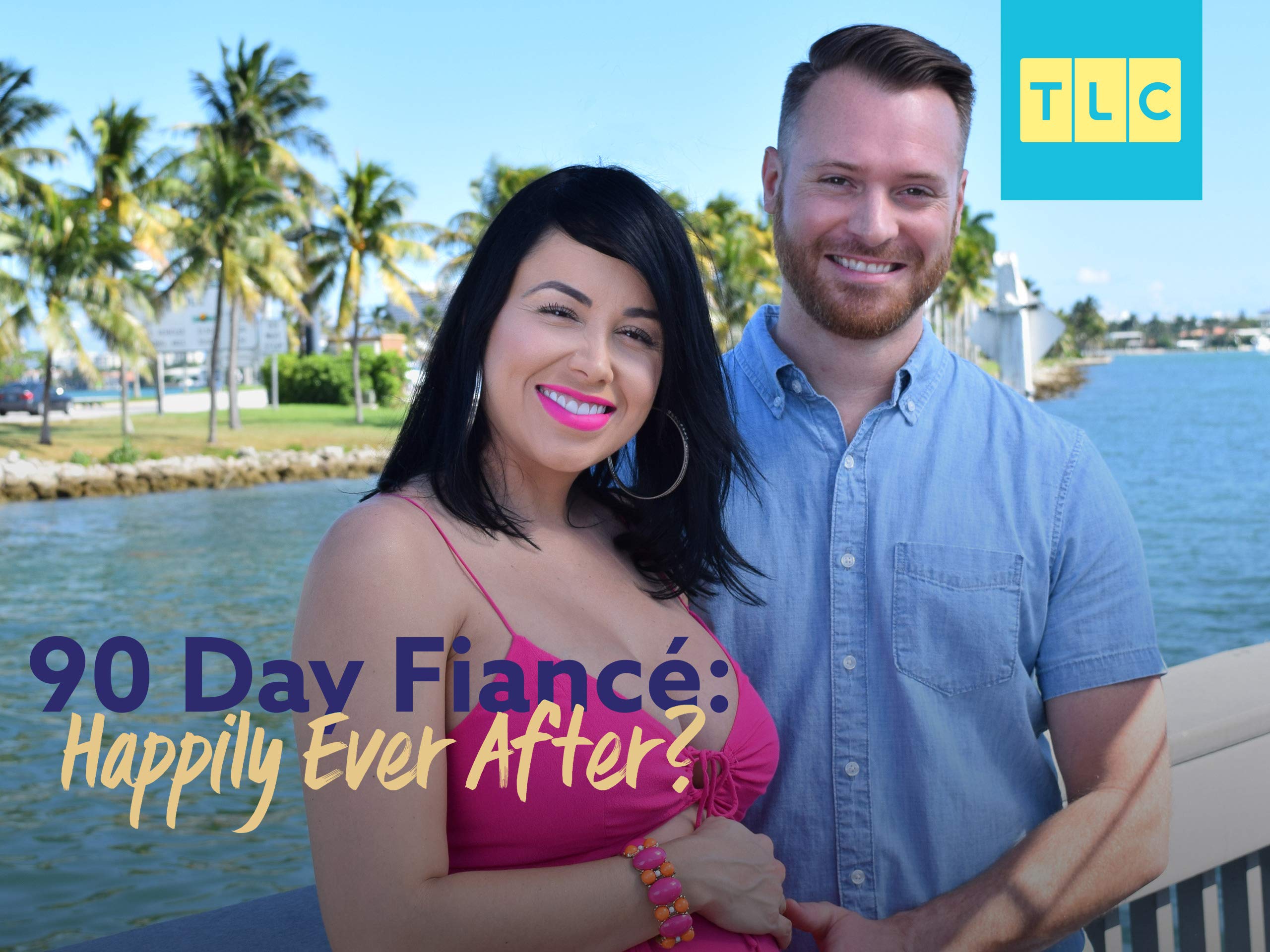
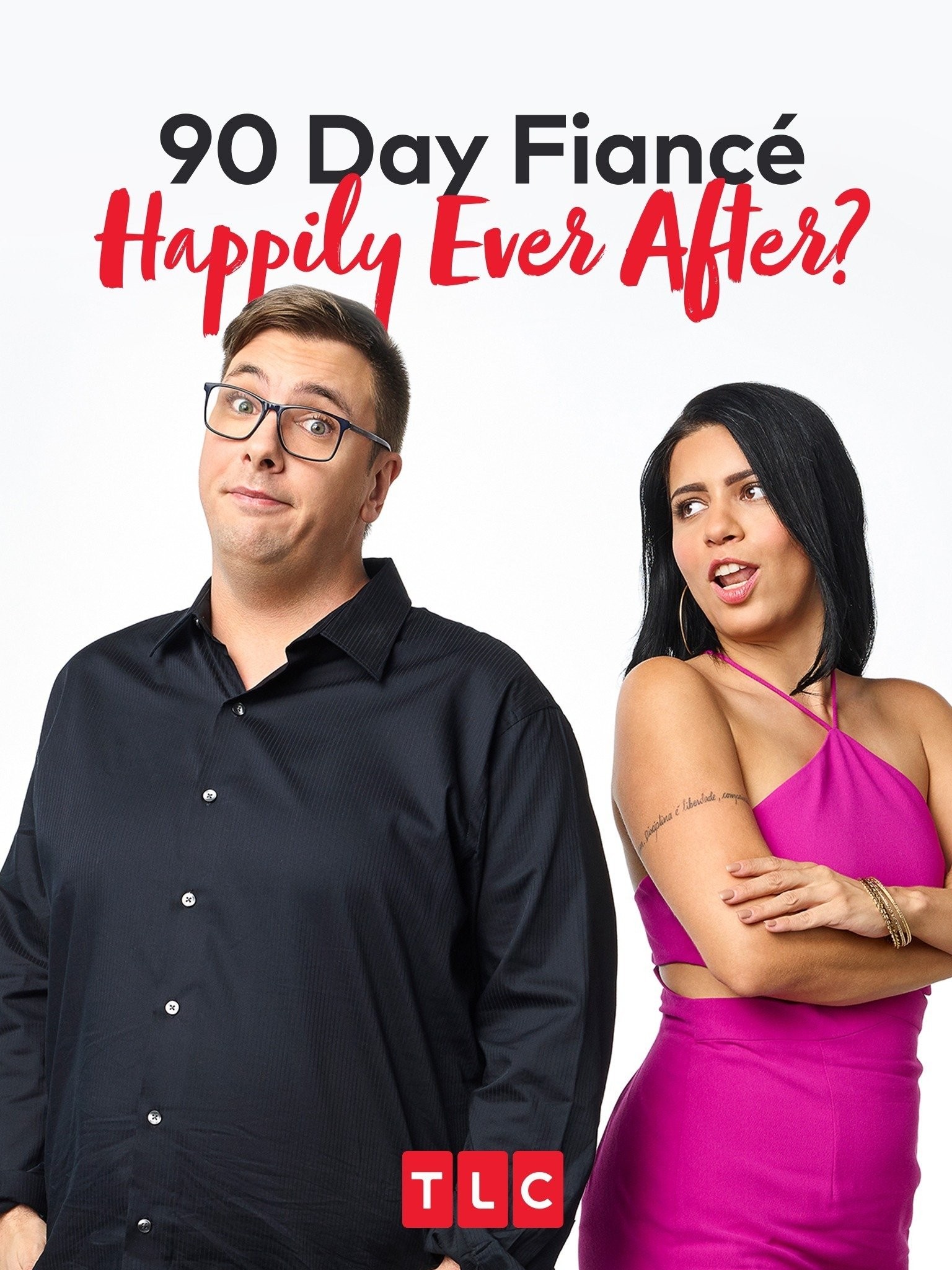
90 Day Fiancé: Happily Ever After? is TLC’s primary spin-off reality television series that follows international couples after their 90-day K-1 visa period ends and they tie the knot. The series examines how cross-cultural marriages survive complex green card processing, financial pressures, extended family friction, and long-term residency adjustments in the United States.
What Is 90 Day Fiancé: Happily Ever After?
Launched in 2016 by TLC and production company Sharp Entertainment, 90 Day Fiancé: Happily Ever After? serves as the official narrative sequel to the original 90 Day Fiancé series. While the flagship show focuses on the high-stakes, 90-day countdown required by the U.S. K-1 nonimmigrant visa program, Happily Ever After? shifts the spotlight to what happens after the wedding ceremony.
The title intentionally includes a question mark, reflecting the core tension of the program: whether these rapid international unions can sustain long-term marital success. The show shifts away from romantic wedding prep and focuses instead on the bureaucratic, domestic, and emotional realities of early marriage. Couples who appeared on early seasons of 90 Day Fiancé return to share their ongoing lives, revealing whether their initial decisions to marry resulted in lasting stability or eventual separation.
For the foreign spouses, wedding the American citizen is only the first step toward permanent legal residency. Under U.S. immigration policy governed by U.S. Citizenship and Immigration Services (USCIS), newlyweds must navigate the adjustment of status process to secure a conditional green card, followed by the removal of conditions two years later. Happily Ever After? documents these legal milestones alongside personal disputes, career changes, relocation attempts, and the struggles of integrating into an unfamiliar culture.
How Happily Ever After? Fits Into the 90 Day Universe
The 90 Day Fiancé franchise has expanded into a complex television ecosystem comprising dozens of spin-offs, companion programs, and international adaptations. Understanding where Happily Ever After? sits within this network is essential for viewers following specific couple arcs.
The franchise follows a chronological pipeline tracking couples through different stages of their romantic and legal journeys:
- Before the 90 Days: Tracks long-distance couples before applying for a visa, focusing on initial in-person meetings abroad.
- The Other Way: Follows American citizens who choose to move to their foreign partner's home country rather than bringing them to the United States.
- 90 Day Fiancé (Flagship): Documents the arrival of the foreign partner in America on a K-1 visa and their mandatory 90-day journey to the altar.
- Happily Ever After?: Chronicles married life post-wedding, legal residency adjustments, long-term employment challenges, and ongoing family dynamics.
- The Single Life: Captures cast members who experienced breakups or divorces during previous iterations as they re-enter the dating market.
Comparing Key 90 Day Fiancé Franchise Series
| Series Title | Relationship Stage Focus | Primary Legal/Logistical Mechanism | Location Setting | Typical Season Structure |
|---|---|---|---|---|
| 90 Day Fiancé | Engagement to Marriage | K-1 Nonimmigrant Visa (90-day limit) | United States | 10 to 14 Episodes + Tell All |
| Before the 90 Days | Dating / First In-Person Visit | Tourist Visas / International Travel | Foreign Host Country | 12 to 16 Episodes + Tell All |
| The Other Way | Relocation / Marriage Abroad | Foreign Residency / Work Visas | Foreign Host Country | 14 to 18 Episodes + Tell All |
| Happily Ever After? | Post-Marriage / Family Life | Adjustment of Status / Green Cards | U.S. & International | 14 to 20 Episodes + Multi-Part Tell All |
| The Single Life | Post-Divorce / New Dating | N/A (Focuses on Personal Dating) | U.S. & International | 10 to 12 Episodes + Tell All |
Core Narrative Themes and Legal Realities Documented in the Series
Unlike initial dating shows where romantic intrigue drives the narrative, Happily Ever After? focuses heavily on institutional, financial, and interpersonal stresses. The series routinely highlights several core themes that impact real-world international marriages.
- K-1 Visa Approval & Wedding
- Adjustment of Status Application (Form I-485)
- Work Authorization (EAD) & Travel Advance Parole Delays
- USCIS Green Card Interview & Removal of Conditions (Form I-751)
- Permanent Legal Residency or Deportation/Divorce Proceedings
1. Immigration Processing and Adjustment of Status
A central conflict across most seasons is the administrative delay involved in filing Form I-485 (Application to Register Permanent Residence or Adjust Status). Foreign spouses are legally restricted from working in the United States or traveling abroad until they receive an Employment Authorization Document (EAD) and Advance Parole travel permission.
This period of forced dependency creates significant financial strain. The American partner must act as the primary financial sponsor under the Form I-864 Affidavit of Support, legally binding them to maintain the foreign spouse at 125% of the federal poverty line—a financial commitment that remains legally enforceable even in the event of divorce.
2. In-Law Dynamics and Cultural Friction
Cross-cultural marriages frequently face resistance from extended family members. The series consistently highlights tensions between foreign spouses and their American in-laws, often fueled by suspicions surrounding the foreign partner's true intentions. Skepticism over whether a marriage is authentic or entered into solely for immigration benefits ("green card hunting") forms a dominant storyline throughout the franchise.
3. Financial Instability and Employment Restrictions
Until work permits are issued, couples must live on a single income, which frequently leads to arguments over living conditions, debt, and spending habits. Once employment authorization is granted, new conflicts emerge regarding career paths, wage disparities, and sending money to family members remaining in the spouse's home country (remittances).
4. Language Barriers and Isolation
Foreign spouses frequently experience homesickness, cultural alienation, and social isolation. Deprived of their traditional support networks, native language environments, and professional identities, foreign partners often become heavily dependent on their American spouses, amplifying routine marital disputes.
Notable Cast Members and Multiseason Storylines
The cast of Happily Ever After? features returning fan favorites, controversial personalities, and recurring couples whose lives have been documented over multiple years.
Long-Running Couple Profiles
- Loren and Alexei Brovarnik: Having met in Israel during a Birthright trip, Loren and Alexei became one of the franchise's most enduring success stories. Their journey on Happily Ever After? focused on Alexei securing his U.S. citizenship, navigating Loren's diagnosis of Tourette syndrome, managing career growth, and raising three young children. Their popularity eventually led to their own self-titled spin-off, Loren & Alexei: After the 90 Days.
- Angela Deem and Michael Ilesanmi: Representing one of the most volatile dynamics in the franchise, American Angela and Nigerian native Michael appeared across multiple seasons of Before the 90 Days, the main series, and Happily Ever After?. Their storyline spanned years of visa delays, joint interviews at the U.S. Embassy in Nigeria, medical procedures, social media disputes, and repeated threats of divorce, capturing the friction generated by extreme age, cultural, and communication gaps.
- Big Ed Brown and Liz Woods: After first appearing on 90 Day: The Single Life, Ed and Liz brought their tumultuous engagement and eventual wedding plans to Happily Ever After?. Their recurring breakups, communication breakdowns, and attempts at couples counseling highlighted the intense scrutiny placed on franchise couples who attempt to build a foundation while continuously filming for reality television.
- Pedro Jimeno and Chantel Everett: Originally featured on Season 4 of 90 Day Fiancé, Chantel (from Atlanta) and Pedro (from the Dominican Republic) faced explosive conflicts involving their respective families. The tension between their relatives was so pronounced that TLC launched a dedicated spin-off, The Family Chantel, which tracked their eventual marriage breakdown and divorce proceedings.
Where to Stream and Watch 90 Day Fiancé: Happily Ever After?
Because the 90 Day Fiancé franchise is owned by Warner Bros. Discovery, access to Happily Ever After? episodes depends on regional broadcast rights, television provider subscriptions, and official streaming platforms.
Subscription Streaming Services
- Max: As Warner Bros. Discovery’s primary streaming hub, Max holds the complete library of 90 Day Fiancé: Happily Ever After? seasons, including extended episodes and companion series like Tell All specials.
- Discovery+: Discovery+ continues to offer all past and present seasons of the series, alongside exclusive bonus content, uncut segments, and commentary shows such as Pillow Talk.
Cable and Live TV Streaming
- TLC Network & TLC GO: Live broadcasts air on the linear TLC cable channel. Cable subscribers can access current seasons on-demand via the TLC GO app using their television provider authentication details.
- Live TV Streaming Packages: Platforms including Philo, Sling TV, YouTube TV, FuboTV, and Hulu + Live TV offer live carriage of TLC, providing both live streaming and cloud DVR functionality for recording new episodes as they air.
Video-on-Demand (VOD) Purchase Options
Individual episodes and full season passes are available for digital purchase without a recurring subscription on platforms such as:
- Amazon Prime Video
- Apple TV
- Google TV / YouTube Movies
- Vudu (Fandango at Home)
Understanding the "Tell All" Reunion Format
Every season of Happily Ever After? concludes with a multi-part studio reunion special known as the Tell All. Hosted by television presenter Shaun Robinson, the Tell All serves as a critical component of the viewer experience, bringing the entire cast together in a single studio setting to confront unresolved disputes.
- Season Episodes Air
- Tell All Taped in NY/LA
- Backstage Uncut Leaks/Airings
- Season Finale Conclusion
Key Elements of the Tell All Specials:
- Unfiltered Cast Confrontations: Couples watch highlights of each other’s seasons and debate actions, secret scenes, and controversial comments made in individual confessional interviews.
- Remote International Appearances: Foreign spouses who are still awaiting visa approvals or who have returned to their home countries join the set via video links, creating unique interview dynamics.
- Backstage Drama: Modern seasons of Happily Ever After? feature cameras operating behind the scenes, capturing cast interactions in green rooms, hallways, and hotel lobbies before and after official taping segments.
- Surprise Guests and Experts: Relatives, private investigators, translators, and immigration attorneys are periodically brought onto the set to clarify legal standing or substantiate claims made during the season.
How to Navigate the 90 Day Universe as a Viewer
Because couples transition across multiple spin-offs, watching Happily Ever After? in isolation can lead to missing context regarding a couple's history. Following a dedicated viewing roadmap enhances understanding of character arcs and recurring arguments.
Recommended Viewing Strategy for New Fans
- Select a Single Couple: Identify a specific couple featured on Happily Ever After? whose backstory sparks your interest (e.g., Angela and Michael, or Loren and Alexei).
- Watch Their Origin Season: Locate the specific season of 90 Day Fiancé or Before the 90 Days where the couple was first introduced. This establishes how they met, their initial visa application, and the original reactions of their family members.
- Transition to Happily Ever After?: Watch their subsequent appearances chronologically through Happily Ever After? to observe how marriage shifted their priorities, financial situation, and legal status.
- Follow Up with Pillow Talk: For a lighter perspective, view corresponding episodes of 90 Day Fiancé: Pillow Talk, where past cast members react to new episodes in real time, offering inside commentary on the authenticity of cast decisions.
Frequently Asked Questions
Is 90 Day Fiancé: Happily Ever After? scripted?
The series is unscripted in terms of spoken dialogue and legal outcomes, but production teams utilize heavy editing, interview prompts, and staged situational setups to heighten drama. Real-world legal documents, visas, and court records confirm that the marriages, divorces, and immigration proceedings shown on the screen are legally binding.
What is the difference between 90 Day Fiancé and Happily Ever After?
The main 90 Day Fiancé series takes place entirely within the 90-day K-1 visa timeline leading up to the couple's wedding. Happily Ever After? begins after the couple is officially married, focusing on long-term residency applications, joint finances, career development, and ongoing married life.
How much do cast members get paid to appear on the show?
While TLC does not publicly disclose precise talent contracts, industry reporting indicates that American cast members earn approximately $1,000 to $1,500 per episode, with slight increases for returning seasons or reunion specials. Foreign spouses cannot be paid directly by production while filming in the United States if they do not yet possess an active U.S. work permit (EAD), though couples often pool their income once authorization is granted.
Can foreign cast members stay in the U.S. if they divorce their American spouse?
It depends on their legal status at the time of divorce. If a foreign spouse divorces before obtaining permanent legal residency (removal of conditions on Form I-751), they risk losing their lawful status and facing deportation unless they qualify for specific USCIS waivers, such as proving the marriage was entered into in good faith or demonstrating severe hardship or battery.
How many seasons of Happily Ever After? are there?
The series has aired multiple seasons continuously since its initial debut in 2016. Because new seasons are produced alongside the flagship series, all previous seasons remain available for streaming on Max and Discovery+.
Strategic Viewing Roadmap for Reality TV Audiences
To get the most out of 90 Day Fiancé: Happily Ever After?, viewers should avoid starting randomly in mid-season episodes without prior context. The most effective approach is to select an established couple and follow their narrative arc from their debut series (Before the 90 Days or 90 Day Fiancé) straight through to their corresponding Happily Ever After? seasons and Tell All specials.
For audiences interested in the real-world mechanics of international relationships, cross-reference the show's storylines with official immigration guidelines provided by the U.S. Department of State and USCIS. This offers valuable perspective on which delays are routine bureaucratic procedure and which conflicts are driven by production editing and personal friction.