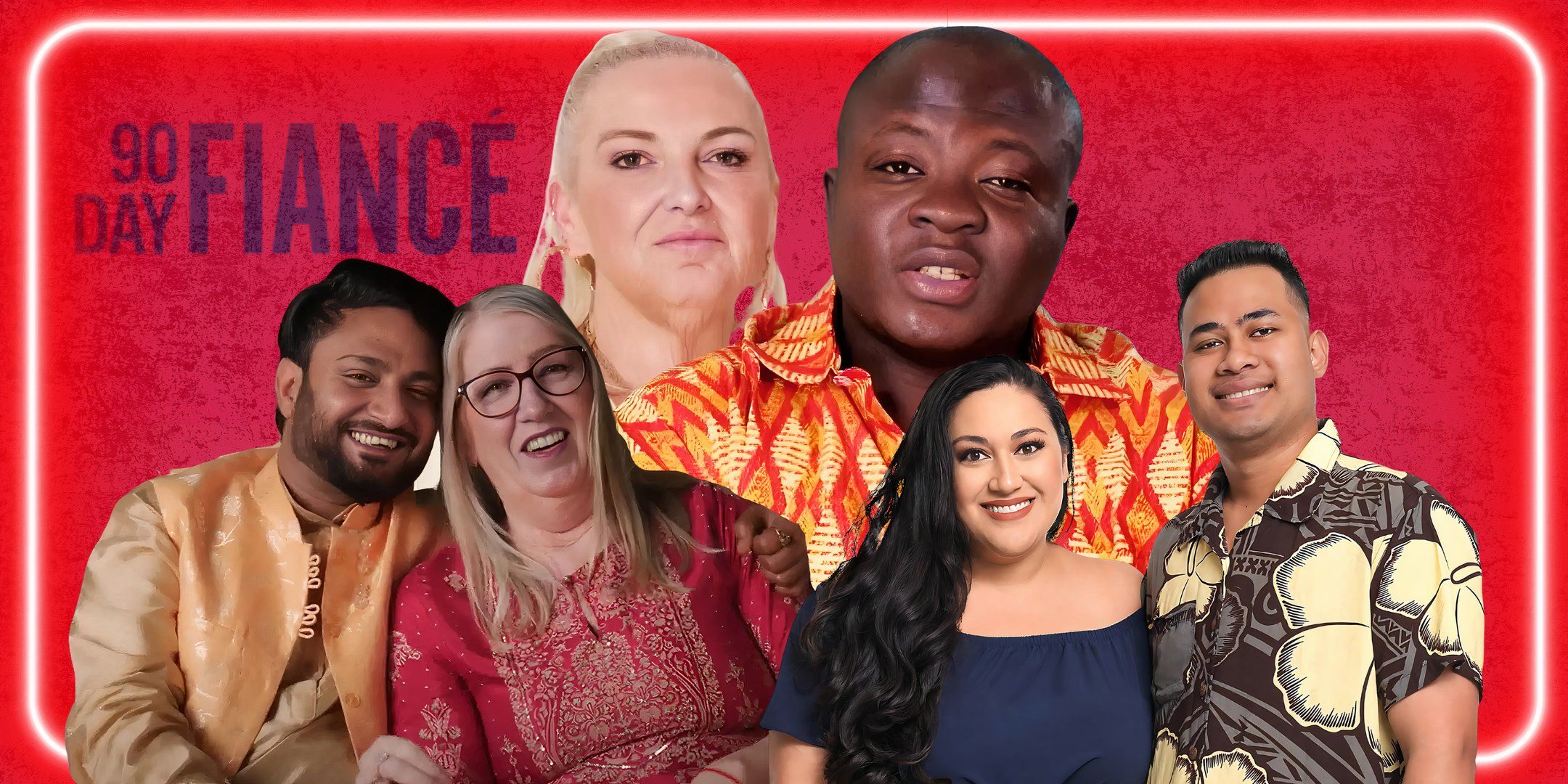
The 90 Day Fiancé cast consists of international couples navigating the U.S. K-1 fiancé visa process, which grants foreign partners 90 days to marry their American sponsors. Produced by Sharp Entertainment for TLC, the franchise selects couples facing genuine legal, cultural, and personal hurdles, offering fans an unfiltered look at cross-border relationships across multiple popular spin-off series.
How Couples Join the 90 Day Fiancé Cast
The casting process for 90 Day Fiancé is managed by Sharp Entertainment, the production company behind the franchise since its debut on TLC in 2014. Unlike traditional dating competition shows where individuals are paired by producers, 90 Day Fiancé requires prospective cast members to already be in an established, real-world international relationship before applying.
To be considered for the flagship series, couples must demonstrate that they have either applied for or received a K-1 nonimmigrant visa. The U.S. Department of State requires K-1 applicants to prove they have met in person at least once within the two years prior to filing their petition (I-129F), unless specific cultural or hardship waivers apply. Production recruiters verify this relationship history by examining airline tickets, joint communication logs, timestamped photos, and official immigration filing receipts.
For couples who have not yet filed for a visa or met in person, production channels them into different franchise entry points:
- Before the 90 Days: Targets couples in international long-distance relationships who are meeting in person for the first time or preparing to propose before beginning the official visa process.
- The Other Way: Focuses on American citizens who choose to move to their foreign partner's home country, reversing the traditional immigration direction and eliminating the U.S. K-1 visa requirement.
- Love in Paradise (Caribbean/International): Selects couples who met while traveling in vacation destinations and are testing whether their romance can survive outside a resort setting.
The casting evaluation involves extensive video interviews, psychological screenings, and background checks. Producers seek couples facing genuine external friction—such as severe cultural differences, language barriers, skeptical family members, or significant age gaps—which provides natural dramatic tension throughout the season.
Cast Compensation and Financial Realities
Public perception often assumes reality television stars earn substantial salaries, but compensation for 90 Day Fiancé cast members is relatively modest compared to major broadcast network reality shows.
Per-Episode Rates and Reunion Bonuses
For the flagship series, American cast members typically earn between $1,000 and $1,500 per episode during their initial season. A standard season consisting of 12 to 14 episodes yields a total base pay of roughly $12,000 to $21,000 per American partner. Participating in the season-ending "Tell All" reunion special usually commands an additional appearance fee ranging from $2,500 to $5,000. Returning cast members who transition to veteran spin-offs like Happily Ever After? negotiate higher rates, with long-standing fan favorites commanding significantly elevated per-episode compensation.
Standard Main Series Compensation Structure (Per American Cast Member)
| Category | Estimated Pay Range (USD) |
|---|---|
| Standard Episode Base Pay | $1,000 - $1,500 per episode |
| Season Total (12-14 Episodes) | $12,000 - $21,000 |
| "Tell All" Reunion Appearance | $2,500 - $5,000 |
| Veteran Spin-off Base Pay | $2,000 - $5,000+ per episode |
Immigration Laws and Foreign Partner Pay
A major legal constraint of the franchise involves foreign cast members filming within the United States. Under U.S. immigration laws, foreign nationals entering the country on a K-1 fiancé visa are legally prohibited from engaging in unauthorized employment on U.S. soil until they receive an Employment Authorization Document (EAD) or a permanent resident card (green card) following their legal marriage.
Because Sharp Entertainment is a U.S.-based entity, paying a foreign national directly for filming completed inside the U.S. without work authorization would violate federal immigration rules. As a result:
- U.S. Filming: Production pays the full per-episode stipend directly to the American citizen spouse. The couple must manage the distribution of funds privately within their household.
- Foreign Filming: When filming occurs overseas (such as during Before the 90 Days or The Other Way), foreign partners can be paid directly, provided the payment complies with local labor laws in their home country.
Contrary to widespread rumors, TLC and Sharp Entertainment do not pay for visa filing fees, legal retainers, international flights, or marital costs for the couples. All immigration costs—including the Form I-129F petition fee, biometrics fees, medical examinations, and adjustment of status paperwork—remain the exclusive financial responsibility of the cast members.
Structuring the Franchise: Spin-Offs and Cast Lifecycles
The expansion of the 90 Day Fiancé universe on TLC and Discovery+ has created a structured ecosystem where cast members move between shows based on the status of their relationship.
| Show Title | Relationship Stage | Primary Casting Criteria | Filming Location | Typical Cast Dynamics |
|---|---|---|---|---|
| 90 Day Fiancé | K-1 Visa Issued / In-Progress | American sponsor + foreign partner within the 90-day window | United States | Wedding planning, adjusting to life in U.S., family friction |
| Before the 90 Days | Pre-Visa / Early Dating | Couples who have not yet applied for a K-1 visa or met in person | International / Global | First-time in-person meetings, proposals, discovering hidden secrets |
| The Other Way | International Relocation | American partner relocating permanently to foreign country | International / Foreign Partner's Country | Culture shock, employment loss for American, local visa rules |
| Happily Ever After? | Married Post-90 Days | Couples from previous seasons who successfully wed | U.S. & International | In-laws conflict, green card interviews, financial stress, child-rearing |
| The Single Life | Post-Divorce / Separated | Former franchise cast members who have ended their relationship | Primarily United States | Re-entering the dating pool, therapy, moving past ex-partners |
When a couple's story resonates with viewers, Sharp Entertainment often re-engages them for commentary roles on Pillow Talk, where former cast members watch and react to current episodes from their homes. This structure allows the network to maintain fan engagement with popular personalities without requiring full documentary production crews.
Iconic Cast Members and Long-Term Relationship Outcomes
Since its inception, hundreds of individuals have appeared across the franchise. While critics often argue that reality television dynamics undermine relationship stability, long-term tracking shows a surprising degree of marriage retention among main-series cast members compared to standard statistical baselines for reality TV dating programs.
Notable Long-Term Successes
- Loren Goldstone and Alexei Brovarnik (Season 3): Met while Loren was on a birthright trip to Israel, where Alexei worked as a medic. After securing his K-1 visa, the couple married in 2015, established a family in Florida, and earned their own spin-off series, Loren & Alexei: After the 90 Days.
- Russ and Paola Mayfield (Season 1): One of the original couples from the inaugural season. Paola moved from Colombia to Oklahoma to be with Russ. Despite career shifts and location moves, they remain one of the foundational couples of the franchise.
- David Toborowsky and Annie Suwan (Season 5): Faced initial extreme financial instability and housing struggles in Kentucky after Annie relocated from Thailand. They built a massive fan following through humor, overcame early hardships, and became fixtures on Pillow Talk.
High-Profile Dissolutions and Career Transitions
Not all couples maintain their marriages. Relationship breakdowns often lead cast members into separate franchise branches or independent media careers:
- Chantel Everett and Pedro Jimeno (Season 4): Their intense family conflicts led to the first dedicated family spin-off, The Family Chantel. After several years of marriage, Pedro filed for divorce, leading both individuals to pursue separate television and social media ventures.
- Darcey Silva: After appearing on multiple seasons of Before the 90 Days with foreign partners Jesse Meester and Tom Brooks, Darcey's popularity led to a dedicated spin-off, Darcey & Stacey, highlighting her business ventures and personal life alongside her twin sister.
Many former cast members leverage their network visibility to build independent income streams post-filming. Creator platforms like Cameo, personal YouTube channels, brand sponsorships, and subscription-based content platforms frequently become the primary source of revenue for prominent alumni.
Vetting Procedures, Non-Disclosure Agreements, and Production Ethics
As the popularity of 90 Day Fiancé grew, public scrutiny of the cast increased. Sharp Entertainment enforces strict contractual conditions and vetting procedures to manage editorial control and protect production integrity.
Non-Disclosure Agreements (NDAs)
Cast members sign comprehensive Non-Disclosure Agreements (NDAs) that prohibit them from revealing their relationship status, legal developments, or storyline outcomes prior to the broadcast of a season finale or reunion special. Violating these contracts can result in heavy financial penalties, withholding of appearance fees, or termination from future network projects. This requirement often forces cast members to keep social media activity carefully curated or completely frozen while their season is airing.
Background Checks and Cast Vetting
Background screening protocols evaluate potential legal records, prior marriages, and social media histories. Over the history of the show, production has faced criticism when unvetted past actions, controversial online postings, or criminal records of cast members surfaced after episodes were filmed. In instances where past misconduct or offensive public behavior comes to light, TLC and Sharp Entertainment have historically edited cast members out of remaining episodes, uninvited them from Tell All tapings, or severed future casting ties entirely.
How to Track Authentic Cast Updates and News
Because social media algorithm updates and entertainment blogs frequently publish speculative content regarding cast statuses, fans seeking accurate information should rely on verified sources:
- Official TLC Broadcasts and Press Releases: Major life milestones, official spin-off castings, and premiere dates are formally announced via Warner Bros. Discovery press communications.
- Public Court and Immigration Records: Legal actions such as marriage certificates, divorce petitions, and criminal filings are matters of public record in the counties where cast members reside.
- Verified Personal Social Media Accounts: Many cast members update their personal Instagram, TikTok, or YouTube channels directly. Look for blue verification badges and beware of fan-operated parody accounts.
- Reputable Entertainment Trade Outlets: Outlets covering television production adhere to journalistic standards and confirm legal developments directly with network representatives before reporting.
Frequently Asked Questions About the 90 Day Fiancé Cast
How much are 90 Day Fiancé cast members paid per season?
First-time American cast members on the main series typically make between $1,000 and $1,500 per episode, plus a bonus of approximately $2,500 to $5,000 for attending the "Tell All" reunion. Returning couples on veteran spin-offs can negotiate significantly higher rates based on their popularity and tenure.
Why are foreign cast members not paid directly while filming in the United States?
Under federal immigration laws, foreign nationals holding a K-1 visa cannot legally work in the U.S. until they receive an Employment Authorization Document (EAD) or green card post-marriage. Paying a foreign fiancé directly for U.S.-based filming would violate work authorization laws, so production pays the American partner directly.
Does production pay for visa fees or legal expenses for the couples?
No. TLC and Sharp Entertainment do not pay for any immigration-related expenses. Cast members must pay for their own attorney fees, filing petitions, medical exams, travel, and wedding expenses.
What happens to a foreign cast member's visa status if the couple breaks up before marrying?
If the couple does not marry within the designated 90-day period, the K-1 visa expires. The foreign partner loses their legal status in the U.S. and must leave the country. They cannot extend the 90-day window or adjust status through a different sponsor without returning to their home country.
How can an international couple apply to be on the 90 Day Fiancé cast?
Couples can apply through Sharp Entertainment's official casting portal or respond to active casting calls listed on TLC's official website. Applicants must submit video introductions, background details, and evidence of an ongoing cross-border relationship and visa application status.
Navigating 90 Day Fiancé Media Coverage and Fan Engagement
For viewers following the 90 Day Fiancé cast, understanding the operational and legal constraints behind the show provides vital context to what appears on screen. The delay between filming and broadcasting—often ranging from six months to over a year—means that real-life relationships have frequently evolved long before an episode airs.
When engaging with cast content online:
- Cross-reference social media claims with public records or network statements before accepting breakup or marriage rumors.
- Recognize that cast members operate under strict non-disclosure contracts, which may prevent them from directly addressing active storylines.
- Respect personal boundaries on public social channels, as cast members manage real-world visa and family transitions alongside their reality television roles.