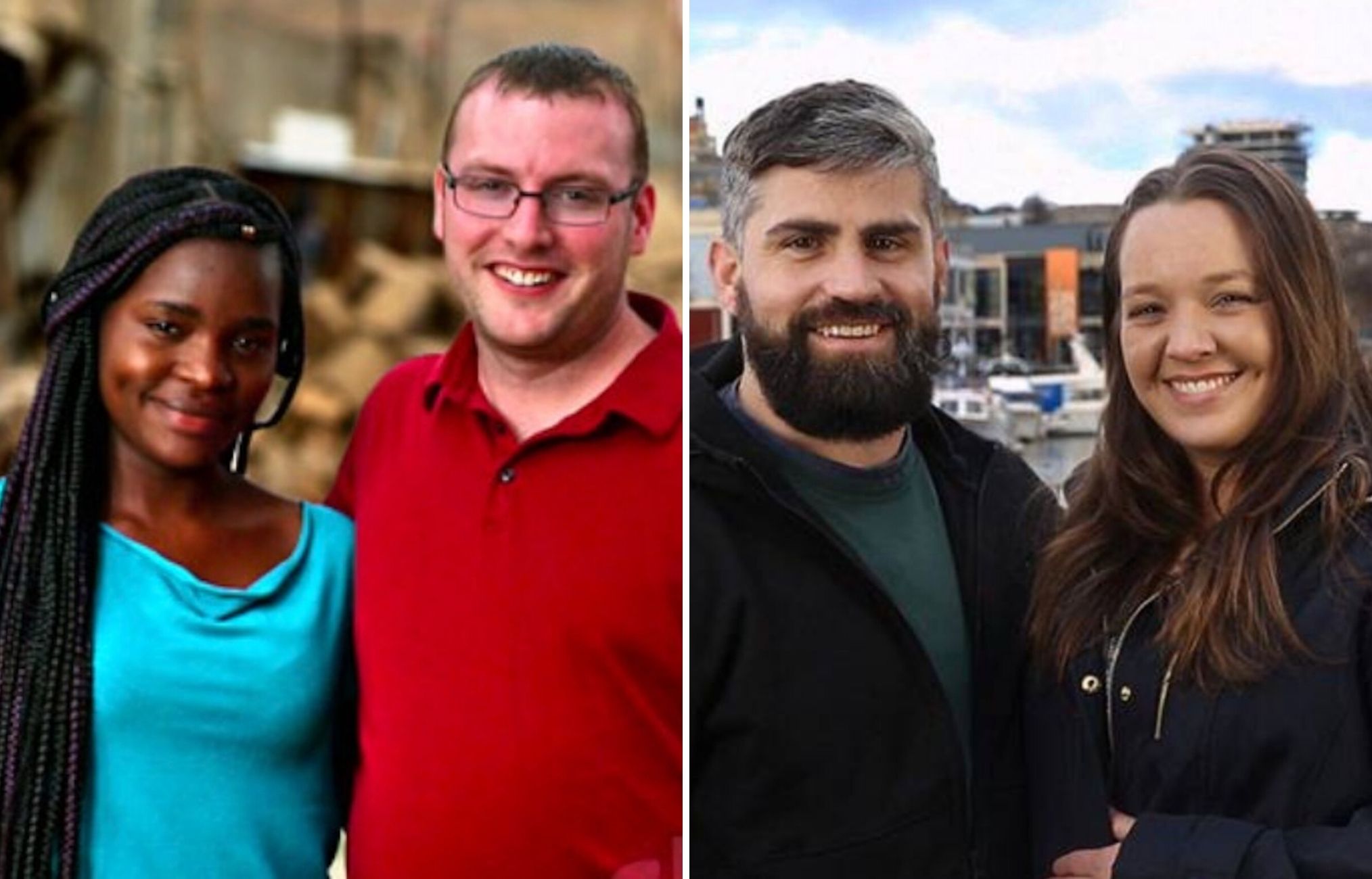
90 Day Fiancé: Before the 90 Days follows long-distance couples who have built relationships online but have never met in person—or have spent very little time together. The series captures their initial face-to-face encounters, international travel, cross-cultural clashes, and emotional hurdles before they officially apply for the U.S. K-1 fiancé visa.
The Core Premise: Before the K-1 Visa Begins
While the flagship series 90 Day Fiancé focuses on foreign partners arriving in the United States on an approved K-1 visa with a strict 90-day window to marry, Before the 90 Days documents the volatile precursor stage. In this phase, one partner—usually the American citizen—travels to their foreign partner's home country to establish whether an online connection can survive real-world contact.
- Online Relationship
- First In-Person Meeting
- Cultural & Family Integration
- Proposal / Visa Decision
The fundamental question driving every cast member's arc is simple yet heavy: Is this connection real, or is it an illusion built on text messages, video calls, and idealization? Because the couples have not yet entered the federal immigration pipeline, the stakes involve raw emotional risk, personal financial commitments, and high-pressure face-to-face evaluation.
Cast members navigate starkly different environments, ranging from bustling international metropolises to remote rural villages. This setting forces participants to adapt to local customs, living conditions, and family structures while evaluating potential long-term marital compatibility.
The Casting and Pre-Production Phase
The journey into Before the 90 Days begins long before camera crews land at international airports. Producers recruit participants through public casting calls, social media outreach, and direct submissions from long-distance couples seeking to share their stories.
vetting and Background Assessment
Before filming receives the green light, production teams evaluate the couple's relationship history, digital footprint, and communication logs. Key criteria examined during pre-production include:
- Relationship Longevity: How long the couple has communicated online and the frequency of their interactions.
- Verification of Unmet Status: Establishing that the couple has either never met face-to-face or has spent minimal time together in person.
- Logistical Feasibility: Ensuring international travel permits, passports, and entry visas are secured for filming locations.
- Compelling Narrative Dynamics: Identifying central points of friction, such as significant age gaps, language barriers, religious differences, or secretive backgrounds.
Psychological and Emotional Preparation
Participating in an international reality television production imposes severe stress on couples. Cast members must adjust to camera crews documenting vulnerable, unscripted moments—including initial airport arrivals, intimate conversations, arguments, and interactions with skeptical local family members. Former participants frequently note that the presence of producers and cameras accelerates relationship milestones, forcing couples to address difficult topics much faster than they might in private life.
Navigating the First In-Person Meeting and Cultural Integration
The emotional peak of almost every season occurs during the initial face-to-face meeting. Months or years of digital intimacy are put to the test within seconds of meeting at airport arrivals or hotel lobbies.
- Physical Chemistry
- Language & Communication
- Family Skepticism
- Financial Realities
Physical Chemistry and Awkward Realities
Digital romance allows individuals to curate their best qualities through edited photos and scheduled video chats. In person, sensory realities take over. Differences in height, body language, personal hygiene, and non-verbal cues can build immediate chemistry or create instant awkwardness. Cast journeys often reveal how quickly initial excitement can dissolve when physical affection feels unearned or unnatural.
Overcoming Language Barriers
Many couples on Before the 90 Days speak different native languages and rely heavily on mobile translation applications. While translation apps suffice for basic text messages, they frequently fail during complex emotional discussions, leading to misunderstandings, comical errors, or deep frustration. Relationships that thrive on app-translated messages often struggle when forced to address serious subjects like financial expectations, family roles, and marital prenuptial agreements.
Facing Skeptical Families and Local Customs
A recurring friction point in the cast journey involves meeting the foreign partner's family and community. American cast members are frequently met with deep skepticism from parents and relatives who worry about:
- Intentions and Sincerity: Whether the American partner is genuinely committed or taking advantage of economic imbalances.
- Cultural and Religious Conformity: Demands that the visiting partner conform to traditional gender roles, religious conversion, or strict courtship customs.
- Financial Expectations: Misconceptions regarding American wealth, leading to uncomfortable conversations about dowries, family support, or financial sponsorship.
Filming Dynamics and Production Realities
The reality of creating a major cable television show introduces unique pressures that shape the cast's emotional journey. Filming schedules are intense, often requiring 10 to 14 hours of shooting per day across multiple weeks.
The Role of Producer Interviews and Storytelling
Field producers guide the narrative by conducting long interview sessions (confessionals) where cast members unpack their feelings. These interviews force participants to articulate doubts and insecurities they might otherwise keep to themselves. When cast members return to their partner after a grueling confessional session, lingering emotional tension frequently spills over into on-camera conflicts.
Managing Privacy in Public Spaces
Filming international travel means navigating public crowds, local permits, and ambient noise. Scenes shot in open-air markets, public beaches, or crowded family homes carry logistical hurdles that can heightening stress for cast members unaccustomed to public scrutiny.
The K-1 Visa Decision Point: Moving from Fantasy to Reality
As the filming trip nears its end, the American partner must decide whether to propose and begin the official U.S. citizenship and immigration process. This decision transitions the relationship from romantic exploration to serious legal obligation.
- In-Person Visit Ends
- Proposal Accepted
- File I-129F Petition (K-1 Visa)
- Wait for Embassy Approval
- Relationship Ends
- Return Home Single
- Post-Show Recovery
- Proposal Accepted
Understanding the Legal Commitments
Applying for a K-1 fiancé visa requires the American citizen to file Form I-129F (Petition for Alien Fiancé) with U.S. Citizenship and Immigration Services (USCIS). To qualify, the couple must prove:
- They have met in person at least once within the two years preceding the petition filing.
- Both parties are legally free to marry.
- They intend to marry within 90 days of the foreign partner entering the United States.
- The American petitioner meets specific financial sponsorship thresholds (Form I-864/I-134 affidavit of support).
The financial obligation is significant: the U.S. sponsor legally commits to supporting the foreign spouse financially, preventing them from relying on public benefits. On Before the 90 Days, this legal burden often becomes a major source of tension, as American cast members realize the lifelong financial commitments attached to sponsorship.
The Tell-All Reunion and Post-Show Media Landscape
The cast journey does not conclude when filming wraps in the foreign country. Months after returning home, the entire cast gathers for the Tell-All reunion special, usually filmed in a studio setting in New York City.
Facing the Unfiltered Footage and Castmates
During the Tell-All, participants watch key scenes from the season alongside their fellow cast members, host Shaun Robinson, and studio audiences. This setting exposes:
- Secret Confessionals: Cast members discover what their partners said behind their backs during filming.
- Hidden Past Relationship Details: Revelations about undisclosed exes, financial debts, or hidden children emerge under direct questioning.
- Peer Evaluation: Fellow cast members offer candid critiques of each couple's dynamics, often sparking dramatic debates.
Navigating Public Scrutiny and Social Media Reality
Once episodes air on TLC and streaming platforms, cast members experience immediate public visibility. Fan communities on Reddit, Instagram, and TikTok analyze every episode, leaving cast members exposed to immense online critique. Many participants leverage this visibility into digital careers through platforms like Cameo, OnlyFans, YouTube, and brand endorsements, while others struggle with negative publicity and cyberbullying.
Cast Journey Phases Overview
| Journey Phase | Primary Focus | Main Challenges | Typical Outcome / Decision Point |
|---|---|---|---|
| 1. Digital Courtship | Online messaging, video calls, building connection. | Distance, idealization, unverified backgrounds. | Decision to travel in person. |
| 2. First Arrival | Initial face-to-face meeting, assessing physical attraction. | Awkwardness, sensory mismatch, initial anxiety. | Establishing personal chemistry. |
| 3. Cultural Immersion | Living in the foreign partner's home environment. | Living conditions, language barriers, local norms. | Adaptation or cultural friction. |
| 4. Family Integration | Meeting parents, relatives, and local community. | Family skepticism, dowry demands, religious rules. | Securing family blessing or facing rejection. |
| 5. Departure & Proposal | Determining long-term viability of the relationship. | Financial fears, readiness for marriage commitment. | Engagement proposal or breakup. |
| 6. The Tell-All Reunion | Reconnecting, reviewing episode footage, addressing rumors. | Confronting secrets, peer judgment, social backlash. | Public resolution or dynamic changes. |
| 7. Post-Show Reality | Filing USCIS petitions or moving on independently. | Visa processing delays, financial sponsorship rules. | K-1 Visa filing or final separation. |
Frequently Asked Questions
What makes Before the 90 Days different from the original 90 Day Fiancé show?
Before the 90 Days focuses on couples who have never met in person (or have spent very little time together) and travels to the foreign partner's home country. The flagship 90 Day Fiancé show focuses on foreign partners who have already received their K-1 visa and arrived in the United States to marry within 90 days.
Do cast members get paid for appearing on Before the 90 Days?
Yes, cast members receive payment for their appearances on the show. Reportedly, American cast members earn a per-episode fee. Foreign cast members may face pay restrictions depending on local labor laws and whether filming takes place in international jurisdictions without work permits.
How long does filming typically take for a single couple?
Filming for a single couple usually spans several weeks—typically between two to four weeks of direct, on-location shooting. This timeframe covers the American partner's trip from airport departure through their stay abroad and return flight.
Does production pay for the international travel and visa fees?
Production generally covers travel expenses related directly to filming schedules and permits. However, long-term visa application fees, immigration lawyer costs, and ongoing financial sponsorship obligations remain the personal responsibility of the cast members filing with USCIS.
How often do couples from Before the 90 Days stay together?
Couples on Before the 90 Days experience varied long-term outcomes. Because the show documents initial face-to-face meetings, a notable percentage of couples break up either during filming or shortly after returning home due to cultural differences, lack of physical chemistry, or trust issues. However, several successful couples have gone on to marry, file successful K-1 visa petitions, and appear on subsequent spin-offs like 90 Day Fiancé or Happily Ever After?.
How to Follow and Evaluate Cast Journeys Responsibly
When following cast members across social media and reality television platforms, keeping a critical perspective helps separate real life from edited entertainment:
- Recognize Television Editing Constraints: Storylines are edited into episodic arcs for entertainment. Summaries, dramatic music, and cliffhangers often highlight tension while leaving out hours of normal, positive interactions.
- Understand Legal Timelines: Federal visa applications through USCIS and the U.S. Department of State often take over a year to process. Social media updates often lag behind real-time legal developments.
- Respect Personal Boundaries: Reality television offers a glimpse into personal lives, but cast members deserve basic online courtesy. Engaging in harassment or cyberbullying on social profiles harms real people navigating complex international relationships.