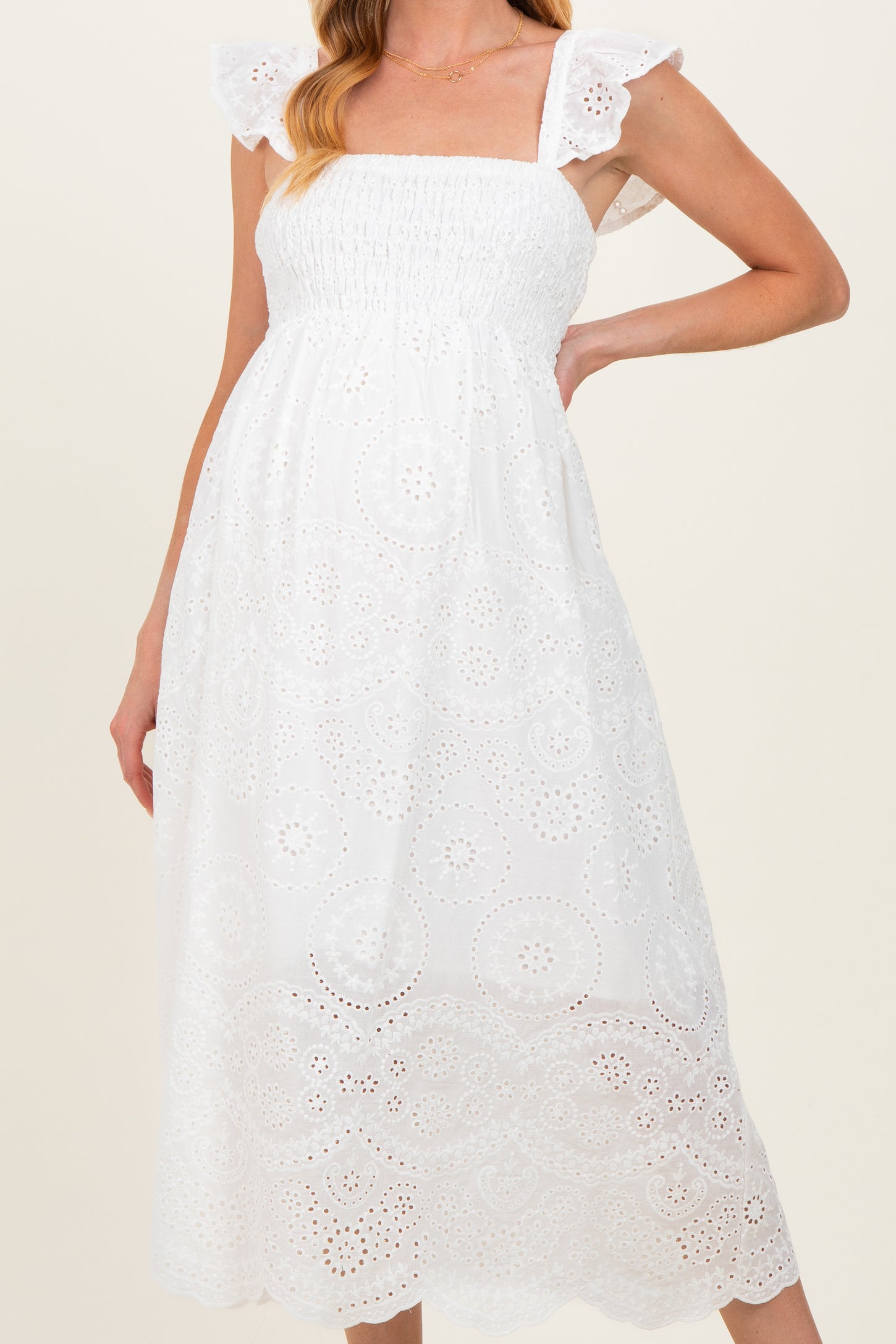
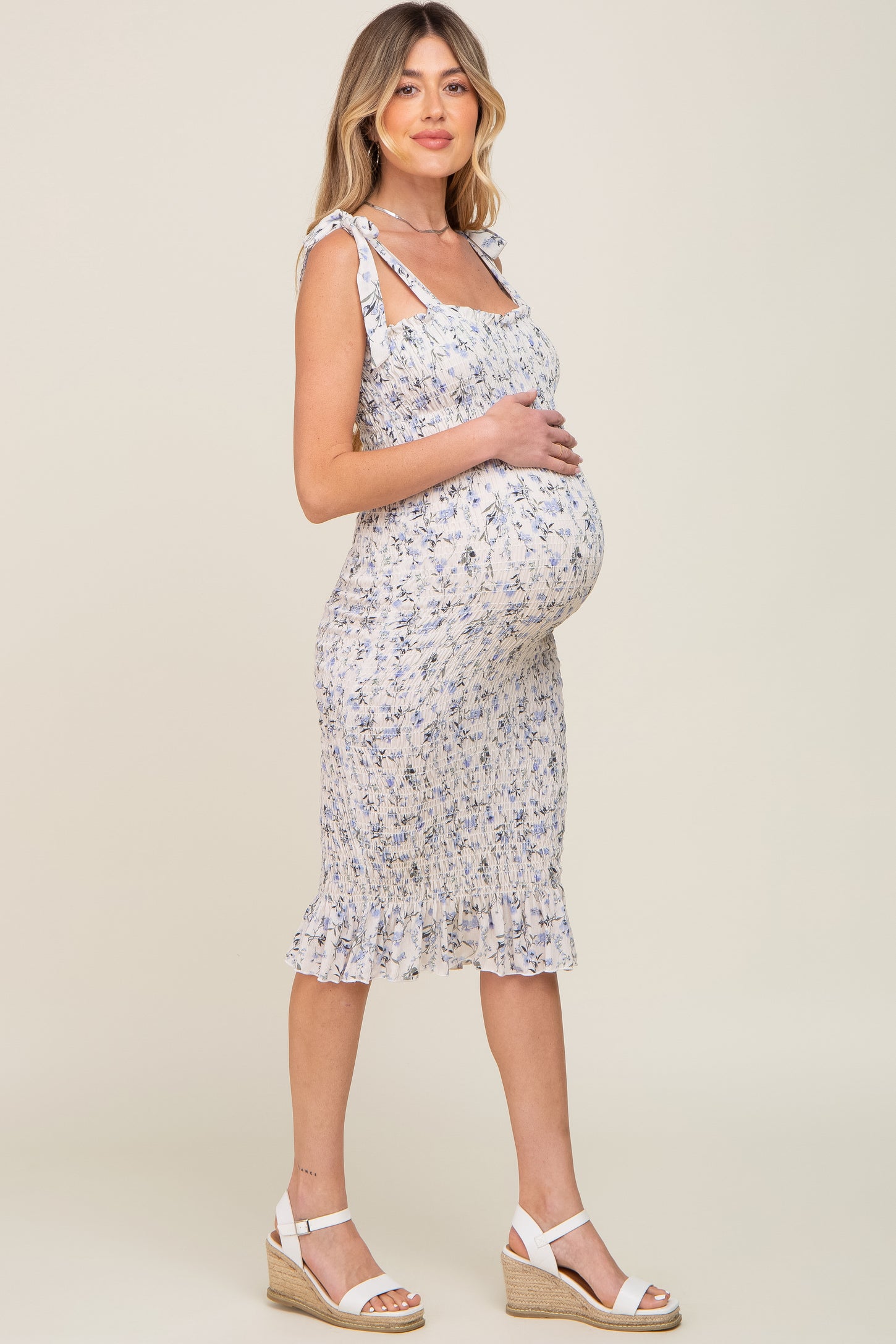
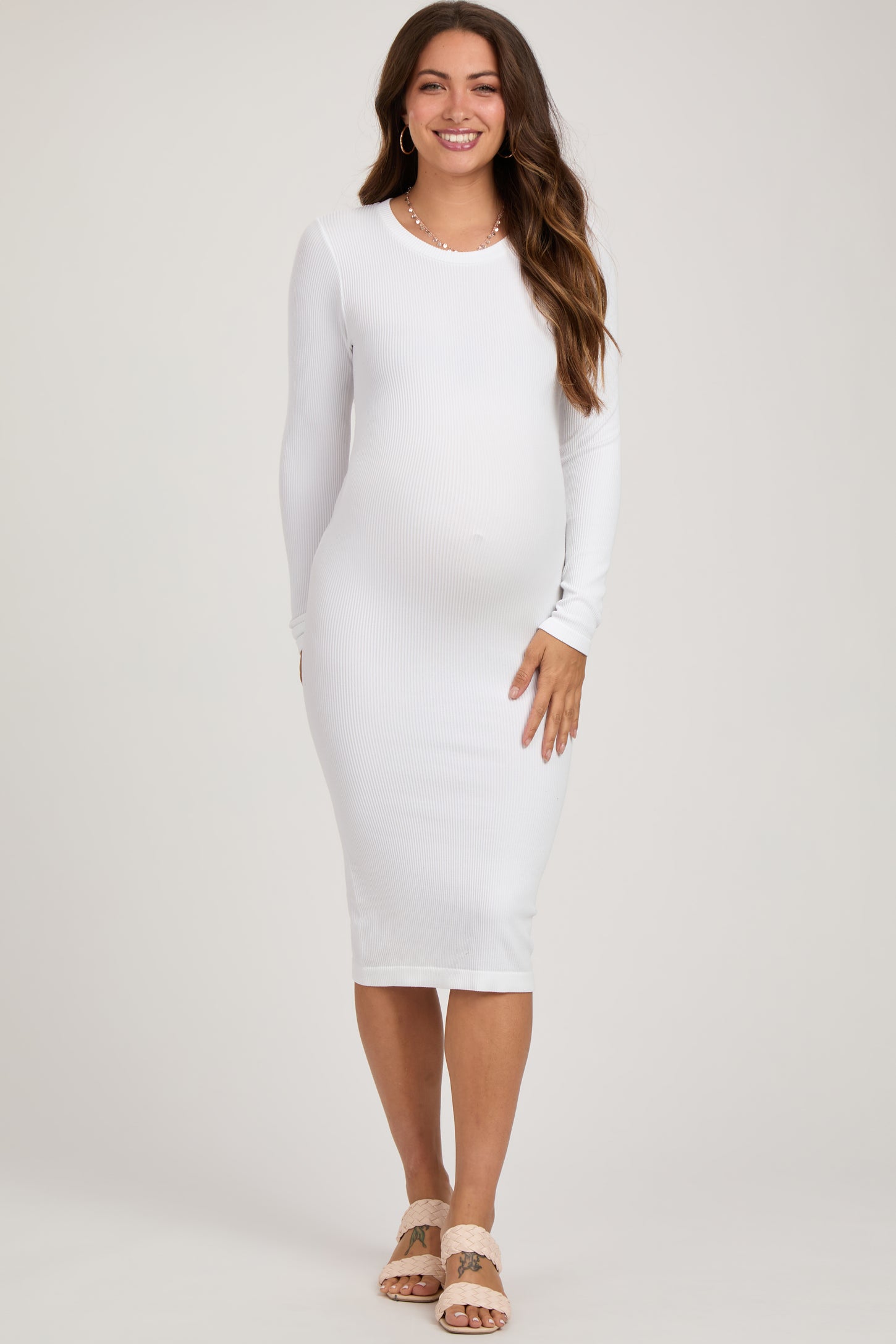
Wearing a white dress throughout the nine months of pregnancy provides an elegant, highly adaptable basis for any maternity wardrobe. Mastering this look requires selecting opaque, breathable textiles, choosing trimester-appropriate silhouettes, pairing garments with skin-tone undergarments, and adapting styles for changing body proportions and occasions like baby showers or maternity photo shoots.
The Timeless Appeal of the White Maternity Dress
A white dress is a cornerstone of maternity style. Symbolizing fresh starts and effortless simplicity, white serves as a blank canvas that adapts seamlessly to every stage of pregnancy. Whether attending formal gatherings, posing for milestone photographs, or building an everyday minimalist wardrobe, a well-chosen white garment provides structural flexibility and aesthetic harmony.
Beyond aesthetics, light-colored garments reflect solar heat, making them a functional choice during pregnancy when elevated basal body temperatures often cause heat sensitivity. Embracing a white dress for nine months reduces the cognitive fatigue of daily styling while maintaining a elevated appearance across diverse social and professional settings.
Selecting Fabrics, Weight, and Opacity Across Trimesters
The primary challenge of wearing white while pregnant is managing fabric transparency and stretch capacity. As abdomen skin stretches, tight-fitting white fabrics thin out, potentially revealing undergarments or skin textures. Evaluating textile composition ensures both comfort and complete opacity.
| Fabric Type | Opacity Level | Ideal Trimester / Use |
|---|---|---|
| Double-Lined Modal | High (95-100%) | 2nd & 3rd (Bodycon) |
| Heavy Cotton Poplin | High (90-95%) | 1st & 2nd (Shirt dress) |
| Linen Blends | Medium (70-85%) | 1st & 3rd (Boho/Relaxed) |
| Ribbed Rayon/Spandex | High (90-95%) | All (Growth adaptable) |
| Eyelet / Lace Cotton | Variable (Lined) | Events / Photoshoots |
Fabric Weight and Weave
Select fabrics with a minimum weight of 180 to 220 grams per square meter (GSM) for single-layer garments, or opt for double-lined construction. Double-layered modal, heavyweight rib-knits, and densely woven cotton poplin offer maximum opacity without adding excess bulk. Interlock knits perform significantly better than jersey knits, as their dual-stitch structure prevents sheer stretch across expanding areas.
Natural Breathability and Synthetic Stretch
Pregnancy skin is exceptionally sensitive to synthetic fibers that trap moisture. Prioritize natural fibers such as organic cotton, linen, and bamboo viscose blended with 5% to 10% elastane (spandex). This blend maintains air circulation, regulates body temperature, and yields sufficient recovery stretch to accommodate bump expansion without permanently deforming the garment hemline.
Trimester-by-Trimester White Dress Styling Guide
As pregnancy progresses, your center of gravity shifts, body measurements evolve, and comfort priorities change. Adapting silhouette choices to each stage ensures structural support and fluid aesthetic lines.
- Trimester 1 (Months 1 to 3): Fluid Cuts & Unstructured Silhouettes
- Trimester 2 (Months 4 to 6): Defined Waists & Ribbed Knits (Show the Bump)
- Trimester 3 (Months 7 to 9): Max Breathability & Empire Drops (High Comfort)
First Trimester (Months 1–3): Fluidity and Concealed Comfort
During early pregnancy, waistlines swell due to hormonal fluctuations before a firm bump emerges. Rigid waistbands become uncomfortable, making soft, forgiving structures essential.
- Key Silhouettes: A-line swing dresses, relaxed shirt dresses, and un-waisted tiered smocks.
- Styling Focus: Use lightweight scarves or open unstructured cardigans to create vertical visual lines. Avoid constricting belts directly across the waist.
- Fabric Recommendation: Light cotton-linen blends and soft woven chambray in soft off-white hues.
Second Trimester (Months 4–6): Highlighting Shape and Elasticity
As the torso lengthens and the bump becomes defined, loose-fitting clothing can obscure your silhouette. Mid-pregnancy is the ideal time to embrace body-conforming and high-waisted cuts.
- Key Silhouettes: Ribbed knit midi bodycons, classic empire-waist midi dresses, and wrap dresses with adjustable tie closures above the hip.
- Styling Focus: Define the natural waist high up, right under the bust line (the narrowest point of the torso during mid-to-late pregnancy).
- Fabric Recommendation: Ribbed rayon-spandex blends and elastane-infused modal knits that flex naturally with sudden growth spurts.
Third Trimester (Months 7–9): Support, Length, and Thermal Control
In the final months, pressure on the lower abdomen demands minimal restriction around the pelvis, paired with maximum breathability.
- Key Silhouettes: Floor-length tiered maxis, off-the-shoulder Bardot styles, and loose empire-line dresses with expansive hem sweeps.
- Styling Focus: Pair long white dresses with supportive footwear and low-slung, non-restrictive under-garments. Ensure hemlines are hemmed slightly higher in the front to prevent tripping as the bump lifts the front apron of the dress.
- Fabric Recommendation: Breathable cotton eyelet, double-layered gauze, and ultra-soft bamboo knits.
Undergarments and Foundation Layers for White Fabrics
The foundation beneath a white maternity dress dictates the overall success of the look. Visible panty lines, show-through colors, and inadequate bust support degrade an otherwise refined outfit.
| Issue | Correct Solution | Common Mistake |
|---|---|---|
| Visible Color Lines | Seamless skin-tone/nude layers | Wearing pure white |
| Show-through Fabric | High-waisted smooth maternity slip | Patterned under-layers |
| Thigh Chafing | Seamless moisture-wicking shorts | Standard briefs |
| Bust Support Strain | Wide-strap, non-wired flexi-bras | Rigid underwire bras |
The Nude Palette Rule
A common error when styling white clothing is wearing white undergarments. Pure white fabric creates a stark contrast against natural skin tones, making underwear outlines highly visible under bright light. Always match undergarments to your specific skin tone—ranging from pale beige to rich cocoa—to make them invisible beneath white textiles.
Seamless Bump Support and Slip Shorts
As skin stretches across the lower torso, smooth support becomes paramount.
- Over-the-Bump Briefs: Choose high-waisted maternity briefs made of continuous seamless microfiber to eliminate waistband indentations on bodycon dresses.
- Maternity Slip Shorts: Lightweight, mid-thigh slip shorts prevent inner-thigh chafing while acting as a full-coverage barrier beneath sheer, unlined skirts.
- Bust Support: Pregnancy elevates bust volume and sensitivity. Select wide-strap, non-wired supportive bras crafted from seamless modal or smooth microfiber with multiple row-and-eye adjustments to accommodate rib cage expansion.
White Maternity Dress Styles: Features and Practical Use
| Dress Style | Key Structural Features | Primary Benefit | Best Pregnancy Stage | Recommended Footwear |
|---|---|---|---|---|
| Empire-Waist Maxi | Waistline gathered directly below the bust; fluid floor-length skirt. | Unrestricted abdominal clearance; formal aesthetic. | Trimesters 2 & 3 | Ankle-strap flats, low block heels |
| Ribbed Knit Bodycon | High-elastane knitted construction; contouring side seams. | Showcases bump shape; highly stretchable. | Trimesters 2 & 3 | White leather sneakers, slip-on mules |
| Button-Down Shirt Dress | Full-length front button placket; optional tie belt; structured collar. | Versatile for casual/work settings; easy post-partum nursing access. | Trimesters 1 & 2 (Postpartum-friendly) | Loafers, flat slide sandals |
| Tiered Boho Smock | Multi-panel loose construction; gathered horizontal seams. | Maximum air circulation; complete freedom of movement. | Trimesters 1, 2 & 3 | Leather gladiator flats, suede booties |
| Wrap Dress | Adjustable crossover front; waist tie anchoring high on the torso. | Customizable sizing adapts to weekly body changes. | All Trimesters | Sculpted wedge sandals, pointed flats |
Accessory Integration and Seasonal Layering
White functions as a neutral baseline, allowing seasonal accessories to define the overall tone of an outfit while extending its utility across variable weather conditions.
- White Maternity Dress
- Spring / Summer
- Tan leather belts
- Woven straw hats & totes
- Gold hardware jewelry
- Pastel linen over-shirts
- Fall / Winter
- Tailored wool coats
- Chunky knit cardigans
- Tonal suede boots
- Opaque warm leggings
- Spring / Summer
Spring and Summer Styling
During warm months, accentuate a white dress with natural textures. Pair soft cotton dresses with woven straw totes, tan leather slide sandals, and subtle gold jewelry. Roll up the sleeves of a loose linen white shirt dress and pair it with broad-rimmed sun hats to combine UV defense with relaxed resort-wear elegance.
Fall and Winter Adaptation
Transition white maternity dresses into colder months through strategic texture layering.
- Outerwear: Wear open-front, longline wool coats or oversized trench coats over white bodycons to frame the body vertically while maintaining warmth.
- Knitwear: Layer cropped, chunky cable-knit sweaters over white maxi dresses. The cropped hem highlights the top of the bump while transforming the dress skirt into a flowing bottom-layer outfit.
- Footwear and Hosiery: Pair knee-high suede boots with long white dresses, ensuring hemlines overlap boot tops to eliminate cold air gaps.
Care, Stain Management, and Postpartum Longevity
Maintaining bright, pristine white fabrics throughout a nine-month pregnancy requires proactive garment care and strategic shopping decisions.
Laundering and Brightening White Fabrics
- Avoid Harsh Chlorine Bleach: Chlorine reacts adversely to synthetic stretch fibers (elastane/spandex), degrading the elastic core and turning white fabrics a dull yellowish hue.
- Use Oxygen-Based Bleach: Opt for sodium percarbonate (oxygen bleach) dissolved in warm water to lift natural oils, perspiration stains, and dullness without weakening fiber integrity.
- Pre-Treat Organic Stains: Treat mineral sunscreen stains, natural oil marks, or food spills immediately with liquid dish soap or targeted enzyme spot-treatments before washing.
Postpartum Wardrobe Integration
Extend the lifecycle of your white maternity garments past delivery by selecting designs with built-in post-natal functionality:
- Nursing Access: Front button closures, stretch crossover necklines, or concealed zippers beneath ruffle overlays enable discreet nursing and pumping access post-delivery.
- Belted Adjustment: Styles featuring removable waist ties or drawstrings allow garments to transition smoothly as your abdominal wall contracts postpartum.
Frequently Asked Questions
What shade of white is best for maternity photoshoots?
Warm off-white, ivory, and soft cream shades photograph far better than stark fluorescent white. Stark white can overpower digital camera sensors, blowing out highlighted detail on the bump, whereas soft ivory preserves fine texture and depth in high-resolution photography.
How do I prevent my white maternity dress from showing sweat stains?
Choose breathable natural blends (such as cotton-modal or linen) and consider wearing a lightweight, seamless skin-tone tank top beneath the dress to absorb moisture before it reaches the outer garment. Selecting styles with relaxed armholes or sleeveless cuts also minimizes fabric contact with underarms.
Should I buy white maternity dresses in my pre-pregnancy size?
Yes. Most dedicated maternity brands scale their sizing relative to pre-pregnancy measurements. If you wore a size Medium prior to pregnancy, select a Medium in dedicated maternity lines. However, if buying non-maternity white dresses, size up 1 to 2 sizes and prioritize high-elastane ribbed knits or voluminous empire cuts.
Can I wear a white maternity dress to a wedding?
Unless the couple explicitly specifies an all-white dress code, avoid wearing a solid white dress to a wedding as a guest. Instead, choose soft pastels, floral prints on a light background, or reserve your white dress for your personal maternity shoot, baby shower, or pregnancy reveal events.
How do I keep a white bodycon dress from riding up as my bump grows?
Ensure the dress contains a minimum of 5-8% spandex/elastane and features side-ruching. Side ruching provides dedicated vertical fabric length that expands over the front curve of the bump without pulling the bottom hemline upward.
Assembling Your 9-Month White Capsule Wardrobe
To build an efficient white maternity collection without overspending, focus on acquiring three essential silhouettes that carry you from early pregnancy through the fourth trimester:
- The Everyday Casual Base: One ribbed knit midi dress with side ruching for flexible daily wear, layering under jackets, and casual outings.
- The Professional/Functional Layer: One structured white cotton button-down shirt dress equipped with pockets and accessible nursing features.
- The Event/Flowing Option: One lined, breathable empire-waist maxi dress in cotton eyelet or soft linen for baby showers, photographs, and warm-weather gatherings.
Investing in high-quality, dense fabrics paired with seamless skin-tone foundation layers guarantees comfort, support, and continuous visual refinement throughout every stage of motherhood.