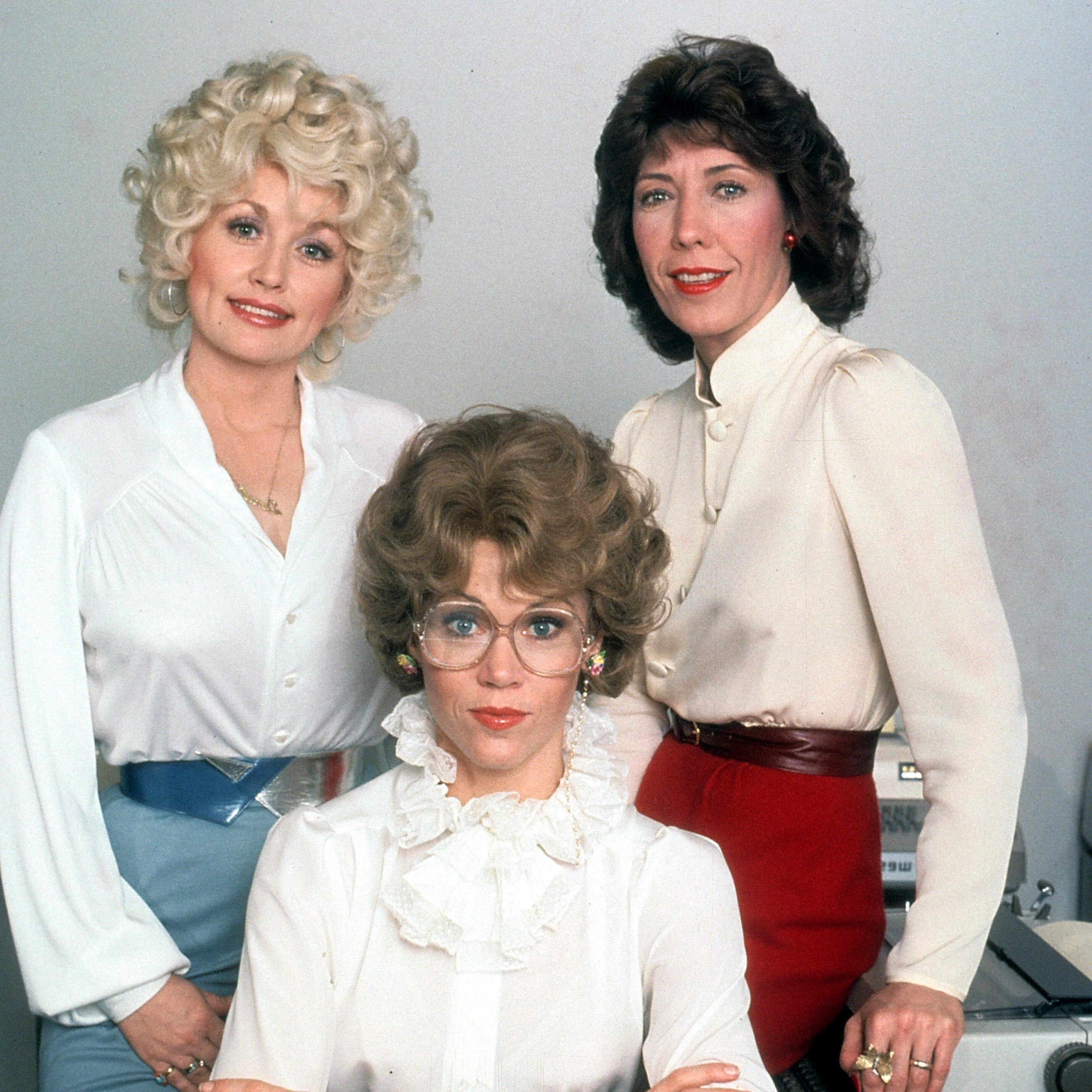
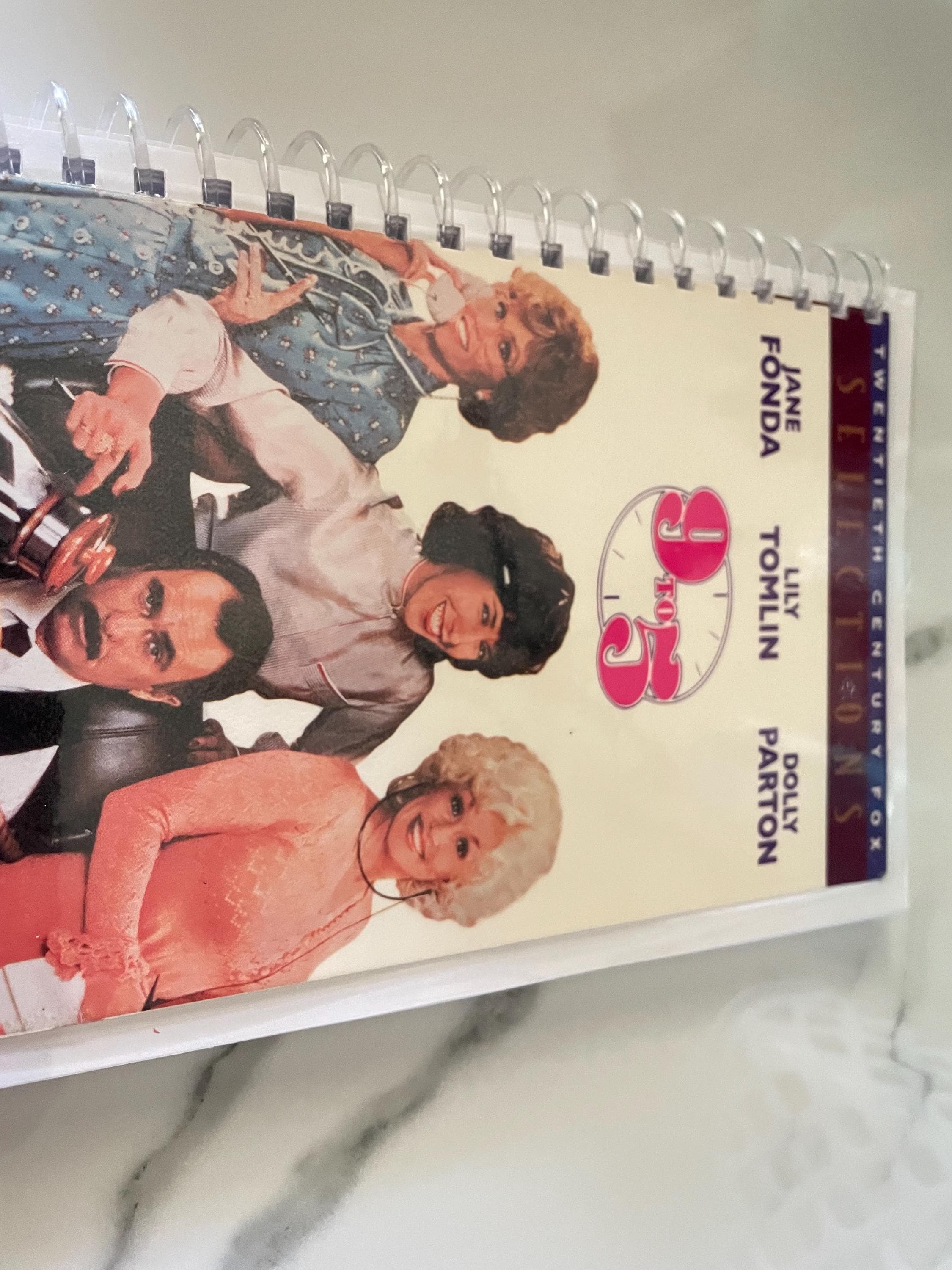
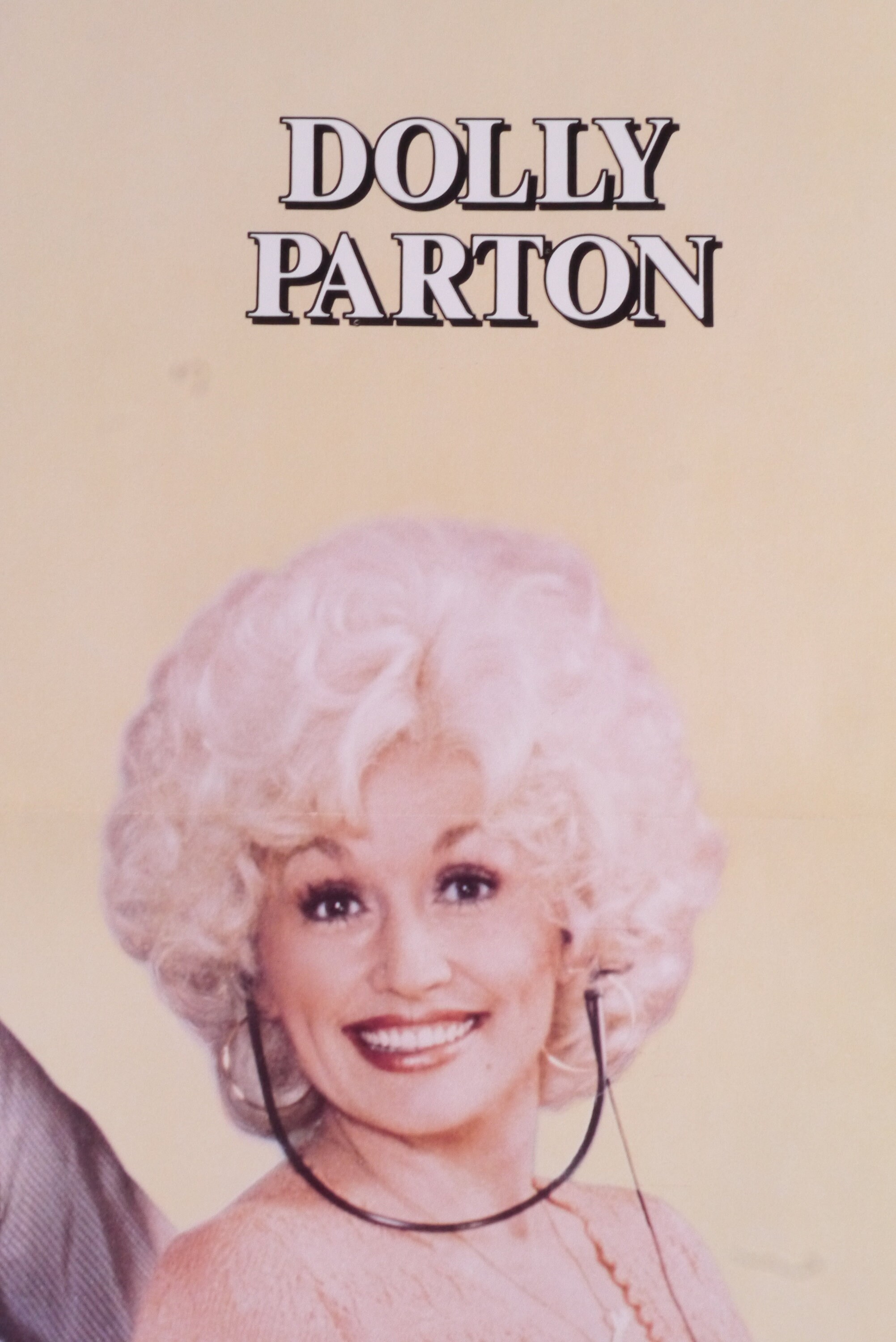
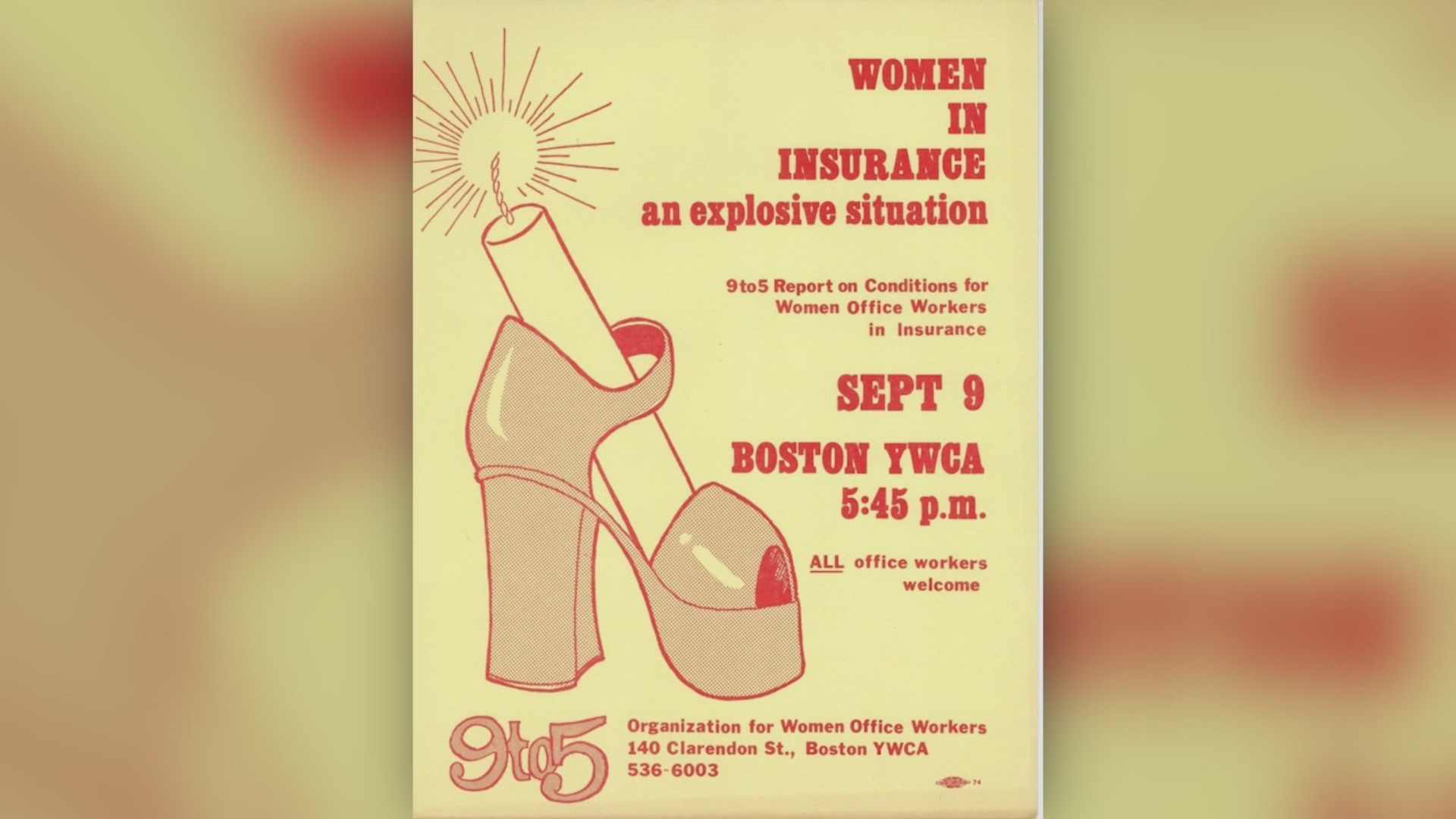
Industry insiders confirm that the legacy surrounding the 9 to 5 movie has reached a critical inflection point, as modern labor movements, corporate return-to-office mandates, and long-awaited cinematic adaptations collide in a high-stakes cultural reckoning. Observing the current market trend, streaming metrics and labor discourse indicate that the 1980 workplace comedy starring Jane Fonda, Lily Tomlin, and Dolly Parton is no longer just a nostalgic artifact, but an active playbook for contemporary workforce debates.
| Quick Fact | Current Status & Industry Data |
|---|---|
| Primary Subject | The cultural, legal, and cinematic legacy of the 9 to 5 movie |
| Current Timeline Anchor | August 2026 |
| Key Stakeholders | Major Hollywood studios, labor unions, streaming platforms |
| Market Impact | Surge in workplace satire viewership and corporate policy debates |
| Primary Conflict | Balancing classic corporate critique with modern remote-work realities |
The Catalyst: Why 9 to 5 movie Discourse is Surging Now
Reports from the field indicate that labor economists and cultural historians are closely monitoring a massive spike in digital engagement surrounding the 9 to 5 movie. As companies enforce aggressive mandates for employees to return to physical offices, the film's core themes of institutional rigidity, unfair compensation, and systemic workplace burnout have struck a raw nerve with the post-pandemic workforce.
Furthermore, development pipelines across major production lots have accelerated discussions regarding contemporary reimaginings and stage adaptations. While studios remain tight-lipped on exact release windows for prospective reboots, studio executives acknowledge that the appetite for sharp, anti-establishment satire has rarely been higher. The contemporary discourse transcends simple nostalgia; it functions as a glaring mirror reflecting modern frustrations with stagnant wages and corporate surveillance tech.
Expert Analysis & Implications
From a strategic standpoint, the enduring relevance of the 9 to 5 movie underscores a fundamental failure of modern corporate culture to evolve past the systemic bottlenecks satirized over four decades ago. Analysts note that while the tools have shifted from typewriters and carbon paper to algorithmic tracking and hybrid collaboration software, the core power imbalance between executive leadership and frontline labor remains largely unchanged.
"What we are witnessing is a profound structural alignment between the grievances of 1980s clerical workers and today's knowledge economy," explains a leading labor relations analyst who spoke on the condition of anonymity. "The 9 to 5 movie provided a blueprint for subverting toxic authority structures. Today's workers are deploying those exact philosophical frameworks via digital organizing and unionization efforts."
Consumer/Reader Guide: How to Navigate the Current Landscape
For audiences, researchers, and professionals looking to engage with the resurgence of the 9 to 5 movie phenomenon, strategic viewing and contextual analysis are essential. Industry watchdogs recommend the following approach to understand the broader cultural shift:
- Streaming Audit: Verify current platform availability across major subscription video-on-demand (SVOD) services, as licensing rights frequently rotate across global territories.
- Documentary Companion: Pair a rewatch of the feature film with the companion documentary Still Working 9 to 5, which examines the historical impact of the original production on real-world gender equality legislation and workplace rights.
- Policy Comparison: Cross-reference the administrative demands made by the characters in the film against current labor protections regarding remote flexibility, wage transparency, and artificial intelligence displacement in the office.
The Road Ahead
As the year progresses, the cultural footprint of the 9 to 5 movie will likely expand beyond entertainment columns and infiltrate upcoming legislative debates concerning labor rights and artificial intelligence automation. Industry forecasts suggest that upcoming cinematic projects inspired by the original text will face immense pressure to modernize their critiques for a workforce that has fundamentally redefined the meaning of productivity and location independence. Ultimately, the lasting power of this cinematic milestone proves that a well-executed corporate satire remains one of the most potent weapons in modern cultural commentary.