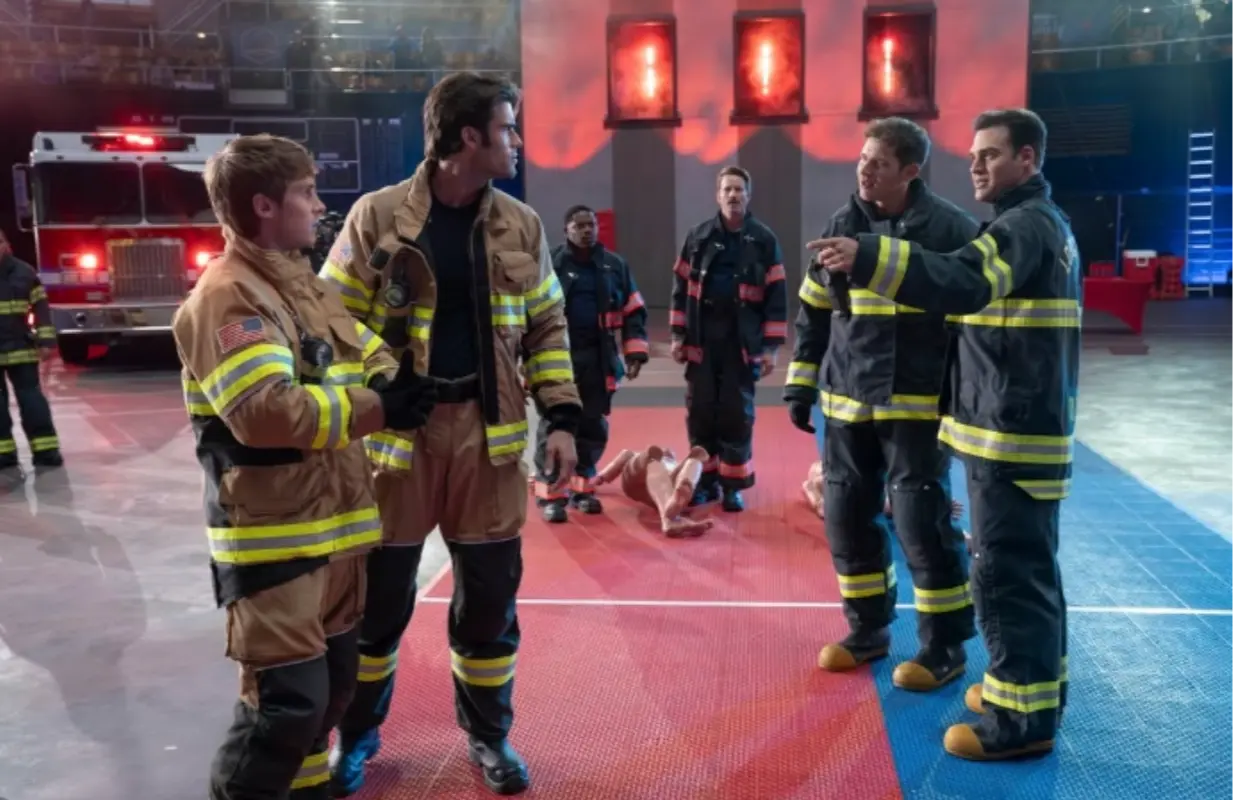
Evaluating whether a Nashville-focused expansion of the high-octane 9-1-1 procedural franchise is worth watching depends on your appetite for amplified melodrama, absurd emergency rescues, and character-driven ensemble storytelling. The franchise delivers fast-paced entertainment, technical spectacle, and emotional payoff, provided viewers accept its deliberate suspension of realism and heightened prime-time soap opera sensibilities.
Deconstructing the 9-1-1 Franchise Formula and the Nashville Concept
The emergency procedural landscape underwent a major shift when creators Ryan Murphy, Brad Falchuk, and Tim Minear launched 9-1-1 on FOX in 2018 (later moving to ABC for its seventh season in 2024 and continuing through 2026). Unlike classic, grounded police procedurals or rigid medical dramas, the franchise established a distinct blueprint: combining bizarre, real-world emergency call inspirations with intense personal storylines, sweeping multi-episode disaster arcs, and slick, cinematic production values.
Following the success of 9-1-1: Lone Star—which transported the high-stakes first-responder format to Austin, Texas—discussions around regional expansions continuously point to cultural hubs like Nashville, Tennessee. A Nashville-based concept introduces a compelling backdrop: a rapidly growing metropolis where sprawling urban infrastructure meets rural terrain, vibrant music industry culture, and severe weather patterns ranging from flash floods to violent tornadic storms.
Whether examining potential regional spin-offs pitched for network lineups or analyzing how the franchise's signature storytelling translates to music-city settings, the core structural engine remains consistent. The narrative splits focus across three primary pillars:
- The 911 Call Center: Dispatchers who triage panicked calls, establish immediate emotional stakes, and coordinate emergency responses under pressure.
- The Firehouse Squad: Firefighters and paramedics on the front lines who execute complex physical rescues while wrestling with internal squad dynamics.
- Law Enforcement Patrol: Field officers who handle immediate threats, investigate criminal elements, and bridge the gap between dispatch and rescue crews.
Understanding this tripartite structure is essential to assessing whether investing time in this style of television delivers genuine entertainment value or merely rehashes familiar network tropes.
Core Strengths: What Makes the Rescue-Drama Formula Work
High-Concept Disasters and Bizarre Emergency Calls
The primary hook of the 9-1-1 universe is its unrelenting pacing and inventive rescue scenarios. Rather than focusing solely on routine structure fires or traffic stops, the franchise built its reputation on outlandish, headline-inspired emergencies. From skydivers entangled in high-voltage power lines to extreme weather events ripping through downtown corridors, the visual effects and stunt coordination set a high standard for broadcast network television.
In a Nashville context, this regional flavor enhances the spectacle. Scenarios involving backstage stage-craft failures, flash flooding along the Cumberland River, multi-vehicle pileups on crowded interstate interchanges, and wilderness rescues in nearby state parks give the production team diverse set pieces that keep episodes visually dynamic.
Ensemble Dynamics and Character Chemistry
Beyond the action set pieces, the franchise succeeds or fails on the strength of its character relationships. The series avoids treating first responders as monolithic heroes; instead, it emphasizes their emotional vulnerabilities, personal trauma, addiction recoveries, family breakdowns, and romantic entanglements.
- Dispatch Call Received
- Tactical Unit Deployment
- Personal Character Fallout
- Rescue / Field Resolution
The interplay between veteran leaders carrying personal baggage and younger recruits finding their footing creates an engaging emotional core. Viewers become invested not just in whether a victim survives a bizarre accident, but in how the rescue operation affects the psychological stability and interpersonal bonds of the first responders involved.
Emotional Payoff and Pacing
Each episode follows a carefully engineered rhythmic cadence. Shocking opening emergency calls immediately grab viewer attention, followed by rapid character updates, secondary rescues, and a climactic third-act crisis where personal and professional threads intersect. This structural discipline ensures that even weaker subplots rarely drag down the overall momentum of an episode.
Narrative Flaws and Procedural Pitfalls
Suspension of Disbelief and Unrealistic Logistics
The most prominent drawback of the franchise's narrative model is its blatant disregard for realistic operational protocols. Medical procedures are frequently simplified, dispatchers routinely break chain-of-command protocols to conduct independent field investigations, and individual fire companies manage a statistical impossibility of bizarre crises in single shifts.
For viewers seeking authentic tactical accuracy akin to Southland, Third Watch, or documentary-style emergency programming, the creative liberties taken by the writers can be jarring. Rescues often rely on convenient coincidences, physics-defying stunts, and improbable medical recoveries that require full suspension of disbelief.
Melodramatic Overload and Formula Fatigue
With multi-season runs, procedural dramas inevitably risk repeating emotional beats. The intense focus on personal tragedy—ranging from sudden long-lost family developments to recurring life-threatening injuries among main cast members—can occasionally tip the show into exhausting soap-opera territory. When every main character endures near-fatal accidents every season, the narrative weight of death and injury begins to lose its dramatic impact.
- High-Stakes Rescue
- Traumatic Character Event
- Soap-Opera Twist
- Temporary Status Quo
Furthermore, seasonal disaster arcs (such as earthquakes, tsunamis, or massive storms) set an impossibly high escalation bar. Attempting to top previous seasons' visual spectacles sometimes leads to cluttered multi-part events that prioritize explosion counts over meaningful character development.
Comparative Analysis: Evaluating Regional Procedural Dramas
To understand where a Nashville-based rescue drama fits within the broader landscape, it helps to compare structural components across established franchise entries and regional drama archetypes.
| Evaluation Metric | 9-1-1 (Original - Los Angeles) | 9-1-1: Lone Star (Austin) | Nashville Regional Concept |
|---|---|---|---|
| Primary Setting & Tone | Sprawling coastal metropolis; high-gloss urban chaos and natural disasters. | Texas capital; blend of modern tech culture, conservative traditions, and extreme heat events. | Music City; vibrant nightlife, historical music venues, rapid suburban expansion, severe seasonal weather. |
| Emergency Focus | Coastal threats, freeway pileups, earthquake/tsunami events, Hollywood stunt failures. | Wildfires, industrial chemical spills, tornado strikes, equestrian/rural rescues. | Stage collapses, river rescues, flash floods, tourist hub crushes, distillery fires. |
| Character Archetypes | Seasoned LAPD officers, veteran fire captains, resilient dispatchers carrying deep personal history. | Out-of-town captain rebuilding a devastated station, diverse specialist squad, local law enforcement. | Veteran Southern first responders, aspiring musician-first responders, dispatchers balancing local politics. |
| Tone Balance | 50% Emergency Action / 50% Character Melodrama | 60% Action & Spectacle / 40% Soap-Opera Drama | 45% Action / 55% Ensemble Melodrama & Music Culture |
| Target Audience | Mainstream network procedural fans, ensemble drama viewers. | Action-focused procedural enthusiasts, fans of modern Western/Southern aesthetics. | Viewers who enjoy character-driven regional dramas, country music culture, and high-stakes procedurals. |
Key Viewing Factors: Who Will (and Won't) Enjoy the Ride
Ideal Viewers
The 9-1-1 formula is tailored specifically for audiences who appreciate:
- Fast-Paced Network Television: Episodes move quickly, making them easy to digest for casual viewers while offering long-term character arcs for loyal fans.
- High Production Values: Top-tier visual effects, elaborate practical sets, and fast-paced editing set it apart from low-budget procedurals.
- Character-Driven Melodrama: If you enjoy emotionally charged relationship dynamics, found-family tropes, and high-stakes personal dilemmas, the show delivers consistently.
- Eclectic Music and Atmosphere: The integration of regional soundscapes, country classics, and contemporary tracks enhances the atmospheric identity of a Southern setting.
Viewers Who Should Pass
Conversely, you may want to skip this franchise if you prefer:
- Strict Procedural Realism: Viewers who expect authentic dispatch protocol, accurate medical terminology, and realistic emergency response times will find the show frustrating.
- Subtle, Low-Key Storytelling: The series thrives on spectacle, heightened emotion, and dramatic twists. Subtlety is rarely part of the creative toolkit.
- Standalone Case-of-the-Week Shows: While individual emergencies are resolved weekly, character arcs are deeply serialized. Jumping into middle seasons without prior context can make personal conflicts confusing.
Frequently Asked Questions
Is a Nashville-set entry officially connected to the main 9-1-1 series?
Within the Ryan Murphy Television universe, regional spin-offs share identical structural DNA, narrative tone, and production teams, allowing for occasional crossover events, shared universe logic, and guest appearances from existing characters.
How does the dramatic style of the 9-1-1 franchise compare to traditional procedurals like Chicago Fire or Law & Order?
While traditional procedurals prioritize grounded realism and strict episodic case resolution, the 9-1-1 universe leans heavily into cinematic action set pieces, outlandish real-life emergency inspirations, and serialized prime-time soap opera character development.
What connection does actress Connie Britton have to both 9-1-1 and Nashville?
Connie Britton starred as 911 dispatcher Abby Clark in Season 1 of the original 9-1-1 series, establishing the crucial role of the dispatch center in the show's format. Previously, Britton starred as country music legend Rayna Jaymes in the hit ABC/CMT drama Nashville (2012–2018), creating a notable thematic overlap for fans of both series.
Can new viewers jump into a regional spin-off without watching the original series?
Yes. Regional spin-offs in this franchise are designed as standalone entry points. While core themes and rescue formats remain consistent, the character rosters, local setting, and station dynamics are completely self-contained.
Are the bizarre emergency calls featured in the show based on real events?
Many of the most unusual rescue scenarios in the franchise are loosely adapted from real-world news stories, viral videos, and extraordinary emergency dispatch logs, which the writing team exaggerates for dramatic effect.
Final Verdict: Evaluating the Viewing Experience
If you are evaluating whether to dive into a Nashville-flavored expansion of the 9-1-1 franchise, the decision comes down to what you expect from prime-time television. If you are searching for a documentary-accurate portrayal of municipal emergency services, this series will not meet your expectations.
However, if you approach the series as a high-budget, adrenaline-fueled spectacle that blends absurd rescue scenarios with charismatic character dynamics, the drama is undeniably worth the ride. The franchise excels at delivering pure entertainment value, striking a balance between pulse-pounding action set pieces and addictive character drama. To get the most out of your viewing experience, start with the feature-length multi-episode disaster premieres, accept the over-the-top melodrama, and enjoy the high-octane ride.