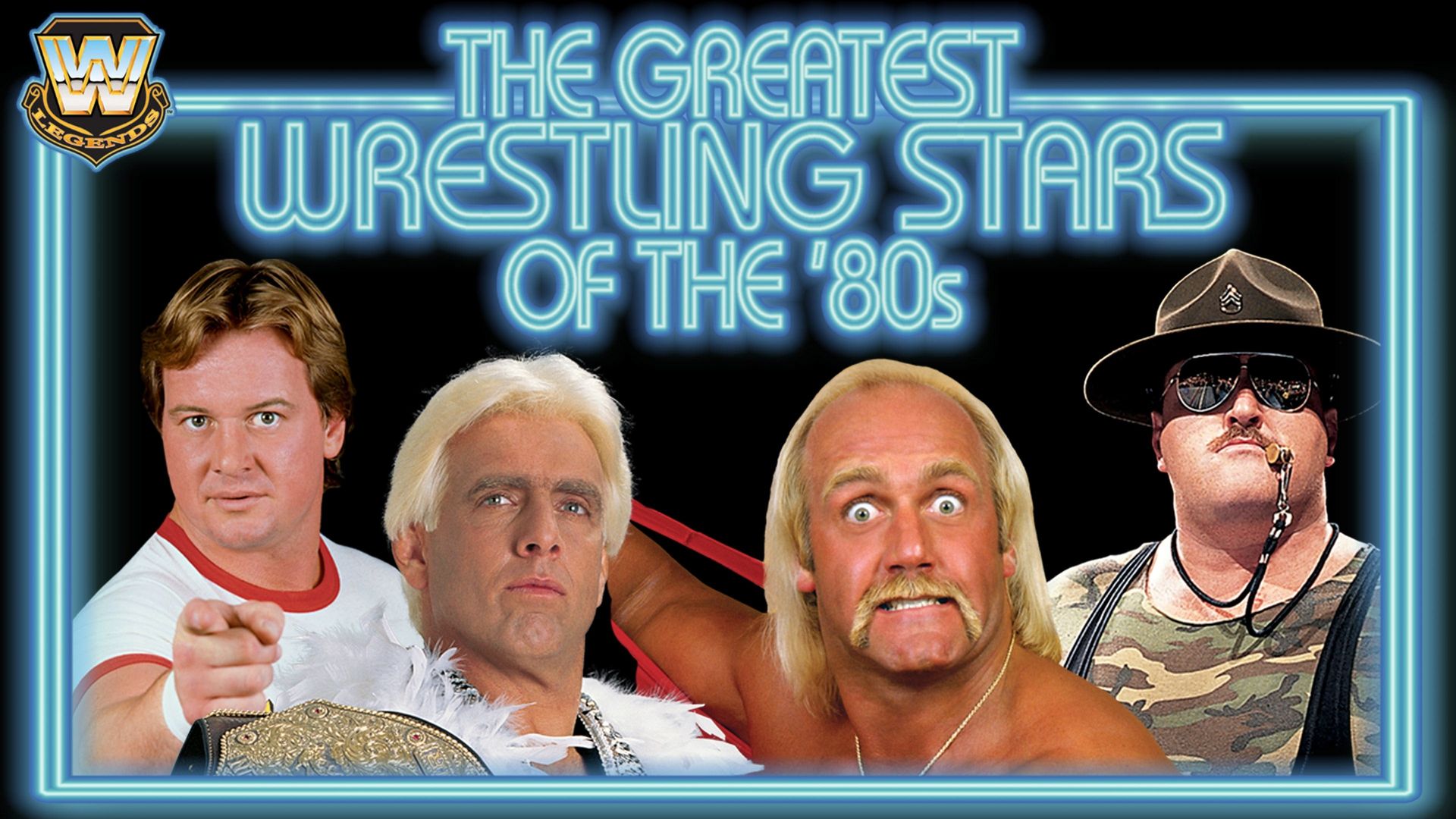
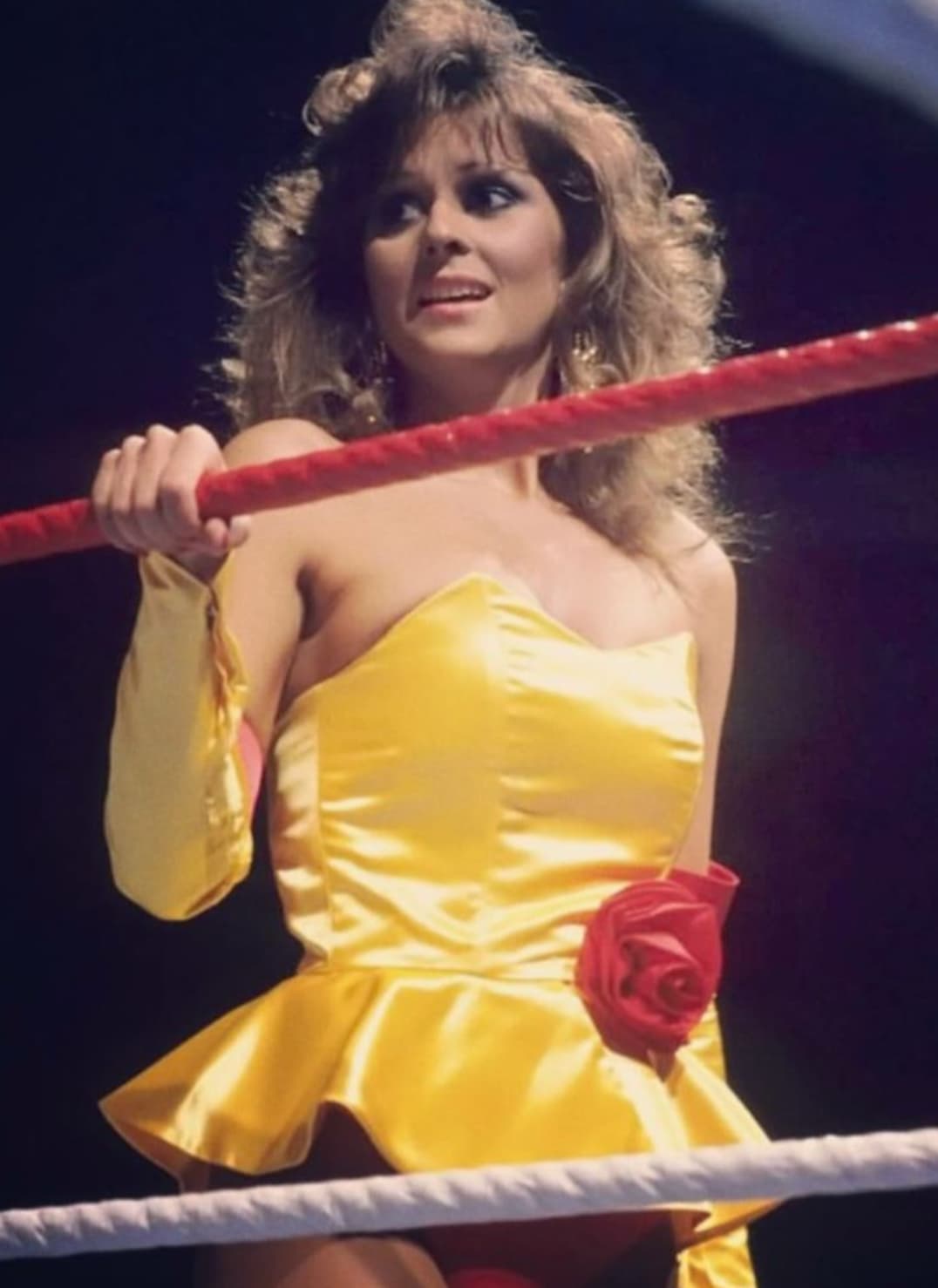
The 1980s defined professional wrestling’s golden era, transforming a fragmented network of regional territories into a unified, mainstream entertainment phenomenon. Led by iconic figures such as Hulk Hogan, Ric Flair, "Macho Man" Randy Savage, and Dusty Rhodes, 80s wrestlers combined athletic performance with theatrical character work, leveraging national cable television, pay-per-view broadcasts, and rock-and-roll crossovers to build a multi-billion-dollar global industry.
The Territorial Collapse and the National Cable Explosion
Before the 1980s, professional wrestling operated under an unspoken honor system governed by the National Wrestling Alliance (NWA). The North American continent was divided into distinct geographic territories. Regional promoters respected boundary lines, shared talent for major events, and recognized a single travelling NWA World Heavyweight Champion who legitimised local babyfaces (heroes) while defending the title against regional heels (villains).
- 1980s Wrestling Transition
- Regional Territory System
- NWA / AWA / WCCW
- Local TV Syndication
- In-Ring Realism
- National Cable Empire
- WWF / Jim Crockett
- Satellite & Pay-Per-View
- Character Gimmicks & MTV
- Regional Territory System
That structure collapsed when Vincent Kennedy McMahon purchased Capitol Wrestling Corporation from his father in 1982 and set out to build a national promotion: the World Wrestling Federation (WWF). McMahon broke territorial agreements by buying up syndicated television time slots across the United States, signing top talent from competing promotions, and broadcasting WWF programming directly into rival markets.
To counter McMahon’s rapid expansion, competing regional promotions tried to modernize. Verne Gagne’s American Wrestling Association (AWA) in the Midwest, Fritz Von Erich’s World Class Championship Wrestling (WCCW) in Texas, and Jim Crockett Promotions (JCP) in the Mid-Atlantic region produced high-quality television. JCP created Starrcade in November 1983—the first major closed-circuit television supercard—establishing a template for wrestling mega-events.
However, McMahon countered with WrestleMania on March 31, 1985, at Madison Square Garden. By combining professional wrestling with mainstream celebrities like Cyndi Lauper, Mr. T, and Muhammad Ali, the WWF established the "Rock 'n' Wrestling Connection," establishing cable television and closed-circuit syndication as the industry's primary distribution channels.
Main-Event Icons Who Defined the 1980s
The boom of 1980s wrestling relied on larger-than-life personalities who could captivate audiences both inside the ring and through television interviews. While hundreds of wrestlers performed during this decade, a select group of main-event talent anchored the industry's growth.
- Hulk Hogan
- WWF Flagship Attraction
- Pop-Culture Crossover
- High Energy & Power Moves
- Ric Flair
- NWA / JCP Franchise
- Technical Workrate Master
- 60-Minute "Broadway" Matches
Hulk Hogan
Hulk Hogan (Terry Bollea) became the ultimate commercial symbol of 80s wrestling. After gaining national prominence as Thunderlips in the 1982 movie Rocky III, Hogan returned to the WWF in late 1983. On January 23, 1984, he defeated The Iron Sheik at Madison Square Garden to win the WWF World Heavyweight Championship, launching "Hulkamania." Hogan’s formula—telling young fans to say their prayers and eat their vitamins—combined with impressive physical strength made him an international star capable of selling out arenas across the globe.
Ric Flair
While Hulk Hogan led the WWF's character-driven spectacle, "The Nature Boy" Ric Flair represented the pinnacle of traditional, in-ring craftsmanship in the NWA. Serving as the primary NWA World Heavyweight Champion throughout the decade, Flair was famous for his extravagant robes, slicked-back blonde hair, limousine-riding persona, and legendary 60-minute "Broadway" matches. Flair traveled from territory to territory, putting over local heroes while retaining his title through heel tactics, earning a reputation as one of the finest wrestlers in history.
"Macho Man" Randy Savage
Randy Savage offered an unmatched combination of intense charismatic promos, flamboyant neon ring attire, and meticulous ring choreography. Joining the WWF in 1985 alongside his manager, Miss Elizabeth, Savage captured the Intercontinental Heavyweight Championship and later the WWF Championship at WrestleMania IV. His match against Ricky "The Dragon" Steamboat at WrestleMania III in 1987 remains a benchmark for technical storytelling, pacing, and execution.
Dusty Rhodes
"The American Dream" Dusty Rhodes served as the emotional heart of Jim Crockett Promotions. With his charismatic, working-class persona, Rhodes represented the everyday fan against wealthy, arrogant villains like Ric Flair and the Four Horsemen. Beyond his work inside the ring, Rhodes was a primary booker (match match-maker and storyline writer) for JCP, creating enduring event concepts such as Starrcade, the WarGames match, and The Great American Bash.
Andre the Giant
Standing 7 feet 4 inches tall and weighing over 500 pounds, Andre Roussimoff was professional wrestling’s ultimate attraction. For over fifteen years, Andre remained undefeated by pinfall or submission across world territories. His heel turn in early 1987, managed by Bobby "The Brain" Heenan, led to his iconic main-event showdown against Hulk Hogan at WrestleMania III in front of a reported 93,173 fans at the Pontiac Silverdome, marking a peak moment of the 1980s wrestling boom.
Essential Tag Teams and Factions of the Era
Tag team wrestling and multi-man factions reached an unprecedented level of artfulness and commercial popularity during the 1980s. Groups created distinct team identities, contrasting styles, and long-term rivalries that often drew top arena crowds.
| Team Name | Primary Promotion / Style |
|---|---|
| The Road Warriors | NWA/AWA - Power, Brawling, Face Paint |
| The Hart Foundation | WWF - Technical Precision, Power |
| The British Bulldogs | WWF - High-Impact, Hard-Hitting |
| The Rock 'n' Roll Express | NWA - High-Flying, Babyface Underdogs |
| The Midnight Express | NWA - Tag-Team Choreography, Heel Ploy |
The Four Horsemen
Formed in 1985 in Jim Crockett Promotions, the original Four Horsemen consisted of Ric Flair, Arn Anderson, Ole Anderson, and Tully Blanchard, managed by James J. Dillon. Representing wealth, elitism, and tactical dominance, the Horsemen held all major NWA titles simultaneously at their peak. Their ruthless, coordinated attacks on heroes like Dusty Rhodes, Magnum T.A., and Sting set the standard for modern wrestling factions.
The Road Warriors (Legion of Doom)
Hawk (Michael Hegstrand) and Animal (Joseph Laurinaitis) revolutionized tag team wrestling with their spiked shoulder pads, face paint, and hard-hitting power moves. Debuting in the AWA before moving to the NWA, The Road Warriors used an aggressive style accompanied by Black Sabbath’s "Iron Man," presenting a level of sheer physical intimidation that made them one of the most popular tag teams of the decade.
Tag Team Pioneers
The 1980s tag team division featured contrasting ring styles:
- The Rock 'n' Roll Express (Ricky Morton and Robert Gibson): Perfected the classic babyface tag team formula, building sympathy for the isolated hero (Morton) before a dramatic hot tag.
- The Midnight Express (Dennis Condrey/Stan Lane and Bobby Eaton): Managed by Jim Cornette, they served as the ultimate technical counterparts to the Rock 'n' Roll Express.
- The British Bulldogs (Dynamite Kid and Davey Boy Smith): Brought dynamic, high-impact athletic moves and hard-hitting British technique to the WWF.
- The Hart Foundation (Bret "Hitman" Hart and Jim "The Anvil" Neidhart): Combined Hart's technical precision with Neidhart's power, managed by Jimmy Hart.
Evolution of Character Archetypes and Promo Styles
The expansion of national television required a shift from straightforward athletic contests toward defined character archetypes. Promos (unscripted or semi-scripted interviews) became as important as physical ability, allowing wrestlers to connect directly with viewers at home.
- 1980s Character Archetypes
- Patriotic Heroes
- Hulk Hogan
- Sgt. Slaughter
- Foreign Heel Menaces
- The Iron Sheik
- Nikolai Volkoff
- Wealthy Elites
- Ted DiBiase
- Ric Flair
- Patriotic Heroes
Patriotic Heroes vs. Foreign Threat Heels
Reflecting the real-world geopolitics of the Cold War era, promotions regularly featured patriotic American heroes opposing foreign villains:
- The Foreign Threat: The Iron Sheik (Iran) and Nikolai Volkoff (Soviet Union) generated massive crowd heat by insulting American values and singing the Soviet national anthem before matches.
- The Patriotic Response: Sgt. Slaughter and Hulk Hogan countered these characters, using national pride to rally audience support.
Arrogant Millionaires and Working-Class Underdogs
Promotions played heavily on economic class dynamics:
- "The Million Dollar Man" Ted DiBiase: Represented corporate greed, walking around with a personal manservant (Virgil) and carrying his own custom-made "Million Dollar Championship" belt to show that everyone had a price.
- "Rowdy" Roddy Piper: Broke conventional villain norms with his chaotic, unpredictable speech on his interview segment, Piper's Pit. Piper relied on quick wit and volatile aggression rather than raw size, making him one of the top antagonists of the decade.
Comparing Key Performers of the 1980s
The table below summarizes key 1980s professional wrestlers across promotions, signature moves, major accomplishments, and their overall impact on the industry.
| Wrestler | Primary 80s Promotion | Signature Move | Defining Championship | Primary Legacy Role |
|---|---|---|---|---|
| Hulk Hogan | WWF | Atomic Leg Drop | WWF World Heavyweight | Led the mainstream pop-culture wrestling revolution. |
| Ric Flair | NWA / JCP | Figure-Four Leglock | NWA World Heavyweight | Set the gold standard for technical workrate and heel promos. |
| "Macho Man" Randy Savage | WWF | Diving Elbow Drop | WWF Heavyweight / Intercontinental | Blended high-flying athleticism with intense character work. |
| Dusty Rhodes | NWA / JCP | Bionic Elbow | NWA World Heavyweight | Master of babyface promos and executive event booking. |
| "Rowdy" Roddy Piper | WWF | Sleeper Hold | WWF Intercontinental Heavyweight | Transformed interview segments into a primary storytelling tool. |
| Andre the Giant | WWF / Global | Two-Handed Chokeslam | WWF World Heavyweight | The premiere global box-office attraction and mega-giant. |
| Sting | NWA / JCP | Scorpion Deathlock | NWA World Television / Heavyweight | Evolved into the premiere breakout hero of the late 80s NWA. |
| Jake "The Snake" Roberts | WWF | DDT | NWA / WWF Contender | Pioneered psychological ring work and popularized the DDT finisher. |
Preserving and Accessing 80s Wrestling History
Over four decades after the golden era began, the work of 80s wrestlers remains accessible for sports historians, researchers, and fans. The catalog of regional territory wrestling, supercards, and television broadcasts has been consolidated into digital streaming archives.
- Regional Master Tapes
- Acquisitions & Digital Restoration
- Unified Video Streaming Networks
- WWE Network on Peacock (WWF, NWA/WCW, WCCW, AWA)
- Highspots Wrestling Network / Independent Tape
- Wrestling Observer Digital Archives & Books
Digital Streaming Networks and Libraries
- WWE Network on Peacock: WWE owns the intellectual property and tape libraries of most major 1980s promotions, including the WWF, Jim Crockett Promotions/NWA, AWA, WCCW, and Mid-South Wrestling. Their historical databases offer complete runs of Saturday Night's Main Event, Prime Time Wrestling, Starrcade, and early WrestleMania broadcasts.
- Independent Archives and Libraries: Platforms like Highspots Wrestling Network, IndependentWrestling.tv, and dedicated wrestling museums preserve regional footage, unedited arena commentary, and shoot interviews featuring 80s talent.
Historical Analysis and Documentation
For fans looking to study the business and culture of 80s wrestling, several resources offer documented insights:
- The Wrestling Observer Newsletter Archives: Founded by Dave Meltzer in 1982, these weekly historical newsletters detail the business transactions, ratings, buy-rates, and backstage shifts of the era as they happened.
- Biographies and Documentaries: Films like the Dark Side of the Ring series, alongside published memoirs by Bret Hart, Roddy Piper, Ric Flair, and Jim Ross, detail the physical strain, territorial politics, and lifestyles of 1980s performers.
Frequently Asked Questions
Who was the most famous professional wrestler of the 1980s?
Hulk Hogan was the most famous professional wrestler of the decade. His crossover success into Hollywood movies, cartoon series, toy lines, and magazine covers helped lead wrestling's mainstream boom, making his name synonymous with 80s pop culture.
What was the main structural difference between the WWF and the NWA in the 1980s?
The WWF operated as a single, centralized corporate entity under Vince McMahon, promoting a national, character-focused product tailored for television and pay-per-view. The NWA was a coalition of independent regional promotions that shared a single traveling World Heavyweight Champion, emphasizing athletic realism, regional pride, and traditional in-ring storytelling.
Why did the regional territory system collapse during the 1980s?
The territory system collapsed due to the expansion of cable television and national syndication. When Vince McMahon's WWF purchased television airtime in regional markets across the United States, local promotions could no longer compete with the high production values, celebrity crossovers, and national star power of the WWF.
What is considered the most historically significant match of the 1980s?
Hulk Hogan vs. Andre the Giant at WrestleMania III on March 29, 1987, is widely considered the most historically significant match of the decade. Held at the Pontiac Silverdome, it set record attendance and pay-per-view figures, proving the commercial viability of wrestling supercards.
How did 80s wrestlers influence modern professional wrestling?
Wrestlers from the 1980s established modern sports entertainment conventions, including Entrance music, entrance ramp production, pay-per-view business models, signature finishing moves, high-concept tag team maneuvers, and character-driven promos.
Recommended Next Steps for Wrestling Historians and Fans
To gain a deeper understanding of 1980s professional wrestling and its historical impact:
- Watch Critical Match Benchmarks: Stream pivotal matches in chronological order to observe the evolution of workrate and presentation. Key matches include Ric Flair vs. Kerry Von Erich (WCCW Star Wars 1982), Roddy Piper vs. Greg Valentine in a Dog Collar Match (Starrcade 1983), Hulk Hogan vs. The Iron Sheik (MSG, January 1984), Ricky Steamboat vs. Randy Savage (WrestleMania III, 1987), and Ric Flair vs. Ricky Steamboat (Chi-Town Rumble 1989).
- Examine Primary Documentation: Read contemporary newsletter archives and autobiographies from the era to understand the business dynamics behind the wrestling boom, such as pay-per-view buy rates, arena receipts, and territorial mergers.
- Explore Regional Promoters: Look beyond the WWF to study regional promotions like Mid-South Wrestling (promoted by Bill Watts), WCCW, and Continental Championship Wrestling to see how traditional wrestling storytelling operated before national consolidation.