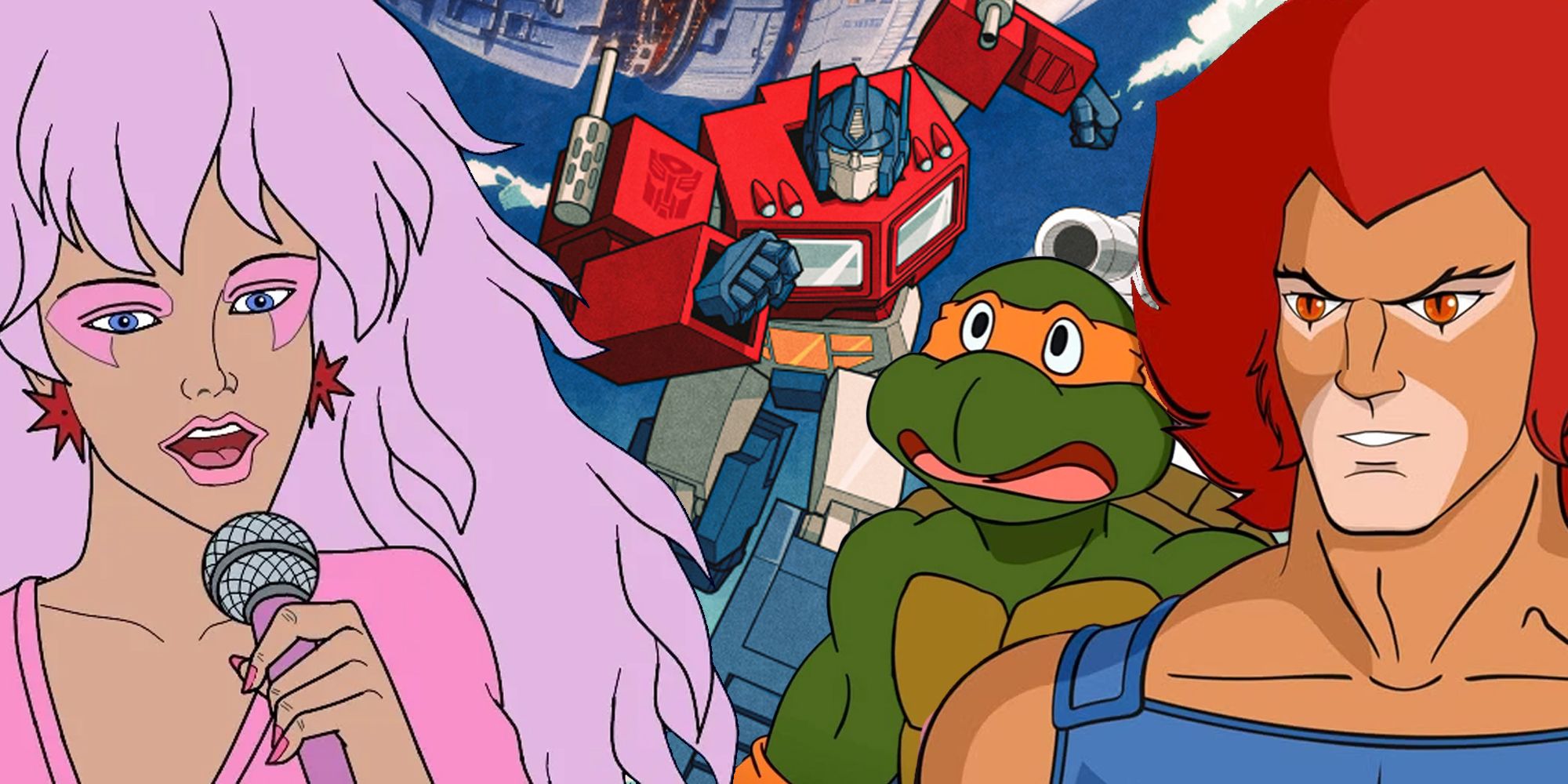
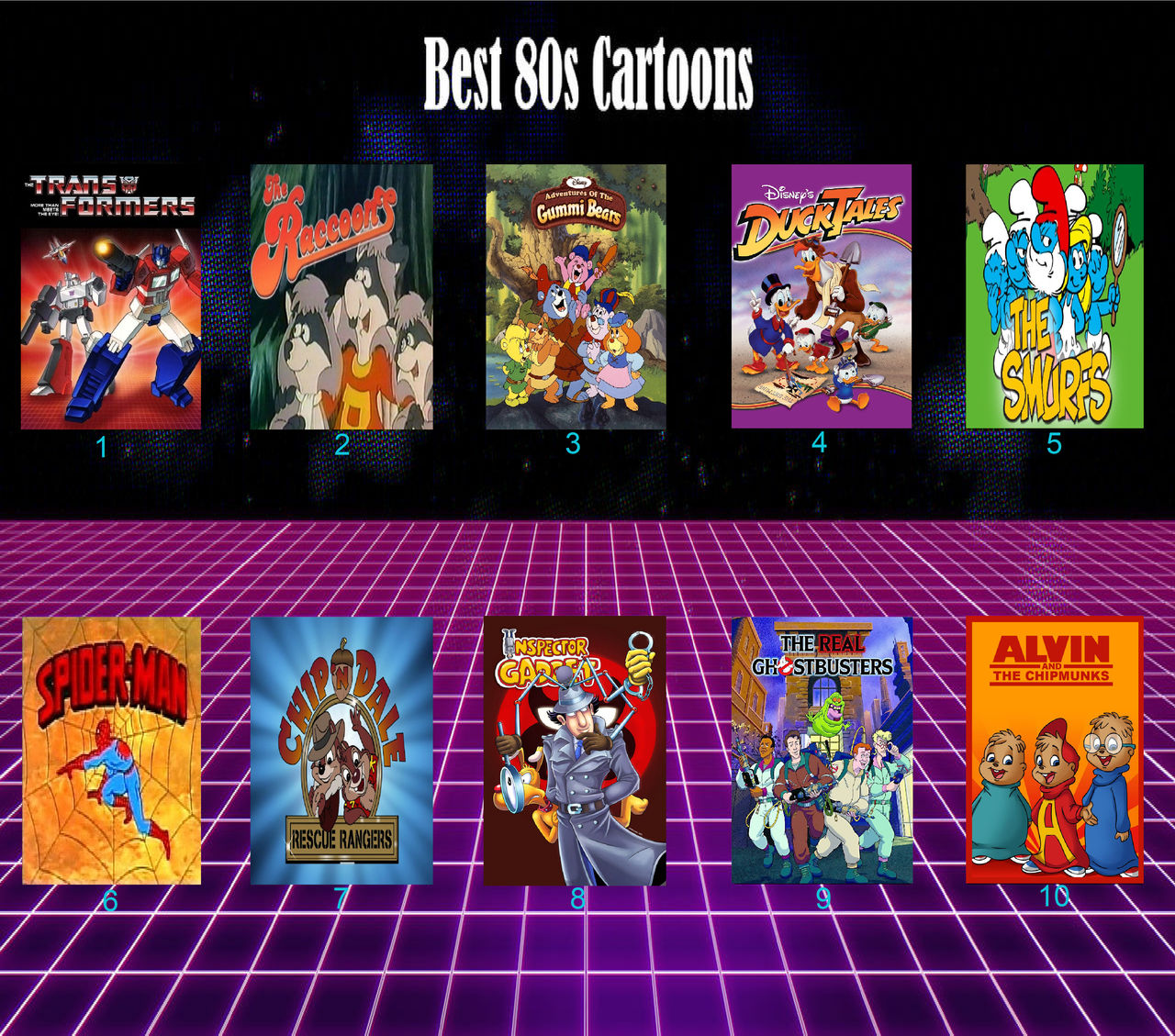
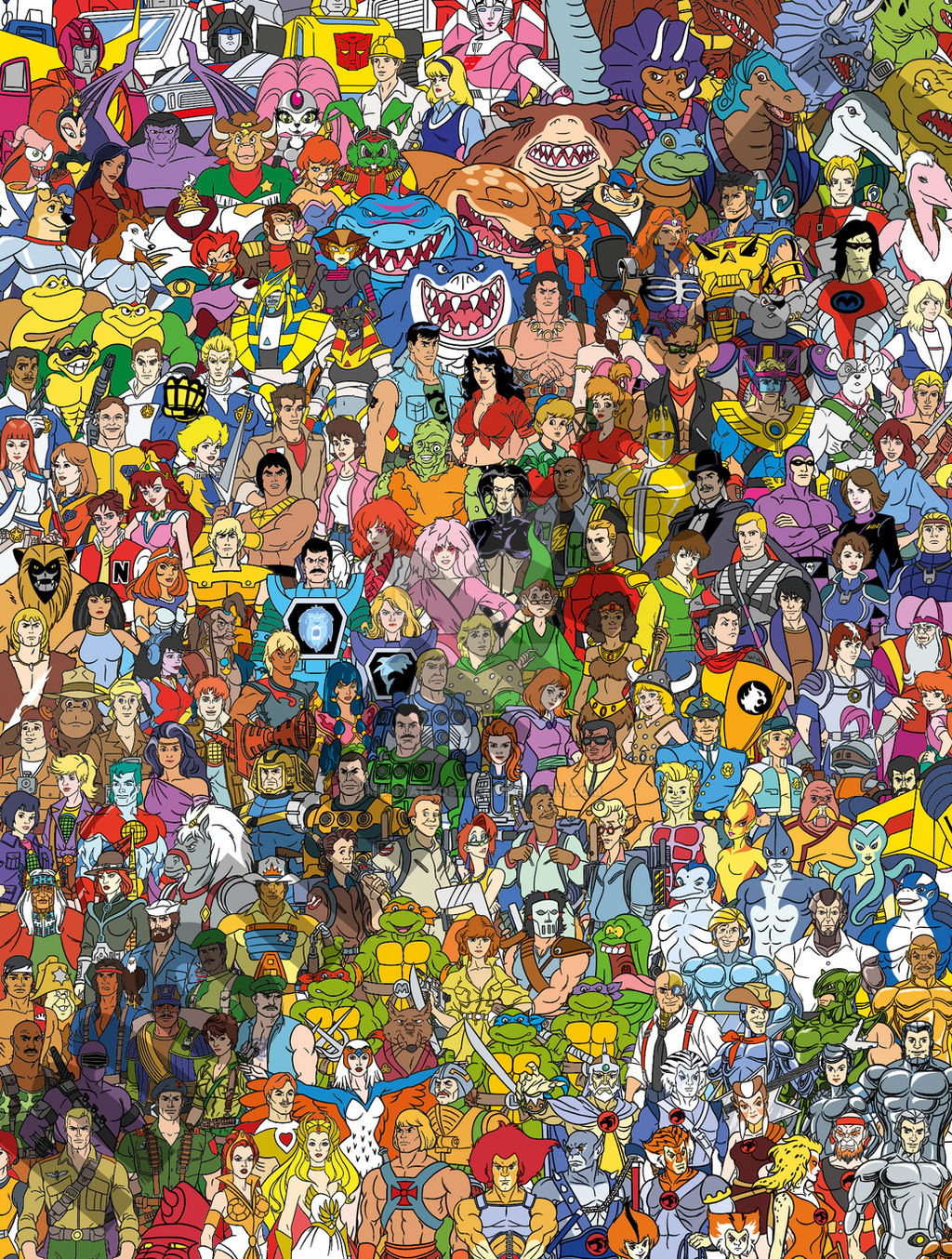
80s cartoons represent a transformative decade in animation defined by FCC deregulation, high-concept action series, and the birth of toy-driven programming. These shows, ranging from The Transformers to He-Man, prioritized brand-building through narrative, creating a lasting cultural legacy that continues to influence modern media, streaming reboots, and high-end collectibles in 2026.
The Socio-Political Catalyst: How Deregulation Built an Empire
To understand why the 1980s produced such a specific and prolific volume of animated content, one must look toward the legislative shifts of the era. Prior to 1984, the Federal Communications Commission (FCC) maintained strict guidelines regarding the separation of editorial content and commercial advertising in children's television. These regulations effectively prohibited shows from being created primarily to sell a specific product.
However, during the Reagan administration, the FCC underwent significant deregulation. Under Chairman Mark S. Fowler, who famously referred to television as "a toaster with pictures," the barriers between programming and product marketing were dismantled. This allowed companies like Mattel, Hasbro, and Kenner to collaborate directly with animation studios like Filmation and Sunbow. The result was the "program-length commercial"—shows designed from the ground up to showcase a line of action figures or playsets. While critics at the time lamented the commercialization of childhood, this era inadvertently produced some of the most complex lore and memorable character designs in television history, as writers sought to give children a reason to care about the plastic figures on store shelves.
Iconic Pillars of 80s Action and Adventure
The action-adventure genre dominated the 1980s, characterized by high stakes, clear distinctions between good and evil, and innovative science-fiction or fantasy concepts.
He-Man and the Masters of the Universe (1983–1985)
Produced by Filmation, He-Man was one of the first major successes of the toy-tie-in era. The series was notable for its use of rotoscoping—a technique where animators trace over live-action footage to achieve more realistic movement. Set on the planet Eternia, the show blended sword-and-sorcery with advanced technology. It also pioneered the "moral of the story" segment at the end of each episode, a tactic used to appease parental concerns regarding the show's violence.
The Transformers (1984–1987)
A collaboration between Hasbro, Marvel Productions, and Sunbow, The Transformers introduced the concept of sentient, shapeshifting robots. The show's success lay in its diverse cast of characters, each with a distinct personality and "alt-mode." The 1986 feature film, The Transformers: The Movie, remains a watershed moment for the medium, famous for its high-quality animation and the controversial decision to kill off the protagonist, Optimus Prime, to make way for a new line of toys.
ThunderCats (1985–1989)
Produced by Rankin/Bass, ThunderCats followed a group of cat-like humanoid aliens fleeing their dying home world. The series is celebrated for its distinctive aesthetic, blending Western storytelling with the kinetic animation styles of Japanese studios like Pacific Animation Corporation (which later became part of Studio Ghibli). The "Sword of Omens" and the "Eye of Thundera" became iconic cultural symbols of the decade.
The Production Landscape: Studios and Animation Techniques
The 1980s saw a shift in how cartoons were produced and financed. Production was often a global effort, with creative direction and scripts originating in the United States while the labor-intensive "in-betweening" and coloring were outsourced to animation houses in Japan and South Korea.
- Filmation: Based in California, Filmation was known for keeping production entirely in the U.S. To maintain profitability, they reused animation cycles extensively. If a character looked like they were running the same way in three different episodes, they likely were.
- Sunbow Entertainment: In partnership with Marvel Productions, Sunbow was responsible for the "big three": G.I. Joe, Transformers, and My Little Pony. Their work was characterized by higher frame rates and more detailed backgrounds compared to standard budget fare.
- DiC Entertainment: Originally a French company, DiC became a powerhouse in the U.S. market with Inspector Gadget, The Real Ghostbusters, and Heathcliff. They often focused on more comedic or episodic content rather than epic serialized sagas.
Comparison of Key 80s Cartoon Franchises
| Series Title | Production Studio | Primary Launch Year | Key Innovation/Legacy |
|---|---|---|---|
| He-Man | Filmation | 1983 | First major success of the toy-tie-in era. |
| The Transformers | Sunbow / Marvel | 1984 | Introduced serialized mechanical transformation. |
| G.I. Joe: A Real American Hero | Sunbow / Marvel | 1983 | Pioneered the "ensemble cast" marketing strategy. |
| Voltron | World Events Prod. | 1984 | Popularized "combining robot" tropes in the West. |
| The Smurfs | Hanna-Barbera | 1981 | Proved high-fantasy comedy could sustain long runs. |
| ThunderCats | Rankin/Bass | 1985 | Blended Western mythos with Japanese art styles. |
| Teenage Mutant Ninja Turtles | Murakami-Wolf-Swenson | 1987 | Defined the "cowabunga" era of late 80s humor. |
Genre Diversification: Beyond Action Figures
While action shows received the most attention, the 80s also fostered a boom in "cute" and "educational" programming. This was the era of The Smurfs, which became a Saturday morning juggernaut for Hanna-Barbera, lasting nine seasons. Shows like Care Bears, My Little Pony, and Strawberry Shortcake targeted younger demographics and female audiences, emphasizing emotional intelligence and cooperation.
Furthermore, the late 80s saw the rise of the "syndicated afternoon block." Shows like DuckTales (1987) from Disney Television Animation raised the bar for production quality. Disney invested significantly more per episode than its competitors, utilizing high-quality cel animation and orchestral scores, which eventually led to the "Disney Afternoon" block of the early 90s.
The 2026 Perspective: Preservation and Modern Consumption
As of 2026, 80s cartoons have transitioned from disposable children's entertainment into a multi-billion dollar nostalgia industry. The "kidult" market—adults who buy toys and media from their childhood—is a primary driver for major entertainment companies.
Streaming and Accessibility
In the current digital landscape, the vast majority of the 80s catalog has been remastered for streaming. Platforms such as Hasbro Pulse, Tubi, and Pluto TV offer dedicated channels for classic animation. However, certain shows remain in "rights limbo" due to complex legal entanglements between defunct studios (like Filmation) and modern parent companies (like NBCUniversal or Warner Bros. Discovery).
The Collector's Market
In 2026, original production cels—the hand-painted sheets used to create the cartoons—have become high-value art pieces. A single high-quality cel from The Transformers or ThunderCats can command thousands of dollars at auction. Similarly, the toy lines that these shows were built to promote are now the centerpiece of the vintage toy market, with "Mint on Card" (MOC) figures frequently outperforming traditional investments.
Frequently Asked Questions
What was the first cartoon based on a toy?
While several shows had merchandising, Mattel's Mattel's Hot Wheels (1969) is often cited as an early attempt, but it was largely banned. The first true "modern" toy-based cartoon of the 80s was He-Man and the Masters of the Universe in 1983, which exploited the new FCC deregulation to create a narrative around an existing toy line.
Why did 80s cartoons always have "Knowing is Half the Battle" segments?
These Public Service Announcements (PSAs) were a strategic move by broadcasters and toy companies. By including educational or safety messages, they could argue to regulators and parent groups that the shows provided "pro-social" value, mitigating the criticism that the programs were merely long-form commercials.
Which 80s cartoons were actually "Anime"?
Many shows that Americans consider 80s cartoons were animated by Japanese studios. The Transformers and G.I. Joe were animated largely by Toei Animation. ThunderCats was animated by Pacific Animation Corporation. While the scripts and concepts were American, the visual language was deeply rooted in Japanese animation techniques of the time.
How did the 1986 Transformers movie change the industry?
The film was significant because it was one of the first times a children's cartoon dared to kill off its main hero, Optimus Prime. The backlash from traumatized children and angry parents was so severe that it forced other productions, like G.I. Joe: The Movie, to change their scripts (saving the character Duke from a planned death) to avoid similar controversy.
Are 80s cartoons still being made today?
While the original productions ended decades ago, the franchises are more active than ever in 2026. Reboots like Masters of the Universe: Revelation, various Transformers iterations, and She-Ra and the Princesses of Power continue to iterate on the original 80s lore for new generations.
Managing a Classic Animation Collection in 2026
For those looking to engage with 80s cartoons today, the best approach is to focus on curated physical media or specialized streaming services. Because digital licenses can expire, owning "Complete Series" DVD or Blu-ray sets remains the most reliable way to preserve these shows. When purchasing vintage toys associated with these cartoons, collectors should use ultraviolet (UV) protective cases to prevent the plastic degradation and "yellowing" common in 40-year-old toys. For those interested in the history of the medium, visiting archives like the Museum of the Moving Image provides insight into the technical artistry that defined this neon-soaked decade of animation.