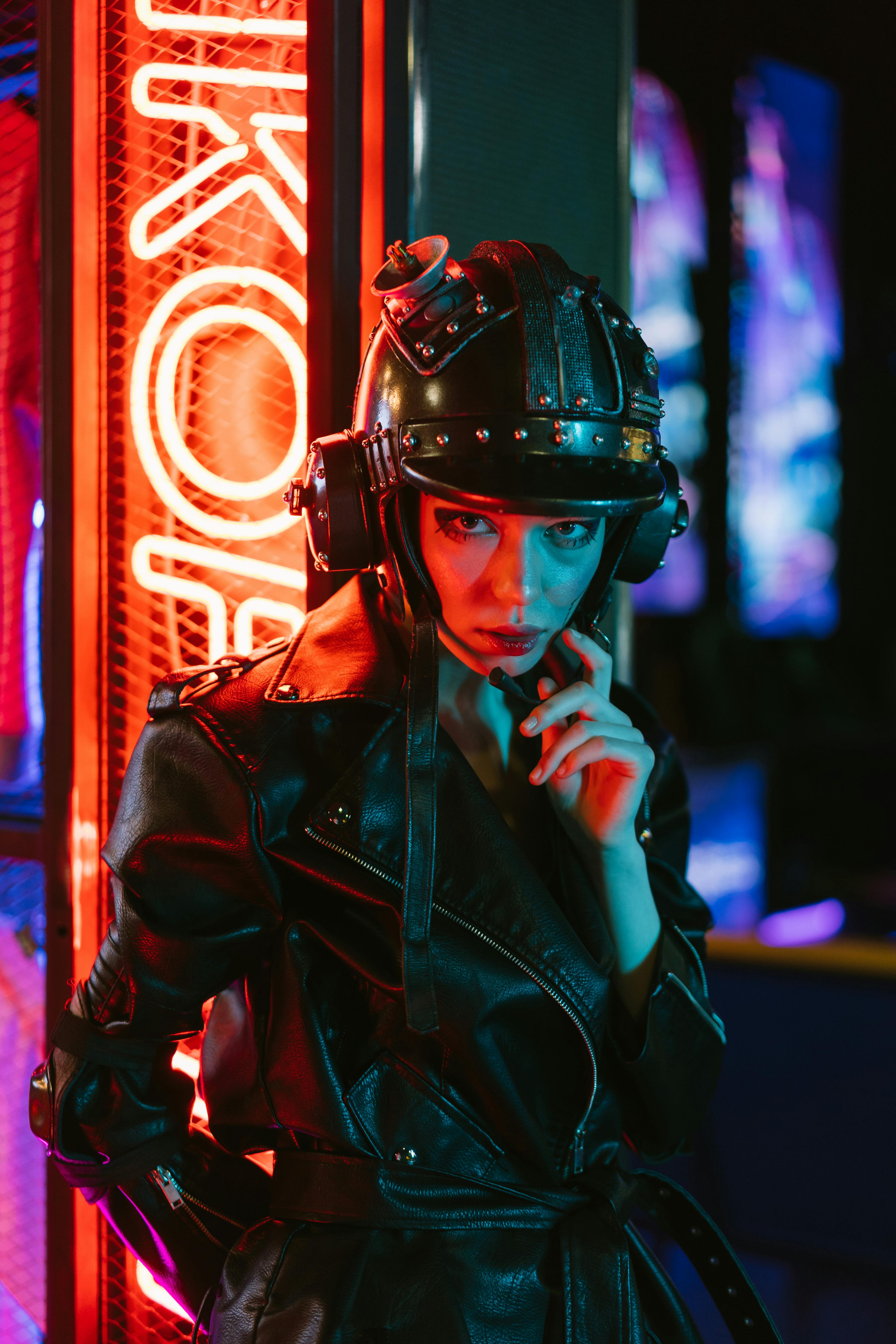
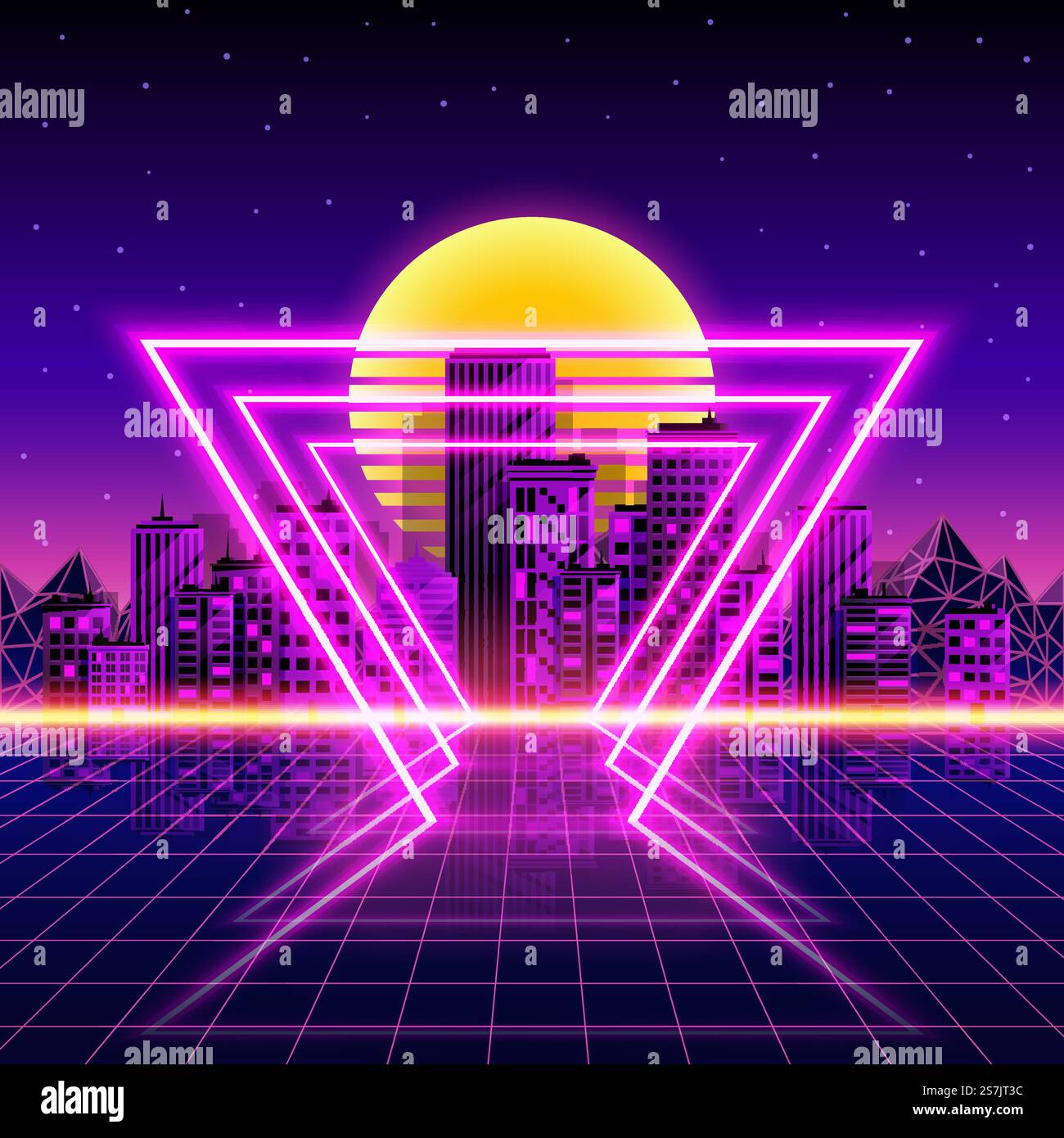
The 80s and 90s style neon nostalgia revival is a cultural and aesthetic movement that blends the vibrant, high-contrast visual languages of the late 20th century with modern technology. By 2026, this trend has evolved into a sophisticated design standard used in interior decor, digital branding, and entertainment to evoke emotional warmth and futuristic optimism.
The Cultural Drivers of the Neon Nostalgia Movement
The resurgence of 80s and 90s aesthetics is not a mere accident of fashion; it is the result of a predictable 30-year nostalgia cycle accelerated by digital connectivity. As of 2026, the generation that grew up in the 1990s occupies significant positions of economic and creative power, while Gen Z has adopted these styles as a "new" and exotic alternative to the sterile minimalism of the 2010s. This "New Retro" movement thrives on the tension between the analog past and the hyper-digital present.
In the 1980s, neon represented the "future"—a world of Blade Runner-esque urban landscapes and high-tech possibilities. In the 1990s, it shifted toward a more playful, experimental phase characterized by "Global Village" coffee shops and early internet aesthetics. Today’s revival synthesizes these two eras. Consumers are increasingly seeking environments and products that feel "tactile" and "lived-in," moving away from the flat, clinical whites and greys of previous design eras. The glow of neon provides a sense of sanctuary and atmosphere that digital screens alone cannot replicate.
Furthermore, the revival is heavily fueled by the "Synthwave" and "Vaporwave" music and art subcultures. These genres have moved from niche internet forums into the mainstream, influencing everything from blockbuster film scores to high-end luxury car marketing. By 2026, the neon look is no longer just for arcades or dive bars; it is a primary tool for creating brand identity in a crowded, visually saturated marketplace.
Defining the Visual Vocabulary: 80s Grit vs. 90s Playfulness
Understanding the neon revival requires distinguishing between the two decades it draws from. While they are often grouped together, the 1980s and 1990s offer distinct color palettes and geometric structures that designers in 2026 use to target specific moods.
The 1980s aesthetic is defined by high-contrast "Electric" colors. Think of deep magentas, cyan blues, and ultraviolet purples. The geometry is sharp, featuring grids, wireframe landscapes, and heavy use of "chrome" reflections. This is the era of the "Outrun" look—the feeling of driving a sports car into a digital sunset. The neon here is sharp, buzzing, and often used to outline architectural features or provide a moody, noir-inspired backlight.
In contrast, the 1990s component of the revival is often referred to as "Memphis Design" or "Jazz Pattern" aesthetics. This look favors squiggly lines, confetti shapes, and pastel-leaning neons like lime green, bright yellow, and hot pink. The 90s revival is less about the "gritty city" and more about "playful chaos." It incorporates motifs from early computer interfaces, 16-bit gaming, and the vibrant clutter of Nickelodeon-era television sets. Combining these two styles allows modern creators to build spaces that feel both sophisticated and nostalgic.
Technological Foundations: From Gas Tubes to LED Flex
A significant reason for the 2026 neon revival's success is the technological leap from traditional glass-tube neon to LED Neon Flex. While glass neon is a masterful craft involving hand-blown tubes and high-voltage gases like neon and argon, it is fragile, expensive, and energy-intensive.
LED Neon Flex, which has become the industry standard by 2026, uses high-density Light Emitting Diodes encased in a flexible silicon or PVC diffuser. This technology has democratized the neon look, making it accessible for residential use and small business branding. Modern LED neon is 80% more energy-efficient than traditional glass, stays cool to the touch, and can be programmed with RGBW (Red, Green, Blue, White) controllers to change colors or sync with music.
The ability to create complex, script-heavy signs or intricate logos at a fraction of the cost of traditional neon has allowed "neon walls" to become a staple in modern home offices and retail storefronts. Additionally, 2026-era LEDs offer a much higher Color Rendering Index (CRI), meaning the "glow" feels more natural and less like a flickering electronic light, successfully mimicking the warmth of the original gas-filled tubes.
Comparison of Neon Technologies in the 2026 Market
When implementing a neon-style revival project, it is essential to compare the traditional and modern methods to determine which fits the specific application.
| Feature | Traditional Glass Neon | LED Neon Flex (2026 Standard) |
|---|---|---|
| Material | Lead glass tubes, noble gases | Silicon/PVC, High-density LEDs |
| Lifespan | 8,000 to 15,000 hours | 30,000 to 50,000 hours |
| Durability | Highly fragile; prone to breaking | High impact resistance; flexible |
| Operating Voltage | 3,000V - 15,000V (requires transformer) | 12V - 24V (low voltage safety) |
| Customization | Labor-intensive handcrafting | Machine-cut, programmable RGB |
| Energy Usage | 3.5 to 4 watts per foot | 1.2 to 2 watts per foot |
| Maintenance | Requires specialist repair and gas refills | Generally maintenance-free; modular |
| Typical Cost | $200 - $1,000+ per sign | $50 - $400 per sign |
Integrating Neon Nostalgia into Interior Design
In 2026, the application of neon nostalgia has moved beyond the simple "bar sign" and into sophisticated architectural lighting. Interior designers use "cove lighting" and "under-cabinet glow" to create layered lighting schemes that define a room’s mood.
For a residential "Retrocade" or home theater, the key is the use of diffused light. Placing LED neon strips behind monitors or under furniture creates a floating effect known as "underglow." This technique, borrowed from 90s car culture, softens the harsh edges of a room and adds a sense of depth. In kitchens and living areas, designers are opting for "neon-style" linear lighting in unconventional colors like "radioactive green" or "retro peach" to break the monotony of standard warm white bulbs.
Commercial spaces, such as boutique gyms and concept cafes, utilize neon as a primary focal point. A large, script-based neon sign often serves as an "Instagrammable" landmark, driving social media engagement. The current trend in 2026 is to pair these high-tech lights with "analog" textures—exposed brick, velvet upholstery, or dark wood—to create a "Cyber-Luxe" environment that feels both futuristic and grounded in reality.
Digital Media and Graphic Design Trends
The neon revival is perhaps most visible in the digital realm. Graphic designers in 2026 utilize specialized software filters to recreate the imperfections of 80s and 90s media. This includes chromatic aberration (the color bleeding seen on old TVs), scan lines, and "VHS noise."
Branding for tech startups often uses "Glow Effects" and "Outer Glow" layers in UI/UX design to make buttons and headers appear as if they are illuminated from within. This isn't just for aesthetics; the high contrast of neon-on-black or neon-on-deep-navy is highly readable on OLED mobile screens, which have become nearly universal by 2026.
Video games and cinema have also embraced this "Retrofuturism." The visual style of the 2026 gaming landscape often features "Ray-Tracing" technology specifically to show off neon reflections on wet pavement or metallic surfaces. This obsession with light and reflection allows modern hardware to showcase its power while paying homage to the low-fidelity dreams of the past.
Common Pitfalls and Implementation Mistakes
While the neon revival is popular, it is easy to overdo, resulting in a space that feels cluttered or visually exhausting. One of the most common mistakes is color clashing. Using too many competing neon hues without a neutral base can lead to "visual noise." Experts recommend the 60-30-10 rule: 60% neutral background (black, dark grey, or navy), 30% primary neon color (e.g., cyan), and 10% accent neon (e.g., magenta).
Another mistake is neglecting the diffusion of light. Bare LED strips where the individual "dots" or diodes are visible look cheap and modern in a way that breaks the retro illusion. For a true nostalgia revival, the light source must be smooth and continuous. Using high-quality silicone diffusers or hiding the light source entirely so only the "glow" is visible is crucial for a professional look.
Finally, consider the flicker rate and dimming. Poor-quality LED drivers can cause subtle flickering, which leads to eye strain and headaches. In 2026, high-quality "flicker-free" dimmers are a requirement for any serious neon installation, allowing the user to adjust the intensity of the nostalgia to suit the time of day and the intended atmosphere.
FAQs about the Neon Nostalgia Revival
How long does a modern LED neon sign last?
In 2026, high-quality LED neon signs are rated for approximately 50,000 hours of continuous use. For most users, this translates to over 10 years of lifespan if the sign is used for 10-12 hours a day. Unlike traditional glass neon, these signs do not lose brightness over time and do not require gas refills.
Are neon lights expensive to run in terms of electricity?
No. Modern LED neon is highly efficient, typically drawing between 1.2 and 2 watts per foot. A medium-sized decorative sign will usually cost less than $5 USD per year to operate, even with daily use. This makes it an affordable option for both residential and commercial applications compared to traditional incandescent or halogen lighting.
What is the difference between 80s and 90s neon styles?
The 80s style is generally more "cinematic" and dark, focusing on "Cyberpunk" themes with a palette of deep purples, blues, and magentas. The 90s style is more "playful" and bright, utilizing "pop" colors like lime green, bright yellow, and hot orange, often paired with geometric shapes and "anti-design" patterns reminiscent of early digital graphics.
Can I install neon lighting myself?
Yes, most LED neon products in 2026 are "plug-and-play." They typically use 12V or 24V DC power adapters that plug into standard wall outlets. However, for "hardwired" architectural installations (like cove lighting), a licensed electrician should be consulted to ensure the drivers are properly integrated into the home's electrical system.
Does neon light affect sleep patterns?
Like all light sources, neon—especially those in the blue and violet spectrum—can interfere with melatonin production if used late at night. For bedroom installations, it is recommended to use "smart" neon controllers that can shift the color toward warmer oranges or reds in the evening, or to utilize dimmers to reduce the intensity before sleep.
Next Steps for Your Retro-Neon Project
To successfully implement an 80s or 90s neon revival project in 2026, begin by defining your color story. Choose whether you are aiming for the "Night City" 80s look or the "Memphis Pop" 90s vibe. Once the mood is established, prioritize the quality of your materials. Avoid cheap, non-diffused LED strips in favor of high-density COB (Chip on Board) LED neon flex for a smooth, authentic glow.
Start with a single "statement piece," such as a custom-made script sign or a linear neon accent wall, before expanding into a full room redesign. Use smart-home integration to allow your lighting to adapt to different scenarios, such as movie nights or high-energy workspaces. By focusing on diffusion, color harmony, and modern efficiency, you can capture the magic of the past while enjoying the reliability of 2026 technology.