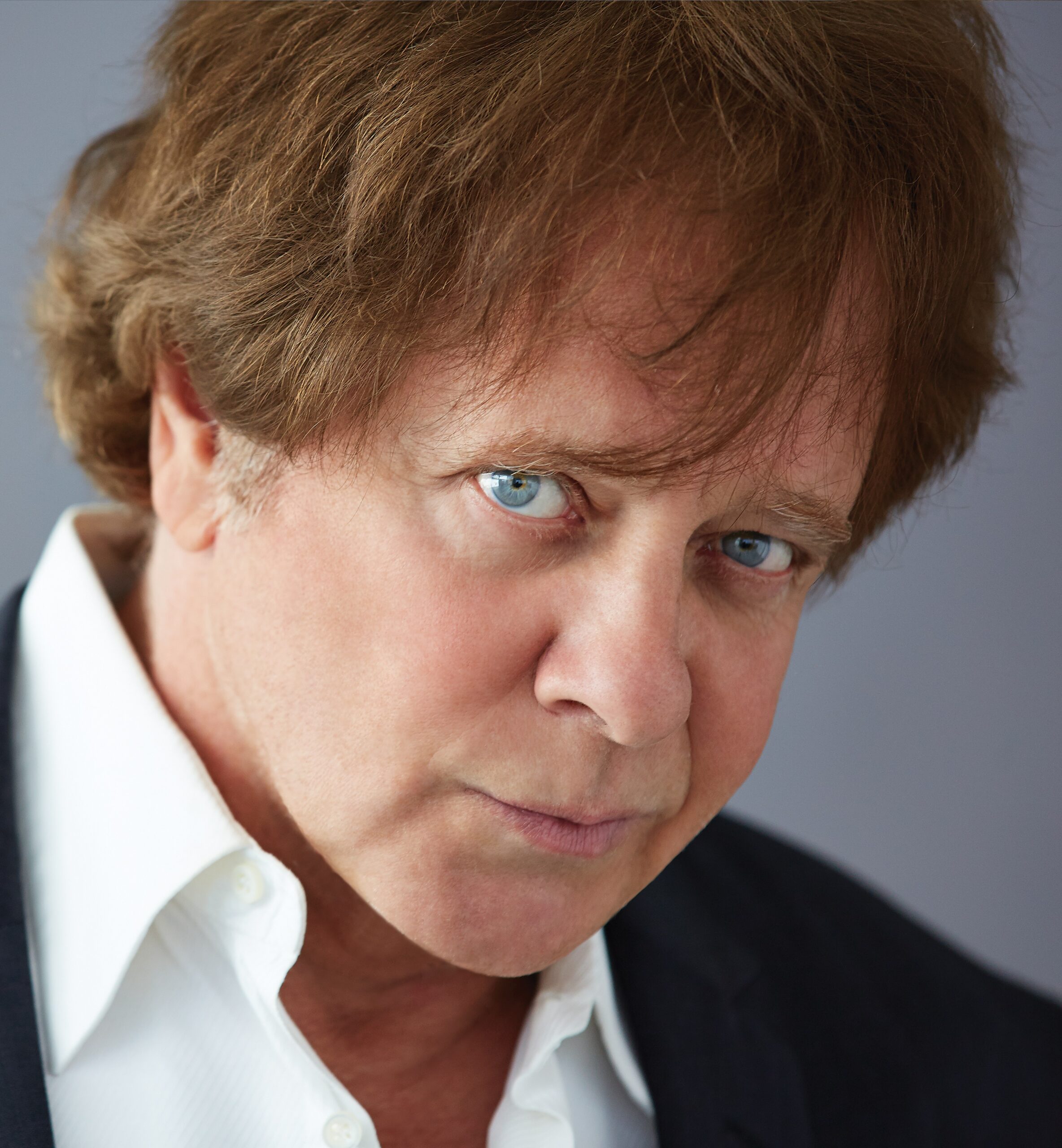
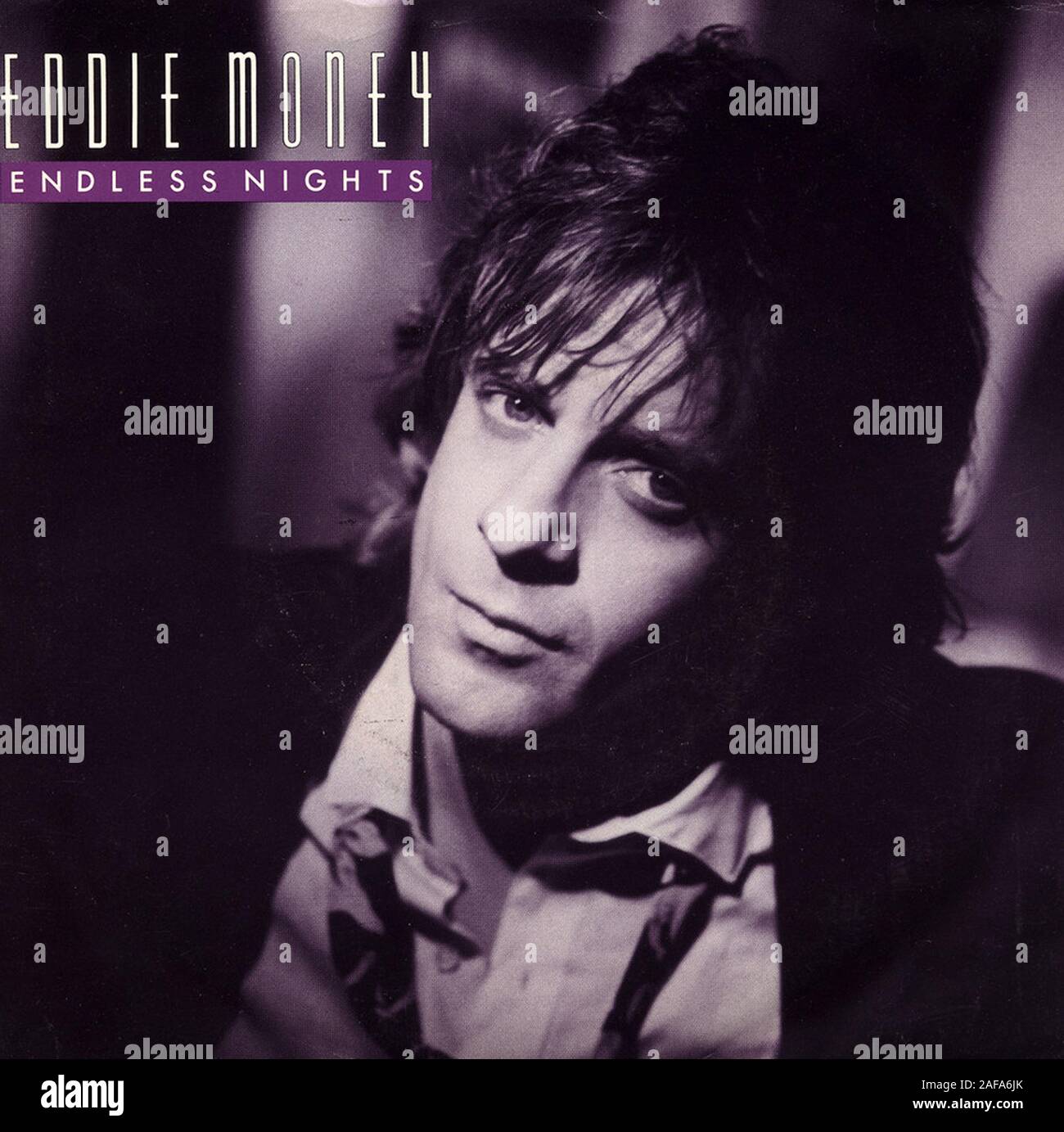
Eddie Money’s 1980s catalog represents the quintessential fusion of blue-collar rock and polished "Neon Nights" production. His music defines the transition from gritty 1970s bar-band energy to the synthesizer-driven, high-gloss anthems that dominated classic hits radio. In 2026, Money’s work remains a staple for listeners seeking the driving rhythms and soulful rasp that characterized the era's nocturnal, urban aesthetic.
The term "Neon Nights" evokes a specific atmosphere: late-night drives, city lights, and the heavy rotation of Album Oriented Rock (AOR) on FM radio. Eddie Money was the face of this movement, bridging the gap between the Everyman relatability of Bruce Springsteen and the pop-rock sensibilities of the MTV era. To understand the impact of his 80s classic hits, one must examine the evolution of his sound, the technical production of his most famous tracks, and his enduring presence in the classic rock canon.
The Evolution of the Eddie Money Sound: 1980–1989
Eddie Money entered the 1980s as an established rocker, but the decade forced an evolution in his sound to remain competitive with the rising tides of New Wave and Hair Metal. His early 80s work, such as Playing for Keeps (1980), still leaned heavily into the 70s rock aesthetic—guitar-forward with a focus on live-band dynamics. However, as the decade progressed, Money embraced the "Neon Nights" production style, characterized by gated reverb drums, prominent synthesizers, and layered vocal harmonies.
The pivotal moment in this evolution was the 1982 release of No Control. This album moved away from the softer pop-rock experiments of his previous record and returned to a harder, more urgent sound. Tracks like "Shakin'" and "Think I'm in Love" became the blueprints for his 80s success. These songs featured a distinct nocturnal energy—lyrics about fast cars, fleeting romance, and the adrenaline of the city—which solidified his association with the "Neon Nights" theme.
By the mid-80s, after a period of personal struggle and professional uncertainty, Money achieved his greatest commercial heights. The 1986 album Can't Hold Back was a masterclass in mid-80s production. It utilized the era’s cutting-edge technology to create a massive, wall-of-sound effect that felt both modern and timeless. This era of his career is what most listeners identify as the peak of his "classic hits" period, where his voice—a mix of gravel and soul—cut through the dense electronic arrangements of the time.
Analyzing the "Neon Nights" Production Aesthetic
The "Neon Nights" aesthetic is not just a visual theme; it is a sonic profile. In the context of 80s Eddie Money hits, this involved a specific approach to recording and mixing that was designed to sound best on high-fidelity car stereos and FM radio airwaves.
The Role of Gated Reverb and Percussion
One of the hallmarks of Eddie Money’s 80s hits was the use of gated reverb on the drums. This technique, popularized by producers like Hugh Padgham and Peter Gabriel, gave the snare drum a massive, explosive sound that cut off abruptly. In tracks like "I Wanna Go Back," the percussion feels industrial yet rhythmic, providing a steady "heartbeat" that drove the nostalgic tone of the song.
Synthesizer Integration and Texture
Unlike pure synth-pop bands, Eddie Money used keyboards to augment his rock foundation. In the hit "Walk on Water" (1988), the synthesizers provide a shimmering, atmospheric backdrop—the "neon" glow—while the guitars maintain the grit. This balance was crucial; it allowed him to appeal to both traditional rock fans and the younger, pop-focused MTV audience. The technical depth of these arrangements ensured that the songs didn't feel "thin" compared to the heavier metal tracks of the late 80s.
Vocal Layering and Collaborative Hooks
The 80s was the era of the "mega-hook," and Money’s production team focused heavily on vocal layering. The most famous example is "Take Me Home Tonight," which featured the legendary Ronnie Spector. The production choice to interpolate the melody of "Be My Baby" was a stroke of genius, linking the 80s "Neon Nights" sound to the 60s Wall of Sound. This cross-generational appeal is a primary reason why his hits remain staples of the classic rock format in 2026.
Essential Eddie Money 80s Discography and Performance
Eddie Money’s 80s output is defined by five major studio albums. Each represents a different phase of the decade's musical trends, from the post-punk transition to the height of AOR power ballads.
| Album | Release Year | Peak Billboard Position | Key "Neon Nights" Hits | RIAA Certification |
|---|---|---|---|---|
| Playing for Keeps | 1980 | #35 | "Trinidad", "Running Back" | - |
| No Control | 1982 | #20 | "Shakin'", "Think I'm in Love" | Platinum |
| Where's the Party? | 1983 | #67 | "The Big Crash" | - |
| Can't Hold Back | 1986 | #33 | "Take Me Home Tonight", "I Wanna Go Back" | Platinum |
| Nothing to Lose | 1988 | #49 | "Walk on Water", "The Love in Your Eyes" | Gold |
The 1982 album No Control is often cited by purists as his best work of the decade. It captured a raw, hungry energy that was missing from the more polished Where's the Party?. However, Can't Hold Back remains the commercial juggernaut. In 2026, these albums are frequently sought after by vinyl collectors for their "original master" sound quality, which captures the nuance of the 80s analog-to-digital transition.
The Cultural Impact of Eddie Money’s Classic Hits
Eddie Money’s success was not limited to the radio; he was a pioneer of the music video era. His relatable, often self-deprecating persona on MTV helped humanize the "rock star" image. In the video for "Shakin'," the inclusion of Apollonia Kotero and the focus on high-speed driving through city streets perfectly encapsulated the "Neon Nights" lifestyle that fans aspired to.
His music also spoke to a specific American experience: the desire to return to a simpler time. "I Wanna Go Back" (1986) became an anthem for the Baby Boomer generation as they entered middle age, but its themes of nostalgia and the passage of time have made it a perennial favorite for all ages. In 2026, this track is frequently used in cinema and streaming series to evoke an immediate sense of 80s longing.
Furthermore, Money’s "Everyman" appeal allowed him to sustain a touring career long after his chart dominance faded. He was known as the "Money Man," a performer who gave his all to the audience, often opening the summer concert season at major amphitheatres. This connection with the live audience ensured that his "classic hits" were never just museum pieces; they were living, breathing anthems.
Accessing and Preserving the 80s Catalog in 2026
For listeners in 2026, accessing Eddie Money’s 80s catalog has never been easier, yet the methods vary depending on the desired audio fidelity. The "Neon Nights" experience is often best enjoyed through high-resolution audio formats that preserve the dynamic range of the original recordings.
- High-Resolution Streaming: Platforms specializing in lossless audio (FLAC or ALAC) provide 24-bit remasters of No Control and Can't Hold Back. These versions reduce the "loudness war" compression often found on early 2000s CD reissues.
- Vinyl Reissues: There has been a significant resurgence in 180g vinyl pressings of Money’s mid-80s work. These are often mastered from the original analog tapes, providing a warmth that complements the "Neon Nights" synthesizer textures.
- Curated Playlists: The "Neon Nights" branding is frequently used on digital streaming platforms to categorize 80s night-drive music. Searching for "Eddie Money Classic Hits" within these curated environments often reveals deeper cuts like "The Big Crash" or "One Chance."
- Legacy Concerts and Tributes: While Eddie Money passed away in 2019, his family and various tribute ensembles continue to perform his hits. In 2026, holographic and high-definition concert screenings have also become a way for fans to experience the energy of a 1980s Eddie Money show.
Common Mistakes in Collecting 80s Hits
A common error for new fans is purchasing "Greatest Hits" packages that use "re-recorded" versions of the songs. In the late 90s and early 2000s, many artists re-recorded their hits for budget labels. These versions lack the original production magic of the 80s. To get the true "Neon Nights" sound, collectors should verify that they are purchasing the original Columbia Records masters.
FAQs About Eddie Money’s 80s Career
Why is "Take Me Home Tonight" considered his definitive 80s hit?
"Take Me Home Tonight" served as a bridge between the classic rock era and the modern pop era. By featuring Ronnie Spector, Eddie Money paid homage to the history of rock and roll while utilizing a production style that was perfectly suited for 1986. The song’s massive success on both radio and MTV made it an inescapable part of the cultural zeitgeist, and its nostalgic power has only grown over the decades.
What does the term "Neon Nights" refer to in music?
In the context of 80s rock, "Neon Nights" refers to a stylistic aesthetic that blends urban, nocturnal themes with synthesizer-heavy production. It is the sound of the city after dark—energetic, slightly moody, and polished. Eddie Money’s music fits this perfectly because of his focus on themes of night-time romance, driving, and the escapism found in the urban landscape.
How did Eddie Money's style change between 1980 and 1989?
Money began the decade as a straightforward rock-and-roll singer with strong soulful influences. By the mid-80s, his music incorporated more digital technology, including synthesizers and programmed percussion. By the end of the decade, with the Nothing to Lose album, he had moved toward a more mature, AOR (Album Oriented Rock) sound that prioritized power ballads and mid-tempo rockers with high production values.
Are there any specific "Neon Nights" tours featuring Eddie Money's music in 2026?
While Eddie Money himself is no longer with us, the "Neon Nights" branding is frequently used for 80s nostalgia tours and festival circuits. In 2026, legacy acts and "Best of the 80s" tribute tours often feature his music as a cornerstone of the setlist. Additionally, digital immersive experiences and high-definition concert broadcasts often use the "Neon Nights" title to celebrate the 80s rock era.
What is the best way to verify the authenticity of 80s Eddie Money vinyl?
Collectors should look for the original Columbia Records "walking eye" logo and check the matrix runout numbers on the vinyl. Original 80s pressings will have specific identifiers that distinguish them from modern reissues or bootlegs. For the best "Neon Nights" sound, look for pressings from the Sterling Sound or Masterdisk studios, which handled many of his 80s releases.
Recommended Next Steps for Fans and Collectors
To truly immerse yourself in the 80s Eddie Money experience, start by revisiting the No Control album in its entirety. While "Shakin'" is the hit, the deeper tracks provide a more comprehensive view of the "Neon Nights" rock aesthetic. From there, compare the raw energy of his 1982 work with the polished perfection of the 1986 Can't Hold Back album.
For those interested in the technical side of 80s music, researching the work of producers like Richie Zito (who worked on Can't Hold Back) can provide insight into how the "Neon Nights" sound was constructed in the studio. Whether you are a long-time fan or a newcomer discovering these tracks in 2026, Eddie Money’s 80s classic hits remain a vital, energetic, and essential part of the American rock soundtrack.