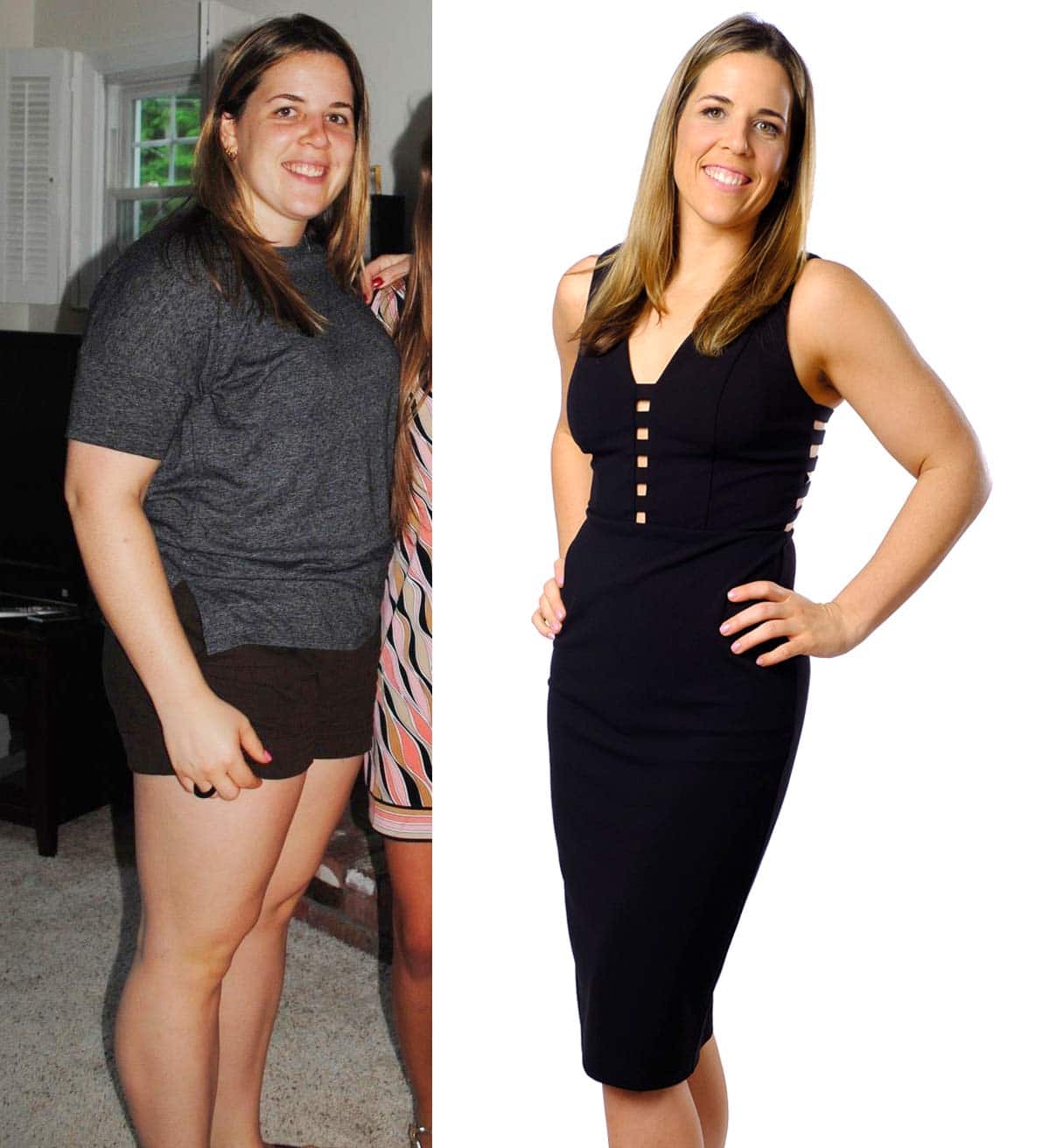
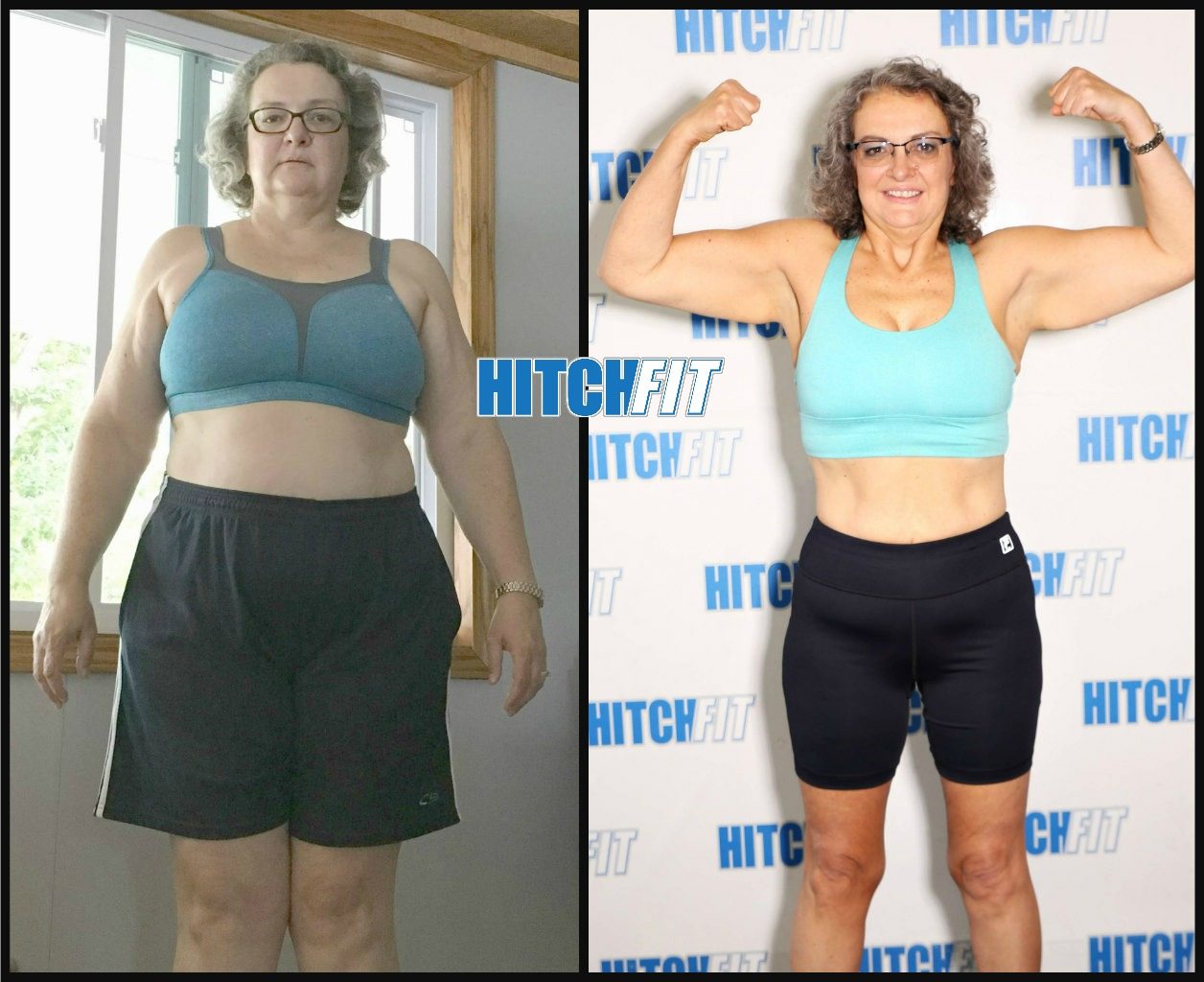
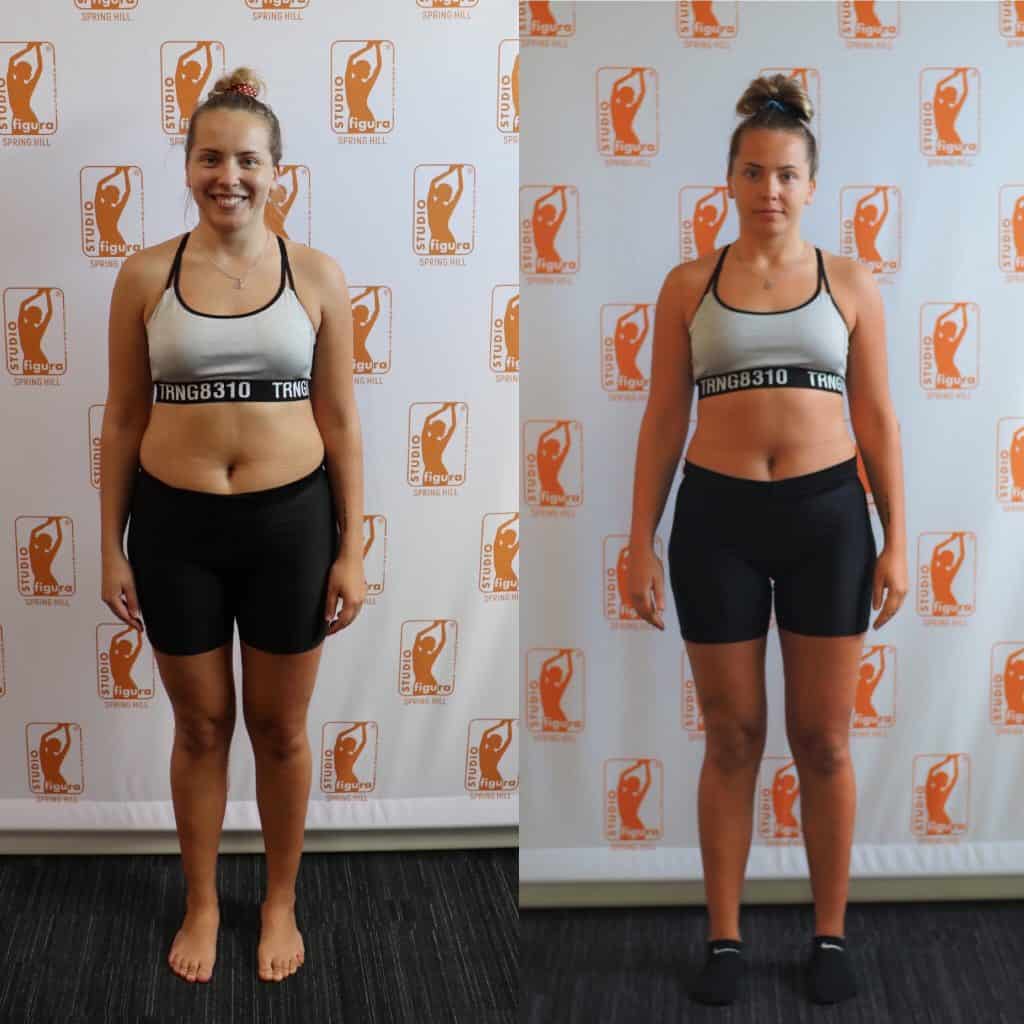
In eight weeks, a healthy weight loss transformation typically yields a reduction of 8 to 16 pounds, adhering to the clinically recommended rate of 1 to 2 pounds per week. While "before and after" results vary based on starting weight and body composition, most individuals experience visible changes in waist circumference, improved muscle definition, and significant increases in cardiovascular endurance and energy levels.
Understanding the 8-Week Transformation Timeline
When embarking on an 8-week weight loss journey, it is essential to distinguish between scale weight loss and fat loss. The first two weeks of a new regimen often show a dramatic drop on the scale, sometimes 4 to 6 pounds. This initial phase is largely attributed to the depletion of glycogen stores and the subsequent release of bound water. For every gram of glycogen stored in the muscles and liver, the body holds approximately three to four grams of water. As you transition into a caloric deficit and reduce refined carbohydrate intake, this water weight sheds rapidly.
From week three through week eight, the rate of loss usually stabilizes. This is the "fat loss" phase, where the body begins to mobilize adipose tissue for energy. A transformation that focuses on a steady 1.5-pound loss per week is often more visually impressive than a rapid 20-pound loss because it preserves lean muscle mass. Maintaining muscle ensures that the "after" result looks toned and athletic rather than simply "smaller." As of 2026, fitness professionals emphasize "body recomposition"—losing fat while maintaining or gaining muscle—as the gold standard for 8-week transformations.
The psychological arc of these 60 days is also predictable. The first two weeks are fueled by high motivation. Weeks four and five are often where "the wall" occurs, as metabolic adaptation begins and the initial excitement wanes. Successfully navigating this mid-point is what separates a temporary change from a lasting transformation.
The Nutritional Framework for Maximum Fat Loss
Nutrition is the primary driver of any 8-week transformation. To lose fat, you must maintain a caloric deficit, but the quality of those calories dictates how you look and feel. A deficit of 500 to 750 calories per day below your Total Daily Energy Expenditure (TDEE) is generally sustainable. In 2026, personalized nutrition tracking has become more sophisticated, allowing users to adjust macros based on daily activity levels.
Protein: The Non-Negotiable Macro
Protein is the most critical macronutrient during a weight loss phase. It serves two vital purposes: satiety and muscle preservation. High-protein diets increase the Thermic Effect of Food (TEF), meaning the body burns more calories digesting protein than it does fats or carbohydrates. Aiming for 0.7 to 1 gram of protein per pound of body weight helps prevent the "skinny fat" look that often results from aggressive dieting without adequate amino acid support.
Carbohydrates and Fats
Carbohydrates should be viewed as performance fuel. Consuming complex carbohydrates like quinoa, sweet potatoes, and oats around your workout window ensures you have the glycogen necessary for high-intensity training. Healthy fats, such as those from avocados, nuts, and olive oil, are essential for hormonal health. Reducing fats too low can lead to drops in testosterone and estrogen, which can stall metabolic rate and negatively affect mood and recovery.
Training Protocols for Body Recomposition
While diet drives the "weight" on the scale, exercise drives the "shape" of the body. An effective 8-week program should balance resistance training with cardiovascular conditioning.
Resistance Training
Lifting weights or performing high-intensity bodyweight exercises at least three to four times a week is mandatory for a visible transformation. Resistance training creates micro-tears in the muscle fibers; the repair process requires energy, boosting your basal metabolic rate (BMR). Focusing on compound movements—squats, deadlifts, presses, and rows—provides the most "bang for your buck" by engaging multiple muscle groups simultaneously.
Cardiovascular Strategy
In 2026, the trend has shifted away from excessive "steady-state" cardio (like long sessions on a treadmill) toward a mix of Low-Intensity Steady State (LISS) and High-Intensity Interval Training (HIIT). LISS, such as walking 10,000 steps a day, is excellent for fat oxidation without placing undue stress on the central nervous system. HIIT, performed once or twice a week, can improve insulin sensitivity and boost cardiovascular capacity in a short amount of time.
| Aspect | Beginner Strategy (8 Weeks) | Advanced Strategy (8 Weeks) |
|---|---|---|
| Caloric Deficit | 300–500 kcal/day | 500–750 kcal/day |
| Protein Intake | 0.8g per lb of body weight | 1.0–1.2g per lb of body weight |
| Resistance Training | 3 days/week (Full Body) | 4–5 days/week (Upper/Lower Split) |
| Daily Step Goal | 7,000–8,000 steps | 10,000–12,000 steps |
| Expected Fat Loss | 6–10 lbs | 12–16 lbs |
| Muscle Retention | High (Newbie Gains) | Moderate (Requires precision) |
Documenting Before and After Results Correctly
To accurately measure an 8-week transformation, scale weight is only one metric. Many people find that their "after" photos show a massive difference even if the scale only moved 10 pounds. This is due to changes in body density; muscle is much denser than fat.
Taking Comparative Photos
For the best results, take photos on Day 1, Day 30, and Day 60. Use the same lighting, time of day (preferably morning, fasted), and clothing. Take shots from the front, side, and back. Often, the back and side views show the most significant changes in posture and midsection depth that are not immediately apparent in a mirror.
Beyond the Scale
Use a soft measuring tape to track inches lost at the waist, hips, chest, and thighs. In 2026, many smart scales provide estimated body fat percentages. While these are not 100% accurate in an absolute sense, they are useful for tracking the trend of fat loss versus muscle gain over two months.
Managing Plateaus and Metabolic Adaptation
During an 8-week sprint, it is common to hit a plateau around week five or six. This happens because as you lose weight, your TDEE naturally decreases—a smaller body requires less energy to move. Additionally, the body may attempt to conserve energy by reducing Non-Exercise Activity Thermogenesis (NEAT), leading you to fidget less or sit more without realizing it.
To break a plateau:
- Audit your intake: Use a food scale to ensure "portion creep" hasn't set in.
- Increase NEAT: Focus on increasing your daily step count rather than adding more grueling gym sessions.
- Refeed days: Occasionally increasing carbohydrate intake to maintenance levels for 24 hours can help signal to the body that it is not starving, potentially boosting leptin levels and thyroid function.
- Sleep and Stress: High cortisol levels from lack of sleep (less than 7 hours) can cause water retention, masking fat loss on the scale.
Avoiding Common Transformation Mistakes
Many 8-week challenges fail because they are too restrictive. Cutting out entire food groups or dropping calories to "starvation" levels (under 1,200 for women or 1,500 for men) usually leads to a rebound after the 60 days are over. The goal of an 8-week transformation should be to jumpstart a lifestyle, not to suffer through a temporary fix.
Another common error is overestimating the calories burned during exercise. Most wearable trackers in 2026 still overestimate caloric expenditure by 15-20%. If you "eat back" the calories your watch says you burned, you may inadvertently wipe out your deficit. Treat exercise as a bonus for health and muscle shape, rather than a license to eat more.
FAQ
How much weight can I realistically lose in 8 weeks?
Most people can realistically lose 8 to 16 pounds in 8 weeks. This follows the safe medical guideline of 1 to 2 pounds per week. Individuals with a higher starting body fat percentage may lose weight faster initially, while those closer to their goal weight may see slower, more incremental changes.
Will I have loose skin after an 8-week transformation?
Loose skin is generally not a concern for a loss of 10 to 20 pounds over two months. Skin elasticity usually manages this rate of change well. Loose skin is more common in cases of extreme weight loss (50+ pounds) or very rapid, unhealthy weight loss that bypasses the body's natural tightening processes.
Do I need supplements for 8-week results?
Supplements are not mandatory but can be helpful. A high-quality whey or plant-based protein powder helps meet protein targets. Creatine monohydrate is well-researched for maintaining strength during a deficit. Multivitamins and Omega-3s support overall health, but no "fat burner" pill can replace a consistent caloric deficit.
Can I get a six-pack in 8 weeks?
Visible abdominals depend on your starting body fat percentage. Generally, men need to be below 12-14% and women below 20-22% body fat to see a six-pack. If you start at a higher percentage, 8 weeks will significantly lean out the area, but "washboard" abs may require a longer timeframe depending on your baseline.
How do I maintain my results after the 8 weeks?
To maintain your transformation, you must gradually transition to "maintenance calories." Increase your daily intake by 100-200 calories per week until your weight stabilizes. Continue the exercise habits you built during the 8 weeks, as physical activity is the number one predictor of long-term weight maintenance.
Next Steps for a Sustainable Transformation
Once you reach the end of your 8-week journey, the focus must shift from "transformation" to "sustainability." The most successful individuals use the 60-day mark as a data collection point. If you feel energetic and healthy, you might choose to continue the deficit for another four weeks. If you are experiencing signs of diet fatigue—such as poor sleep, constant hunger, or irritability—it is time for a "maintenance phase."
During a maintenance phase, you consume enough calories to maintain your new weight while focusing on increasing your strength in the gym. This period allows your metabolism to stabilize and your hormones to recover, making future weight loss efforts more effective. Remember, the best "before and after" result is the one that you can still maintain six months later. Focus on the habits of the person you want to become, and the physical results will follow as a byproduct of that consistency.