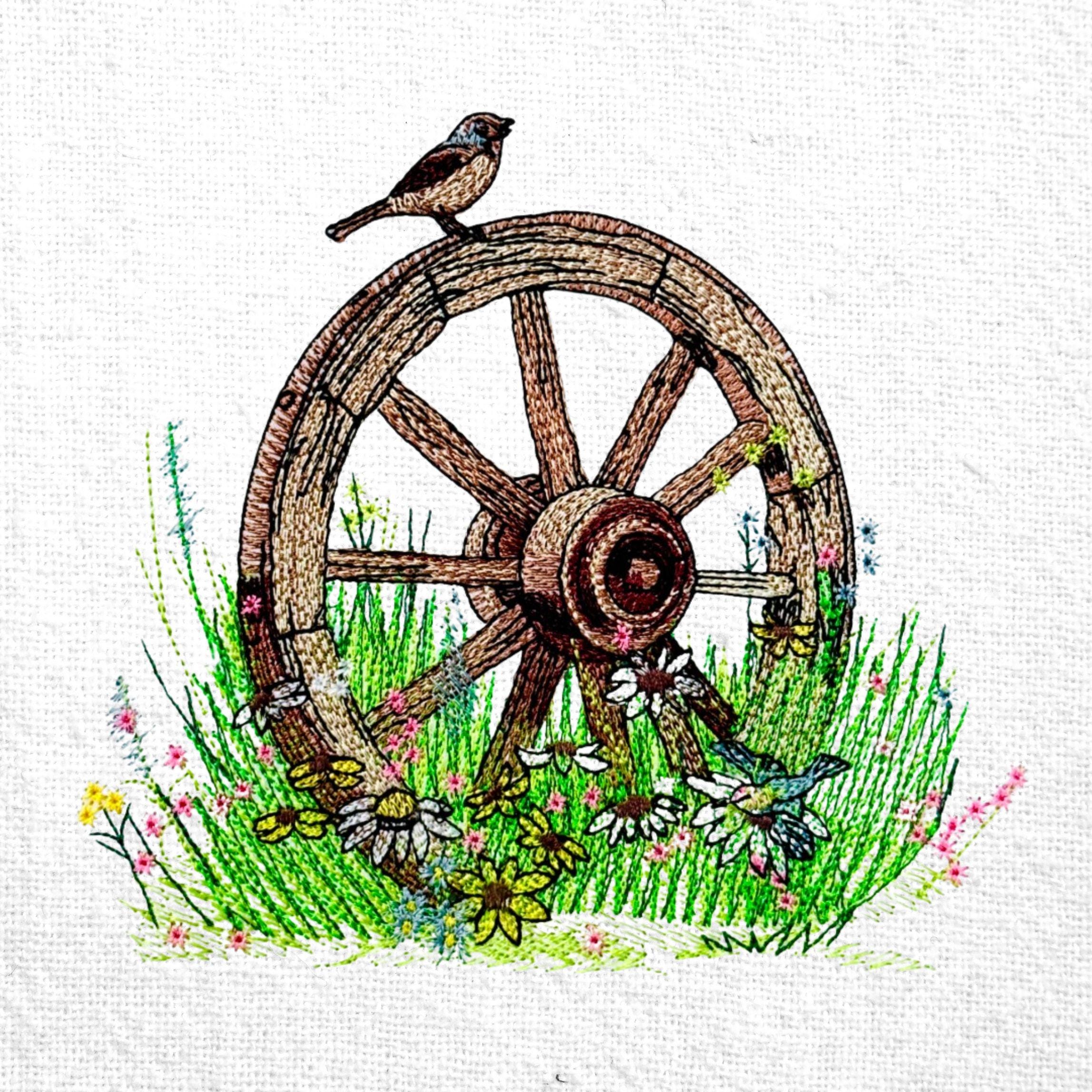
The wagon wheel serves as a premier symbol of frontier ingenuity, transitioning from a vital transportation component to a versatile staple of rustic and industrial design. Modern applications range from grand chandelier lighting and garden focal points to intricate architectural inlays and custom furniture. Its enduring appeal lies in the perfect balance of geometric symmetry, organic materials, and a deep-seated connection to heritage and craftsmanship.
The Engineering Heritage of the Wagon Wheel
To understand why the wagon wheel remains a design powerhouse in 2026, one must first appreciate its technical complexity. Far from being a simple wooden circle, a traditional wagon wheel is a marvel of pre-industrial engineering, utilizing a combination of physics and material science that modern designers still admire. The wheel consists of three primary components: the hub (or nave), the spokes, and the felloes (the outer wooden rim), all bound by a pressurized iron tire.
Historically, the construction of these wheels relied on specific wood species selected for their unique mechanical properties. White oak was frequently used for the spokes due to its incredible compressive strength and resistance to decay, while elm was preferred for the hub because its interlocking grain prevented splitting when the spokes were driven in. This selection of materials ensures that even century-old wheels found in 2026 often remain structurally sound for decorative or light-utility use.
The "dish" of the wheel—the slight conical shape where the spokes lean outward from the hub—was a sophisticated design choice. This configuration allowed the wheel to better withstand the lateral forces of a swaying wagon on uneven terrain. In a modern design context, this subtle depth adds a three-dimensional quality that flat, modern replicas often lack, making authentic wheels highly sought after for high-end interior projects.
1. Grand Scale Chandelier Lighting
Perhaps the most iconic use of the wagon wheel in contemporary interior design is the chandelier. In 2026, designers have moved beyond the simple "western saloon" aesthetic to embrace "Refined Industrialism." By mounting a wagon wheel horizontally and outfitting it with tiered lighting, a room gains a dramatic focal point that commands attention.
The technical execution of a wagon wheel chandelier requires careful consideration of weight and balance. An authentic 36-inch hardwood wheel can weigh upwards of 50 pounds before electrical components are added. Modern installations often utilize reinforced ceiling joists and high-tensile steel cables to ensure safety. To achieve a sophisticated look, designers frequently pair the weathered wood of the wheel with sleek Edison bulbs or integrated LED strips hidden within the felloes, creating a "halo" effect that bridges the gap between 19th-century form and 21st-century technology.
2. Landscape Architecture and Garden Focal Points
In outdoor environments, the wagon wheel serves as a bridge between the built environment and the natural world. Landscape architects often use wheels to provide structure to perennial gardens or to act as "silent sentinels" along driveways. The circular geometry provides a stark, pleasing contrast to the organic, flowing lines of plants and shrubs.
When used in landscaping, the wheel's placement is critical for longevity. Placing a wooden wheel directly on soil leads to rapid moisture absorption and fungal rot at the contact point. In 2026, professional installers typically mount these wheels on hidden metal brackets or "shoes" that keep the wood several inches above the ground. This creates a floating effect while protecting the timber. Additionally, planting trailing vines like clematis or ivy around the wheel allows the spokes to act as a natural trellis, integrating the wheel into the living landscape over time.
3. Architectural Gates and Fencing Inlays
Integrating wagon wheels into functional barriers like gates and fences is a sophisticated way to break the monotony of linear architecture. A single wheel centered in a heavy timber gate creates a "porthole" effect, offering a glimpse into the property while maintaining security.
This use case requires precise joinery. The gate frame must be built to accommodate the circular void, often using steam-bent wood or CNC-machined framing to ensure a tight fit. Beyond aesthetics, the spokes of the wheel provide additional structural bracing for the gate, preventing sagging over years of use. In ranch-style or "Mountain Modern" estates, a series of wheels integrated into a long fence line creates a rhythmic visual pattern that honors the history of the land.
4. Custom Furniture: Tables and Benches
The flat, circular surface area of a wagon wheel makes it an ideal candidate for custom table bases or tops. When used as a coffee table, a wheel is typically topped with a thick sheet of tempered glass, allowing the intricate spoke patterns and hub details to remain visible while providing a functional, level surface.
For those seeking a more rugged look, wheels are often cut in half to serve as the structural legs for garden benches. This application highlights the wheel's ability to support significant weight. The iron rim, or "tire," acts as a built-in protective layer against ground moisture and abrasion. In 2026, furniture makers often emphasize the "maker's marks" found on antique wheels—small stamps or notches left by the original wheelwright—as a way to authenticate the piece's history for the buyer.
5. Interior Wall Art and Symbolic Accents
As a purely aesthetic element, the wagon wheel functions as a piece of "found object" art. Large-diameter wheels can fill expansive wall spaces in lofts or high-ceilinged entryways where traditional paintings might feel undersized. The radial symmetry of the spokes creates a sense of order and calm, a concept known as "biophilic geometry."
To make a wagon wheel work in a modern minimalist setting, designers often strip the wood of old paint or heavy stains, revealing the raw grain. Alternatively, painting a wheel in a matte black or deep charcoal finish transforms it into a silhouette-focused piece that complements industrial or monochromatic color schemes. The play of light and shadow through the spokes adds a dynamic layer to the room that changes throughout the day.
6. Staircase Railing and Balustrade Inlays
One of the more technically challenging but rewarding uses of wagon wheel design is its incorporation into staircases. Small-diameter "pony" wheels or the decorative centers of larger wheels can be used as decorative balusters or as a repeating pattern within a long handrail system.
This application is particularly popular in timber-frame homes and commercial lodges. Because building codes in 2026 remain strict regarding the spacing of railing components (to prevent children from slipping through), the gaps between spokes must be carefully measured. Often, thin cables or secondary wooden dowels are added behind the wheel to meet safety requirements while preserving the visual integrity of the design.
7. Commercial Branding and Signage
For businesses in the hospitality, outdoor, or heritage sectors, the wagon wheel is a powerful branding tool. It immediately communicates values of durability, tradition, and "the great outdoors." Many boutique hotels and craft breweries use wagon wheels as the substrate for their primary signage, mounting CNC-cut metal lettering directly onto the spokes.
The circular shape of the wheel acts as a natural frame, drawing the eye toward the business name or logo. Because these signs are often positioned high above ground level, they are frequently treated with modern UV-resistant clear coats to prevent the wood from silvering or cracking under intense sun exposure, ensuring the brand maintains a "polished rustic" appearance.
8. Functional Hardware and Utility Carts
While many uses are decorative, the wagon wheel still finds a home in functional utility. High-end garden carts, mobile barbecue stations, and even rolling bars for events often utilize functional wagon wheels. The large diameter of these wheels makes them exceptionally easy to roll over uneven surfaces like grass or gravel, outperforming small, modern rubber casters.
In 2026, there is a growing market for "hybrid" wheels—those built with traditional wooden spokes and hubs but featuring modern pneumatic tires or high-density rubber treads. These offer the classic look of a wagon wheel with the smooth, silent operation required for modern indoor/outdoor flooring.
Comparing Authentic vs. Replica Wagon Wheels
When choosing a wheel for a project, the decision between an antique original and a modern replica depends on the intended use and budget.
| Feature | Authentic Antique Wheels | Modern Decorative Replicas |
|---|---|---|
| Material | Aged Hardwood (Oak, Hickory, Elm) | Treated Pine, Fir, or Composite |
| Structural Integrity | High (Designed for heavy loads) | Low to Medium (Mostly decorative) |
| Aesthetic Quality | Unique patina, weathered texture | Uniform color, smoother finish |
| Typical Cost | $250 - $1,200+ (Based on condition) | $75 - $300 |
| Maintenance Needs | Requires sealing/pest treatment | Often pre-treated for weather |
| Weight | Heavy (40-80 lbs) | Lightweight (15-30 lbs) |
The Psychology of Enduring Appeal
The wagon wheel's continued popularity in 2026 is not merely a matter of nostalgia; it is rooted in universal design principles. The circle is a "perfect" shape in human psychology, representing unity, infinity, and the cycle of life. In a world increasingly dominated by sharp angles and digital screens, the rounded, tactile nature of a wooden wheel provides a grounding influence.
Furthermore, the wagon wheel represents a time when items were built to be repaired rather than replaced. Each spoke can be individually replaced, and the iron tire can be tightened by a blacksmith. This "right to repair" philosophy resonates strongly with modern consumers who are increasingly wary of planned obsolescence. By incorporating a wagon wheel into a home or business, the owner is making a statement about longevity and the inherent value of physical craftsmanship.
Preservation and Maintenance for 2026
To ensure a wagon wheel maintains its structural integrity and beauty, regular maintenance is essential, especially for exterior applications. The primary threats to wood are moisture, UV radiation, and boring insects.
- Deep Cleaning: Use a soft-bristle brush and a pH-neutral wood cleaner to remove dirt and lichen. Avoid power washing, as the high pressure can strip away the weathered patina and damage the wood fibers.
- Sealing: Apply a high-quality, oil-based wood preservative. In 2026, many homeowners prefer "penetrating oils" that soak into the wood rather than sitting on top, which prevents peeling.
- Metal Care: The iron rim should be treated with a rust-inhibiting primer or a simple coat of paste wax to maintain its dark, metallic sheen without it flaking off onto the surrounding environment.
- Structural Checks: Periodically check the "tenons" (the ends of the spokes) where they enter the hub and felloes. If they become loose due to wood shrinkage, specialized wood-swelling agents can be applied to tighten the joints.
FAQ
How do I tell if a wagon wheel is an authentic antique?
Authentic wheels typically show signs of wear on the iron tire, such as thinning or pitting. You should also look for "dish"—the slight outward curve of the spokes. Modern replicas are usually perfectly flat. Additionally, antique wheels often feature hand-cut mortise and tenon joints, whereas replicas may use glue or hidden screws.
Can a wagon wheel chandelier be used in a room with standard ceiling heights?
Most authentic wagon wheels have a diameter of at least 30 to 36 inches. In a room with standard 8-foot ceilings, a large wheel may feel oppressive and limit walking space. For these environments, it is better to use a "pony wheel" (24 inches or less) or to mount the wheel flush against the ceiling as a decorative medallion rather than a hanging fixture.
What is the best way to prevent a wooden wheel from rotting outdoors?
The most effective method is to eliminate ground contact. Mount the wheel on a stone plinth, a concrete base, or a metal bracket. You should also ensure the wheel is slightly tilted so that water doesn't pool in the "cup" of the hub. Applying a wood sealer with a boron-based preservative can also help ward off rot-causing fungi.
Are wagon wheels safe to use as functional parts of a vehicle today?
Unless the wheel has been specifically built or restored by a professional wheelwright using modern safety standards, it should not be used on a motorized vehicle. However, they are perfectly safe for horse-drawn carriages, garden carts, or display wagons, provided the wood is not brittle and the iron tire is securely seated.
Where can I source high-quality wagon wheels in 2026?
Specialized architectural salvage yards remain the best source for authentic pieces. However, many craft guilds and heritage workshops in the Midwest and Western United States continue to produce custom wheels using traditional methods for those who need historical accuracy without the structural risks of old, decayed wood.
Strategic Selection for Your Project
When integrating a wagon wheel into your design, start by defining the "visual weight" you want the piece to carry. If the goal is a subtle nod to history, a single, smaller wheel used as wall art is sufficient. For those looking to make a bold statement, such as a large-scale chandelier or a gate inlay, prioritize the structural health of the wheel above all else. Always consult with a structural engineer if you plan to hang a heavy wheel overhead or integrate it into a load-bearing fence. By respecting the engineering of the past, you can create a design that remains relevant and beautiful well into the future.