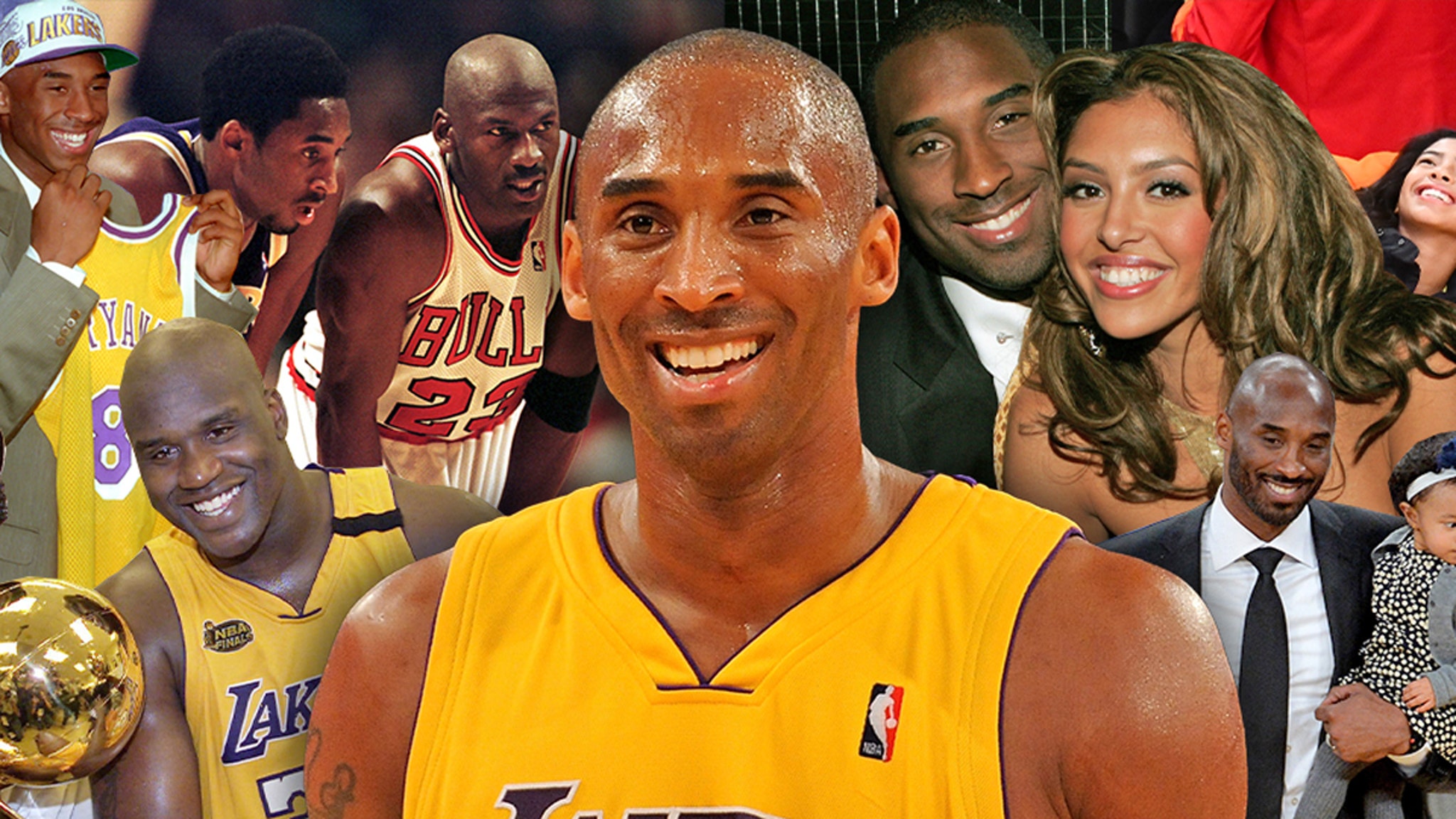
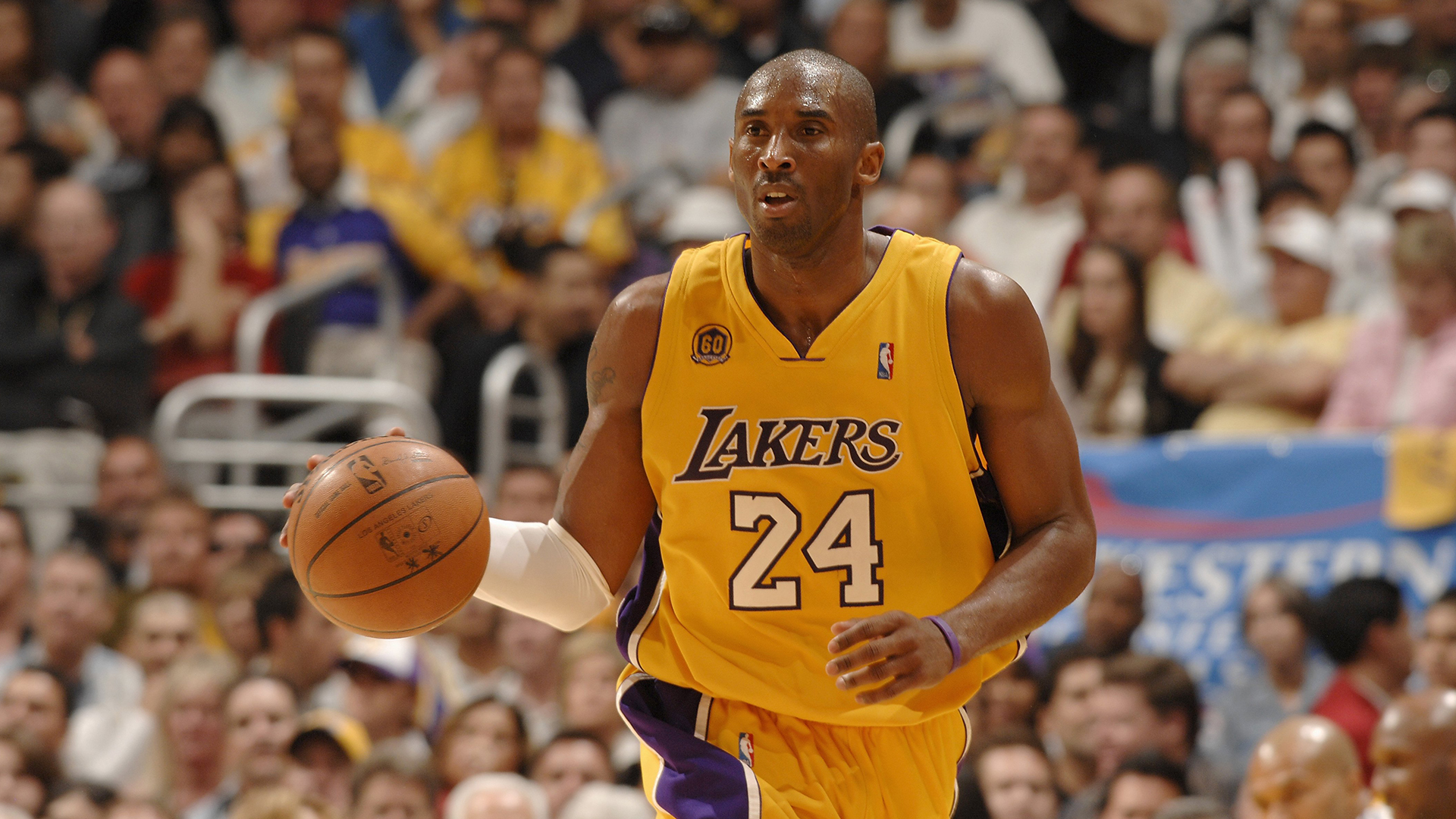
Kobe Bryant’s claim to being the greatest of all time is often divided into two distinct chapters, but the legacy of number 8 represents the raw, unbridled ascension of a global icon. From 1996 to 2006, Bryant wore number 8, capturing three championships and setting scoring records that redefined modern basketball perimeter play.
While the "Black Mamba" persona solidified under jersey number 24, the foundation of Kobe Bryant’s greatness was built during his first decade in the NBA. Wearing number 8, Bryant transitioned from a teenage prodigy directly out of high school to a three-time NBA champion and the most feared scoring threat in the league. As of 2026, his influence remains the gold standard for perimeter skill and competitive "Mamba Mentality." Here are the eight primary reasons why the number 8 era justifies Kobe Bryant’s status as the greatest to ever play the game.
1. Unprecedented Athleticism and Two-Way Dominance
The number 8 era of Kobe Bryant featured a version of the athlete that was arguably the most physically gifted perimeter player in NBA history. During this period, Bryant was a "high-flyer" who combined elite verticality with a lightning-quick first step. Unlike many scoring specialists, Bryant prioritized the defensive end of the floor with equal intensity.
By the time he transitioned away from number 8, Bryant had already earned six All-Defensive Team selections. This two-way dominance is a prerequisite for "Greatest of All Time" (GOAT) conversations. His ability to lock down the opposing team’s best player while carrying the offensive load for the Los Angeles Lakers was a feat few could replicate. In the early 2000s, his defensive win shares and "on-ball" pressure were foundational to the Lakers' defensive identity, proving that his greatness wasn't just about highlights, but about total floor control.
2. The Historical Significance of the Three-Peat
Winning a single NBA championship is difficult; winning three consecutively is a feat achieved by only a handful of franchises in history. Between 2000 and 2002, Bryant was the perimeter engine behind the Lakers' "Three-Peat." While Shaquille O'Neal was the dominant force in the paint, Bryant was the "closer" who navigated the gauntlet of the Western Conference.
During this era, Bryant proved he could thrive within a system while still asserting individual brilliance. His performance in the 2001 playoffs, in particular, remains one of the most efficient postseason runs for a guard. By age 23, wearing number 8, Kobe had more rings than most Hall of Famers achieve in a lifetime. This early success established a winning pedigree that serves as a cornerstone for his legacy, demonstrating that his style of play was directly conducive to the highest level of team success.
3. The 81-Point Game: A Scoring Apex
On January 22, 2006, Kobe Bryant produced what many consider the greatest individual offensive performance in the history of the sport: 81 points against the Toronto Raptors. This occurred during his final season wearing number 8. To put this in perspective, 81 points accounted for over 66% of his team’s total scoring that night.
This game was not merely about volume; it was a display of mechanical perfection. Bryant shot 28-of-46 from the field, including 7-of-13 from three-point range and 18-of-20 from the free-throw line. In 2026, as we look back at the evolution of scoring, Bryant’s 81 remains the standard for individual will. It proved that when he was "in the zone," there was no defensive scheme—double teams, zones, or physical traps—that could negate his scoring output. This game alone is a pillar of the "Number 8" legacy.
4. Pioneering the Prep-to-Pro Evolution
Kobe Bryant was not the first player to jump from high school to the NBA, but he was the one who proved a guard could do it and reach the absolute pinnacle of the sport. Entering the league at 17 and debuting at 18, he faced immense skepticism. The number 8 era represents the struggle and eventual triumph of a teenager navigating an adult league.
His success paved the way for the "Prep-to-Pro" era, influencing stars like LeBron James and Kevin Garnett. By succeeding so early, Bryant redefined the scouting landscape. His "Number 8" years showed that maturity wasn't just about age, but about an obsessive work ethic. He became the youngest All-Star starter in NBA history in 1998, a record that stood as a testament to his immediate cultural and athletic impact.
5. The Birth and Refinement of the Mamba Mentality
While the term "Mamba Mentality" became a global brand later in his career, the philosophy was forged during the hardships of the number 8 years. It began with the infamous "airball game" against the Utah Jazz in the 1997 playoffs. Rather than crumbling under the weight of a high-profile failure, Bryant used it as fuel for a legendary offseason training regimen.
The number 8 legacy is defined by this psychological resilience. This era saw Bryant transition from a flashy dunker to a technician with the best footwork in the league. He spent thousands of hours mimicking the moves of legends like Michael Jordan and Hakeem Olajuwon, then improving upon them. By the mid-2000s, his mid-range game and "triple-threat" efficiency were peerless, proving that his greatness was a result of calculated, relentless labor.
6. Offensive Versatility and the 35.4 PPG Season
In the 2005-2006 season, his final year in number 8, Bryant averaged 35.4 points per game. This is one of the highest single-season scoring averages in the modern era. During this stretch, he had a month (January 2006) where he averaged 43.4 points per game.
What makes this a "GOAT" argument is the variety of ways he scored. Bryant was a threat from the logo, in the post, and at the rim. His offensive bag was deeper than any of his contemporaries. During the number 8 years, he wasn't just a scorer; he was an offensive system unto himself. His ability to draw fouls and his elite free-throw shooting made him an analytical nightmare for opposing coaches, as he could exploit any weakness in a defensive rotation.
7. Globalizing the Game
Kobe Bryant’s legacy wearing number 8 coincides with the NBA’s massive global expansion in the late 1990s and early 2000s. Because he spent part of his childhood in Italy and spoke multiple languages, he was the perfect ambassador for a sport looking to grow beyond North American borders.
His jersey—specifically the number 8 Lakers jersey—became one of the most recognizable garments in the world. In 2026, the impact is still visible in the international talent currently dominating the NBA; many of today’s European and Asian stars cite the "Number 8 Kobe" as their primary inspiration for picking up a basketball. He bridged the gap between the Michael Jordan era and the modern globalized league, maintaining the NBA's relevance during a critical transition period.
8. Transitioning from "Sidekick" to Leading Man
The final reason number 8 is central to Bryant's greatness is the narrative arc of his independence. After the departure of Shaquille O'Neal in 2004, critics argued that Bryant could not lead a team or maintain his efficiency without a dominant big man. Bryant responded by winning back-to-back scoring titles and carrying a roster in transition to the playoffs.
This period proved his individual value was not dependent on any other superstar. He demonstrated that he could shoulder the burden of a franchise, both as a leader and as the primary focal point of every scouting report. This "solo" success during the mid-2000s set the stage for his later championships and silenced the few remaining doubters regarding his ability to function as a definitive "Alpha" on the court.
Comparing the Two Eras of Kobe Bryant
To understand why the "Number 8" legacy is so vital to the GOAT conversation, it is helpful to see how it compares to his later "Number 24" years. Both halves of his career are Hall-of-Fame worthy in isolation.
| Feature | Number 8 Era (1996–2006) | Number 24 Era (2006–2016) |
|---|---|---|
| NBA Championships | 3 (2000, 2001, 2002) | 2 (2009, 2010) |
| Scoring Peak | 81 Points (vs. Raptors) | 60 Points (vs. Jazz - Finale) |
| All-Defensive Teams | 6 Selections | 6 Selections |
| NBA MVP Awards | 0 (Finished top-5 multiple times) | 1 (2008) |
| Primary Playstyle | Athletic Slasher / Transition Scorer | Post-Up Specialist / Mid-Range Maestro |
| Scoring Titles | 1 (2006) | 1 (2007) |
Frequently Asked Questions
Why did Kobe Bryant change his number from 8 to 24?
Bryant changed his number to 24 at the start of the 2006-2007 season to signify a new chapter in his career and a shift in maturity. He had previously worn 24 in high school before switching to 33 and eventually 8. The move to 24 represented a "clean slate" and a focus on becoming a more holistic leader and a refined veteran, moving away from the younger, more reactionary "Number 8" persona.
Is Kobe Bryant the only player with two retired numbers for the same team?
Yes, the Los Angeles Lakers retired both 8 and 24 on December 18, 2017. This honors the fact that he essentially had two Hall of Fame careers within one franchise. He is the only player in NBA history to have two different numbers retired by the same team, a testament to the unique greatness of both eras.
Was Kobe Bryant better wearing number 8 or 24?
This is a subject of intense debate among fans and analysts. Number 8 was more physically explosive and had a higher single-season scoring peak, along with the three-peat championships. Number 24 was a more polished leader, a smarter basketball mind, and won two championships as the undisputed Finals MVP. Most experts suggest number 8 was the better individual athlete, while 24 was the better "basketball player."
How did the "Mamba Mentality" start during the number 8 years?
The "Mamba Mentality" was born out of Kobe's need to organize his focus amidst personal and professional turmoil in the early 2000s. He created the "Black Mamba" alter ego to separate his off-court challenges from his on-court performance. The term became a shorthand for his legendary work ethic, such as 4:00 AM workouts and practicing for hours before team sessions even began.
What were Kobe Bryant's career stats as number 8?
During his ten seasons wearing number 8, Bryant averaged approximately 23.9 points, 5.1 rebounds, and 4.5 assists per game. However, these numbers are skewed by his early years coming off the bench. At his peak in the number 8 jersey (2005-2006), he averaged 35.4 points per game, showcasing the sheer offensive volume he was capable of producing.
Honoring the Legacy of Number 8
To truly appreciate the greatness of Kobe Bryant’s number 8 legacy, fans and students of the game should look beyond the box scores. The best way to understand this era is by studying game film from the 2001 Western Conference Finals or the 2006 scoring run. These performances demonstrate a level of skill acquisition and competitive fire that remains rare even in the modern high-scoring NBA environment.
For those looking to apply the lessons of the number 8 era, the focus should be on comprehensive skill development. Bryant’s greatness was rooted in the fact that he had no weaknesses; he could shoot, pass, defend, and rebound at elite levels. Aspiring athletes should prioritize the "unseen hours" of practice—the cornerstone of the legacy that number 8 left behind.