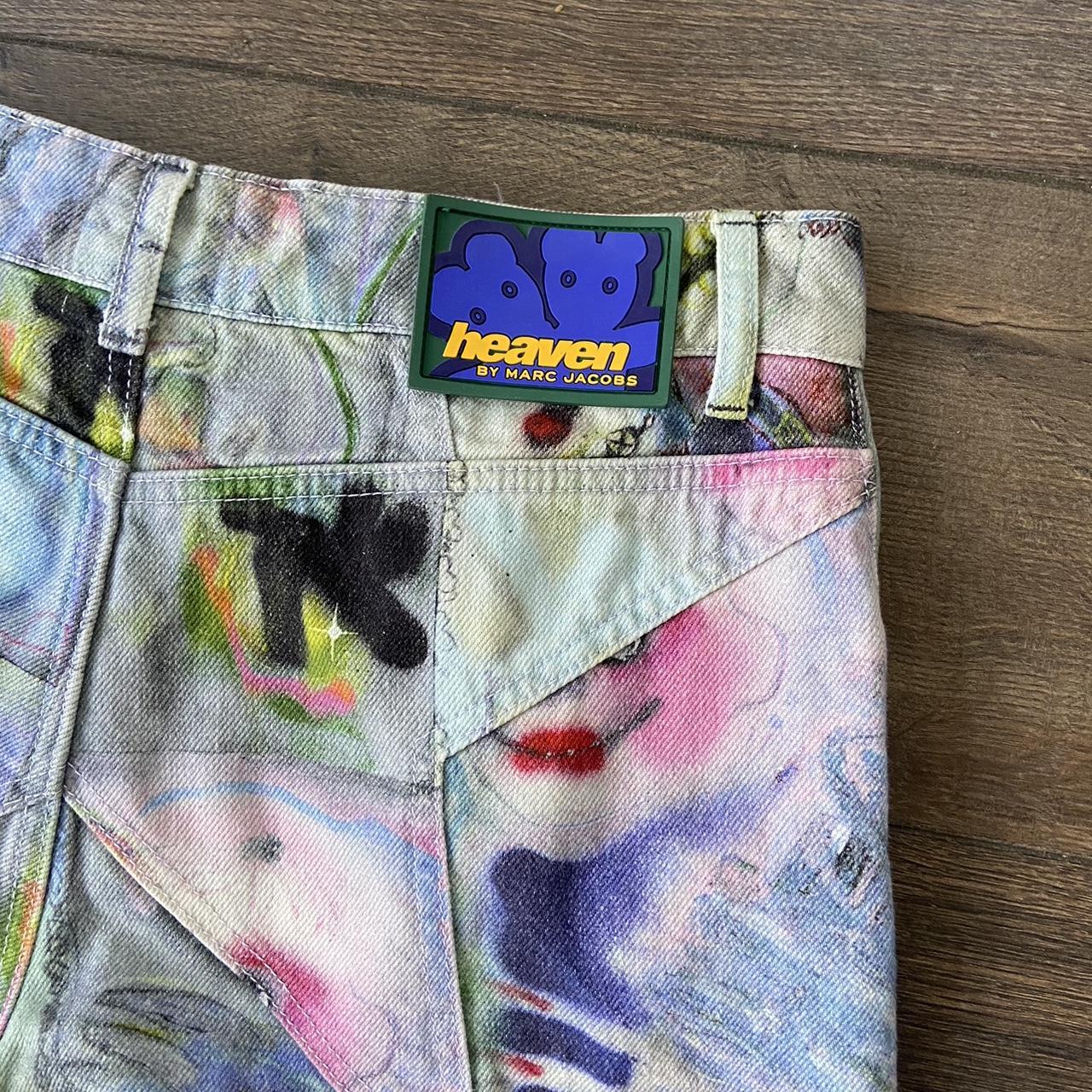
7th Heaven jeans are recognized for their retro-inspired denim aesthetics, featuring high-waisted cuts, structured cotton fabrics, and distinctive back-pocket stitching reminiscent of classic 1970s and 1980s apparel. Selecting the right pair requires understanding vintage sizing variations, fabric composition, silhouette proportions, and proper garment maintenance to preserve denim structure over time.
Brand Heritage and Design Language
The design language of 7th Heaven denim reflects the bold structural shifts of late-20th-century casualwear. During the 1970s and 1980s, western denim transformed from functional workwear into everyday fashion statements characterized by high rises, sculpted hips, and dramatic leg sweeps. 7th Heaven established its market identity within this space, delivering jeans that emphasized waist definition and tailored leg openings.
Unlike modern fast-fashion denim that relies heavily on synthetic elastomers to fit varied body types, classic 7th Heaven garments were tailored primarily around rigid weaves. This approach prioritized architectural shape retention over immediate elasticity. Signature design elements include intricate pocket embroidery patterns, contrasting gold or copper topstitching, reinforced belt loops, and brass hardware stamped with brand motifs.
Understanding these vintage design cues helps denim enthusiasts distinguish authentic 7th Heaven pieces from modern reproductions. The presence of heavy cotton twill, robust metal shank buttons, and double-stitched inseams underscores a focus on durability that remains appealing on secondary apparel markets.
Structural Features and Construction Quality
The longevity of vintage and retro-styled denim depends directly on its material construction and manufacturing standards. 7th Heaven jeans utilize classic weaving techniques that provide structural strength and distinct fading patterns over prolonged wear.
Denim Weight and Fabric Composition
Most traditional 7th Heaven denim garments feature medium-to-heavyweight fabric, ranging between 12 and 14 ounces per square yard. Heavyweight fabric holds its shape naturally, providing light structural smoothing across the waist and hips while resisting premature tearing.
- Rigid Cotton (100% Cotton): Common in vintage production runs. It features a right-hand twill weave that molds to the wearer’s body over time through heat and mechanical tension, creating personalized fit lines.
- Cotton-Rich Blends (98% Cotton, 2% Elastane): Found in modern or late-era production runs. These offer modest flexibility around the seat and knees while retaining the traditional matte appearance of natural denim.
Stitching, Hardware, and Seam Reinforcement
The structural integrity of 7th Heaven jeans relies on specific garment construction details:
- Chain-Stitched Hems: Provides flexibility along the lower hem, preventing puckering during washing and allowing natural fabric drape over footwear.
- Flat-Felled Seams: Used along high-stress areas such as the rise and inner thigh to prevent fraying and minimize friction against the skin.
- Bar-Tack Reinforcements: Applied at pocket corners, belt loop attachments, and the base of the zipper fly to absorb tension during daily movement.
Fit Profiles and Silhouette Comparison
7th Heaven jeans encompass several distinct cuts, each engineered to complement specific body proportions and footwear styles. Evaluating the silhouette matrix allows buyers to choose cuts that align with their aesthetic preferences and functional comfort.
[ HIGH-RISE FLARE ] [ STRAIGHT-LEG CLASSIC ] Fits snug through waist/hip Uniform width from thigh to hem Flares out below the knee Balanced, timeless vintage drape
High-Rise Flare
The high-rise flare stands as the quintessential 7th Heaven design. Featuring a front rise often exceeding 11 inches, this cut sits at the natural waist line. The thigh section remains fitted before expanding dramatically below the knee into a bell or boot flare. This cut visually elongates the legs, making it particularly effective when paired with heeled boots or platform footwear.
Straight-Leg Classic
The straight-leg cut offers a more conservative, utilitarian profile. It maintains a consistent width from the upper thigh down to the leg opening. Because it does not taper at the ankle or flare at the calf, the straight-leg profile adapts easily to casual sneakers, loafers, or ankle boots.
Retro Bootcut
Positioned between the straight leg and the full flare, the retro bootcut fits close through the seat and thigh, widening subtly below the knee to accommodate footwear. This silhouette balances upper-body volume and provides comfortable leg clearance without the dramatic sweep of a 1970s flare.
| Silhouette Style | Front Rise (Inches) | Knee-to-Hem Profile | Fabric Elasticity | Ideal Footwear Pairing |
|---|---|---|---|---|
| High-Rise Flare | 11.0" – 12.5" | Fitted thigh; wide flare | Rigid (100% Cotton) | Platform boots, stacked heels |
| Straight-Leg Classic | 10.0" – 11.5" | Uniform width throughout | Rigid or Low-Stretch | Low-top sneakers, ankle boots |
| Retro Bootcut | 9.5" – 11.0" | Slim thigh; subtle flare | Low-Stretch (1-2% Spandex) | Work boots, western boots |
| Tapered Mom Fit | 11.5" – 13.0" | Relaxed hip; narrow ankle | Rigid (100% Cotton) | Flat shoes, high-top sneakers |
Sizing Guidance and Vintage Measurement Conversion
Sizing standards have shifted significantly over recent decades. Modern vanity sizing often assigns smaller numerical labels to larger physical dimensions compared to late-20th-century apparel manufacturing. When acquiring vintage 7th Heaven jeans, Relying solely on the tagged tag size frequently leads to fit errors.
Measuring Flat Lay Dimensions
To ensure an accurate fit, measure an existing pair of well-fitting rigid denim jeans laid flat on a smooth surface, then compare those figures against candidate listings:
- Waist Width: Measure flat across the top edge of the waistband, ensuring no sagging along the front. Double this figure for the total waist circumference.
- Front Rise: Measure from the crotch seam straight up along the fly to the top of the front waistband.
- Hip Width: Measure straight across the base of the zipper fly, from outer edge to outer edge, and double the number.
- Thigh Width: Measure flat across the leg at the crotch seam, perpendicular to the side seam.
- Inseam: Measure along the inner leg seam from the crotch junction down to the bottom hem.
Accounting for Fabric Stretch
When purchasing 100% cotton vintage 7th Heaven denim, select a waist size that matches your actual waist measurement precisely or allows up to 0.5 inches of ease. Rigid denim does not yield like modern synthetic blends; while it breaks in to conform to movement, it will not expand beyond its woven limit under tension.
Sourcing and Authentication Strategies
Finding quality 7th Heaven jeans requires navigating secondary clothing markets, vintage boutiques, and specialty online resellers. Proper authentication ensures you purchase genuine garments in durable condition.
Inspecting Vintage Labels and Hardware
Authentic vintage 7th Heaven jeans feature identifiable branding elements:
- Woven Brand Label: Look for high-density woven fabric tags sewn securely into the interior back waistband rather than printed heat-transfer labels.
- Stamped Hardware: Examine the back of metal rivets and button shanks for clean brand stampings or standardized manufacturer marks (such as YKK or Scovill zipper tracks).
- Care Tag Information: Vintage tags typically show clear fabric content details, country of manufacture, and standardized wash care codes written in crisp typography.
Checking Garment Integrity
Prior to purchase, evaluate potential wear points that compromise denim structure:
- Inner Thigh Wear: Check for fabric thinning, friction fraying, or stress holes along the inner thigh seams.
- Hem Condition: Inspect the lower hem for dragging damage, fraying, or unauthorized shortening that alters the original leg profile.
- Waistband Stretch: Ensure the waistband lay flat without severe wave-like deformation caused by improper hanging or extreme mechanical tension.
Styling Techniques for Retro Denim
Integrating 7th Heaven jeans into modern wardrobes involves balancing vintage volume with structured contemporary garments.
Managing Proportions
Because high-rise flared denim creates significant visual weight around the lower body, styling works best when upper-body layers define the natural waistline:
- Tucked Shirts: Tucking slim-fit t-shirts, silk blouses, or fitted turtlenecks into high-rise waistbands preserves the elongated leg line created by the high front rise.
- Cropped Outerwear: Pair flared or bootcut 7th Heaven jeans with tailored jackets or cropped leather coats that end at or slightly above the hip bone to maintain balanced proportions.
- Footwear Height: Match flared hems with shoes that keep the fabric 0.5 to 1 inch above the ground. Platform boots, block heels, and wedge sandals prevent hem drag while emphasizing the leg flare.
Care and Maintenance to Preserve Denim Integrity
Proper laundering protects cotton fibers, prevents color fading, and maintains the structural shape of high-rise denim over extended periods.
[ WASH COLD ] [ LINE DRY ] [ NO SOFTENER ] Preserves indigo dye Prevents fiber breakdown Maintains natural texture
Cleaning Best Practices
- Wash Infrequently: Wash denim only after 8 to 10 wears, or when visibly soiled, to prevent premature thread breakdown and excessive indigo loss.
- Turn Inside Out: Always reverse the jeans before washing to minimize surface abrasion against the machine drum, which can cause streak fading.
- Use Cold Water: Set washing machines to cold water cycles (30°C / 86°F or lower) with a mild liquid detergent free of optical brighteners or bleach.
- Avoid Fabric Softeners: Fabric softeners leave a chemical coating on cotton fibers, weakening thread strength and altering the fabric's tactile drape over time.
Drying and Storage
- Air Drying: Hang jeans by the waistband or lay them flat to air-dry away from direct sunlight. High heat from tumble dryers shrinks cotton fibers, degrades stitching threads, and damages synthetic elastane fibers.
- Hanging vs. Folding: Store denim by hanging it by the back belt loops or folding it neatly along the seams to avoid creating stubborn creases across the legs.
Frequently Asked Questions
How do vintage 7th Heaven jeans fit compared to modern denim brands?
Vintage 7th Heaven jeans run smaller than modern vanity-sized denim. A vintage tag size 28 may fit closer to a contemporary size 25 or 26. Always rely on actual physical flat-lay measurements of the waist, hip, and rise rather than tagged size numbers.
Are 7th Heaven jeans made from 100% cotton or stretch blends?
Older vintage pairs (produced in the 1970s and 1980s) are typically constructed from 100% rigid cotton twill. Later releases or modernized retro lines may include 1% to 2% elastane or spandex to add mild stretch across the seat and hips.
How can I measure vintage 7th Heaven jeans accurately when buying online?
Ask the seller for flat-lay measurements: double the flat waistband width for total waist size, measure straight across the base of the zipper for hip width, measure from crotch seam to waistband for front rise, and measure along the inner seam to the hem for total inseam length.
What is the best way to clean vintage denim without causing shrinkage or fading?
Wash the jeans inside out in cold water using a gentle, bleach-free detergent on a delicate cycle. Air-dry the garment by hanging it by the waistband away from direct heat and sunlight. Never tumble dry rigid vintage denim.
How can I identify authentic vintage 7th Heaven labels?
Examine the waistband interior for a woven fabric brand tag, check metal hardware (zippers, rivets, and shank buttons) for crisp brand or manufacturer stamps, and verify the presence of clear fabric care tags with accurate vintage typography.
How to Select the Ideal Pair of 7th Heaven Jeans
To find the right pair of 7th Heaven jeans, systematically evaluate your body frame, desired style, and exact measurements:
- Determine Preferred Rise and Silhouette: Choose a high-rise flare for maximum leg elongation and retro styling, or opt for a straight-leg cut for versatile everyday wear.
- Obtain Accurate Personal Measurements: Measure your natural waist, high hip, low hip, and inseam length using a flexible tailor's tape.
- Cross-Reference Flat-Lay Metrics: Compare your measurements against verified flat-lay specs provided by resellers, allowing 0 to 0.5 inches of waist ease for rigid 100% cotton styles.
- Inspect Fabric Condition: Prioritize listings that clearly show intact inner thigh seams, original un-trimmed hems, and functional brass hardware.
- Commit to Proper Care: Maintain the denim structure by washing sparingly in cold water and air-drying to ensure long-lasting wear.