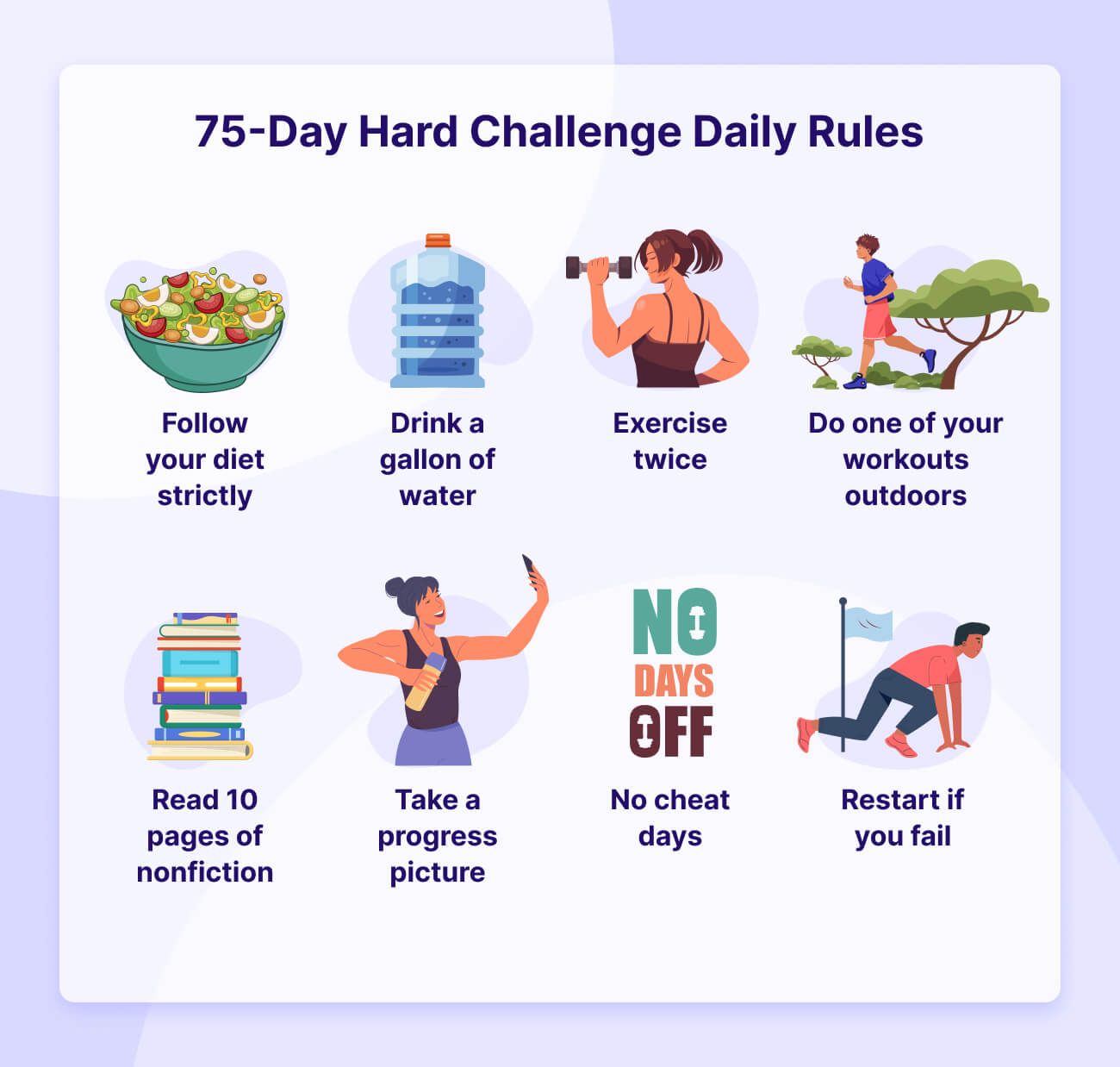
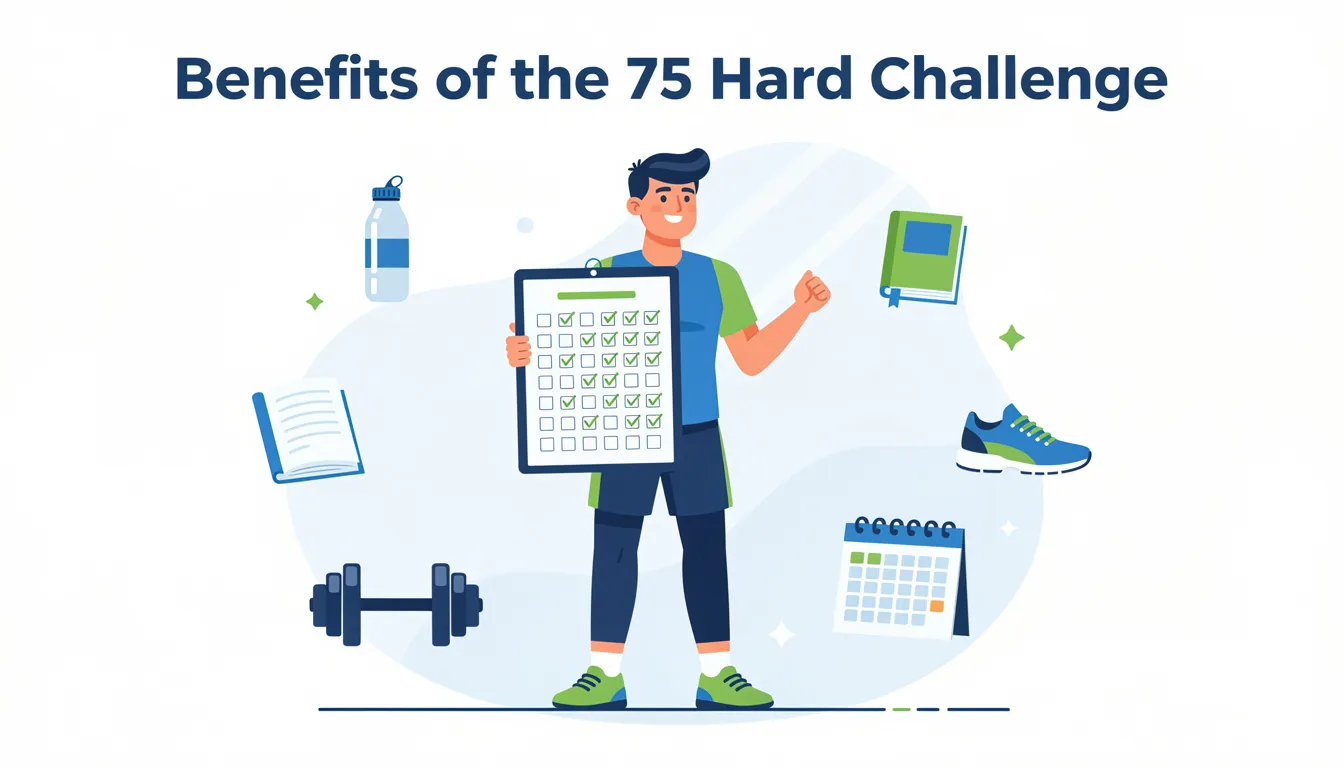
The 75 Hard Challenge for women is a rigorous 75-day mental toughness program designed to cultivate discipline, resilience, and physical fitness through five non-negotiable daily tasks. Unlike standard fitness plans, it forbids modifications; failing a single task requires restarting from Day 1, ensuring a complete psychological and physical transformation.
Understanding the Philosophy of 75 Hard
The 75 Hard program, originally conceptualized by entrepreneur Andy Frisella, is frequently miscategorized as a fitness challenge or a weight-loss transformation. While significant physical changes are common, the primary objective is mental toughness. For women in 2026, the challenge serves as a "mental reset" in an era of constant digital distraction and convenience. It is designed to eliminate the "inner bitch"—that voice encouraging you to take the easy path—and replace it with a "boss" mentality characterized by discipline and consistency.
The program operates on a binary success/failure model. There are no "cheat days," no "modified versions," and no excuses. This rigidity is the point. By adhering to a strict set of rules regardless of menstrual cycles, professional deadlines, or family obligations, participants learn that they are capable of much more than they previously believed. This cognitive shift is often more valuable than the physical results seen in the mirror.
The Five Non-Negotiable Rules
To successfully complete 75 Hard, a woman must perform the following five tasks every single day for 75 consecutive days. If you miss one, you must return to Day 1, regardless of how far along you are.
1. Follow a Structured Diet
You must choose a diet that aligns with your physical goals—whether that is Whole30, Paleo, Keto, Vegan, or simple calorie counting—and stick to it perfectly. The program does not dictate which diet you follow, but it strictly prohibits cheat meals and alcohol. For many women, the total elimination of alcohol for 75 days provides profound benefits for hormonal balance, sleep quality, and skin health.
2. Two 45-Minute Workouts
You must complete two separate 45-minute workouts every day. The critical caveat is that one of these workouts must be outdoors, regardless of the weather. Rain, snow, or heat are not excuses; they are opportunities to build resilience. For women, this often requires careful scheduling around childcare or work, and safety considerations regarding outdoor lighting and location. The two workouts cannot be back-to-back; they must be separated by a significant block of time to ensure you are prioritizing fitness throughout the entire day.
3. Drink One Gallon of Water
Consuming 128 ounces (approx. 3.78 liters) of plain water daily is mandatory. This task focuses on internal health, digestion, and the discipline of constant hydration. While this is one of the most physically demanding tasks for many women—leading to frequent disruptions—it is essential for metabolic function and mental clarity.
4. Read 10 Pages of Non-Fiction
You must read at least 10 pages of a physical book (no audiobooks or E-books) that focuses on personal development, business, health, or philosophy. This ensures that while you are training your body, you are also feeding your mind. The requirement for a physical book is intended to minimize digital eye strain and improve focus and retention.
5. Take a Daily Progress Photo
Documentation is key. Even on days when you feel bloated or discouraged, you must take a photo. Over 75 days, these photos become a visual ledger of your discipline. Many women find that while the scale might fluctuate due to hormonal cycles, the progress photos reveal structural changes in body composition and posture that numbers cannot capture.
Strategy and Planning for Women
Navigating 75 Hard as a woman requires a higher level of logistical planning, particularly concerning the menstrual cycle and nutritional needs. In 2026, we have a better understanding of how female physiology responds to high-stress protocols, allowing for a more informed approach to the challenge.
Nutrition and Hormonal Health
Because the "diet" portion is self-selected, it is vital to choose a protocol that supports your endocrine system. Extreme caloric deficits combined with two-a-day workouts can lead to hypothalamic amenorrhea (the loss of a period) in some women. Experts recommend focusing on nutrient density rather than just restriction. Ensure you are consuming enough protein to support muscle recovery and healthy fats to support hormone production.
Cycle Syncing Your Workouts
While the rule of two 45-minute workouts is inflexible, the intensity of those workouts is not. During your follicular phase (the first half of your cycle), you may feel energized for high-intensity interval training (HIIT) or heavy lifting. During your luteal phase (the week before your period), you may need to shift to "active recovery" workouts, such as power walking, yoga, or mobility work, to satisfy the 45-minute requirement without overtaxing your central nervous system.
The Logistics of the Outdoor Workout
Safety is a primary concern for women completing the outdoor requirement. Planning is essential:
- Morning vs. Evening: Aim for daylight hours whenever possible.
- Visibility: If you must exercise at night, utilize reflective gear and headlamps.
- Weather Prep: Invest in high-quality moisture-wicking layers and waterproof footwear. Remember, the challenge is meant to be hard, but it is not meant to be dangerous.
Daily Tracking and Comparison Table
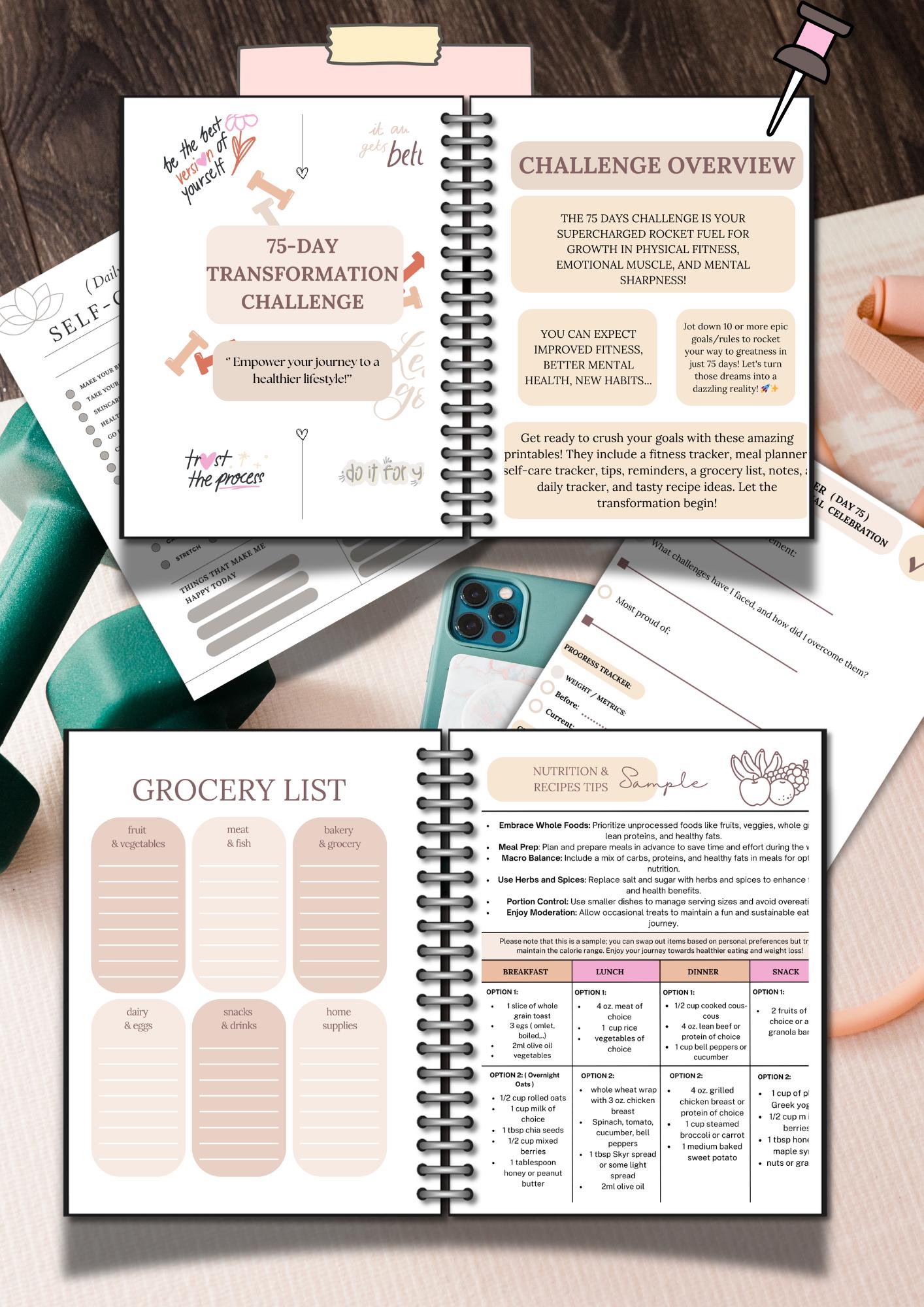
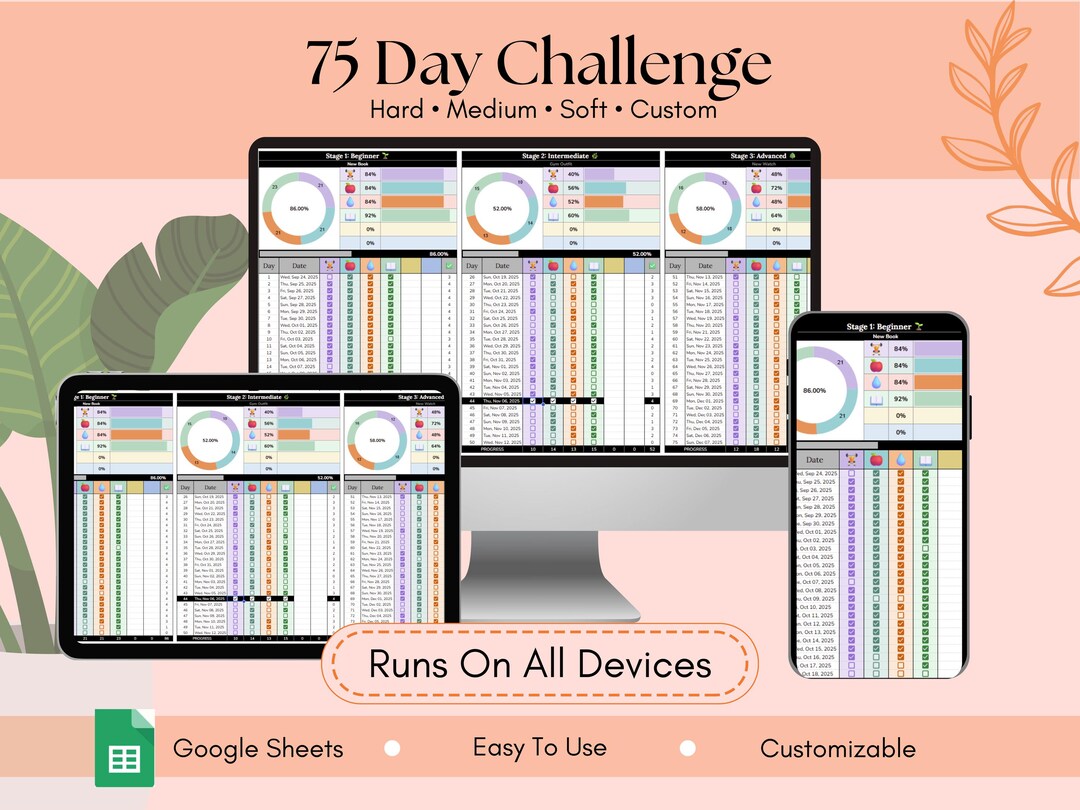
Maintaining a log is the most effective way to ensure no task is forgotten in the chaos of daily life.
| Task | Requirement | Purpose | Strategy for Success |
|---|---|---|---|
| Diet | No cheats, no alcohol | Discipline & Metabolism | Meal prep on Sundays; keep "emergency" compliant snacks. |
| Workout 1 | 45 Mins (Indoors/Outdoors) | Physical Fitness | Complete this early in the morning to "win the day." |
| Workout 2 | 45 Mins (Must be Outdoor) | Mental Fortitude | Use this for a mental break; walk or jog in a local park. |
| Water | 1 Gallon (3.78L) | Internal Health | Start drinking immediately upon waking; finish by 7:00 PM. |
| Reading | 10 Pages (Non-Fiction) | Intellectual Growth | Keep your book on your nightstand or in your work bag. |
| Photo | 1 Daily Progress Picture | Accountability | Take it at the same time and in the same lighting daily. |
Common Pitfalls and How to Avoid Them
The failure rate of 75 Hard is exceptionally high, usually due to "small" oversights rather than a lack of effort. Understanding these common traps can help you reach Day 76.
- The "One Gallon" Trap: Many women wait until the evening to catch up on their water intake. This leads to poor sleep due to frequent bathroom trips. The best strategy is to consume 32 ounces before your first workout and hit the half-gallon mark by noon.
- The Photo Forgetfulness: This is the most common reason for restarting. It is such a small task that it is easily overlooked. Set a recurring alarm on your phone or pair the photo with another daily habit, such as brushing your teeth.
- Over-training Injuries: Two workouts a day is a significant increase in volume for most. To prevent injury, vary your movements. If your morning workout is a heavy leg day, your outdoor workout should be a steady-state walk or a low-impact yoga session.
- Reading Fiction: It is tempting to read a novel, but the rules strictly require non-fiction. According to the Mayo Clinic, cognitive engagement through learning new skills or concepts can significantly improve mental resilience and stress management.
Mental Health and the "All-or-Nothing" Mindset
For women prone to perfectionism or disordered eating, the 75 Hard Challenge can be a double-edged sword. It is important to approach the challenge as a tool for empowerment rather than a form of punishment. The "Hard" in 75 Hard refers to the discipline of showing up, not the intensity of the suffering.
If you find that the challenge is negatively impacting your relationship with food or your body image, it is crucial to consult with a professional. The goal is to build a stronger version of yourself, which includes knowing when a program's structure is no longer serving your long-term health. According to NEDA, rigid rules around food and exercise should be monitored closely in individuals with a history of disordered patterns.
Frequently Asked Questions
Can I modify the 1-gallon water rule if I am a smaller woman?
No. The 75 Hard rules are universal and do not account for body weight or height. While 1 gallon may seem excessive for smaller individuals, the rule is designed to be a challenge of discipline. However, it is essential to supplement with electrolytes (such as sodium, potassium, and magnesium) to prevent hyponatremia, a condition where sodium levels in the blood become dangerously low due to excess water intake.
Does "Outdoor Workout" count if I'm under a covered patio?
Generally, no. The spirit of the rule is to be exposed to the elements. If the patio is fully enclosed or provides total shelter from the wind and rain, it likely does not meet the requirement of being "outdoors." You should be in an environment where you cannot control the temperature or the conditions.
What happens if I get sick during the 75 days?
The rules do not change for illness. If you are too sick to complete your two 45-minute workouts or stick to your diet, you must stop. Many participants use this as a lesson in listening to their bodies; if you need to stop for your health, do so, but you must restart at Day 1 once you have recovered if you wish to complete the challenge.
Can I read a digital book if it's on a Kindle?
The official rules specify a physical book. This is intended to encourage a break from screens and to foster the discipline of carrying a physical object. While some people choose to use E-readers, doing so is technically a modification of the original program.
How do I handle breastfeeding or pregnancy while on 75 Hard?
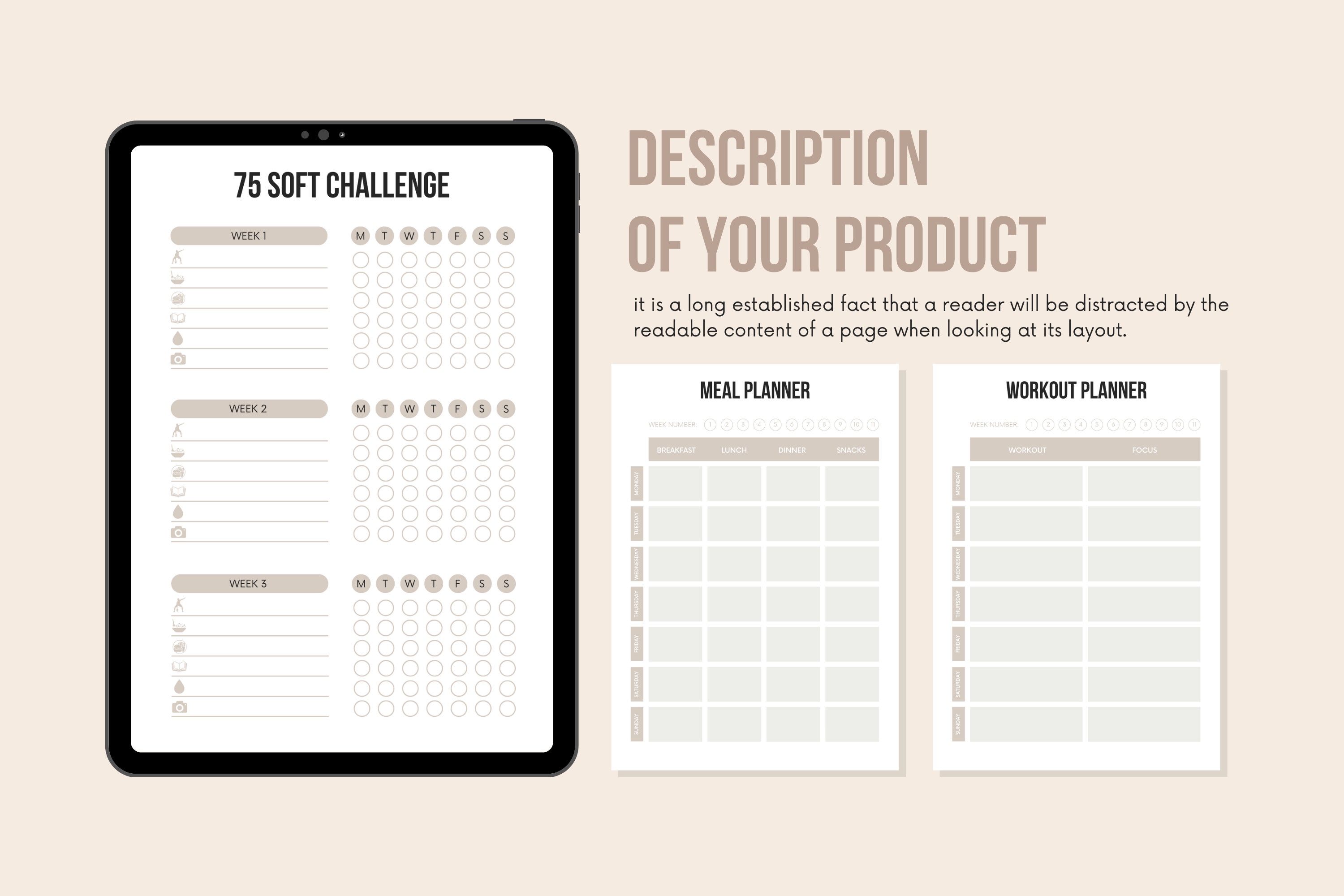
The 75 Hard challenge is an extreme protocol. If you are pregnant or breastfeeding, your nutritional and hydration needs are significantly different. You must consult with your OB-GYN or a registered dietitian before attempting this challenge. For many women in these stages of life, the 75 Hard protocol may be physically unsafe, and a modified version (often referred to as "75 Soft" or a custom plan) may be more appropriate, though it would not technically be the 75 Hard program.
Next Steps: Preparing for Day 1
Success in 75 Hard is 90% preparation and 10% execution. Before you begin your Day 1, take the following steps to ensure you are equipped for the journey ahead:
- Define Your Diet: Clearly write down what constitutes a "cheat" for you. If you are doing Keto, define your carb limit. If you are doing Whole30, ensure you have the approved grocery list. Ambiguity leads to failure.
- Audit Your Schedule: Look at your calendar for the next 75 days. Identify "danger zones" like weddings, holidays, or travel. Plan exactly how you will get your outdoor workout and gallon of water in during those times.
- Buy the Gear: Ensure you have a gallon-sized water jug, at least one pair of reliable outdoor running/walking shoes, and your first three non-fiction books ready to go.
- Enlist Support: Tell your household what you are doing. Having your partner or roommates understand why you are declining drinks or heading out for a walk at 9:00 PM will reduce social friction.
Once you have these pillars in place, pick your start date and commit. The 75 Hard Challenge is a grueling test, but for the woman who completes it, the person who emerges on Day 76 is often unrecognizable—not just in appearance, but in character.