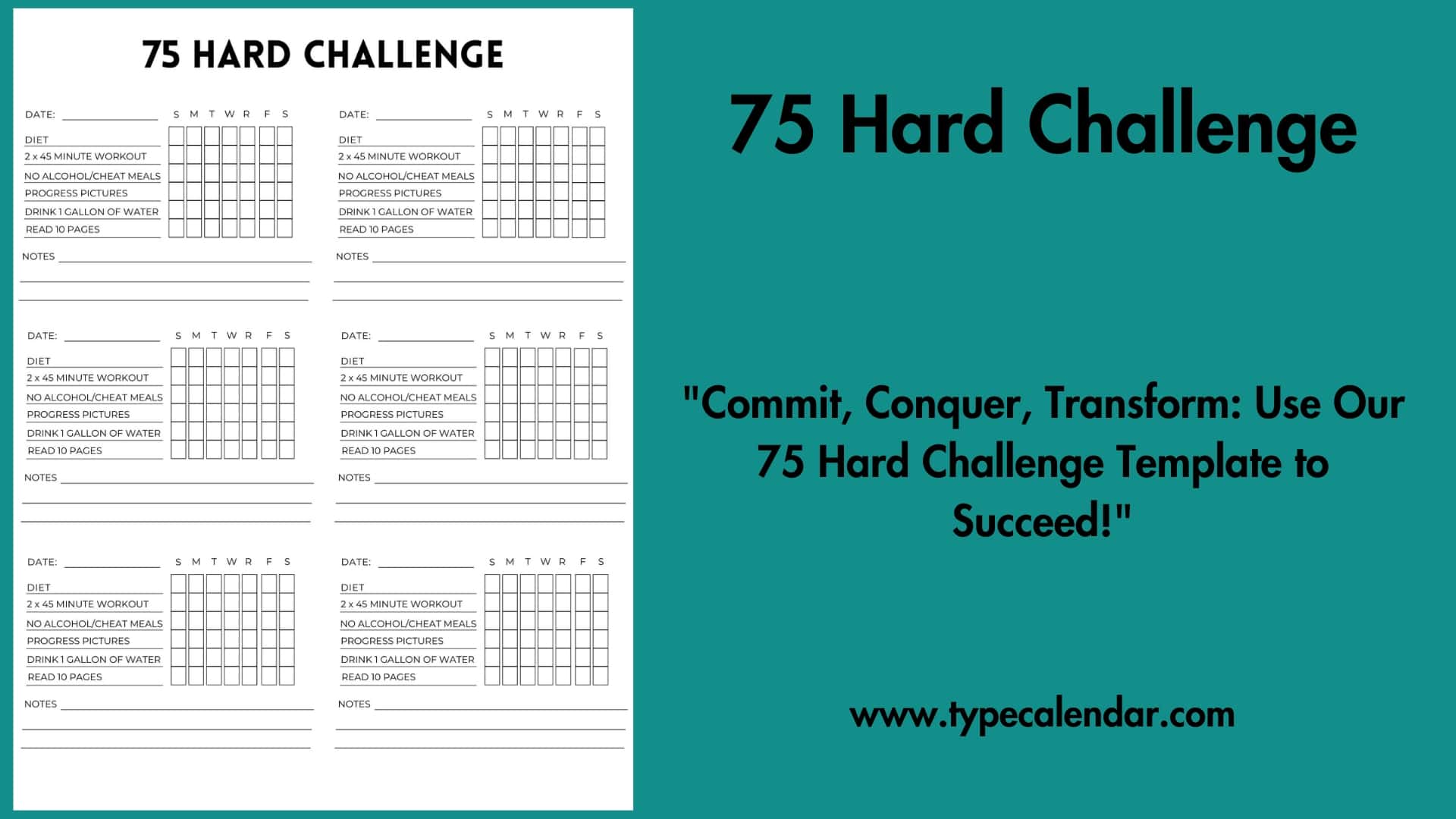
To succeed in the 75 Hard diet component, you must choose a structured nutrition plan aligned with your physical goals and follow it strictly for 75 consecutive days. The program mandates zero alcohol and zero "cheat meals." Success requires selecting a plan that is challenging yet sustainable, ensuring every bite supports your commitment to mental toughness and physical discipline.
Understanding the 75 Hard Diet Rule
The 75 Hard challenge, created by entrepreneur Andy Frisella, is frequently mistaken for a fitness transformation program. In reality, it is a "mental toughness program" designed to build discipline, grit, and fortitude. While the challenge includes two 45-minute workouts, a gallon of water, and daily reading, the diet rule is often the most significant hurdle for participants.
The rule itself is deceptively simple: Follow a diet. However, the program does not specify which diet you must follow. Whether you choose Keto, Paleo, Vegan, Carnivore, or a simple "no processed sugar" rule, the requirement is that you must have a predefined structure. You cannot "wing it" or decide what is healthy on the fly. You must select a plan that fits your goals—whether that is fat loss, muscle gain, or performance—and adhere to it without exception.
The second part of the diet rule is the absolute prohibition of alcohol and cheat meals. In the context of 75 Hard, a "cheat meal" is defined as any food that falls outside your chosen plan. If your plan is "Whole30," a single piece of bread is a cheat. If your plan is "Tracking Macros," exceeding your caloric limit by 50 calories is a cheat. Because 75 Hard is a binary program, a single deviation results in immediate failure, requiring you to restart at Day 1.
Selecting the Right Diet Plan for Your Goals
Because the 2026 health landscape offers a variety of nutritional philosophies, selecting the right "75 Hard challenge diet plan" requires assessing your current health status and long-term objectives. The "ultimate guide to success" begins with picking a plan you can realistically maintain under stress, as the 75 days will inevitably include social events, work pressure, and fatigue.
The Macro-Counting Approach (Flexible Dieting)
Macro-counting involves calculating a specific target for proteins, carbohydrates, and fats. This is often the preferred choice for those with specific body composition goals. It allows for variety but requires meticulous logging of every gram of food. In 2026, many participants use AI-integrated apps to scan meals, but the discipline remains the same: if it doesn’t fit the numbers, you don’t eat it.
The Whole-Foods Approach (Paleo or Whole30)
These diets focus on the quality of food rather than just the caloric content. By eliminating processed sugars, grains, and dairy, you simplify the decision-making process. These plans are excellent for reducing inflammation and improving gut health. However, they require significant meal preparation, as "grab-and-go" options that fit these strict criteria are rare in conventional settings.
The Low-Carbohydrate Approach (Keto)
The Ketogenic diet remains popular for those seeking rapid fat loss and stable energy levels. By shifting the body’s metabolism from glucose to ketones, many find that hunger cravings diminish after the first two weeks. The risk here is the "Keto flu" during the first week of 75 Hard, which can make the required workouts exceptionally difficult.
The Plant-Based Approach (Vegan or Vegetarian)
For those focused on longevity and ethical consumption, a structured plant-based diet can be highly effective. The challenge within 75 Hard is ensuring adequate protein intake to support the two daily workouts. A "junk food vegan" approach—relying on processed meat substitutes—is generally discouraged if the goal is actual health improvement.
Comparison of Popular 75 Hard Diet Strategies
| Diet Type | Primary Focus | Best For | Difficulty Level | Common "Cheat" Traps |
|---|---|---|---|---|
| Macro Tracking | Precision & Numbers | Muscle Growth/Fat Loss | High (Meticulous) | Unaccounted sauces/oils |
| Paleo | Whole Food Quality | General Health | Moderate | Honey/Maple syrup |
| Keto | High Fat/Low Carb | Fat Loss/Focus | High (Strictness) | "Low-carb" processed snacks |
| Whole30 | Elimination | Identifying Sensitivities | Very High | Non-compliant additives |
| Intermittent Fasting | Eating Windows | Metabolic Health | Moderate | Overeating during windows |
The "No Cheat Meal" Mandate: Defining the Boundaries
The most common reason for failure on 75 Hard is the "cheat meal" rule. Because the program is about mental discipline, the definition of a cheat meal is often personal but must be strictly enforced. To succeed, you must define your "non-negotiables" before you start Day 1.
If your diet plan is "clean eating," you must define what that means. Does it mean no refined sugar? Does it mean no deep-fried foods? If you are at a birthday party and "just have one bite" of cake, you have failed. This rule is designed to break the habit of compromise. In the real world, we often negotiate with ourselves to justify poor choices. 75 Hard removes the ability to negotiate.
Alcohol is also strictly forbidden. There are no exceptions for weddings, holidays, or "a long day at work." From a physiological standpoint, eliminating alcohol for 75 days allows for better sleep, improved recovery from the two-a-day workouts, and clearer cognitive function. From a mental standpoint, it forces you to navigate social pressures and stress without a "liquid crutch," which is a core component of the program's transformative power.
Strategic Meal Planning and Preparation
You cannot survive 75 Hard on willpower alone. Success is a byproduct of preparation. Because you will be balancing two 45-minute workouts (one of which must be outdoors) and a full-time schedule, "decision fatigue" is your greatest enemy. When you are tired, hungry, and sore on Day 45, your brain will look for the path of least resistance.
- Sunday Prep Sessions: Dedicate a block of time each week to batch-cook proteins, grains, and vegetables. Having compliant food ready in the refrigerator eliminates the temptation to order takeout when you're exhausted.
- The "Emergency" Stash: Keep 75 Hard-compliant snacks (like raw nuts, beef jerky without sugar, or fruit) in your car or office. Most failures happen when someone is stuck in traffic or a meeting without a meal and "breaks" because they feel they have no choice.
- Read Every Label: You would be surprised how many "healthy" foods contain added sugar or inflammatory oils. During 75 Hard, you must become an expert at reading ingredient lists. If an item contains a forbidden ingredient according to your chosen diet, it is a "cheat."
Hydration and the Gallon-of-Water Requirement
While often discussed separately, the gallon-of-water rule is intrinsically linked to the diet plan. Consuming 128 ounces of plain water (no flavors, no powders, no carbonation) daily is a massive undertaking that affects your digestion and satiety levels.
In 2026, health experts continue to emphasize that proper hydration is essential for the metabolic processes required to see results from a diet. However, drinking a gallon of water requires a strategy. If you wait until 7:00 PM to start your last 60 ounces, you will ruin your sleep quality with frequent bathroom trips. Successful participants typically aim to finish half their gallon by noon and the full gallon by 8:00 PM. This ensures that the water supports the diet and recovery process without interfering with the rest needed for the 75-day marathon.
Common Pitfalls and How to Avoid Failure
The majority of people who start 75 Hard do not finish, and the diet is usually the culprit. Recognizing these common pitfalls will help you stay on track through the "dark days" of the challenge (typically weeks 3 and 4).
- Choosing a Diet That is Too Restrictive: If you have never done a diet before, choosing a strict "Zero-Carb Carnivore" plan might lead to a crash. Pick a plan that challenges you but provides enough energy for your workouts.
- The "Social Pressure" Trap: Friends and family will often try to convince you that "one drink won't hurt" or "it's just a small piece of bread." You must be prepared to say no. Many successful participants find it helpful to tell people they are on a strict "medical protocol" or a "mental discipline challenge" to stop the pestering.
- Under-eating: With two 45-minute workouts a day, your caloric needs will increase. If you don't eat enough of your compliant foods, your cortisol levels will spike, leading to burnout and potential injury.
- Forgetting the "Zero Alcohol" Rule in Ingredients: Watch out for sauces or dishes cooked with wine or beer. While some argue the alcohol "burns off," the 75 Hard rules are about the spirit of the law. Most successful participants avoid anything containing alcohol to ensure there is no ambiguity.
FAQs About the 75 Hard Diet Plan
Can I change my diet plan halfway through 75 Hard?
No. The essence of 75 Hard is sticking to the plan you set on Day 1. Changing the diet because the first one was "too hard" is considered a mental compromise. If you realize your diet is medically unsafe, you should stop, adjust the plan, and restart at Day 1.
Are protein shakes allowed on the 75 Hard diet?
Yes, provided they fit within your chosen diet plan and do not contain ingredients you've restricted (like added sugars). However, a protein shake should not be treated as a "treat" or a milkshake replacement; it is a functional tool for recovery.
What happens if I accidentally eat something non-compliant?
In 75 Hard, there are no accidents—only a lack of attention to detail. If you realize you consumed something that violates your diet, you must reset to Day 1 immediately. This builds the habit of extreme ownership and attention to detail.
Can I use artificial sweeteners or "zero-calorie" sodas?
This depends entirely on the diet you chose. If your diet is "Paleo" or "Whole30," artificial sweeteners are forbidden. If your diet is "If It Fits Your Macros" (IIFYM), they might be allowed. However, many find that eliminating sweet tastes altogether helps break the psychological addiction to sugar.
Is coffee allowed on 75 Hard?
Black coffee is generally allowed on any 75 Hard diet plan. However, adding cream, sugar, or flavored syrups depends on your specific diet rules. If your plan says "no sugar," then your coffee must be sugar-free.
Next Steps for Starting Your Journey
The best way to begin your 75 Hard journey is to spend one full week in the "preparation phase" before Day 1. Use this time to consult with a healthcare professional or a nutritionist to ensure your chosen diet is safe for your specific health profile. Once you have selected your plan, write it down in a journal or a digital document.
Define exactly what constitutes a "cheat" and what doesn't. Purchase your gallon-sized water jug, clear your pantry of temptations, and perform a "trial run" of your meal prep. By removing the guesswork, you transform 75 Hard from a daunting obstacle into a series of manageable daily tasks. Remember, the diet is not just about what you eat; it is about proving to yourself that you can keep a promise to yourself for 75 straight days.