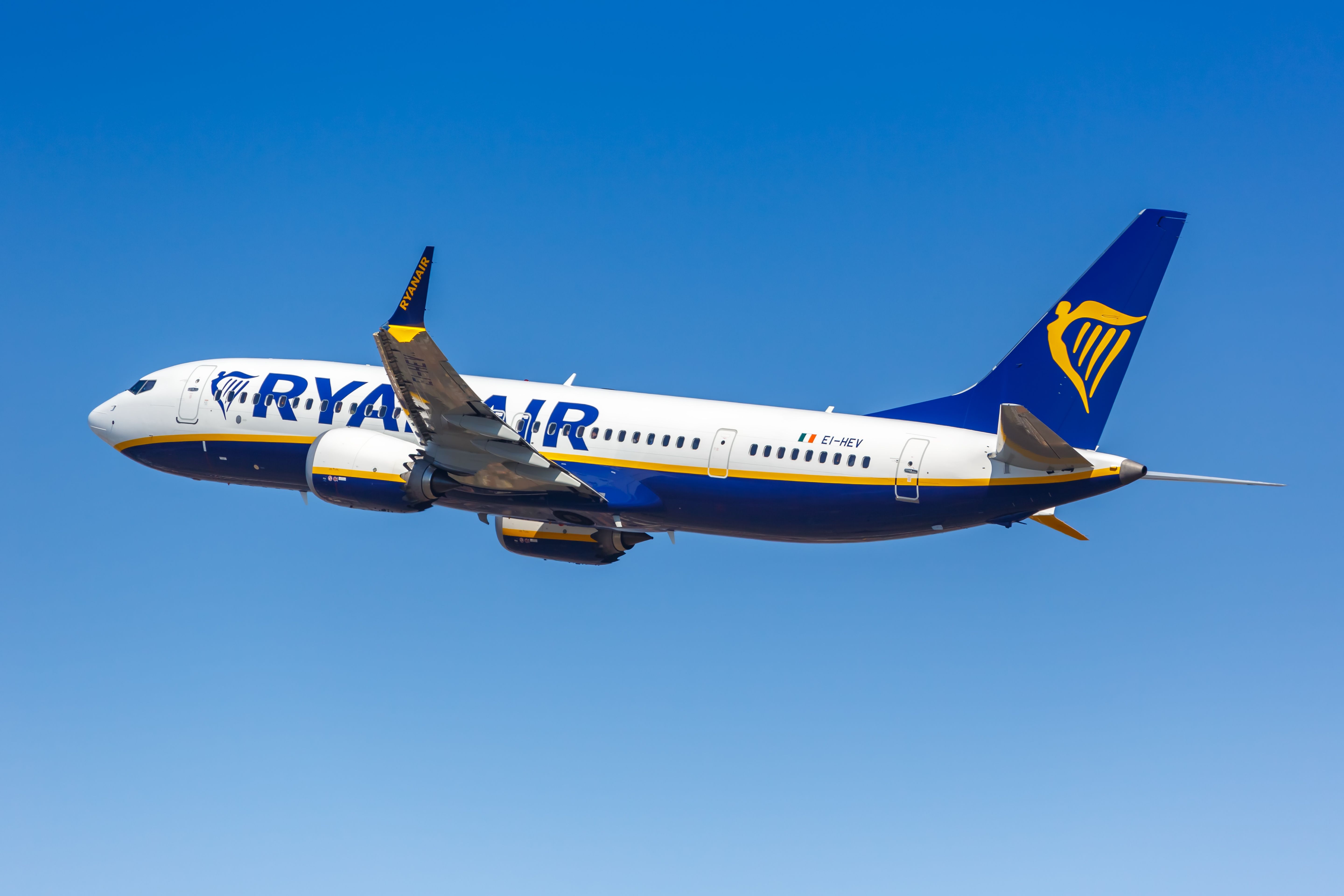
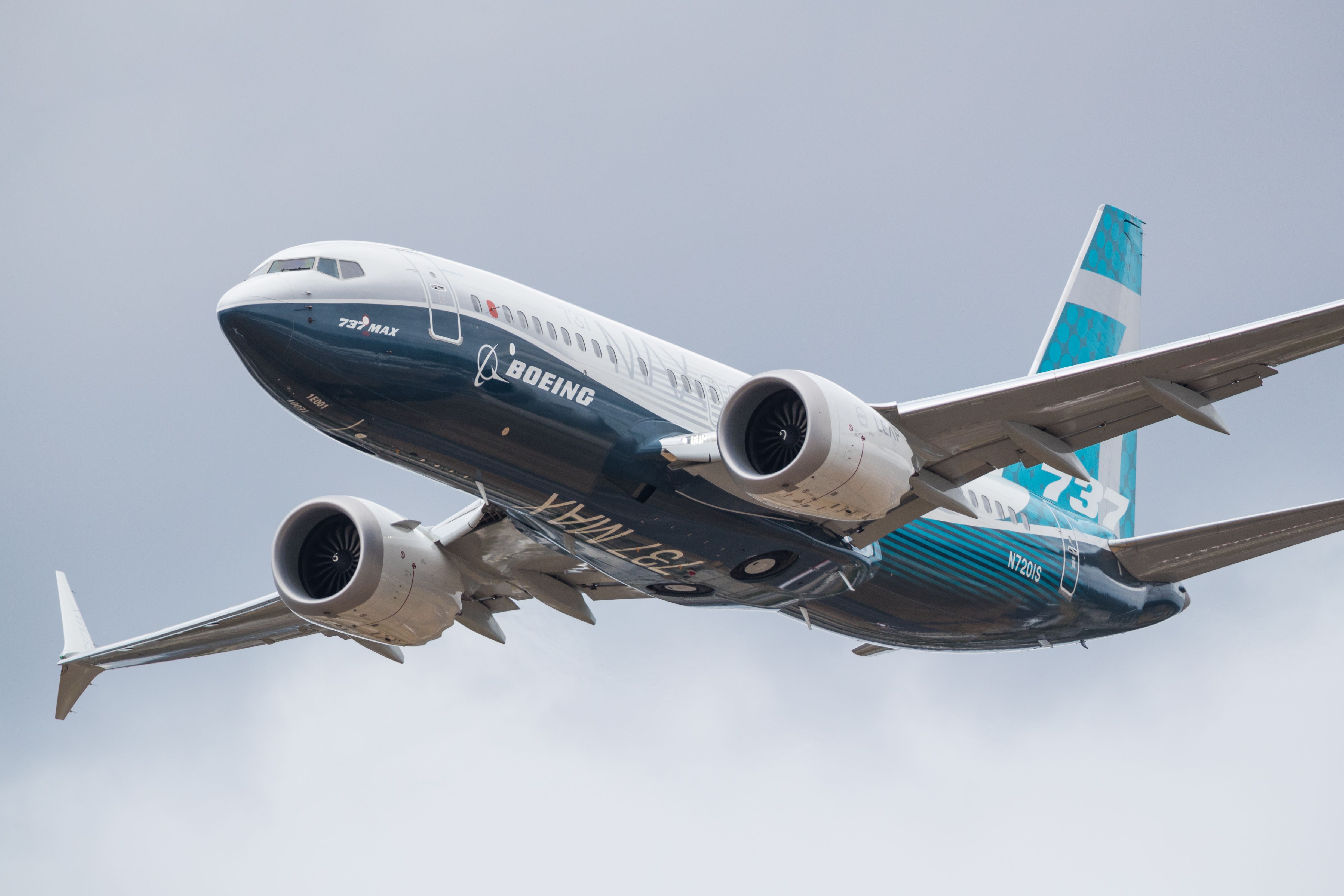
The Boeing 737 MAX represents the fourth generation of the 737 family, designed to offer increased fuel efficiency and range compared to the Next Generation (NG) series. By integrating larger CFM International LEAP-1B engines and advanced aerodynamic features, the aircraft serves as a cornerstone for medium-haul global aviation, despite facing significant regulatory scrutiny and design modifications following its initial entry into service.
The Technical Evolution of the 737 MAX Series
The 737 MAX was developed as Boeing's response to the market shift toward higher fuel efficiency and longer range in the narrow-body jet segment. Unlike a complete clean-sheet design, the MAX builds upon the airframe architecture of the 737 NG. This continuity was intended to allow airlines to leverage commonality, reducing the need for extensive pilot retraining and allowing for shared spare parts inventories.
The most visible change in the MAX series is the engine configuration. The CFM International LEAP-1B engines are significantly larger than the CFM56 engines found on the 737 NG. To accommodate these larger fans while maintaining sufficient ground clearance for the 737’s inherently low-slung design, engineers moved the engine nacelles further forward and higher relative to the wing. This change altered the aerodynamic pitching moment of the aircraft, particularly at high angles of attack, which led to the introduction of the Maneuvering Characteristics Augmentation System (MCAS).
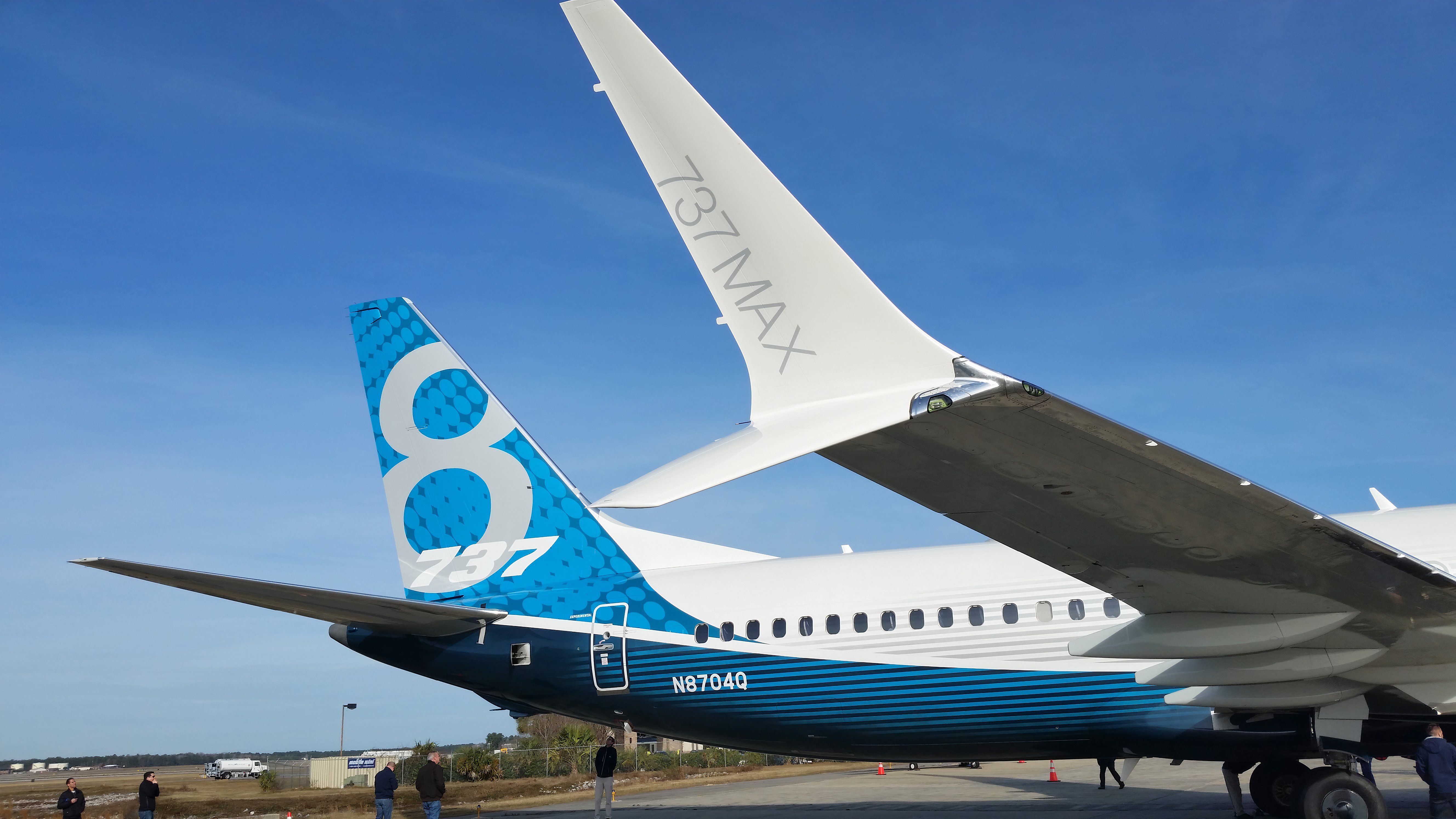
Beyond the engines, the MAX series incorporates advanced winglet technology. The "Advanced Technology" winglet features a split-tip design that reduces drag and improves fuel burn. These aerodynamic refinements, combined with structural weight reduction and updated avionics, allow the MAX to achieve significantly lower operating costs per seat-mile, making it a highly competitive asset for carriers navigating volatile fuel prices.
Regulatory History and Safety Recertification
The history of the 737 MAX is marked by two high-profile accidents—Lion Air Flight 610 and Ethiopian Airlines Flight 302—that led to a global grounding of the fleet starting in March 2019. These incidents highlighted issues with the MCAS, which had been designed to compensate for the aircraft's handling characteristics by automatically pushing the nose down if sensors detected a high angle of attack.
The subsequent investigation revealed that the system relied on a single angle-of-attack sensor, which was vulnerable to failure or erroneous data. Following the grounding, aviation regulators, led by the Federal Aviation Administration (FAA), required Boeing to implement comprehensive design changes. These updates included making MCAS redundant by requiring inputs from both angle-of-attack sensors, limiting the system’s ability to command repeated nose-down inputs, and implementing mandatory pilot training simulator sessions. The fleet began returning to service in late 2020 and throughout 2021 as regulators worldwide lifted the flight bans after validating these safety enhancements.
Fleet Variants and Operational Capabilities
The 737 MAX family consists of several variants designed to cover a range of seating capacities and mission lengths. This modular approach allows airlines to optimize their fleet for specific routes, from short-haul domestic hops to longer transcontinental flights.
| Variant | Typical Seating (2-Class) | Maximum Range | Primary Application |
|---|---|---|---|
| 737 MAX 7 | 138–153 | 3,850 nmi | High-altitude/short runways |
| 737 MAX 8 | 162–178 | 3,550 nmi | Mainline medium-haul |
| 737 MAX 9 | 178–193 | 3,550 nmi | Capacity-focused domestic |
| 737 MAX 10 | 188–204 | 3,300 nmi | High-density routes |
The MAX 8 serves as the baseline model, while the MAX 7 is optimized for short-to-medium range performance with superior takeoff capabilities from shorter runways. The MAX 9 and the larger MAX 10 are designed to compete directly in the high-density narrow-body market, offering increased capacity for carriers that require more seats per departure.
Structural and Avionics Integration
The avionics suite in the 737 MAX is centered around large-format, high-resolution liquid crystal displays (LCDs). These displays provide pilots with a comprehensive overview of flight parameters, navigation, and engine performance, improving situational awareness compared to the flight decks of earlier 737 generations.
From a structural perspective, the MAX utilizes advanced composite materials and alloy refinements to minimize weight while maintaining durability. The integration of modern electrical and hydraulic systems also supports higher reliability. However, because the aircraft retains the core fuselage cross-section of the original 737, the cabin width remains narrower compared to newer, clean-sheet competitors. This imposes specific constraints on galley placement, cargo capacity, and passenger comfort, factors that airline planners must weigh against the benefits of fleet commonality.
Maintenance and Operational Logistics
For airlines operating the 737 MAX, maintenance programs are streamlined due to the high percentage of common parts shared with the 737 NG. Many maintenance tasks, tooling, and diagnostic procedures are identical, which reduces training costs for ground crews and logistics overhead for parts procurement.
However, the specific requirements of the LEAP-1B engine demand specialized maintenance protocols. These high-bypass engines require rigorous monitoring of thermal conditions and blade integrity. Airlines must adhere to strict maintenance intervals and airworthiness directives (ADs) that have been issued since 2020 to ensure the continued integrity of both the airframe and the updated flight control software. Routine checks focus on the angle-of-attack sensor hardware, stall identification systems, and the flight control computers, ensuring that the software/hardware interface remains in compliance with 2026 airworthiness standards.
FAQ: Frequently Asked Questions
Is the 737 MAX safe for travel today?
Yes. Following the global grounding between 2019 and 2020, the aircraft underwent an exhaustive recertification process by major international aviation authorities. This included significant hardware redundancies, software architecture changes, and mandatory pilot retraining.
How does the 737 MAX compare to the Airbus A320neo?
The 737 MAX and the Airbus A320neo are the two primary competitors in the narrow-body market. The 737 MAX generally favors fleet commonality for existing 737 operators, while the A320neo offers a wider fuselage and a completely different cockpit philosophy. The choice often depends on an airline's existing fleet infrastructure.
What is the primary difference between a 737 MAX 8 and a 737 MAX 9?
The primary difference is fuselage length and seating capacity. The 737 MAX 9 is a stretched version of the MAX 8, designed to accommodate more passengers, which increases revenue potential on high-demand routes at the expense of a slightly shorter maximum flight range.
Do pilots need special training to fly the 737 MAX?
Yes. Since the recertification, pilots are required to complete updated training, including simulator sessions that specifically cover scenarios involving the flight control system, sensor failure, and updated emergency procedures.
What are the main challenges for 737 MAX operators in 2026?
Operators in 2026 continue to focus on optimizing the fuel efficiency of the LEAP engines and managing supply chain constraints that can affect the availability of specific replacement parts. Maintaining strict compliance with all current airworthiness directives remains the top priority for flight safety departments.
Best Practices for Fleet Integration and Planning
For organizations managing a 737 MAX fleet, the focus remains on leveraging commonality while maintaining high-standard safety protocols. Airlines should prioritize the following actions:
- Continuous Training: Ensure that all flight crews undergo periodic proficiency checks that exceed the minimum regulatory requirements, focusing on manual flying skills and systems knowledge.
- Data-Driven Maintenance: Utilize engine health monitoring systems to predict potential maintenance needs before they become unscheduled interruptions.
- Regulatory Monitoring: Actively monitor databases from the FAA and EASA for any new airworthiness directives, as the maintenance landscape for any commercial aircraft continues to evolve.
By maintaining a culture of safety-first operation and investing in updated pilot training, airlines can effectively utilize the efficiency and performance capabilities of the 737 MAX to meet modern passenger demand.