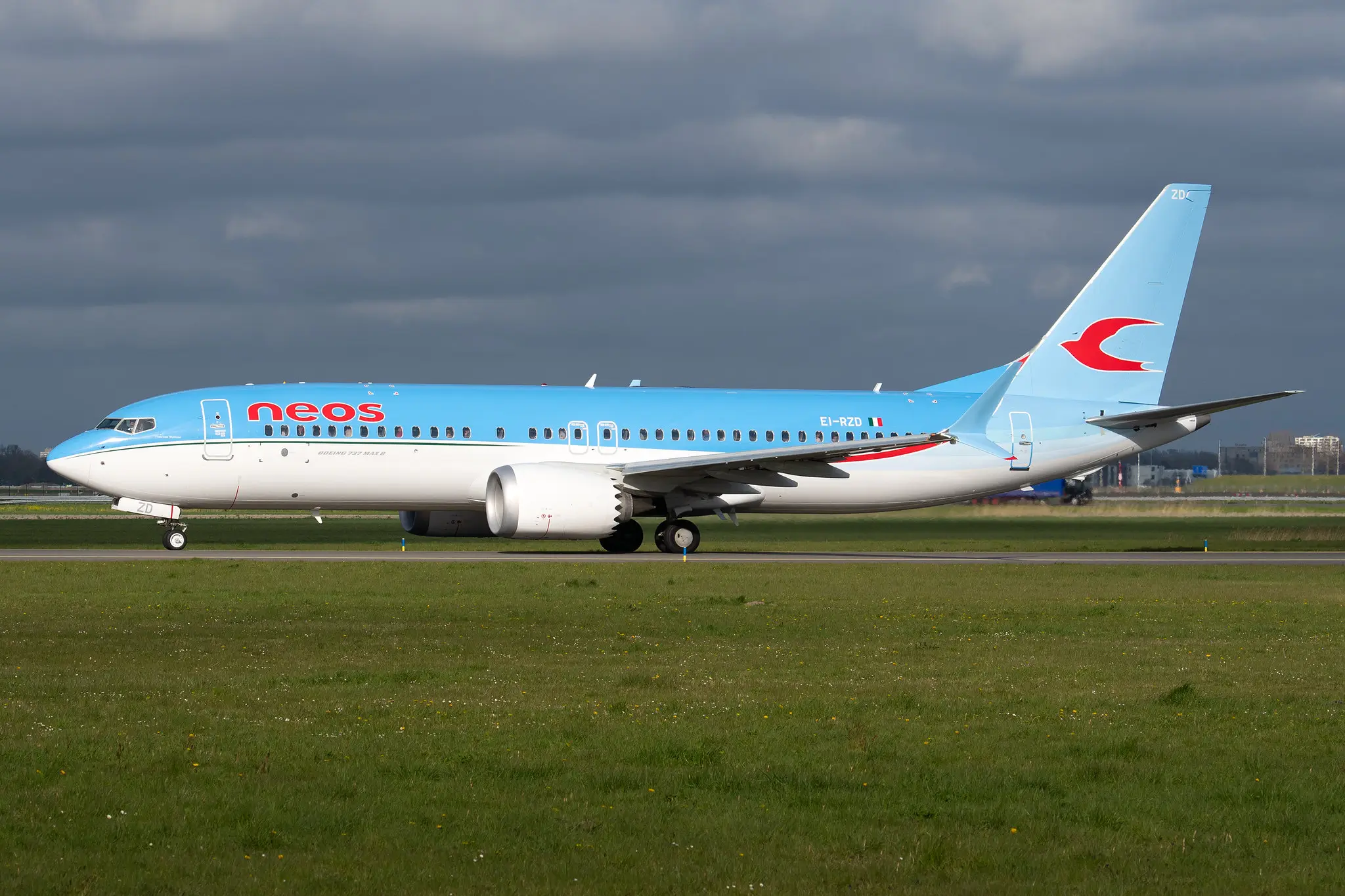
The Boeing 737 MAX 8 is a narrow-body, twin-engine jet designed for short-to-medium-haul operations, typically accommodating between 162 and 178 passengers in a standard two-class configuration, though it can support up to 210 in a high-density layout. Its cabin design centers on the "Boeing Sky Interior," which utilizes modern lighting, sculpted sidewalls, and larger overhead bins to maximize perceived space and passenger comfort.
Engineering the Cabin: Dimensions and Constraints
The 737 MAX 8 maintains the iconic fuselage cross-section of the 737 family, which has been in service since the 1960s. While the airframe has undergone significant aerodynamic and propulsion updates, the cabin width remains fixed at approximately 11 feet and 7 inches (3.53 meters). This physical constraint dictates the fundamental seating configuration, which is traditionally a 3-3 arrangement in the main cabin.
Because the fuselage width is narrower than wide-body aircraft or some competing narrow-body models, the experience for passengers is highly dependent on how individual airlines configure their specific seating charts. The "Max" designation refers to the CFM LEAP-1B engines and aerodynamic improvements that extend range and fuel efficiency, but the interior ergonomics are primarily a function of airline-selected seat pitch, width, and cabin densification strategies.
Understanding Passenger Capacity and Seating Configurations
Passenger capacity on the 737 MAX 8 is highly variable. Boeing provides a baseline, but the final count is a strategic decision made by the airline operator. This choice reflects the airline's business model—whether they prioritize luxury and premium legroom or low-cost, high-density throughput.
- Two-Class Layout: This is the most common configuration for full-service carriers. It typically features 12 to 16 business or first-class seats (usually a 2-2 configuration) and roughly 150 to 160 economy seats.
- Single-Class/High-Density Layout: Low-cost carriers often remove bulkheads and galleys to maximize floor space. In this configuration, the aircraft can seat up to 210 passengers. This usually necessitates a reduction in seat pitch—the distance between one point on a seat and the same point on the seat behind it.
Comparative Capacity Table
| Configuration Type | Typical Capacity Range | Primary Target |
|---|---|---|
| Full-Service (Two-Class) | 162 – 178 | Business/Leisure Mix |
| Low-Cost (High-Density) | 189 – 210 | Budget/Volume Travel |
| Corporate/VIP | Variable | Private/Specialized |
Comfort Specs: The Boeing Sky Interior
The Boeing Sky Interior is a signature feature of the 737 MAX 8 that aims to mitigate the feeling of being in a "tube." It incorporates several design elements intended to improve the passenger experience:
- LED Lighting: The cabin features a multi-color LED system that can simulate sunrise or sunset, helping passengers adjust to different time zones and creating a more relaxing atmosphere during boarding and deplaning.
- Sculpted Sidewalls: The curvature of the sidewall panels is designed to provide more shoulder room at window seats, creating a slightly more open feeling.
- Enhanced Overhead Bins: The bins are designed to pivot downward and outward, which increases the storage volume and makes it easier for passengers to stow standard-sized carry-on luggage.
- Acoustics: While the 737 is a narrow-body, the engine housing and aerodynamic fairings on the MAX 8 contribute to a quieter cabin environment compared to previous 737 generations.
Seat Pitch and Ergonomics
The single most significant factor in a passenger’s perception of comfort is seat pitch. In economy class, seat pitch on a 737 MAX 8 generally ranges from 28 to 31 inches. A 28-inch pitch is common on ultra-low-cost carriers and can feel quite cramped for taller passengers. Conversely, 30 to 31 inches—often found on legacy carriers—is considered the industry standard for short-haul comfort.
Seat width also plays a role. Most seats in the 737 MAX 8 cabin are approximately 17 to 18 inches wide. It is important for passengers to note that these figures are averages. Airlines often purchase "slimline" seats, which use lighter materials and thinner cushioning to save weight and space. While this allows for more seats per row without drastically reducing pitch, it can result in a firmer seat feel.
Operational Layout and Passenger Flow
The layout of the 737 MAX 8 is governed by strict safety regulations regarding egress. Regardless of the interior design, every aircraft must ensure that all passengers can evacuate within a mandated timeframe. This impacts the placement of exit rows, galleys, and lavatories.
- Lavatories: Most MAX 8 configurations include three lavatories: one at the front and two at the rear. High-density layouts sometimes utilize "space-saving" lavatory configurations that allow for an extra row of seats by slightly reducing the square footage of the onboard restrooms.
- Galleys: The forward galley is usually smaller to maximize cabin space, while the rear galley is a larger, multi-purpose area for meal prep and service equipment.
- Mid-Cabin Exit Rows: These rows offer the most legroom but come with specific requirements. Per aviation safety standards, passengers seated in exit rows must be physically capable of operating the hatch and assisting with an emergency evacuation. They must also be willing to follow crew instructions regarding the stowage of all personal items, as bags cannot be kept at their feet during takeoff and landing.
Frequently Asked Questions
Is the 737 MAX 8 more comfortable than a wide-body jet?
Generally, no. Wide-body jets (like the 787 or 777) have two aisles, a wider fuselage, and a lower passenger-to-lavatory ratio. Because the 737 MAX 8 is a narrow-body, it has one aisle and a tighter seat configuration, which can feel more constrained on flights longer than four to five hours.
How do I identify if my flight is on a 737 MAX 8?
During the booking process, most airline websites or third-party travel platforms will list the aircraft type under "Flight Details." If the aircraft is listed as "Boeing 737 MAX 8" or sometimes "73M," it is the aircraft type in question.
Does the seat configuration change within the same airline's fleet?
Yes. Many airlines operate multiple versions of the 737 MAX 8. One version might be set up for longer routes with more premium seats, while another is configured for high-frequency, short-haul routes with a dense economy layout. Checking the specific seat map for your flight date is the most reliable way to verify your layout.
Are there seats to avoid on a 737 MAX 8?
Seats in front of the exit row often have limited recline to ensure the path to the exit remains clear. Additionally, seats in the final rows of the cabin are often located near the lavatories, which can lead to increased foot traffic and noise throughout the flight.
Does the 737 MAX 8 have power outlets or Wi-Fi?
This is entirely dependent on the airline’s equipment choices. Many modern 737 MAX 8 cabins are equipped with USB ports and AC power outlets at each seat, as well as satellite-based Wi-Fi. However, these are optional "line-fit" or "retrofit" features and are not standard across all MAX 8 aircraft.
Making Informed Booking Decisions
When choosing your seat, use the airline’s interactive seat map. Look for indicators of "extra legroom" or "emergency exit" seats if comfort is your primary concern. If you are a tall passenger, prioritize these rows, but remember the prerequisites regarding exit row eligibility. Always cross-reference the airline’s official seat map with independent review sites that use passenger feedback, as the actual experience can vary due to the specific seat model installed by the carrier.