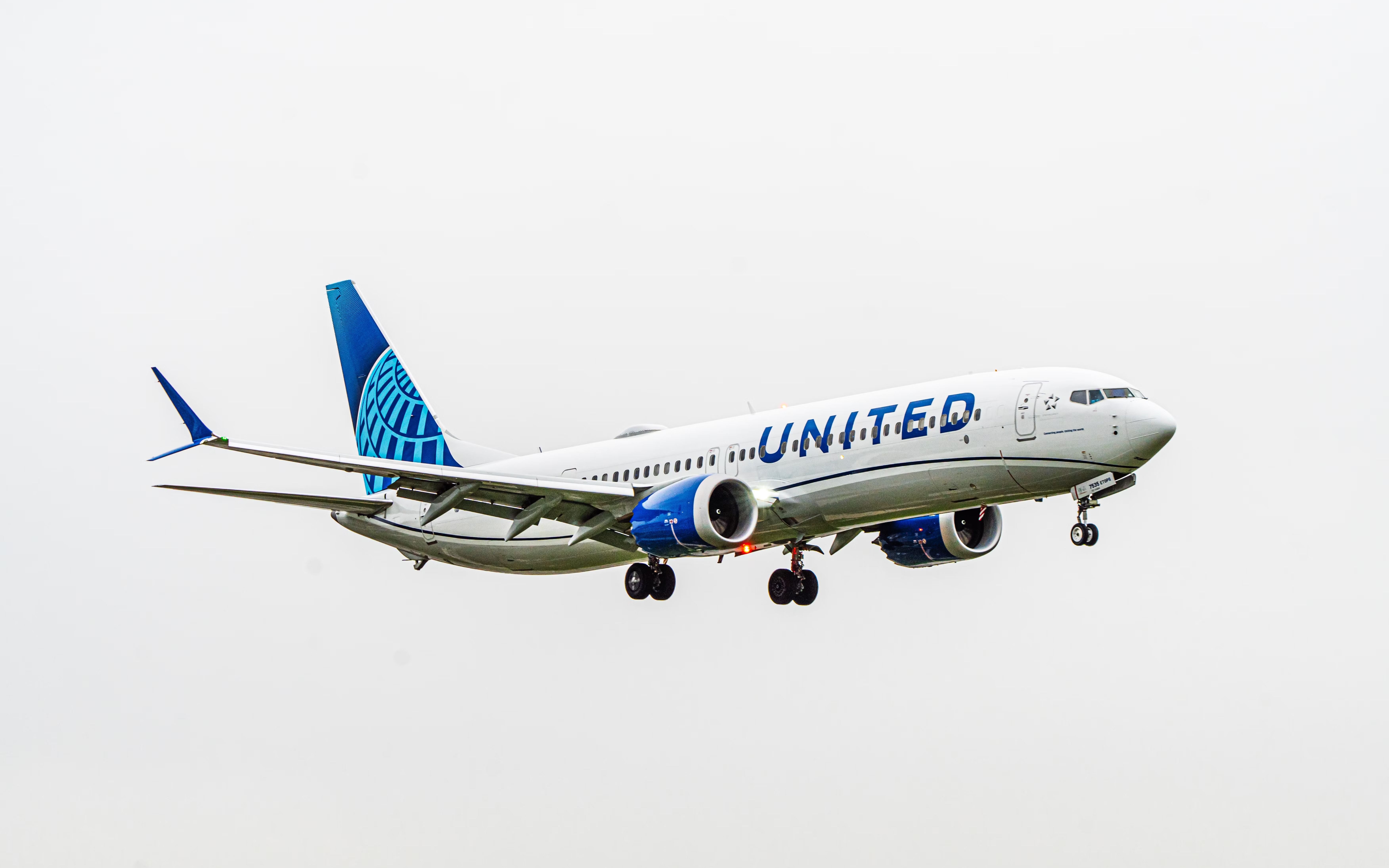
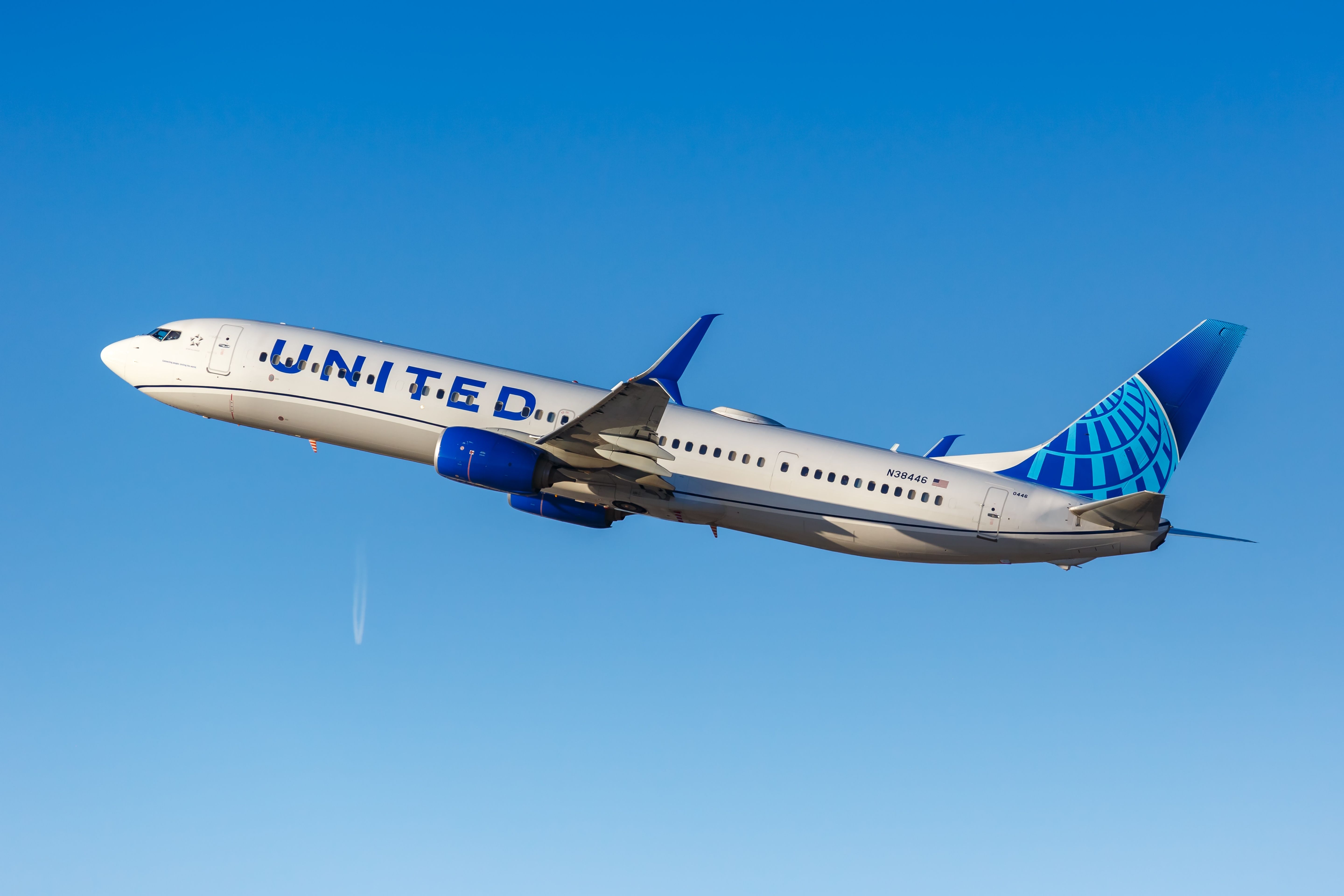
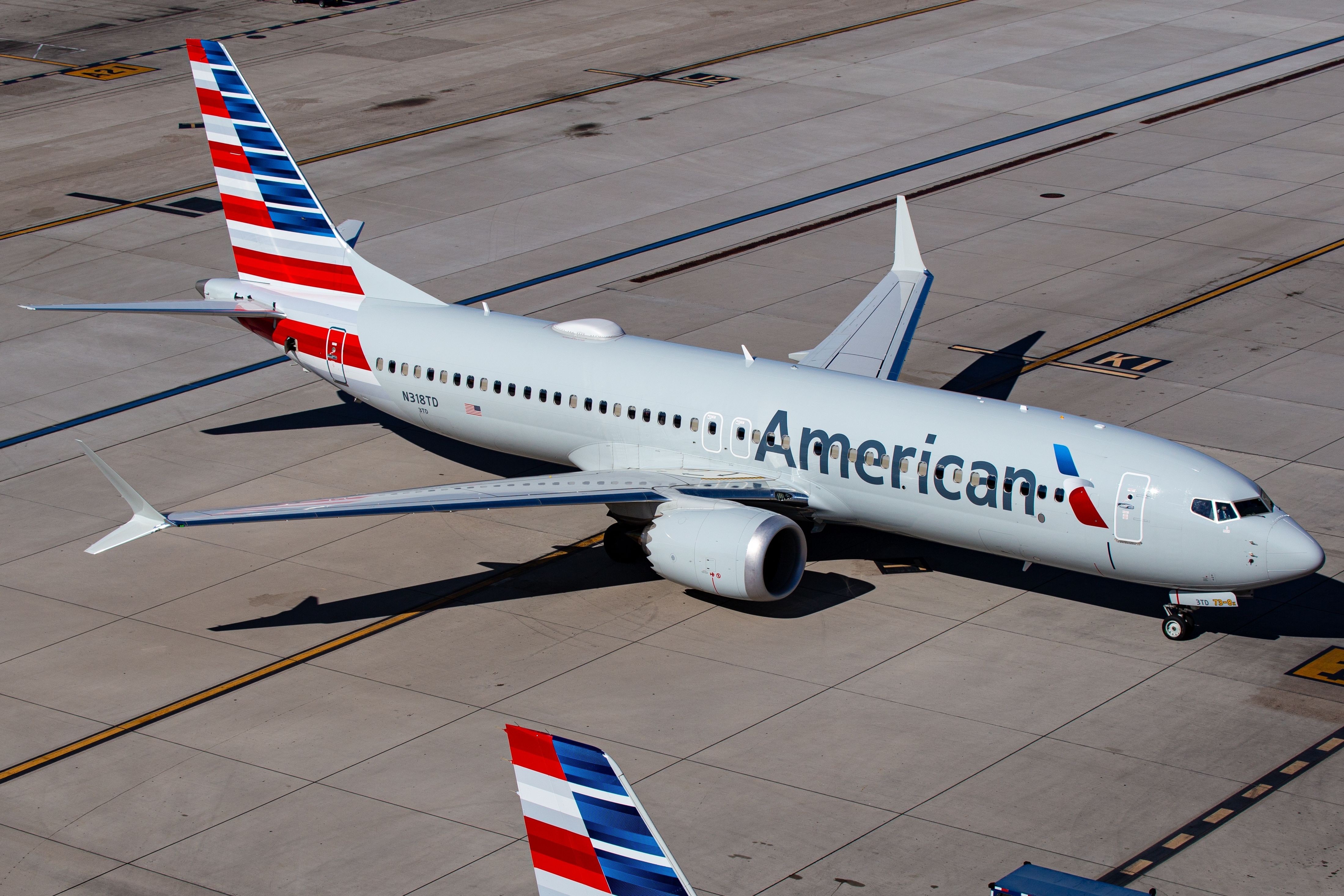
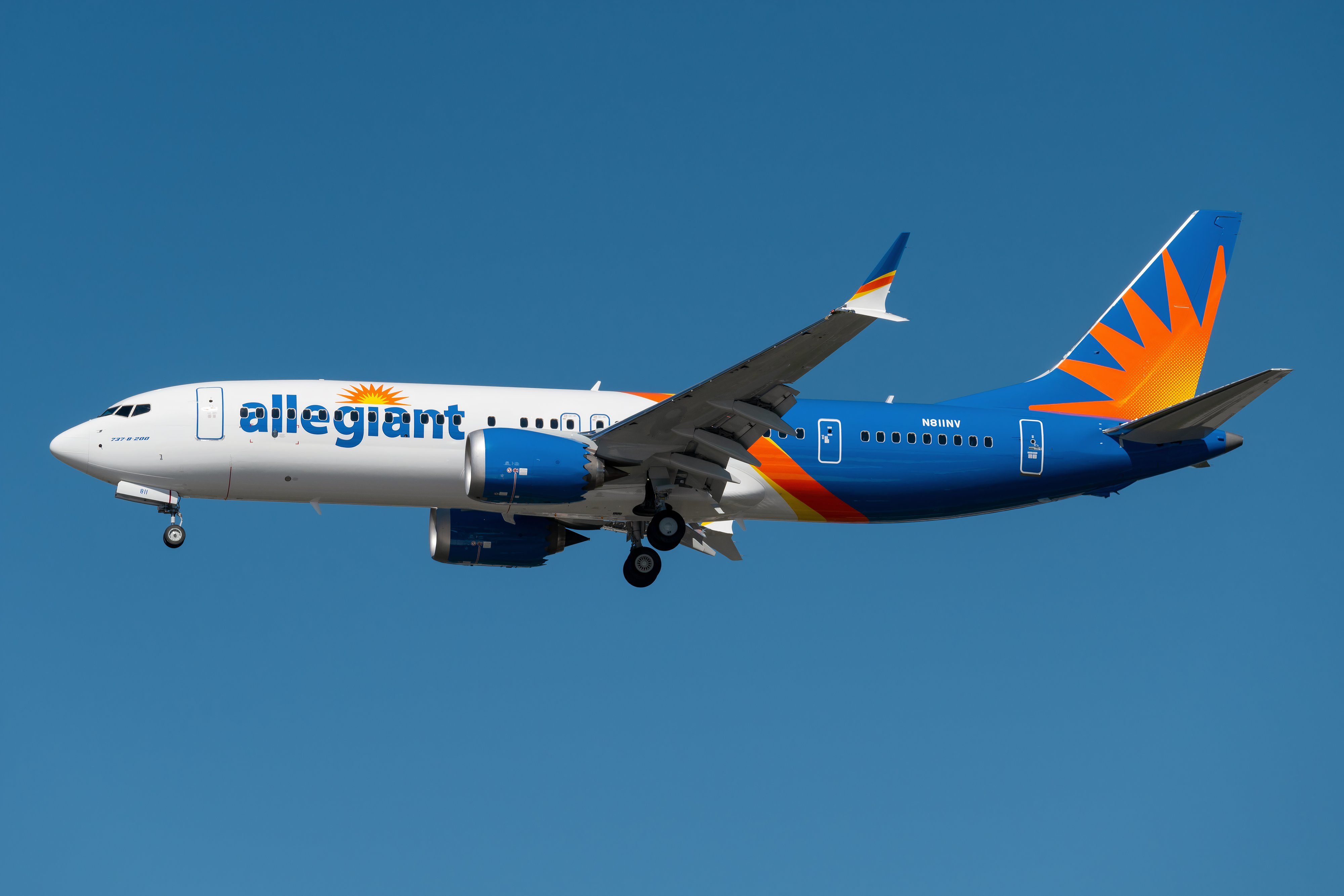
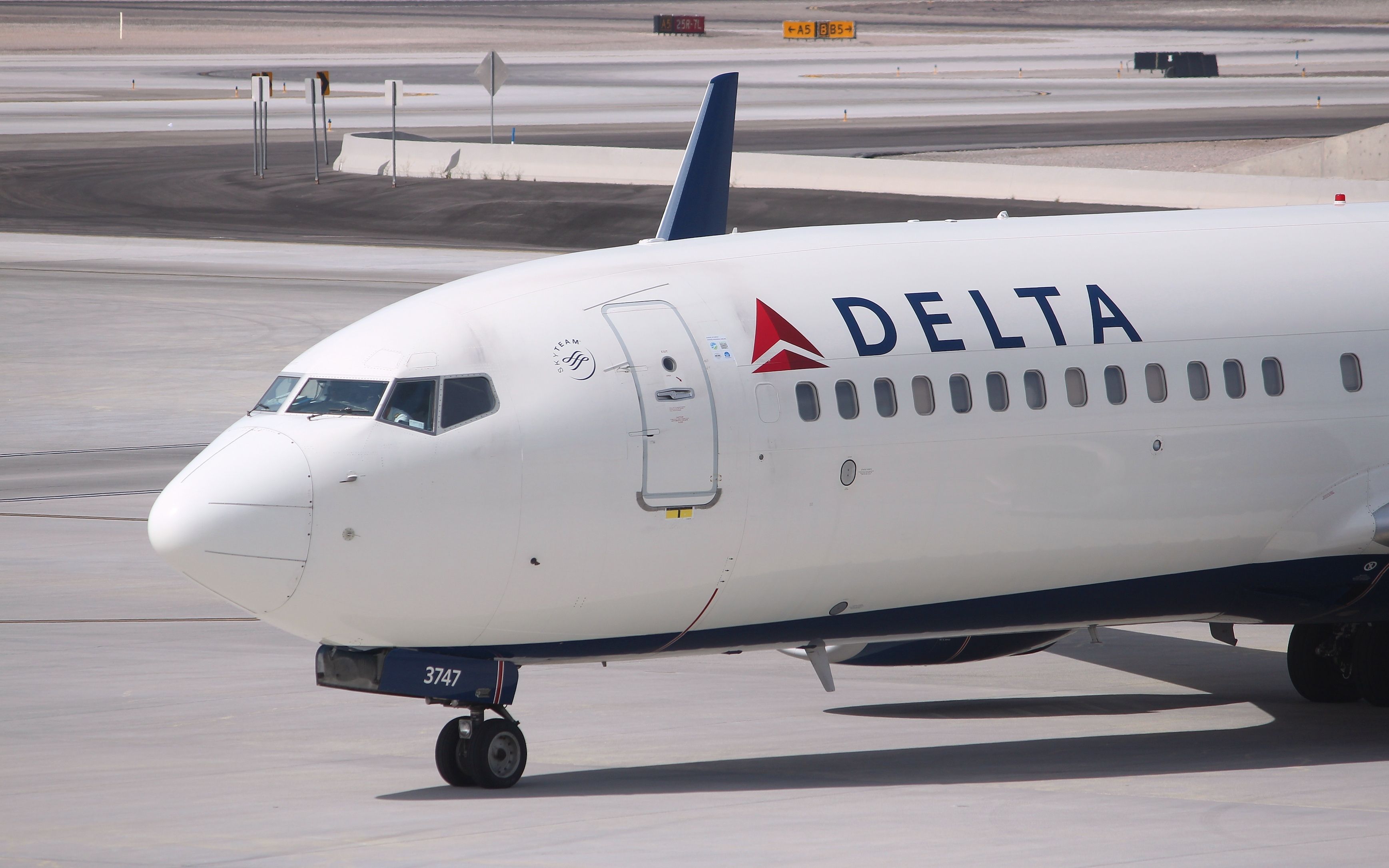
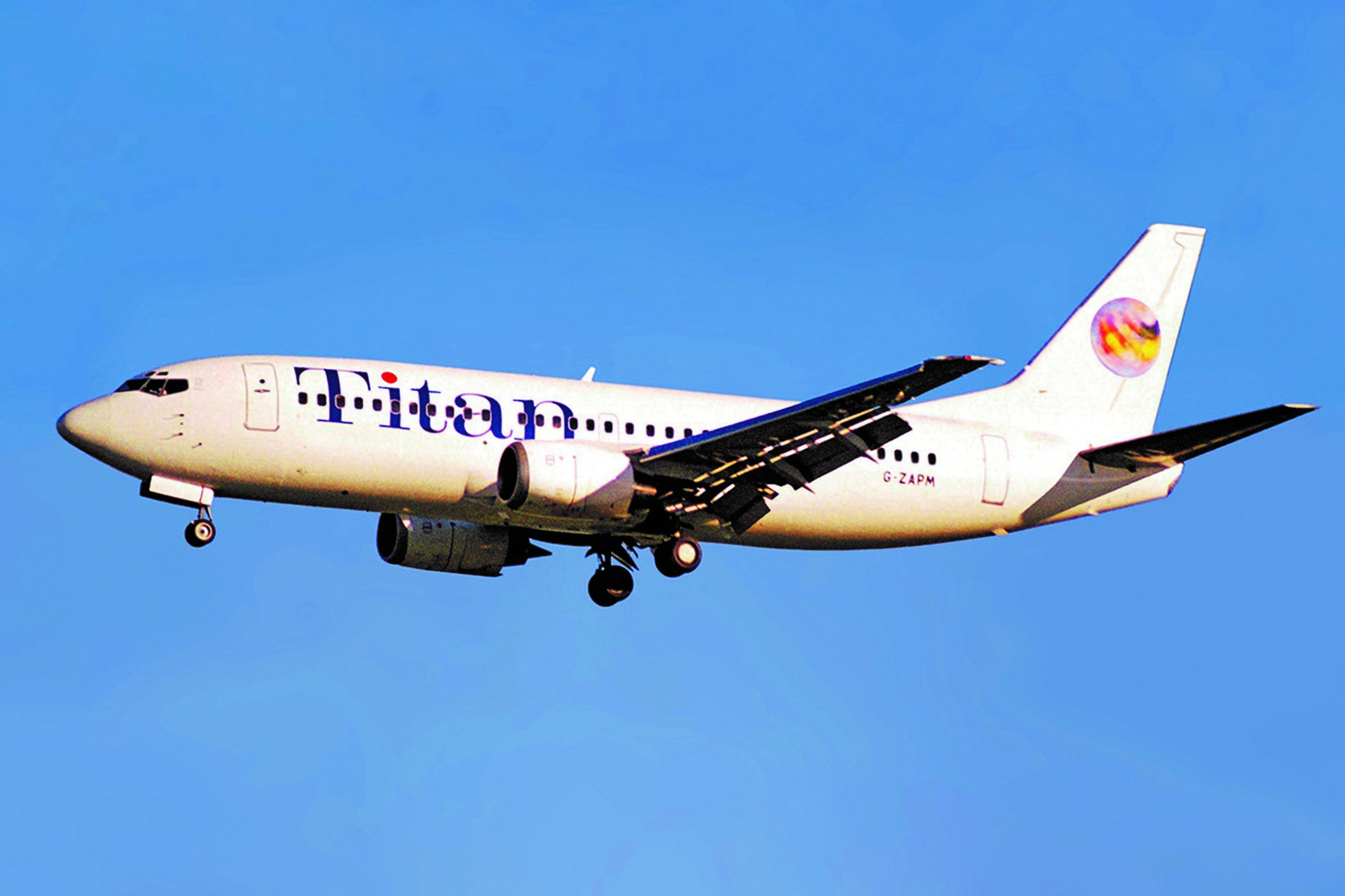
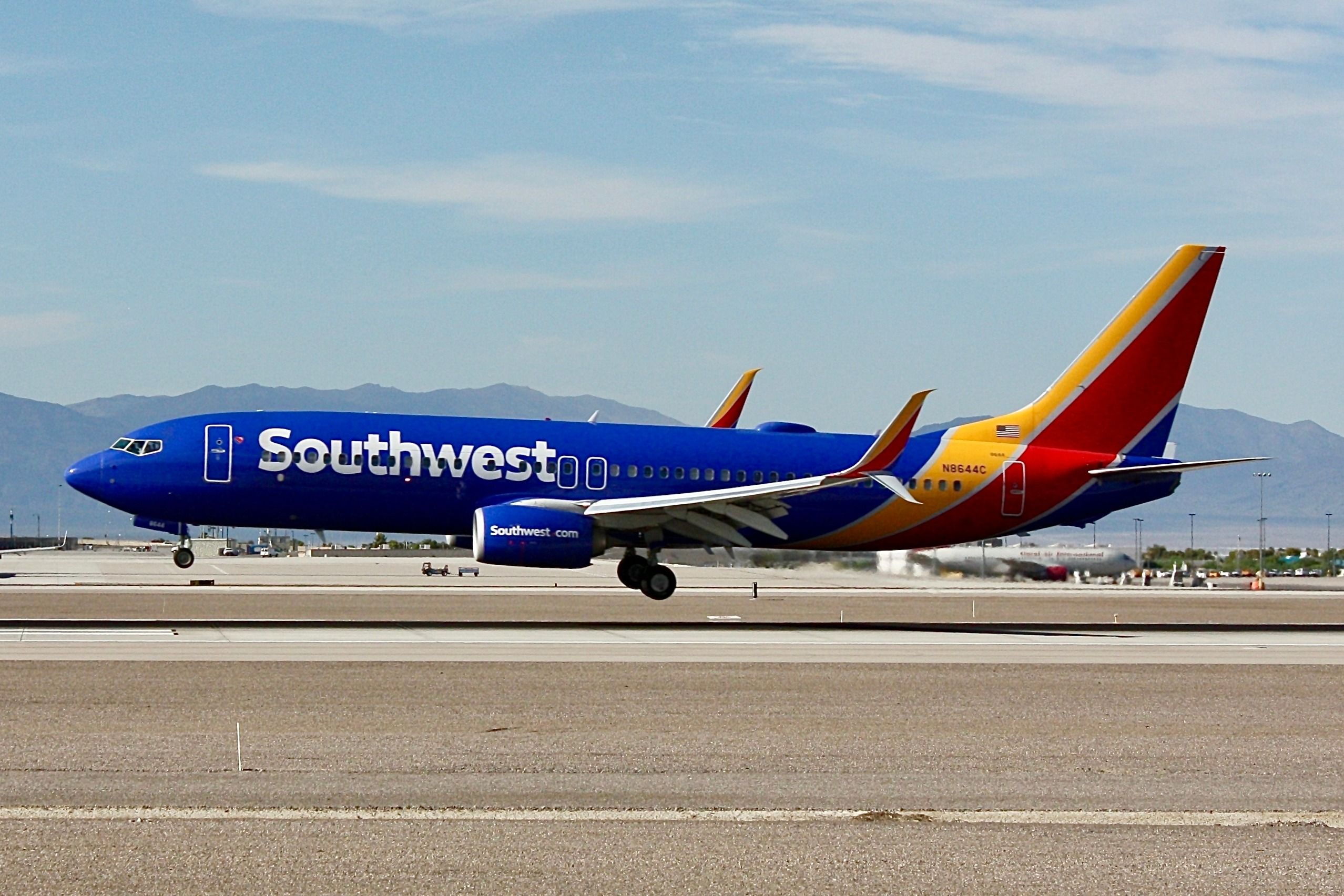
The Boeing 737 fleet represents the most widely utilized narrow-body aircraft family in commercial aviation history. Comprising multiple generations of twin-engine, short-to-medium-range jets, the fleet encompasses variants ranging from the original 737-100 series to the current 737 MAX family, serving as the backbone for global domestic and regional airline operations.
Historical Context and Generational Evolution
The Boeing 737 program, launched in the mid-1960s, was designed to provide a smaller, more efficient alternative to the larger 707 and 727 models. Over the past six decades, the fleet has undergone significant technological transformations, categorized into four distinct generations: the Original (series 100/200), the Classic (series 300/400/500), the Next Generation (NG, series 600/700/800/900), and the 737 MAX.
The transition between these generations reflects broader shifts in aerospace engineering. The Original series introduced the narrow-body concept to shorter runways, while the Classic series introduced the high-bypass turbofan engines, significantly improving fuel efficiency and noise reduction. The Next Generation (NG) fleet brought advanced digital avionics, a redesigned wing for increased lift and range, and improved engine performance through CFM56-7 series turbofans. The 737 MAX, the most recent iteration, integrates advanced LEAP-1B engines and aerodynamic improvements such as Advanced Technology Winglets to optimize fuel consumption and range.
Defining Fleet Composition and Operational Suitability
An airline’s "737 fleet" refers to the specific collection of these aircraft variants operated by a carrier. Because the 737 family shares a high degree of commonality in cockpit layout and flight handling characteristics, airlines often standardize their fleets around specific generations to minimize training costs and maintenance complexity.
The operational suitability of the 737 is dictated by its range and payload capacity. The 737-800, for instance, remains the most common variant in the current active fleet due to its balance of passenger capacity (typically 160–189 seats) and operational range. Airlines analyze their route structures—distinguishing between thin, long-haul regional routes and high-density, short-haul domestic sectors—to determine the optimal mix of 737 models.
Key Technical Distinctions
When analyzing the capabilities of a 737 fleet, operators and industry analysts look at several core technical metrics. These metrics determine how the aircraft performs under varying atmospheric conditions, runway lengths, and load requirements.
| Metric | 737 Classic (e.g., -300) | 737 Next Generation (-800) | 737 MAX 8 |
|---|---|---|---|
| Engine Type | CFM56-3 | CFM56-7B | CFM LEAP-1B |
| Max Range | ~2,500 nm | ~2,930 nm | ~3,550 nm |
| Cockpit Tech | Analog/Hybrid | Glass Cockpit (CRT/LCD) | Large-format LCD |
| Wing Design | Standard | Advanced Airfoil | Advanced Tech Winglets |
The engine choice is perhaps the most critical factor in modern fleet management. As fuel costs fluctuate, the disparity between the specific fuel consumption (SFC) of the older CFM56-3 engines and the modern LEAP-1B engines drives fleet renewal cycles. Operators managing an aging 737 fleet face increasing maintenance intervals and parts scarcity, pushing them toward retirement or conversion to freighter configurations.
Maintenance and Asset Lifecycle Management
The lifecycle of a 737 fleet is governed by stringent maintenance programs established by the manufacturer and overseen by aviation regulators, such as the Federal Aviation Administration (FAA) or the European Union Aviation Safety Agency (EASA). Maintenance is broken down into tiered "checks"—A, B, C, and D—where the intensity and duration of the inspection increase as the airframe accumulates flight hours or cycles (take-offs and landings).
For an aging 737, mid-life maintenance becomes a critical financial consideration. Operators must weigh the cost of "heavy maintenance" (D-check) against the residual value of the asset. In 2026, many older 737-800s are being diverted from passenger service to the Boeing Converted Freighter (BCF) program. This secondary market for the 737 fleet provides a unique opportunity to extend the useful life of airframes that no longer meet the efficiency or cabin comfort standards required by premium passenger carriers.
Regulatory Compliance and Airworthiness
Operating a 737 fleet requires constant adherence to Airworthiness Directives (ADs). These are legally enforceable regulations issued by civil aviation authorities to correct an unsafe condition that exists in a product when the condition is likely to exist or develop in other products of the same type design.
Fleet managers must track every modification, inspection, and repair in the aircraft’s technical logbook. In the case of the 737 MAX, for example, the fleet is subject to specific software and hardware requirements mandated following the global grounding event of 2019-2020. Compliance is not optional; failure to track and execute these directives results in the immediate grounding of the aircraft, leading to significant financial losses and reputational damage for the airline.
Future Outlook and Fleet Modernization
Looking toward the remainder of the decade, the 737 fleet is characterized by a gradual shift toward the MAX series. Modernization is driven by the need for lower carbon emissions, better noise profiles, and reduced operating costs. Airlines are increasingly evaluating their fleets against sustainability targets, where the fuel efficiency of the MAX provides a significant competitive advantage over older NG models.
However, supply chain constraints and production rates in 2026 continue to influence how quickly airlines can refresh their fleets. Consequently, the "737 fleet" of the average major carrier remains a hybrid, utilizing older, reliable NG airframes for short-hop secondary markets and newer MAX variants for primary hubs and longer, thinner routes.
Frequently Asked Questions
What are the primary differences between the 737 NG and the 737 MAX?
The 737 MAX differs from the NG primarily in its propulsion and aerodynamics. The MAX uses the CFM LEAP-1B engine, which features a larger fan diameter for higher bypass ratios and better fuel efficiency. It also incorporates Advanced Technology Winglets to reduce drag and features a larger, more integrated cockpit display suite.
How does an airline decide when to retire a 737 airframe?
Retirement is usually a financial decision based on the cost of the next major maintenance check, the price of fuel, and the cost of capital for a new aircraft. If the cost of required maintenance and the daily fuel burn exceed the projected revenue minus operational costs, the airline will either sell the airframe, part it out for spares, or convert it to a freighter.
Are all 737 models cockpit-compatible?
The 737 family is designed for high commonality, but this does not mean they are identical. While pilots transitioning within the 737 NG family or within the MAX family can often do so with "differences training," transitioning from an NG to a MAX requires specific type-rating training updates due to changes in systems, flight controls, and cockpit interface.
What is the purpose of the 737 freighter conversion program?
The freighter conversion program takes passenger-configured 737s (often the -800 series) and modifies them for cargo transport. This involves removing the passenger interior, installing a main-deck cargo door, and reinforcing the floor to handle heavy freight. It allows airlines to extract further economic value from aging passenger airframes.
How do I verify the maintenance status of a 737?
Publicly, you can verify an aircraft’s status through national aviation authority databases (e.g., the FAA’s N-Number Inquiry system). However, detailed technical maintenance records are proprietary to the operator and the maintenance, repair, and overhaul (MRO) provider, and are not accessible to the general public for security and privacy reasons.
Recommendations for Fleet Assessment
If you are evaluating the suitability or health of a 737 fleet, prioritize a review of the "Airframe/Engine Ratio." A fleet with a high concentration of high-cycle NG models may face significant maintenance capital expenditures (CAPEX) in the near term. Conversely, assess the "Modification Status" of any MAX fleet to ensure all safety-related service bulletins are fully current. For investors or stakeholders, the most reliable metric for performance is the "Dispatch Reliability" rate, which measures the frequency of technical delays; a well-managed 737 fleet should consistently maintain a dispatch reliability rate above 99%.