The 72 Hard challenge is a rigorous mental and physical conditioning program designed to foster discipline, resilience, and body composition changes over a 12-week (3-month) period. Unlike short-term fitness trends, this protocol emphasizes daily consistency across exercise, nutrition, and personal development tasks, requiring strict adherence to five core rules to achieve a complete lifestyle recalibration.
Understanding the Philosophy of 72 Hard
The 72 Hard challenge operates on the premise that true transformation occurs when an individual consistently aligns their daily actions with their long-term goals. While many fitness programs focus exclusively on aesthetic outcomes, this 3-month guide integrates cognitive stressors with physical demands. By mandating daily tasks that require willpower—such as reading educational material or maintaining a clean diet—the program aims to move participants away from "motivation-based" action toward "discipline-based" execution.
The challenge is not categorized as a medical intervention or a weight-loss diet in the clinical sense. Instead, it is a behavioral framework. The 12-week duration is intentionally chosen to bridge the gap between initial habit formation and the establishment of a semi-permanent identity change, allowing the brain to adapt to increased activity levels and reduced dietary friction.
The Five Core Pillars of the Challenge
To successfully complete the 72 Hard challenge, participants must execute five specific tasks every single day for the duration of the 90 days. If any task is missed, the program rules state that the participant must restart at Day 1.
- Follow a Structured Diet: You must choose a nutritional plan that supports your physical goals. No alcohol or "cheat meals" are permitted. The plan must be followed exactly as written, regardless of social events or convenience.
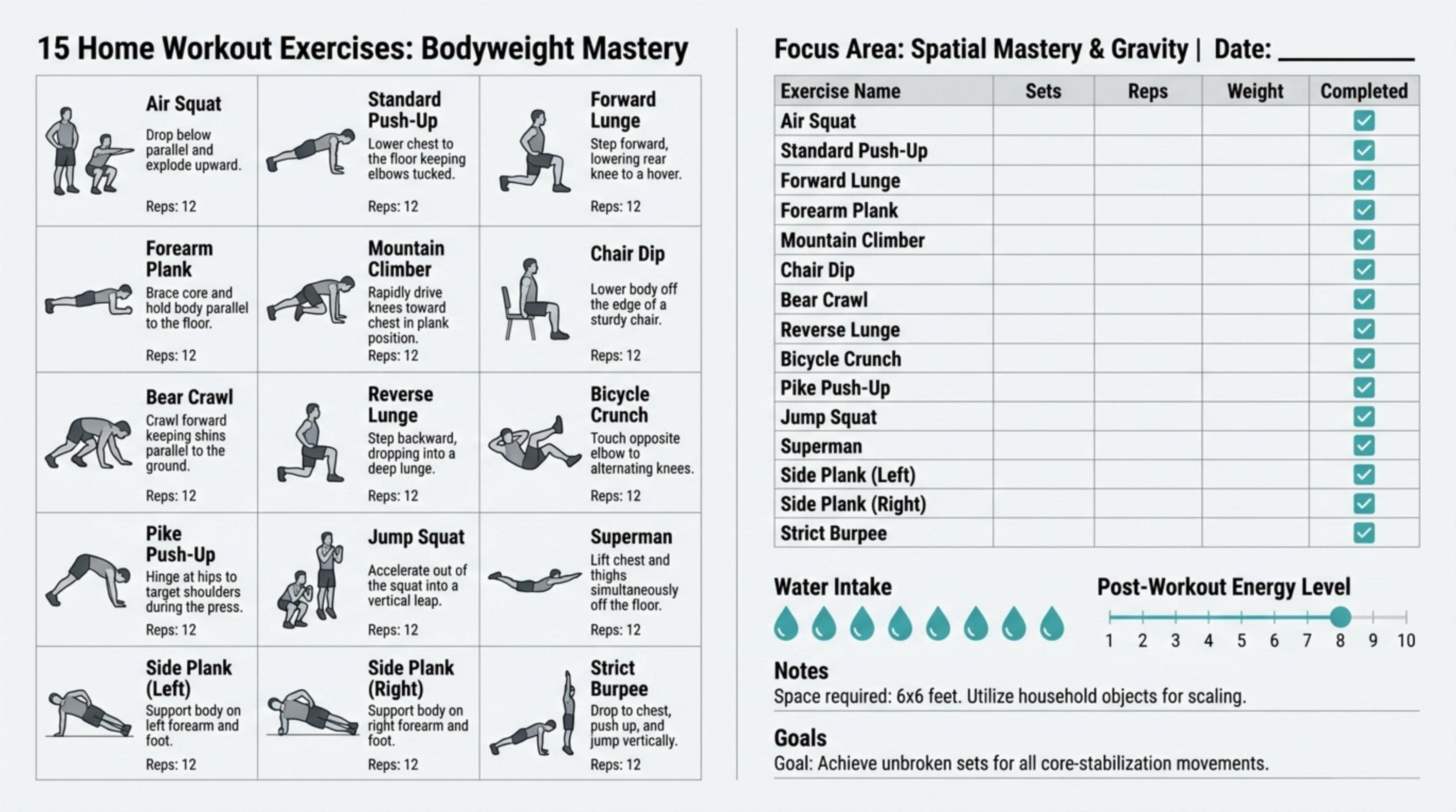
- Dual Daily Workouts: You must complete two separate 45-minute workouts per day. At least one of these sessions must take place outdoors, regardless of the weather conditions. These sessions must be separated by at least three hours to ensure a break between the physiological stresses.
- Hydration Targets: You must drink one gallon of water daily. This helps manage metabolic function and ensures adequate hydration for the increased volume of physical activity.
- Personal Development: You must read 10 pages of a non-fiction book focusing on business, self-improvement, or professional development. Audiobooks do not count toward this requirement.
- Progress Documentation: You must take a physical progress photo every single day. This is a critical psychological component, as it provides objective feedback on the physical changes occurring over the 3-month period.
Comparison of Program Components
Understanding the necessity of each component helps in planning your daily schedule to ensure compliance.
| Pillar | Objective | Minimum Requirement |
|---|---|---|
| Nutrition | Internal Optimization | Follow selected diet; zero "cheats" |
| Exercise | Physical Adaptation | 2 x 45-minute sessions (1 outdoors) |
| Hydration | Metabolic Support | 1 Gallon of water daily |
| Education | Cognitive Growth | 10 pages non-fiction (physical book) |
| Tracking | Visual Accountability | Daily progress photograph |
Strategic Planning and Implementation
The primary reason for failure in a 12-week challenge is a lack of logistical preparation. Because the program requires two distinct workout sessions and specific daily habits, those with demanding work schedules must integrate these tasks into their workflow early in the day.
Managing Dual Workouts
The requirement for two 45-minute sessions can be physically taxing. It is recommended to designate one session as high-intensity (e.g., strength training or circuit training) and the other as low-intensity recovery (e.g., a brisk walk or light yoga). This "active recovery" approach prevents overtraining syndrome, which can lead to injury or total burnout before the 3-month mark is reached.
Nutritional Consistency
Select a nutritional plan that is sustainable for 90 days. Avoid extreme caloric deficits, as the added stress of two daily workouts will require adequate protein and micronutrient intake to prevent muscle breakdown and fatigue. Since the program prohibits "cheat meals," your dietary plan should include enough variety to avoid extreme cravings that could trigger a program violation.
Risks, Safety, and Professional Consultation
Before beginning a 12-week intensive program like 72 Hard, it is essential to consider the impact on your physical and mental health. This program involves a sudden increase in activity volume. If you have underlying health conditions, such as cardiovascular issues, metabolic disorders, or history of eating disorders, you should consult with a physician or a registered dietitian before starting.
The "no days off" nature of the challenge can be risky for individuals prone to overuse injuries. If you experience persistent joint pain, extreme exhaustion, or signs of illness, prioritize medical recovery over adherence to the daily rules. No health-related transformation is worth permanent physical injury.
Overcoming Common Hurdles
Most participants face significant resistance around the third and fourth weeks. This is the period when the initial excitement fades and the reality of the daily requirements sets in.
- The Weather Factor: The "outdoor workout" rule is specifically designed to remove excuses. When weather is inclement, the goal is to practice mental resilience. Ensure you have appropriate gear for all seasons to avoid safety hazards.
- The "Social" Pressure: Weddings, work dinners, and holidays present the biggest threats to your nutrition. Preparation involves reviewing menus ahead of time and being prepared to communicate your boundaries clearly to others.
- The Morning Load: If you leave your reading or second workout until the end of the day, you increase the likelihood of missing them. Completing the reading task in the morning or during a lunch break creates a buffer against evening fatigue.
Measuring Success Beyond the Mirror
While daily photos are a required metric, use the 3-month timeline to track other indicators of progress. Throughout the 72 days, monitor your recovery speed, your resting heart rate, your ability to focus during reading sessions, and your consistency in meal preparation. By the end of the 90 days, the objective success is not merely a change in body composition, but the development of a habit-based system that you can carry into the future.
How to Get Started Today
The most effective way to start the 72 Hard challenge is to set a "Day 1" date that allows for one week of preparation. During this preparation week, finalize your nutrition plan, acquire a physical book for the first two weeks of reading, and identify the specific locations or routes you will use for your outdoor workouts. Do not attempt to "start" without having your plan solidified; the program requires total adherence, and improvisation often leads to accidental rule violations. Once your parameters are set, document your starting metrics and commit to the process for the full 12 weeks.
Frequently Asked Questions
H3: Can I modify the workouts if I am injured?
The 72 Hard challenge is binary: you either complete the daily requirements as stated or you do not. If an injury prevents you from performing the required workouts, the program is generally not considered "completed" under the standard rules. In such cases, prioritize your recovery and aim to restart the program once you are physically cleared by a medical professional.
H3: Do energy drinks or supplements count toward my water intake?
No, the one-gallon requirement must be met with plain water. Supplements, tea, coffee, or energy drinks do not count toward this total. Proper hydration is a specific physiological goal within the program, and adhering strictly to water ensures you are not adding unnecessary additives or caloric intake to your daily baseline.
H3: What constitutes a "non-fiction" book for the requirement?
Any book that provides educational or professional value qualifies. Biographies, business strategy guides, and books on personal finance, psychology, or fitness science are common choices. Audiobooks and digital e-books are typically excluded because the requirement focuses on the active, manual act of reading to improve focus and cognitive engagement.
H3: What happens if I miss a daily task?
The core tenet of the program is zero-tolerance for missed tasks. If you miss a reading session, fail to drink the full gallon of water, or skip one of the two daily workouts, the program rules stipulate that you must reset your progress and return to Day 1. This "restart" mechanism is designed to remove the "bargaining" mindset that often sabotages long-term goals.
H3: Can I combine the two 45-minute workouts into one 90-minute session?
No, you must perform two separate 45-minute sessions with a mandatory three-hour gap between them. This structure is intended to force you to schedule your day effectively and to create two distinct moments of discipline. It also serves as a physiological reset, allowing your body to recover slightly between sessions to maintain higher intensity.