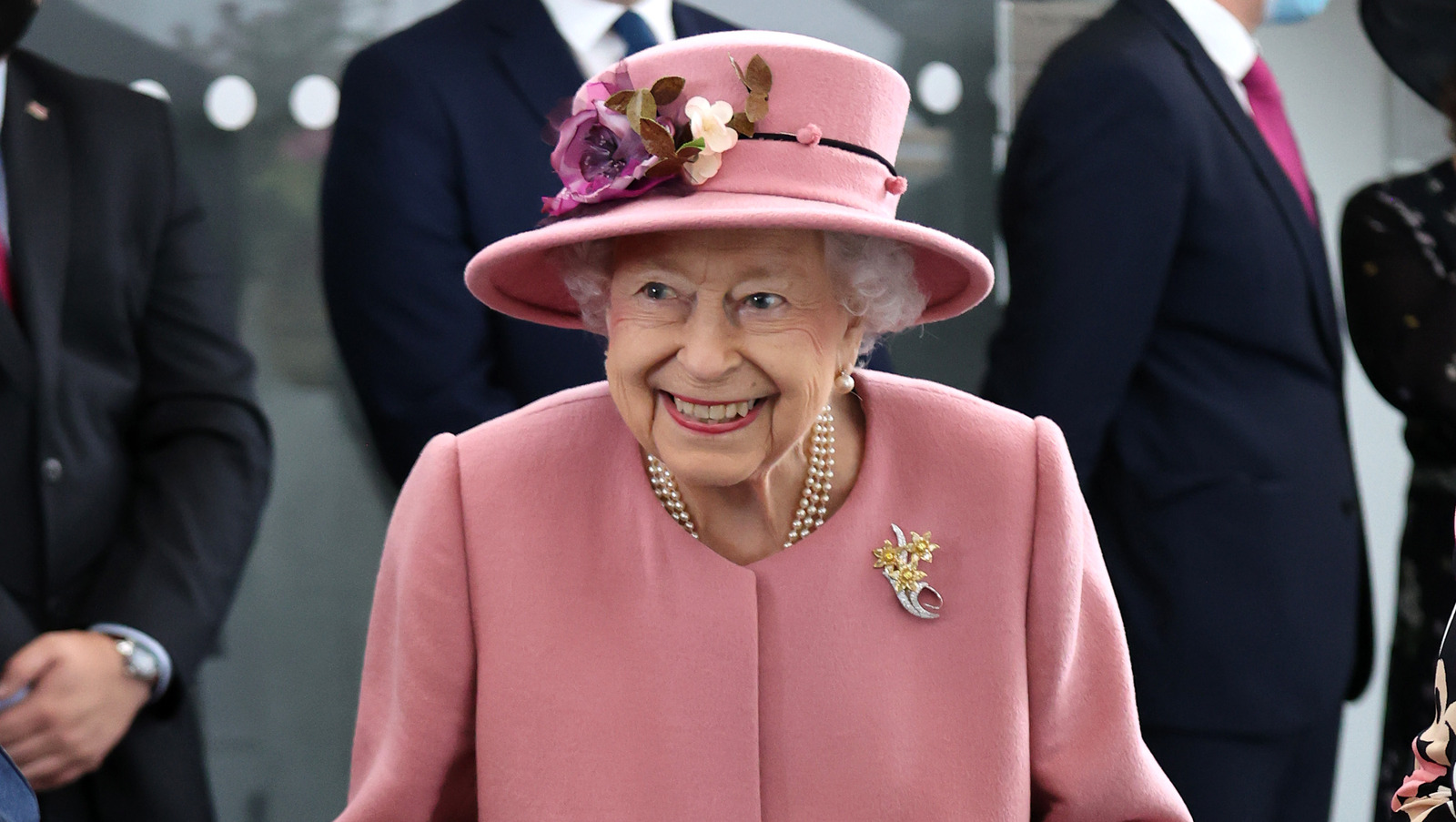
Queen Elizabeth II redefined the modern constitutional monarchy over her unprecedented 70-year reign through unwavering constitutional neutrality, diplomatic reconciliation, and public adaptability. From championing the Commonwealth and broadcasting her 1953 coronation to conducting historic reconciliation visits to Ireland, her defining regal actions bridged centuries-old royal tradition with an evolving global society.
The Evolution of Monarchy: Duty and Governance in the Elizabethan Era
When Elizabeth Alexandra Mary ascended the throne on February 6, 1952, following the death of her father, King George VI, the British Empire was undergoing rapid decolonization, and Europe was recovering from the devastation of World War II. Over the course of seven decades—the longest reign in British history—Queen Elizabeth II navigated deep societal transformations, transitioning the Crown from an imperial institution into a modernized, constitutional symbol of unity.
Her approach to sovereignty was anchored in a profound commitment to public service, political impartiality, and institutional flexibility. Rather than resisting change, she selectively adopted modern communication tools and shifted royal protocols to maintain the relevance of the throne. Understanding the defining acts of her reign provides vital insight into how a ancient institution survived into the 21st century.
7 Defining Regal Actions of Queen Elizabeth II
1. Dedicating Her Life to Public Service in Her 1947 Broadcast
Long before her accession, Princess Elizabeth established the moral foundation of her future reign. On her 21st birthday, April 21, 1947, during a royal tour of South Africa with her parents, she delivered a radio address broadcast across the British Commonwealth.
In this historic speech, she made a solemn public vow:
"I declare before you all that my whole life whether it be long or short shall be devoted to your service and the service of our great imperial family to which we all belong."
This declaration was not merely ceremonial rhetoric; it became the operational standard of her reign. For 75 years following that broadcast, she maintained an exhaustive schedule of official engagements, head-of-state duties, and patronages. By framing royalty primarily as lifetime service rather than privilege, she altered public expectations of the monarch's role.
2. Televising the 1953 Coronation to Modernize Regal Access
Queen Elizabeth II’s coronation on June 2, 1953, at Westminster Abbey marked a decisive pivot into the modern media age. Despite firm opposition from Prime Minister Winston Churchill and senior palace advisors who feared that broadcasting the ceremony would diminish its sacred solemnity, the 27-year-old Queen insisted on allowing television cameras inside the Abbey.
- Traditional Monarchy
- Televised 1953 Coronation
- Public Accessibility & Global Reach
The decision proved revolutionary:
- Mass Audience: Over 20 million people in the United Kingdom alone watched the live broadcast, many crowding around newly purchased television sets, while an estimated 277 million watched worldwide.
- Democratization of Pageantry: For the first time in history, ordinary citizens shared the experience of a royal coronation alongside peers, foreign dignitaries, and royalty.
- Media Legacy: By inviting the public into the crown's most sacred ritual, the Queen established a precedent for leveraging visual media to sustain institutional relevance.
3. Championing and Building the Commonwealth of Nations
Perhaps the Queen’s most enduring geopolitical contribution was her hands-on stewardship of the Commonwealth of Nations. As the British Empire collapsed in the post-WWII era, Elizabeth II actively fostered a voluntary association of independent, equal sovereign states.
While politicians focused on imperial retreat, the Queen viewed the Commonwealth as a vital platform for international collaboration, racial equality, and cultural exchange. She traveled hundreds of thousands of miles visiting member states across Africa, Asia, the Caribbean, and the Pacific. Her decisive intervention during the 1979 Commonwealth Heads of Government Meeting in Lusaka played a critical role in facilitating the peaceful transition of Rhodesia to democratic Zimbabwe, showcasing her quiet capability in international diplomacy. From 8 founding nations in 1949, the Commonwealth expanded to 56 member states under her reign.
4. Initiating the Royal "Walkabout" in 1970
For centuries, royal tours were distant, highly formal affairs where the public viewed monarchs from afar behind military barricades. During her 1970 tour of Australia and New Zealand, Queen Elizabeth II broke centuries of rigid royal protocol by stepping off her traditional motorcade route to greet citizens on foot.
This innovation—the royal "walkabout"—transformed public relations for the monarchy:
- Direct Engagement: It allowed the Queen to shake hands, receive flowers, and speak directly with thousands of ordinary people.
- Humanizing the Crown: The practice lowered perceived social barriers without sacrificing regal dignity.
- Standard Operating Procedure: The walkabout became a mandatory component of official royal duties for all subsequent generations of the Royal Family.
5. Navigating Financial Reform and Tax Contributions After 1992
The year 1992, which the Queen famously labeled her annus horribilis (horrible year), brought unprecedented challenges, including the breakdown of three of her children’s marriages and a disastrous fire at Windsor Castle. Public outrage erupted when initial reports suggested taxpayers would fund the multimillion-pound restoration of the castle.
Recognizing the shift in public sentiment, the Queen took swift, pragmatically regal action:
- Voluntary Income Tax: She agreed to start paying personal income tax and capital gains tax on her private wealth beginning in 1993, breaking a historical exemption.
- Opening Buckingham Palace: She authorized opening the State Rooms of Buckingham Palace to paying tourists during summer months to directly fund Windsor Castle’s restoration without drawing additional public revenue.
- Civil List Reduction: She restructured royal finances, removing most extended family members from public funding via the Civil List.
This decisive financial reform preserved taxpayer goodwill and modernized the fiscal transparency of the British Crown.
6. Performing a State Visit of Reconciliation to Ireland in 2011
In May 2011, Queen Elizabeth II made a historic four-day state visit to the Republic of Ireland—the first visit by a ruling British monarch in 100 years, and the first since Ireland gained independence from Great Britain. Given the painful historical conflicts and Anglo-Irish tension, the trip carried immense political and security sensitivity.
Her actions during the visit were widely recognized as a masterclass in symbolic statecraft:
- Language of Respect: She opened her address at Dublin Castle in Gaeilge (Irish language), saying "A Uachtaráin, agus a chairde" ("President and friends"), surprising attendees and signaling deep mutual respect.
- Honoring Fallen Patriots: She laid a wreath at Dublin's Garden of Remembrance, which honors those who died fighting for Irish freedom against British rule, inclining her head in silent tribute.
- Condolence and Shared History: She expressed sincere sympathy for all victims of the troubled shared history, laying the groundwork for lasting diplomatic reconciliation between the two nations.
7. Preserving Strict Constitutional Neutrality Across 15 Prime Ministers
Throughout a 70-year reign spanning the Cold War, Britain's entry into and exit from the European Union, and major domestic political shifts, Queen Elizabeth II maintained immaculate political neutrality. She fulfilled her constitutional obligation—summarized by 19th-century constitutional theorist Walter Bagehot as "the right to be consulted, the right to encourage, and the right to warn"—without ever publicly expressing a partisan opinion.
She held confidential weekly audiences with 15 British Prime Ministers, beginning with Winston Churchill in 1952 and concluding with Liz Truss in September 2022.
Her political neutrality provided a stable institutional anchor through turbulent administrations, ensuring that the head of state remained a unifying symbol above partisan conflict.
Comparative Breakdown of Queen Elizabeth II’s Defining Moments
| Year | Regal Action | Primary Challenge / Context | Long-Term Legacy Impact |
|---|---|---|---|
| 1947 | 21st Birthday Dedication | Post-war imperial turmoil and political uncertainty | Established lifetime service as the core principle of modern monarchy. |
| 1953 | Televised Coronation | Institutional resistance to public media exposure | Modernized royal accessibility and pioneered public broadcast statecraft. |
| 1970 | Invention of the "Walkabout" | Formal distance separating royalty from citizens | Humanized the Crown and established direct public engagement standards. |
| 1979–1990s | Commonwealth Expansion | Post-colonial friction and geopolitical shifts | Built a voluntary 56-nation association focused on equality and diplomacy. |
| 1992–1993 | Financial & Tax Reforms | Public backlash over Windsor Castle repair costs | Modernized royal finances and institutional transparency. |
| 2011 | Irish State Visit | Decades of historical conflict and diplomatic tension | Healed century-old Anglo-Irish wounds through symbolic reconciliation. |
| 1952–2022 | 70 Years of Political Neutrality | Rapid socio-political shifts across 15 Prime Ministers | Preserved the constitutional integrity of the non-partisan head of state. |
Structural Adaptation: How Her Regal Style Saved the Modern Crown
The survival of the British monarchy into the 21st century was not guaranteed. While monarchies across Europe fell or were dissolved throughout the 20th century, the British Crown maintained remarkable stability. This endurance was largely the result of Queen Elizabeth II's dual strategy: preserving core traditions while adapting operational methods to match societal evolution.
By establishing high standards of personal duty, accepting media visibility, addressing financial criticisms, and using soft-power diplomacy, she ensured the Crown remained relevant to an increasingly secular, egalitarian society.
- THE ELIZABETHAN MONARCHY MODEL
- Unchanging Core
- Duty & Service
- Neutrality
- Constitutional Role
- Adaptive Execution
- Visual Media
- Fiscal Reform
- Direct Accessibility
- Unchanging Core
Frequently Asked Questions About Queen Elizabeth II’s Legacy
What was Queen Elizabeth II’s longest-lasting historical achievement?
Her most significant structural achievement was guiding the peaceful transition of the British Empire into the modern Commonwealth of Nations. She successfully transformed a colonial structure into a voluntary international association of 56 equal nations representing over 2.5 billion people.
How did Queen Elizabeth II change royal accessibility protocols?
She modernized public access primarily by televising major state events—starting with her 1953 coronation—and introducing informal public walkabouts in 1970. These initiatives broke down traditional physical and social barriers between royalty and the public.
Why was her 2011 visit to Ireland considered a diplomatic turning point?
It was the first visit by a British monarch to the Republic of Ireland since Irish independence. Her use of the Irish language, solemn tributes to Irish republican fallen at the Garden of Remembrance, and expressions of sympathy for historical suffering effectively reset Anglo-Irish relations.
How did the Queen maintain neutrality while advising 15 Prime Ministers?
The Queen adhered strictly to constitutional boundaries during her private weekly audiences. While she offered historic wisdom and perspective gained across decades, she kept those discussions completely confidential and never voiced political opinions in public.
Why did the Queen begin paying income tax in 1993?
Following public criticism over the costs of repairing Windsor Castle after the 1992 fire, the Queen voluntarily chose to pay personal income and capital gains taxes. She also restructured the Royal Family's finances to reduce reliance on public funding.
Lessons in Modern Sovereignty: The Legacy for Future Monarchs
Queen Elizabeth II’s reign established the definitive blueprint for modern constitutional leadership. By prioritizing duty over personal agenda, demonstrating financial flexibility during crises, and using diplomatic symbolism to heal historical wounds, she demonstrated that an ancient institution can remain vital within a modern democracy.
For current and future sovereigns—including King Charles III and Prince William—her legacy provides a clear operational framework:
- Maintain strict non-partisan neutrality to serve as a unifying head of state.
- Adapt financial and social protocols in response to legitimate public concerns.
- Deploy soft-power diplomacy to foster global cooperation and reconciliation.
By treating the Crown as a trust held for the public rather than a personal right, Queen Elizabeth II preserved the monarchy's place in modern history.