To conquer the realm in a Game of Thrones Season 1 strategy campaign, players must stabilize regional economies, secure vital supply routes, and forge early non-aggression pacts before King Robert Baratheon’s death triggers open conflict. Success requires balancing house-specific tactical strengths—such as Lannister gold, Tyrell agricultural yields, or Stark defensive bottlenecks—against immediate border threats.
Strategic Landscape of Westeros at the Season 1 Start
The Season 1 scenario begins during the fragile calm preceding the War of the Five Kings. King Robert Baratheon retains nominal control over the Iron Throne, but structural instability, massive crown debts, and secret factional alliances prepare the continent for total war. Whether playing tabletop adaptations such as A Game of Thrones: The Board Game, grand strategy modifications, or digital strategy titles, this timeframe presents a unique operational landscape. Regional borders remain open, standing armies are largely garrisoned within domestic strongholds, and political influence can still be leveraged to gain tactical advantages.
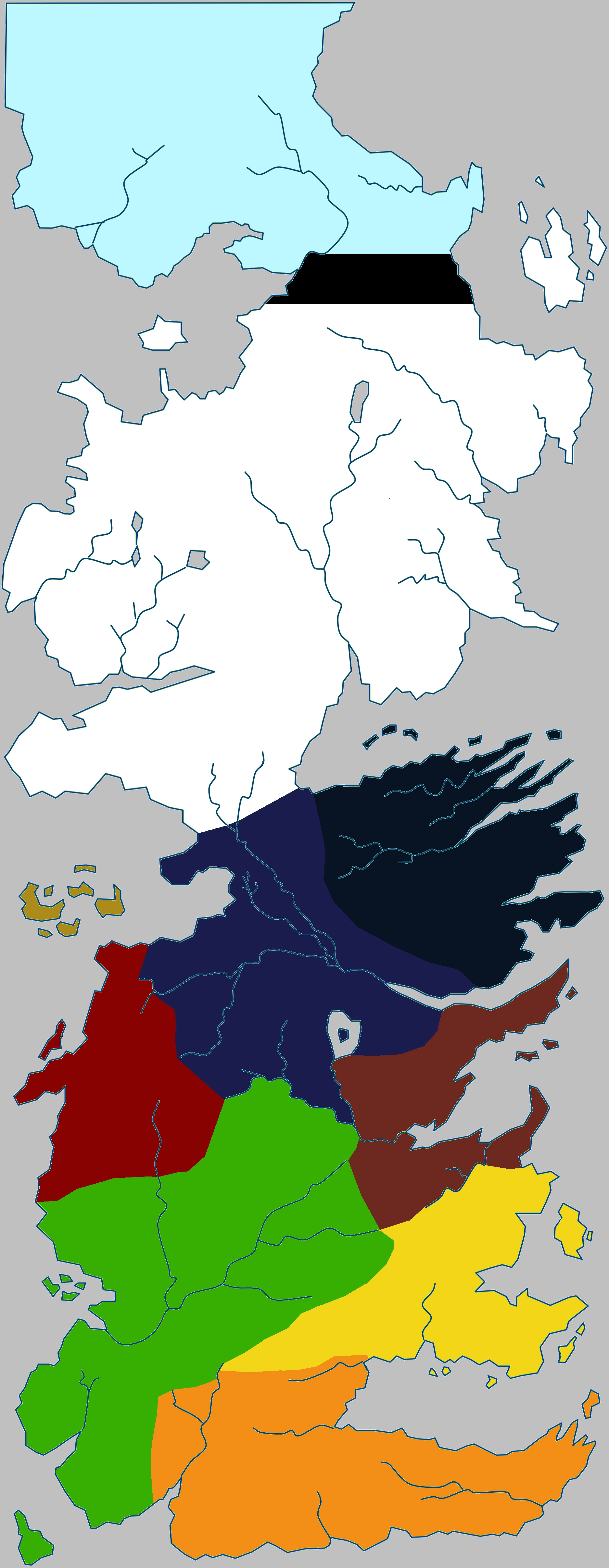
Navigating this opening phase requires a thorough understanding of the geopolitical map of Westeros. The realm is divided among the Great Houses, each controlling distinct geographic biomes, resource bases, and military structures. The central riverlands and crownlands act as a contested middle ground, while outer realms like Dorne, the Vale, and the North possess formidable natural defense barriers.
- THE NORTH (House Stark)
- MOAT CAILIN
- THE RIVERLANDS (Tully / Contested)
- THE WESTERLANDS (House Lannister)
- THE VALE (House Arryn)
- THE CROWNLANDS (King's Landing / Throne)
- THE REACH (House Tyrell)
- DORNE (House Martell)
- THE STORMLANDS (House Baratheon)
- DORNE (House Martell)
- THE REACH (House Tyrell)
- THE RIVERLANDS (Tully / Contested)
- MOAT CAILIN
The catalyst for active hostilities in Season 1 is the inevitability of political collapse in King's Landing. Once the Crown's authority breaks, victory hinges on rapid mobilization. Players who spend the initial peaceful turns building infrastructure, upgrading troop formations, and positioning strike forces along critical chokepoints gain a decisive advantage over opponents who act purely on impulse.
Faction Analysis and Starting Positions
Every major house competing for the Seven Kingdoms possesses distinct structural advantages and tactical vulnerabilities. Choosing the right house dictates your macroeconomic focus, unit composition, and diplomatic strategy throughout the campaign.
| Faction / House | Starting Region | Primary Advantage | Key Vulnerability | Core Strategic Priority |
|---|---|---|---|---|
| House Stark | Winterfell / North | Natural Defenses | Extended Supply | Secure Moat Cailin; raid Riverlands |
| House Lannister | Casterly Rock | High Gold Income | Vulnerable Flanks | Blitz Riverrun; hold King's Landing |
| House Baratheon | Dragonstone | Superior Navy | Divided Forces | Take King's Landing; unify Stormlands |
| House Tyrell | Highgarden | Food Supply/Manpower | Low Initial Fleet | Dominate the Reach; march North/East |
| House Greyjoy | Pyke / Iron Isles | Naval Mobility | Weak Economy | Coastal raids; capture Seaguard/Flint |
| House Martell | Sunspear | Protected South | Slow Mobilization | Defensive expansion; late-game push |
| House Arryn | Eyrie / The Vale | Impregnable Forts | Isolated Economy | Opportunistic strikes into Riverlands |
House Stark: The Sentinel of the North
House Stark commands the largest geographical landmass in the Seven Kingdoms, anchored by Winterfell and defended by the natural bottleneck of Moat Cailin. Stark infantry forces benefit from terrain bonuses in cold climates and defensive battles, making an outright invasion of the North economically ruinous for rivals. However, the North’s vast distances lead to high supply costs and slow march rates.
- Immediate Goal: March south to fortify Moat Cailin and White Harbor while forming an early defensive alliance with House Tully or House Arryn.
- Main Risk: Over-committing forces into the Riverlands, leaving coastal keeps vulnerable to amphibious assaults from House Greyjoy.
House Lannister: The Wealth of Casterly Rock
Positioned in the mineral-rich Westerlands, House Lannister starts with the strongest economic base in the game. High gold generation allows for rapid mercenary recruitment and heavy cavalry upgrades. However, Casterly Rock sits directly adjacent to aggressive neighbors: House Greyjoy to the sea, House Stark to the north, and House Tyrell to the south.
- Immediate Goal: Consolidate control over Lannisport and the Golden Tooth, using heavy gold reserves to purchase political influence on the Iron Throne tracks.
- Main Risk: Getting trapped in a two-front war against both Greyjoy iron fleets and Tyrell land armies.
House Baratheon: The Royal Contender
House Baratheon begins the Season 1 scenario in a split position between Dragonstone and the Stormlands. Possessing a formidable starter fleet, Baratheon can project naval power across the Narrow Sea, threatening Blackwater Bay, King's Landing, and the eastern seaboard.
- Immediate Goal: Execute an early amphibious assault on King's Landing to secure the Iron Throne before House Lannister or House Tyrell can reinforce the capital.
- Main Risk: Tactical division. If Stannis at Dragonstone and Renly at Storm's End fail to coordinate, nearby factions can defeat their isolated forces piece by piece.
House Tyrell: The Breadbasket of Highgarden
House Tyrell commands the agricultural powerhouse of the Reach. With the highest food production capacity on the map, Tyrell can support larger total army sizes and sustain prolonged field campaigns without triggering supply-starvation penalties.
- Immediate Goal: Secure the fertile lands around Highgarden, Oldtown, and the Arbor while expanding toward the Marches to deter Martell incursions.
- Main Risk: Sub-par starting naval units leave the Western Sea exposed to Greyjoy reavers.
House Greyjoy: The Iron Fleet
Operating from the craggy Iron Islands, House Greyjoy suffers from poor land-based resource node generation but possesses unrivaled sea mobility. Their specialized longships move at double the standard speed through ocean tiles, enabling sudden coastal raids against poorly defended castles.
- Immediate Goal: Dominate the Ironman’s Bay, capture Riverlands coastal settlements like Seaguard, and neutralize the Lannister fleet before it reaches open water.
- Main Risk: A weak long-term economy. If Greyjoy fails to capture high-value mainland territories early, their army will starve during extended wars of attrition.
Core Economic and Resource Management Tactics
Victory in a Season 1 strategy campaign is built on supply management and economic planning. Armies cannot fight without gold for wages, grain for upkeep, and iron for equipment upgrades.
Balancing Taxation and Supply Cap
Every territory under your control yields specific resource types:
- Crowns/Gold: Generated primarily by urban centers (King's Landing, Lannisport, Oldtown). Used to recruit elite units, bribe political tracks, and fund espionage.
- Barrel/Supply Icons: Provided by agricultural hubs (Highgarden, The Reach, Riverrun). Dictates the maximum number of field armies and total army size your faction can field simultaneously without suffering attrition.
- Castles/Mustering Points: Dictates unit production capacity during mobilization phases.
A common pitfall for new commanders is building large armies without the food supply to sustain them. If your supply capacity drops due to losing a key agricultural territory, you must instantly disband surplus troops, burning valuable resources. Always maintain a buffer of at least one supply unit above your current army maintenance cost.
Trade Route Security
Coastal trade routes produce continuous passive income but are highly vulnerable to naval blockades. Establishing sea lane control around key straits—such as the Whispering Sound near Oldtown or the Bay of Ice—ensures trade ships reach home ports safely. If an enemy fleet blockades your port, your city’s tax yield drops significantly, triggering economic stagnation.
Military Expansion and Tactical Deployment
When peaceful options collapse, military force determines which house survives. Mastering battle mechanics, terrain bonuses, and force composition is critical to winning field engagements against equal or superior numbers.
Combined Arms Tactics
A balanced field army should never consist of a single unit type. Unit roles perform interlocking tactical duties:
Heavy Infantry (Foot Knights): Form the battle line, absorbing front-line damage and holding tactical chokepoints.
Cavalry (Knights): Provide flank movement, charge bonuses on open plains, and high pursuit capability to wipe out retreating enemy regiments.
Archers/Ranged Units: Provide support damage behind infantry lines, softening up incoming enemy charges before melee contact.
Siege Engines (Trebuchen/Catapults): Mandatory for capturing tier-3 castles and fortified cities like King's Landing, Winterfell, or the Eyrie. They carry severe movement penalties and require dedicated infantry escorts.
REAR GUARD: Siege Engines / Reserve Supply
SUPPORT LINE: Archers / Ranged Regiments
MAIN BATTLE: Heavy Infantry Line
- LEFT FLANK / RIGHT FLANK: Light & Heavy Cavalry Charges
Defending Chokepoints
Westeros features several natural geographical bottlenecks that allow small, well-entrenched armies to hold off much larger forces.
- Moat Cailin: Guards the overland route into the North. A modest garrison of archers and heavy infantry stationed here can repulse massive southern armies.
- The Bloody Gate: Protects the Vale of Arryn from western invasion. High high-ground defense multipliers make direct assault suicidal.
- The Red Fork/River Passages: The Riverlands are split by deep rivers. Holding key bridge crossings forces attacking commanders to take heavy amphibious crossing penalties during combat rolls.
Diplomatic Maneuvering, Espionage, and Throne Influence
Brute force alone cannot capture the Iron Throne. Diplomatic strategy and covert operations are essential to outmaneuvering aggressive rivals.
Leveraging the Influence Tracks
In most Season 1 campaign systems, political power is mediated through three core influence tracks:
| Influence Track | Key Benefit | Strategic Application |
|---|---|---|
| Iron Throne Track | Decides Tie-Breakers & Turn Order Priority | Forces opponents to act first, allowing ideal counter-deployments |
| Valyrian Steel Sword Track | Grants +1 Combat Strength Card Per Round | Converts close battle outcomes into decisive tactical victories |
| Raven Track | Allows Mid-Turn Order Swaps & Scout Reports | Reacts to enemy troop movements before commitment |
During bidding phases, allocate gold reserves based on your immediate tactical needs. If planning an aggressive push, prioritize the Valyrian Steel Sword. If defending large borders, win the Messenger Raven to adjust your defensive orders after seeing enemy marches.
Brokering Short-Term Alliances
Because no house begins Season 1 strong enough to fight all rivals at once, non-aggression pacts are vital.
- The Stark-Tully Axis: Protects the North’s southern border while providing House Tully with the military backing needed to repel Lannister aggression.
- The Reach-Dorne Neutrality Pact: Secures Highgarden’s southern flank, allowing Tyrell forces to push north into the Crownlands without fear of Martell raids.
Remember that alliances in Westeros are inherently temporary. Always keep a mobile reserve force near your borders to deter an ally from launching a sudden backstab when your main army marches elsewhere.
Common Operational Mistakes and How to Avoid Them
Even experienced grand strategists often succumb to classic tactical traps during Season 1 scenarios:
- The King's Landing Rush: Rushing capital garrisons with insufficient siege engines leads to massive troop casualties. King's Landing features high defensive wall multipliers; besiege and starve the city before launching a final assault.
- Ignoring Coastal Flanks: Leaving coastal ports unguarded while pushing inland invites naval factions (especially House Greyjoy) to drop marine units behind your front lines, capturing production hubs.
- Over-expanding Early: Capturing more territories than your supply limit can support forces troop disbands, leaving newly conquered castles empty and vulnerable to counter-attacks.
- Neglecting the Wildling Threat: Failing to contribute resources to Northern defense events causes wildling raids that strip victory points and resource reserves from all houses equally.
Advanced Campaign Paths for Season 1
Depending on your chosen faction, adopt one of these specialized operational blueprints to guide your campaign toward victory.
- START OF SEASON 1
- PASSIVE EXPANSION
- Build Economy
- Fortify Passes
- Stockpile Grain
- AGGRESSIVE BLITZ
- Strike Capital Early
- Neutralize Neighbors
- Secure Iron Throne
- PASSIVE EXPANSION
- MID-GAME DOMINANCE
- VICTORY CONDITION MET
The Northern Turtle Strategy (House Stark / House Arryn)
Consolidate your regional homeland, upgrade fortresses, and max out internal tax routes. Avoid getting dragged into early land wars in the southern Crownlands. Allow Houses Lannister, Baratheon, and Tyrell to exhaust their armies and gold reserves fighting over the Iron Throne. Once their forces are decimated, launch a late-game southern campaign to sweep through weakened territories.
The Western Economic Blitzkrieg (House Lannister)
Leverage your heavy starting gold reserves to buy maximum turn priority on the Iron Throne track during turn one. Mobilize foot knights and cavalry instantly, striking Riverrun and Harrenhal before House Stark can reinforce them. Securing the central river passages early cuts the map in half, granting you complete control over high-yield central regions.
Campaign Execution FAQs
Which House is easiest for beginners in a Season 1 Game of Thrones campaign?
House Stark and House Tyrell are the most forgiving factions for new commanders. House Stark features an isolated geographical position defended by Moat Cailin, protecting players from early multi-front wars. House Tyrell enjoys high food supply and solid economic margins, allowing players to recover quickly from early tactical missteps.
How do you defend against House Greyjoy's coastal raids?
Defending against Greyjoy requires proactive naval positioning and shore garrisoning. Build light naval warships early to block critical ocean bottlenecks such as Ironman's Bay and the Whispering Sound. Keep modest garrisons of foot infantry in coastal castles like Seaguard and Lannisport, which forces Greyjoy players to bring costly siege units rather than conducting quick raids with light marines.
What is the optimal opening move for House Stark?
On turn one, move your primary force south from Winterfell to capture Moat Cailin and White Harbor. Use your secondary forces to march toward the Neck and build a fleet in White Harbor's port. This locks down your southern land border and secures your eastern sea routes against Baratheon or Greyjoy naval expansion.
How important is holding King's Landing versus controlling regional supply centers?
While King's Landing offers substantial victory points and strong political influence on the Iron Throne track, holding it without control over regional agricultural supply nodes (such as the Reach or Riverlands) is unsustainable. Capturing the capital too early often turns your army into a target for surrounding factions. Prioritize securing stable food and gold supply lines before launching a full-scale siege on the capital.
How does the onset of Winter affect troop movement and resource supply?
As the campaign progresses into late-game seasonal shifts, Winter events reduce total harvest yields across northern and central provinces. March speeds drop on snow-covered land tiles, and supply maintenance costs increase. Commanders must stockpile gold and consolidate army units into smaller, more efficient garrisons to avoid severe starve-off attrition during winter turns.
Recommended Next Actions for Your Campaign
To ensure victory in your next Game of Thrones Season 1 campaign, follow this operational checklist before making your first move:
- Assess Map Position: Identify your immediate geographical bottlenecks and locate the nearest high-yield agricultural tiles to secure early army supply.
- Establish Diplomatic Lines: Contact your immediate neighbors on turn one to establish explicit non-aggression boundaries, securing your rear flanks.
- Optimize Turn 1 Mobilization: Focus your early economic investment on building light infantry and naval transports rather than expensive siege engines, ensuring fast territorial control.
- Monitor Influence Tracks: Save a reserve of gold specifically for influence bidding phases to secure victory-defining combat bonuses or turn-order priority.