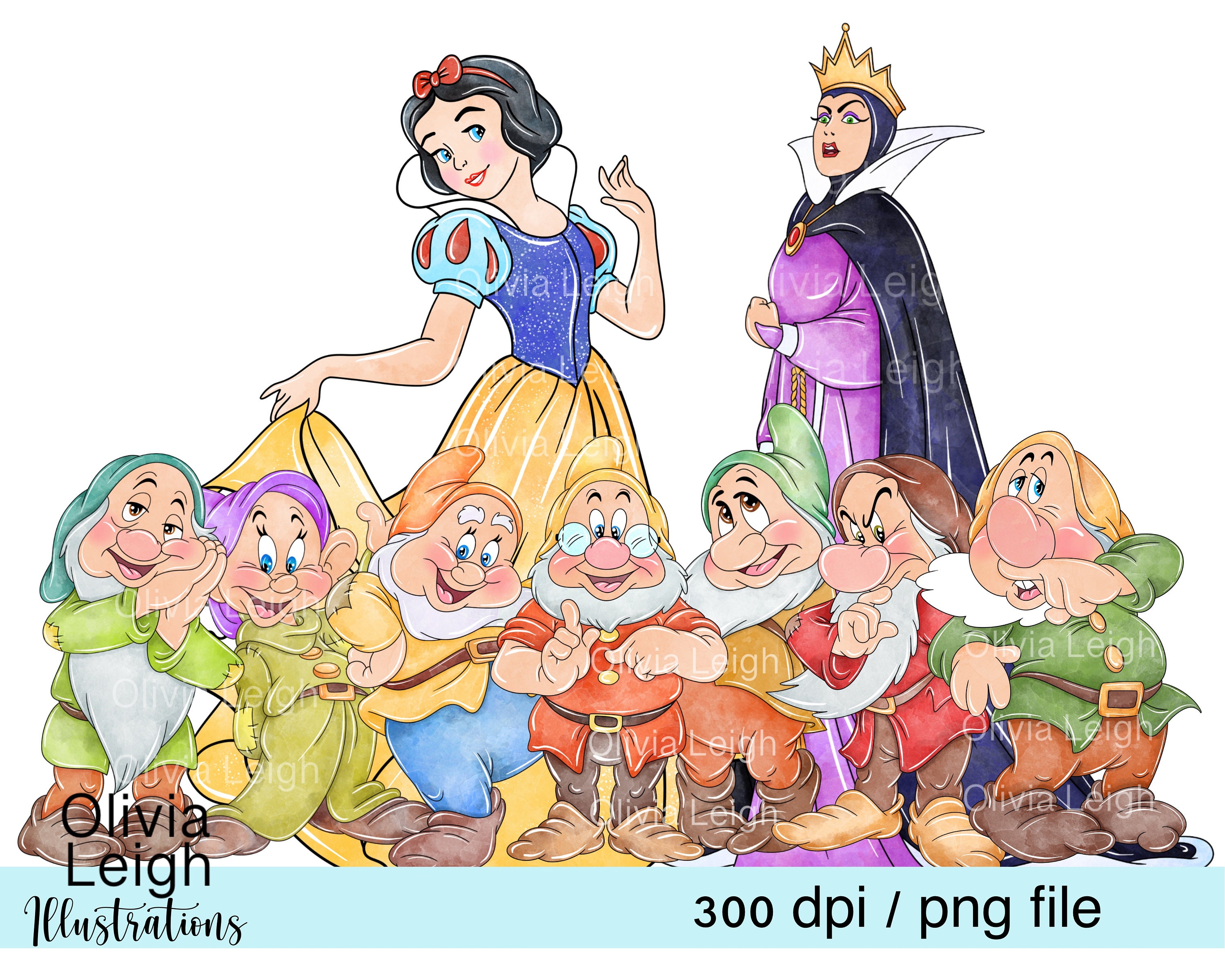
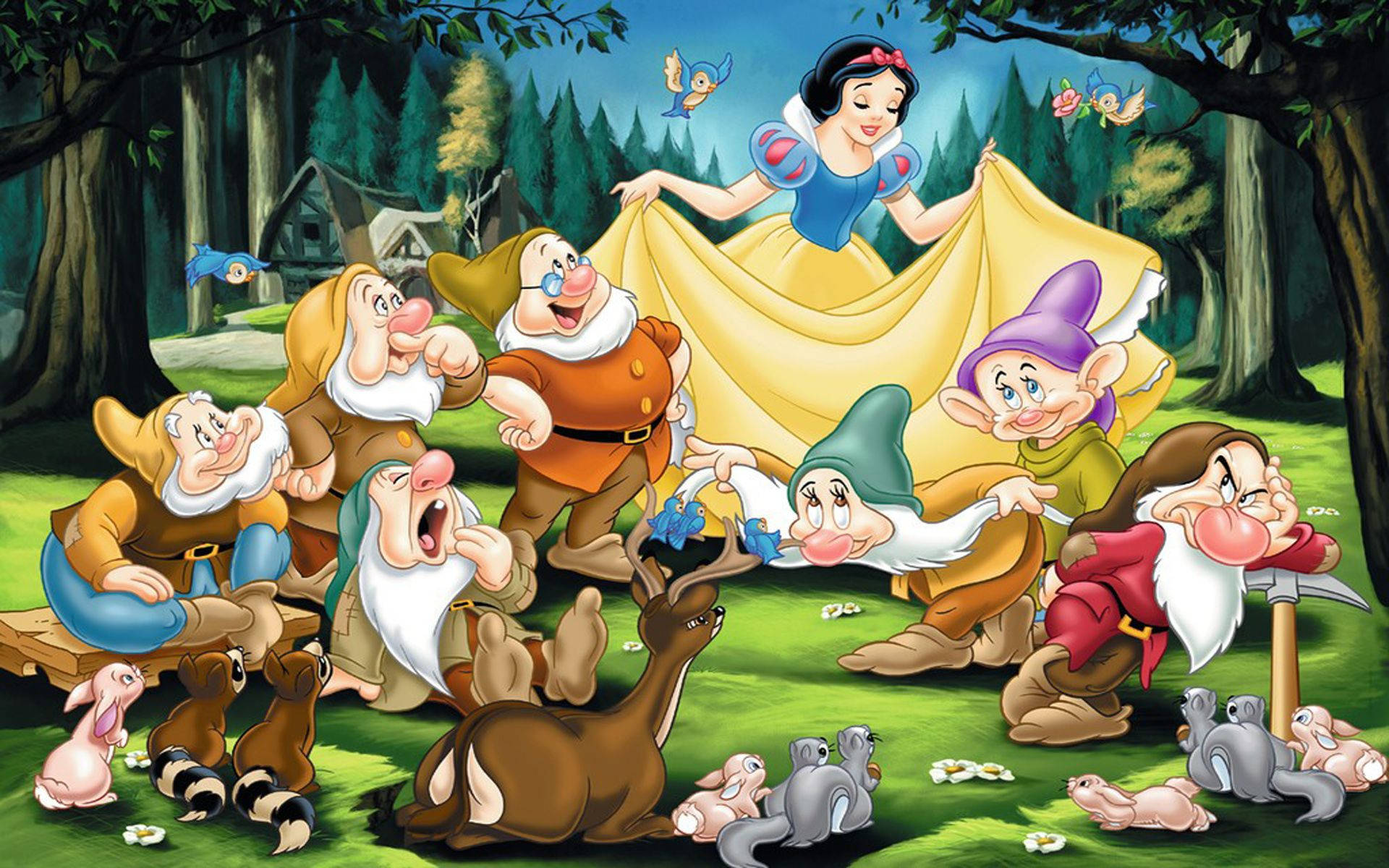
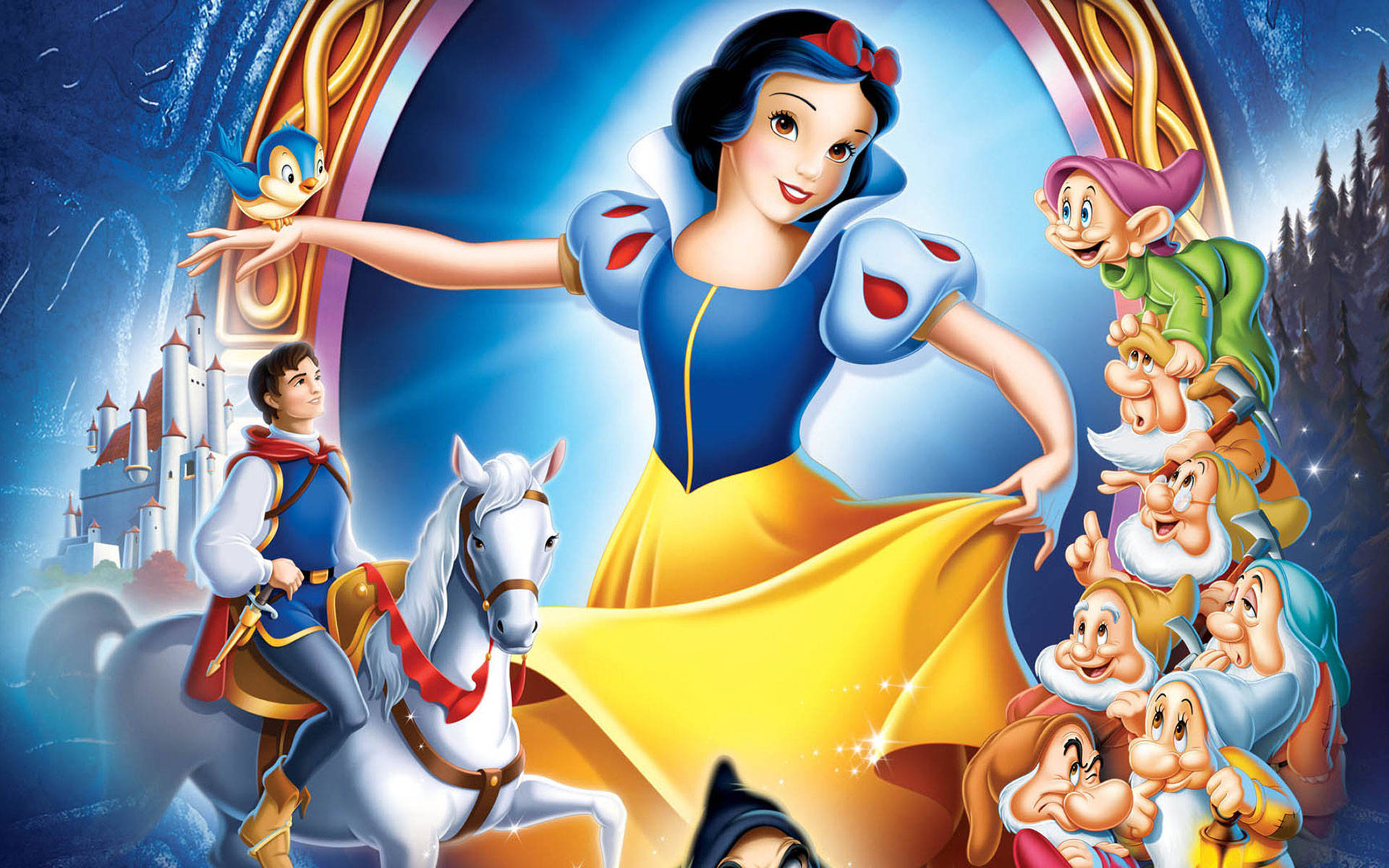
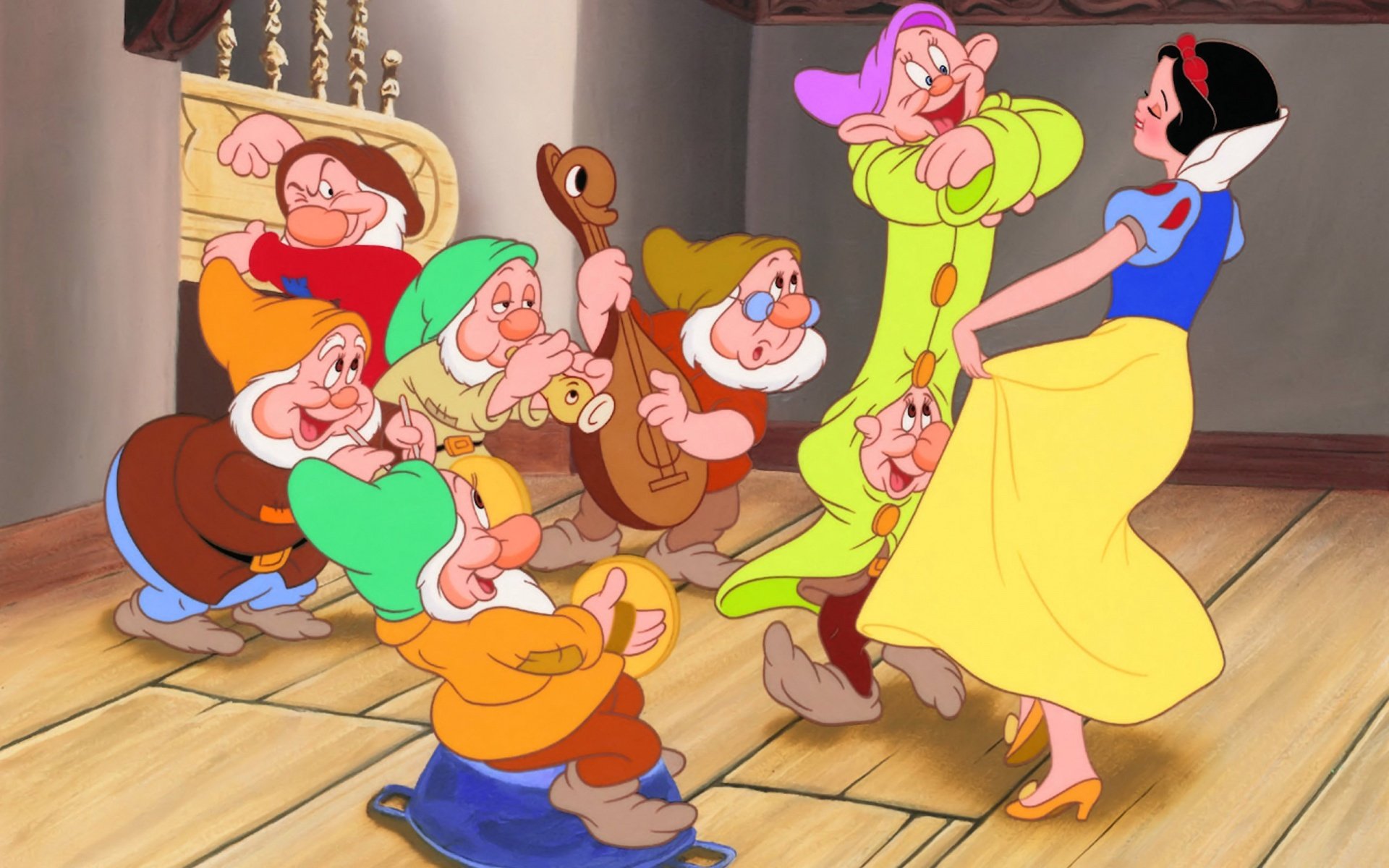
The seven dwarfs are pivotal archetypes in the 1937 animated masterpiece, Snow White and the Seven Dwarfs. Developed by Walt Disney Productions, these characters provide the narrative heart of the film, serving as protectors and companions to Snow White while offering distinct personality traits that differentiate them from one another, moving beyond the unnamed, collective representation found in the original Brothers Grimm fairy tale.
Origin and Narrative Purpose
In the source material by the Brothers Grimm, the seven dwarfs are largely anonymous, serving as a functional plot device rather than fully realized characters. When Walt Disney and his team of animators began production on the first full-length cel-animated feature, the challenge was to elevate these figures into memorable, individual personalities that could sustain audience interest for an extended runtime.
The screenwriters and animators worked through dozens of potential names and traits before settling on the final seven: Doc, Grumpy, Happy, Sleepy, Bashful, Sneezy, and Dopey. This selection process was critical to the film's success; by giving each dwarf a specific quirk, the filmmakers created a dynamic community. This community provides a domestic contrast to the sinister, isolated atmosphere of the Queen’s castle, grounding the fairy tale in relatable human emotions—albeit exaggerated for comedic and dramatic effect.
Character Profiles and Thematic Roles
Each dwarf is designed to represent a singular human trait, a technique that allows for instant character recognition. This psychological shorthand remains one of the most effective examples of character design in animation history.
- Doc: The self-appointed leader of the group. His propensity for mixing up his words (spoonerisms) and his nervous energy establish him as the intellectual, albeit slightly disorganized, head of the household.
- Grumpy: The contrarian of the group. While his initial skepticism toward Snow White’s presence creates conflict, his character arc is the most significant, as he evolves into one of her most loyal defenders.
- Happy: The embodiment of joy. His role is to maintain morale, often reacting with exuberant laughter to the antics of his brothers.
- Sleepy: His lethargy is a constant source of visual humor. He serves as a rhythmic foil to the more active members of the group.
- Bashful: Characterized by intense shyness, particularly in the presence of Snow White. His interactions provide moments of tenderness that soften the tone of the film.
- Sneezy: Defined by a recurring hay fever condition. His sneezes act as a frequent catalyst for physical comedy and narrative tension, particularly when the dwarfs try to maintain silence.
- Dopey: The only dwarf without a beard and the only one who does not speak. As the youngest, he represents innocence and slapstick humor, often serving as the primary vessel for the animators to showcase high-level character movement.
Comparison of Dwarf Traits and Behaviors
The following table categorizes the primary defining attributes of each character to clarify their roles within the group dynamic.
| Name | Defining Trait | Narrative Function | Primary Interaction |
|---|---|---|---|
| Doc | Intellectual/Leader | Decision-making | Provides structure |
| Grumpy | Skeptical/Cynical | Conflict source | Challenges the status quo |
| Happy | Optimistic/Cheerful | Emotional anchor | Uplifts the group |
| Sleepy | Lethargic/Fatigued | Physical comedy | Provides pacing contrast |
| Bashful | Timid/Sensitive | Heart/Empathy | Bridges intimacy |
| Sneezy | Allergic/Volatile | Disruption/Chaos | Forces reaction shots |
| Dopey | Innocent/Playful | Slapstick humor | Connects to the audience |
The Production Design and Animation Process
The distinctiveness of the seven dwarfs was achieved through rigorous character design guidelines established during the pre-production phase of the 1937 film. Each dwarf was crafted with a unique silhouette, allowing viewers to identify them instantly even without color or facial detail. This was achieved by varying height, posture, and clothing fit.
Technically, the animators utilized the "multiplane camera" to create a sense of depth in the dwarf’s cottage and the surrounding forest. The dwarfs themselves were drawn with a level of squash-and-stretch animation that allowed their personalities to manifest through movement. For instance, Grumpy’s rigid, angry strides contrast sharply with the fluid, clumsy movements of Dopey. This approach was revolutionary for the time and set the industry standard for character-driven animation in 2026 and beyond.
Why Do the Dwarfs Matter to the Narrative?
The 7 dwarfs represent the concept of "found family." In the context of the story, Snow White is a displaced royal fleeing a threat. The dwarfs provide not just physical security within their cottage, but emotional security. Their transition from suspicious miners to protective guardians is the central catalyst for Snow White's growth from a passive victim of the Queen to a character who finds agency through her influence on those around her.
Furthermore, the dwarfs serve as a grounding element. In a film filled with high-fantasy elements like magic mirrors, poisoned apples, and talking animals, the dwarfs act as the "everyman." They work in a diamond mine, they have chores, and they have squabbles. Their grounded, blue-collar existence makes the intrusion of the Queen’s dark magic feel more dangerous, as it threatens a domestic reality that the audience has grown to love.
Frequently Asked Questions
Why is Dopey the only dwarf without a beard?
Dopey is designed to be the "child" of the group. By removing the beard, the animators visually emphasized his youth, innocence, and vulnerability compared to his older, bearded brothers, further enhancing his role as the comedic and endearing character.
What is the origin of the names of the seven dwarfs?
The names were selected by the Walt Disney story team after considering dozens of possibilities, including names like Jumpy, Dizzy, and Burpy. The chosen seven were selected for their ability to convey a specific, easily understood personality trait in a single word.
How did the dwarfs influence future animation?
The success of the distinct, personality-driven dwarfs proved that audiences would connect deeply with supporting characters. This paved the way for the "ensemble cast" trope seen in almost all modern animated features, where secondary characters are given individual motivations rather than being background filler.
Are the dwarfs considered humans in the film?
Yes, the dwarfs are depicted as humans with a condition of dwarfism, rather than supernatural beings. Their lives are defined by labor (mining) and domestic needs (cooking, cleaning), which confirms their status as humans within the narrative framework of the movie.
Practical Guidance for Viewers and Researchers
For those examining the film for academic or creative purposes, it is recommended to observe the sequences in the "Dwarfs' Cottage" specifically to note the blocking. Pay attention to how the animators keep the dwarfs distinct even when all seven are on screen simultaneously. The use of overlapping dialogue and individual reactions to the same stimulus (such as the cleaning of the cottage) is a masterclass in ensemble character development. If you are researching historical animation techniques, the 1937 film remains the primary source for understanding early "personality animation" and should be viewed in its original aspect ratio to fully appreciate the composition of the frames.