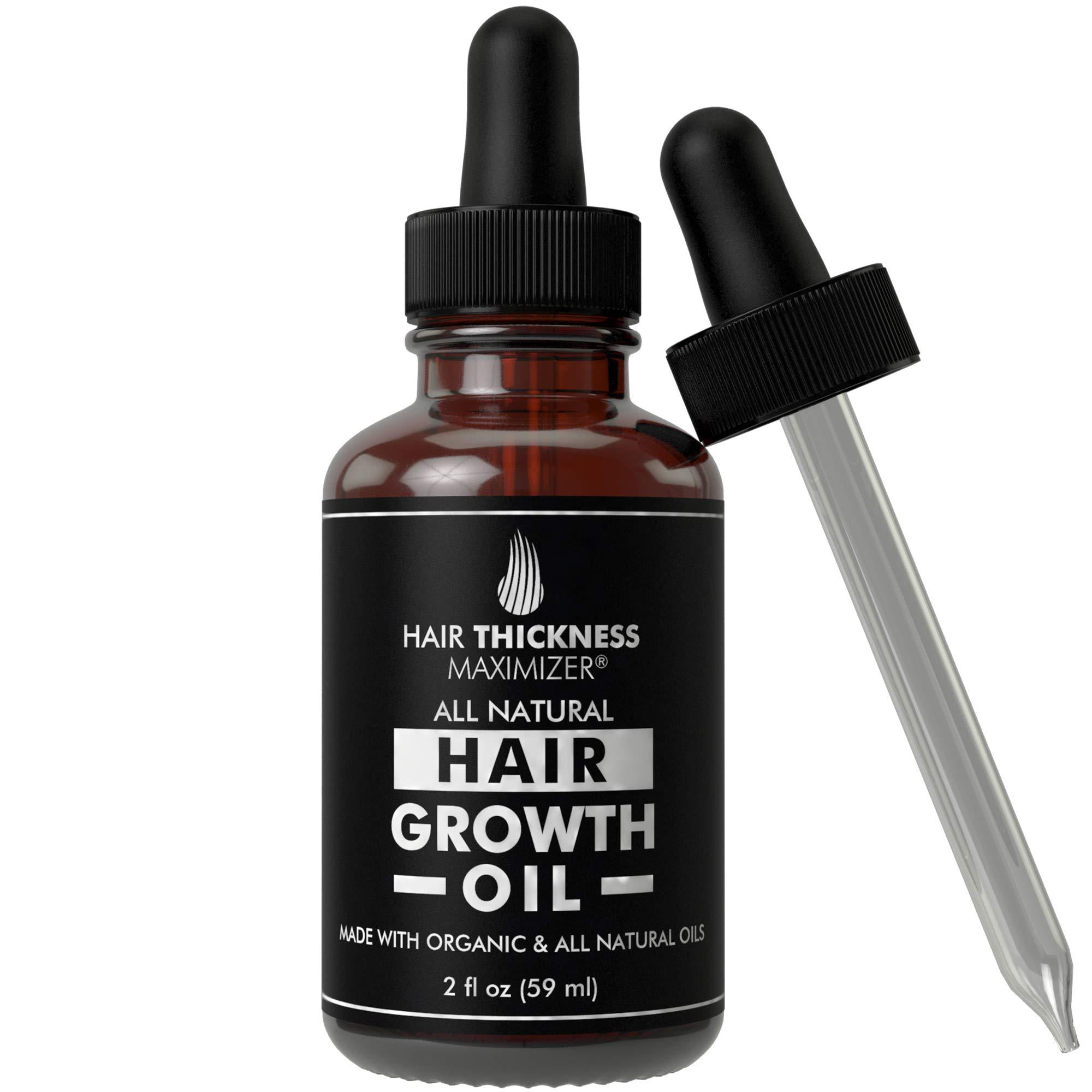
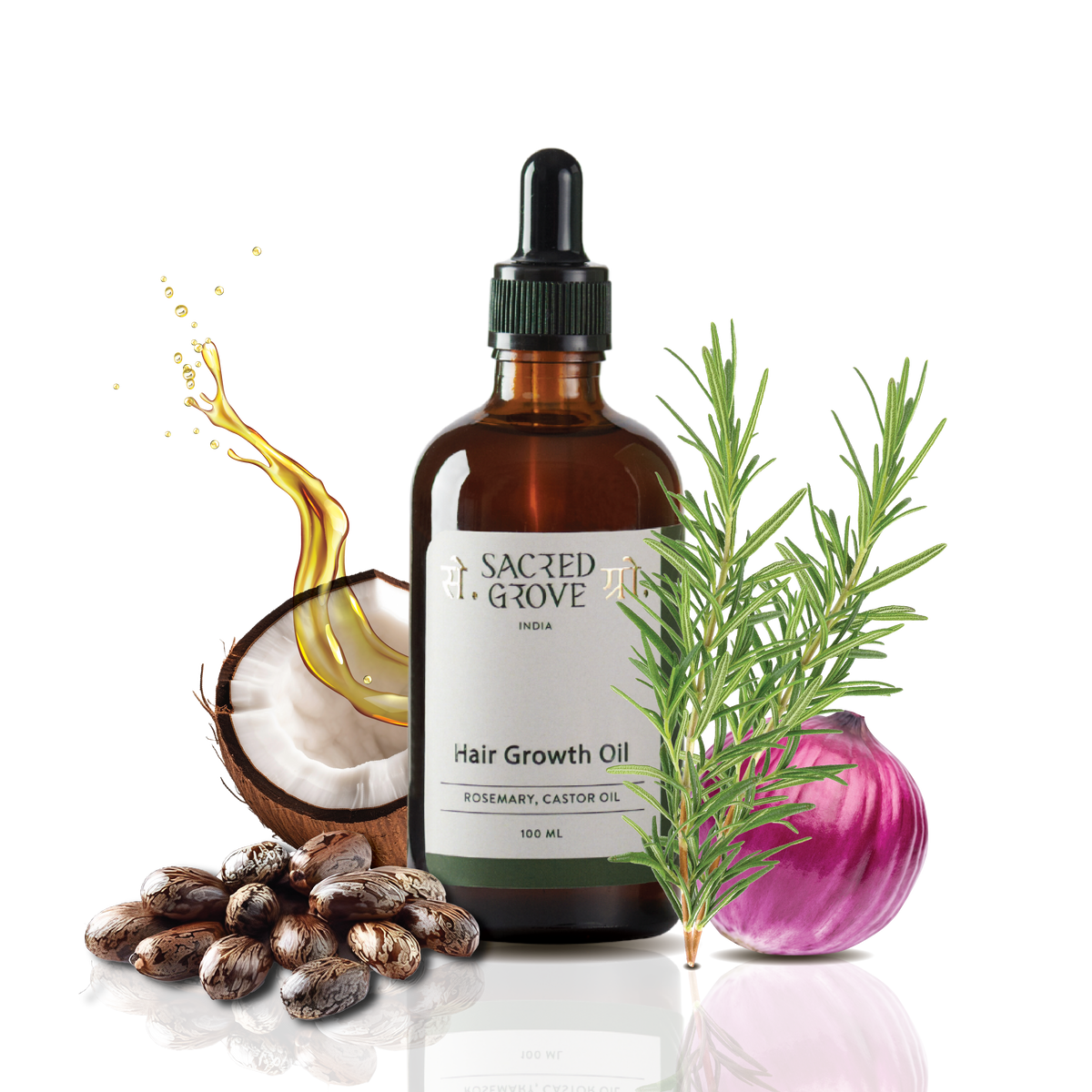
Finding an effective 7-day hair growth oil for women involves managing expectations regarding the biological reality of hair follicles. While many products promise rapid, visible results within a week, human hair typically grows at a rate of approximately 0.5 inches (1.25 cm) per month. Topical oils primarily improve scalp health, follicle hydration, and shaft strength, which can prevent breakage and create an optimal environment for hair to reach its maximum growth potential, rather than accelerating the genetically determined rate of mitosis.
Understanding the Hair Growth Cycle
To evaluate whether a 7-day treatment plan is feasible, it is essential to understand the hair growth cycle. Every strand of hair on the human scalp passes through three distinct phases: anagen (growth), catagen (transition), and telogen (resting).
The anagen phase is the only period where the hair is actively produced by the follicle. This phase can last anywhere from two to seven years. Because this process is internally regulated by hormones, genetics, and nutritional status, applying an external oil to the scalp cannot force a follicle into the anagen phase or make an existing hair grow faster than its biological maximum.
Products marketed as "7-day growth" solutions often work by addressing the secondary factors that hinder length retention. If your hair is brittle and breaking at the ends, it may appear as though your hair is not growing at all. By strengthening the cuticle and moisturizing the scalp, these oils minimize breakage, allowing the length you have already achieved to remain on your head.
Key Ingredients for Scalp and Follicle Support
When selecting a hair growth oil, look for components backed by cosmetic science that prioritize scalp health. The skin of your scalp requires the same balance of lipids and hydration as the skin on your face to maintain a healthy barrier.
- Castor Oil: Frequently used for its high ricinoleic acid content, it is often favored for its viscosity, which helps in coating the hair shaft and protecting it from environmental damage.
- Rosemary Oil: This essential oil has been studied for its potential to improve circulation to the scalp, which provides the necessary nutrients for the follicles during the anagen phase.
- Peppermint Oil: Similar to rosemary, menthol acts as a vasodilator. Increased blood flow to the follicle can theoretically improve nutrient delivery, though evidence regarding significant "speed" gains remains anecdotal.
- Carrier Oils: Jojoba, argan, and coconut oils act as carriers. These are essential because they prevent the irritation that can occur when using high-potency essential oils directly on the skin.
Applying Hair Growth Oil Effectively
The efficacy of a hair growth treatment relies heavily on proper application techniques. Simply applying oil to the ends of the hair will not impact the follicle. A structured routine is necessary to see the benefits of any topical treatment within a short timeframe.
- Scalp Massage: Spend three to five minutes massaging the oil into your scalp using your fingertips. This mechanical action stimulates blood flow and ensures the product reaches the base of the follicles.
- Consistency: While a 7-day period is often the marketing window, the cumulative effect of consistent application is what yields results. Aim to perform a light scalp massage with oil at least three times per week.
- The Over-Conditioning Trap: Do not leave heavy oils on the scalp for extended periods if you have naturally oily skin or a history of seborrheic dermatitis. Excessive oil buildup can clog pores, leading to inflammation and potentially hindering the very growth you are trying to encourage.
- Heat Treatment: Applying the oil while slightly warm (never hot) can help with absorption. Using a warm towel wrap for 15 minutes after oil application can help the cuticle open slightly, allowing for better hydration.
Comparison of Hair Care Solutions
| Method | Primary Mechanism | Time to Visible Effect | Typical Cost |
|---|---|---|---|
| Growth Oils | Scalp health, breakage prevention | 4–8 Weeks | Low/Moderate |
| Minoxidil (OTC) | Increases follicle diameter | 3–6 Months | Moderate |
| Nutritional Supplements | Corrects systemic deficiencies | 3–6 Months | Moderate |
| Scalp Microneedling | Collagen production/circulation | 8–12 Weeks | High |
Factors That Influence Growth and Retention
If you are seeking faster hair growth, you must first address the internal and environmental factors that lead to hair loss or slowed progress. No oil can overcome the negative impacts of a poor diet or chronic stress.
Nutritional intake is the foundation of hair health. Hair is primarily composed of the protein keratin. If your body is deficient in protein, iron, or zinc, it will prioritize essential bodily functions over the maintenance of hair, causing hair growth to slow or shedding to increase. Similarly, iron-deficiency anemia is a common cause of hair thinning in women, and it must be addressed through a physician rather than with topical oils alone.
Environmental stress also plays a significant role. Frequent use of high-heat styling tools, tight hairstyles that cause traction alopecia, and harsh chemical treatments can cause hair to snap off at the shaft. If you apply a 7-day growth oil but continue to subject your hair to daily heat, you will likely offset any benefits gained from the treatment.
Identifying Quality Products and Avoiding Scams
In the hair care industry, "7-day" is often a marketing term rather than a medical claim. Be wary of products that guarantee specific length gains in one week. Legitimate oils are designed to improve the quality, thickness, and elasticity of your hair, not to defy the laws of human biology.
Check the ingredient list for fillers. Many inexpensive oils use mineral oil or heavy silicones. While these provide immediate shine, they do not offer the nutrient-dense benefits of cold-pressed botanical oils. Furthermore, ensure that the product is packaged in a dark, opaque bottle to prevent light exposure from degrading the efficacy of the natural oils.
Troubleshooting Your Routine
If you find that your scalp is becoming itchy or you are experiencing increased shedding after using a new growth oil, discontinue use immediately. Irritation suggests that your skin may be sensitive to a specific botanical extract or that the oil is clogging your pores.
If your primary goal is to address thinning hair, it is important to consult a dermatologist. Thinning can be an early indicator of hormonal imbalances, such as those caused by polycystic ovary syndrome (PCOS) or thyroid dysfunction. In these instances, topical oils serve only as a cosmetic supportive measure; they are not a substitute for the medical intervention required to treat the underlying condition.
Next Steps for Sustainable Hair Health
To maximize the health of your hair, shift your focus from "7-day results" to a long-term maintenance strategy. Start by implementing a gentle scalp massage regimen that you can sustain for at least three months. Pair this with a diet rich in lean proteins, omega-3 fatty acids, and leafy greens. If you are experiencing unexplained thinning, schedule an appointment with a board-certified dermatologist to rule out medical concerns. By focusing on follicle longevity rather than immediate growth spurts, you will achieve the healthiest possible version of your hair.