In the 2024 annual rankings of global wealth, Warren Buffett, the chairman and CEO of Berkshire Hathaway, was confirmed as the 6th richest man in the world. With an estimated net worth of $133 billion at the time of the Forbes World’s Billionaires list publication, Buffett remains a titan of industry and the premier practitioner of value investing.
The year 2024 represented a significant milestone for Buffett, often referred to as the "Oracle of Omaha." Despite his consistent philanthropic efforts—which have seen him donate more than half of his wealth over the last two decades—his net worth reached new heights driven by the stellar performance of Berkshire Hathaway’s diverse portfolio. This biography explores his ascent, his investment philosophy, and the specific factors that solidified his position as the world's 6th wealthiest individual in 2024.
The Architecture of a Fortune: Warren Buffett’s 2024 Net Worth
To understand how Warren Buffett maintained a top-tier position in the global wealth rankings in 2024, one must look at the structure of his primary asset: Berkshire Hathaway. Unlike many of his peers in the top 10 who founded technology firms (such as Jeff Bezos or Mark Zuckerberg), Buffett’s wealth is derived from a massive, multi-sector conglomerate that owns everything from insurance companies to railroads.
By the second quarter of 2024, Berkshire Hathaway’s Class A shares were trading at record levels, frequently exceeding $600,000 per share. Buffett’s wealth is almost entirely tied to these shares. His net worth of $133 billion in 2024 was a testament to the "compounding" effect he has championed for over sixty years.
Key Drivers of Wealth in 2024
Several factors contributed to the growth of his fortune during this period:
- The Apple Stake: Although Berkshire trimmed its position in Apple during late 2023 and early 2024, the tech giant remained the cornerstone of the Berkshire equity portfolio, providing massive unrealized gains.
- Insurance Underwriting: GEICO and other insurance subsidiaries saw a significant turnaround in profitability in 2024, bolstering the "float" (the money held between premium collection and claim payment) that Buffett uses to invest.
- Energy and Infrastructure: BNSF Railway and Berkshire Hathaway Energy provided steady, non-cyclical cash flows that shielded his net worth from the volatility seen in the tech-heavy sectors of the economy.
Biography: From Omaha to Global Influence
Warren Edward Buffett was born on August 30, 1930, in Omaha, Nebraska, during the depths of the Great Depression. This era profoundly shaped his views on frugality and intrinsic value. The son of Howard Buffett, a stockbroker and U.S. Congressman, Warren displayed an uncanny aptitude for numbers and business from a very young age.
Early Ventures and Education
Buffett’s entrepreneurial journey began in his neighborhood, where he sold sticks of chewing gum, bottles of Coca-Cola, and weekly magazines door-to-door. By age 11, he purchased his first stock (Cities Service Preferred). While still in high school, he and a friend purchased a used pinball machine for $25 and placed it in a local barber shop. Within months, they owned a small fleet of machines across several locations.
Buffett attended the University of Pennsylvania's Wharton School before transferring to the University of Nebraska. However, the most pivotal moment in his education was his time at Columbia Business School, where he studied under Benjamin Graham, the "father of value investing." Graham’s teachings on seeking stocks that trade for less than their intrinsic value became the bedrock of Buffett’s career.
The Rise of Berkshire Hathaway
After working for Graham-Newman Corp in New York, Buffett returned to Omaha and started Buffett Partnership Ltd. in 1956. In 1962, he began buying shares in a struggling New England textile manufacturer called Berkshire Hathaway. Although the textile business eventually failed, Buffett used the company as a holding vehicle to acquire insurance companies (starting with National Indemnity) and other high-quality businesses.
For the next five decades, Buffett transformed Berkshire Hathaway into one of the most valuable companies in history. His 2024 status as the 6th richest man was the culmination of this slow, methodical expansion, characterized by "buying wonderful businesses at fair prices" rather than "fair businesses at wonderful prices."
The Investment Philosophy of the Oracle
Buffett’s success is rarely attributed to "luck" or "timing." Instead, it is the result of a rigorous adherence to a set of technical investment principles. In 2024, these principles remained the gold standard for institutional and retail investors alike.
- Circle of Competence: Buffett famously refuses to invest in businesses he does not understand. This led him to avoid the dot-com bubble of the late 90s and focus on cash-flow-heavy industries like consumer staples and insurance.
- Economic Moats: He seeks companies with a sustainable competitive advantage—an "economic moat"—that protects them from competitors. Examples include the brand power of Coca-Cola or the cost advantages of GEICO.
- Long-Term Horizon: His favorite holding period is "forever." This long-term view allows him to ignore market fluctuations that often frighten other billionaires into selling.
- Margin of Safety: Following Graham’s advice, Buffett only buys when there is a significant gap between a company's market price and its true value, reducing the risk of permanent capital loss.
Comparative Wealth: The 2024 Global Rankings
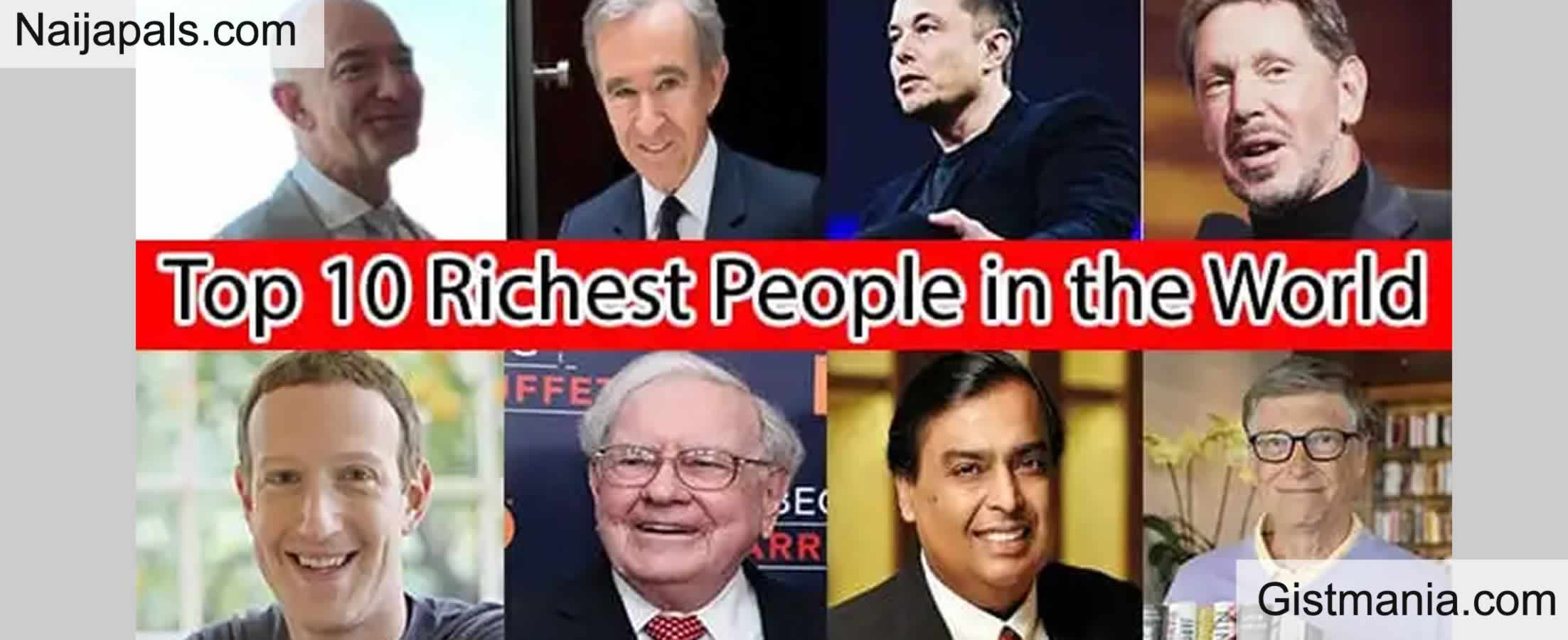
In 2024, the top of the billionaire list was highly competitive. While Buffett held the #6 spot, he was surrounded by tech innovators and luxury goods moguls. The following table provides a snapshot of the top 10 richest individuals as of the Forbes 2024 annual list.
| Rank | Name | Net Worth (2024 Est.) | Primary Source |
|---|---|---|---|
| 1 | Bernard Arnault | $233 Billion | LVMH (Luxury Goods) |
| 2 | Elon Musk | $195 Billion | Tesla, SpaceX |
| 3 | Jeff Bezos | $194 Billion | Amazon |
| 4 | Mark Zuckerberg | $177 Billion | Meta (Facebook) |
| 5 | Larry Ellison | $141 Billion | Oracle |
| 6 | Warren Buffett | $133 Billion | Berkshire Hathaway |
| 7 | Bill Gates | $128 Billion | Microsoft |
| 8 | Steve Ballmer | $121 Billion | Microsoft |
| 9 | Mukesh Ambani | $116 Billion | Reliance Industries |
| 10 | Larry Page | $114 Billion |
Note: Rankings and net worth figures reflect the values reported in the 2024 annual billionaires survey. Daily fluctuations occur based on stock market performance.
Philanthropy and the "Giving Pledge"
It is crucial to note that Warren Buffett’s rank as the 6th richest man in 2024 would likely be much higher—potentially the #1 spot—had he not been committed to giving away the vast majority of his fortune. In 2006, he pledged to gradually give 99% of his wealth to philanthropic foundations.
Much of his annual giving goes to the Bill & Melinda Gates Foundation, as well as foundations run by his children. In 2024 alone, his summer donation consisted of approximately $5.3 billion worth of Berkshire Hathaway shares. This massive charitable output is a defining feature of his biography. He often expresses the view that "huge dynastic wealth" is harmful to society and that his money is better spent on global health, education, and poverty reduction.
The 2024 Context: Post-Munger Era
The year 2024 was a period of transition for Buffett and Berkshire Hathaway. It marked the first full year of operations following the passing of Charlie Munger, Buffett's long-time business partner and vice chairman, who died in late 2023 at the age of 99.
Munger was the architect of the modern Berkshire strategy, pushing Buffett to move beyond "cigar-butt" investing (buying cheap, dying companies) toward buying high-quality, durable businesses. In 2024, Buffett spent considerable time at the annual shareholder meeting—often called the "Woodstock for Capitalists"—honoring Munger’s legacy and reassuring shareholders that the company’s culture and "fortress" balance sheet remained intact.
Despite the loss of his partner, Buffett’s leadership in 2024 remained sharp. He continued to manage Berkshire's enormous cash pile, which reached nearly $189 billion by mid-2024, waiting for "fat pitches" or opportunities to deploy capital during market dislocations.
Frequently Asked Questions
Who was the 6th richest person in the world in 2024?
Warren Buffett, the CEO of Berkshire Hathaway, held the 6th position on the Forbes 2024 annual billionaires list with a net worth of approximately $133 billion.
What is the primary source of Warren Buffett's wealth?
His wealth comes almost exclusively from his ownership stake in Berkshire Hathaway, a diversified holding company he has led since 1965. The company owns businesses in insurance, rail transport, energy, and retail, and holds significant stock in companies like Apple and American Express.
How much did Warren Buffett donate in 2024?
In mid-2024, Buffett donated about $5.3 billion in Berkshire Hathaway shares to five foundations. This continued his long-standing commitment to the Giving Pledge, through which he intends to donate 99% of his net worth.
Why is Warren Buffett called the "Oracle of Omaha"?
He earned this nickname because of his uncanny ability to predict market trends and find value where others see risk, all while operating out of his hometown of Omaha, Nebraska, rather than Wall Street.
Who is the successor to Warren Buffett at Berkshire Hathaway?
While Buffett remained in control in 2024 at age 93, the company has officially designated Greg Abel, Vice Chairman of Non-Insurance Operations, as the successor to the CEO role. Ajit Jain continues to lead the insurance operations.
Guidance for Aspiring Investors
Warren Buffett’s biography and his 2024 financial standing offer more than just a glimpse into extreme wealth; they provide a blueprint for financial discipline. For those looking to emulate his success, the primary takeaway from 2024 was his patience. In an era of high-speed trading and AI-driven speculation, Buffett’s 6th place rank was secured by his willingness to sit on cash and wait for the right price.
If you are evaluating your own investment strategy, consider the "Buffett approach": focus on understanding the businesses you own, avoid unnecessary debt, and view your investments as long-term partnerships rather than gambling chips. His life demonstrates that wealth is not built overnight, but through the relentless application of sound logic and the power of compound interest.