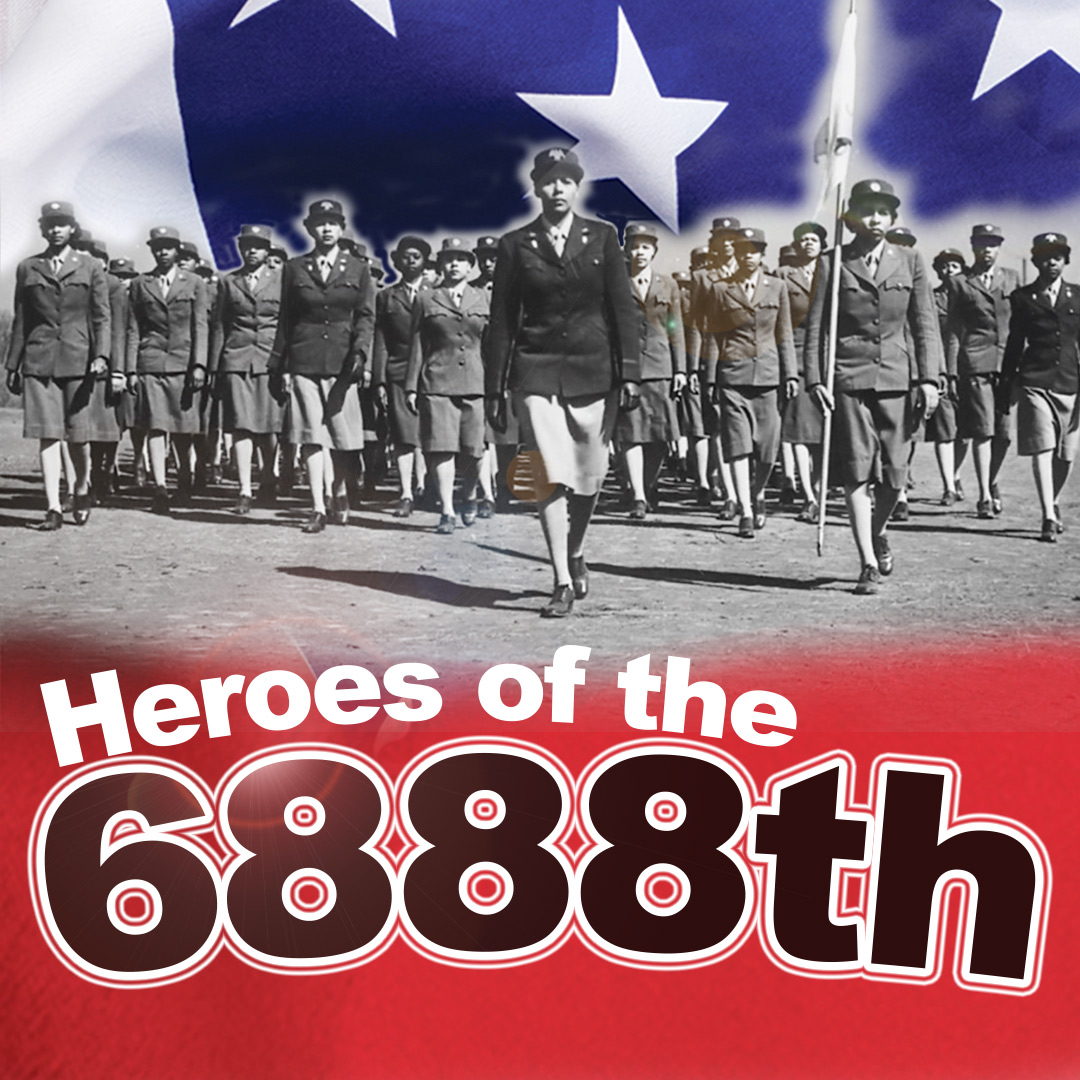
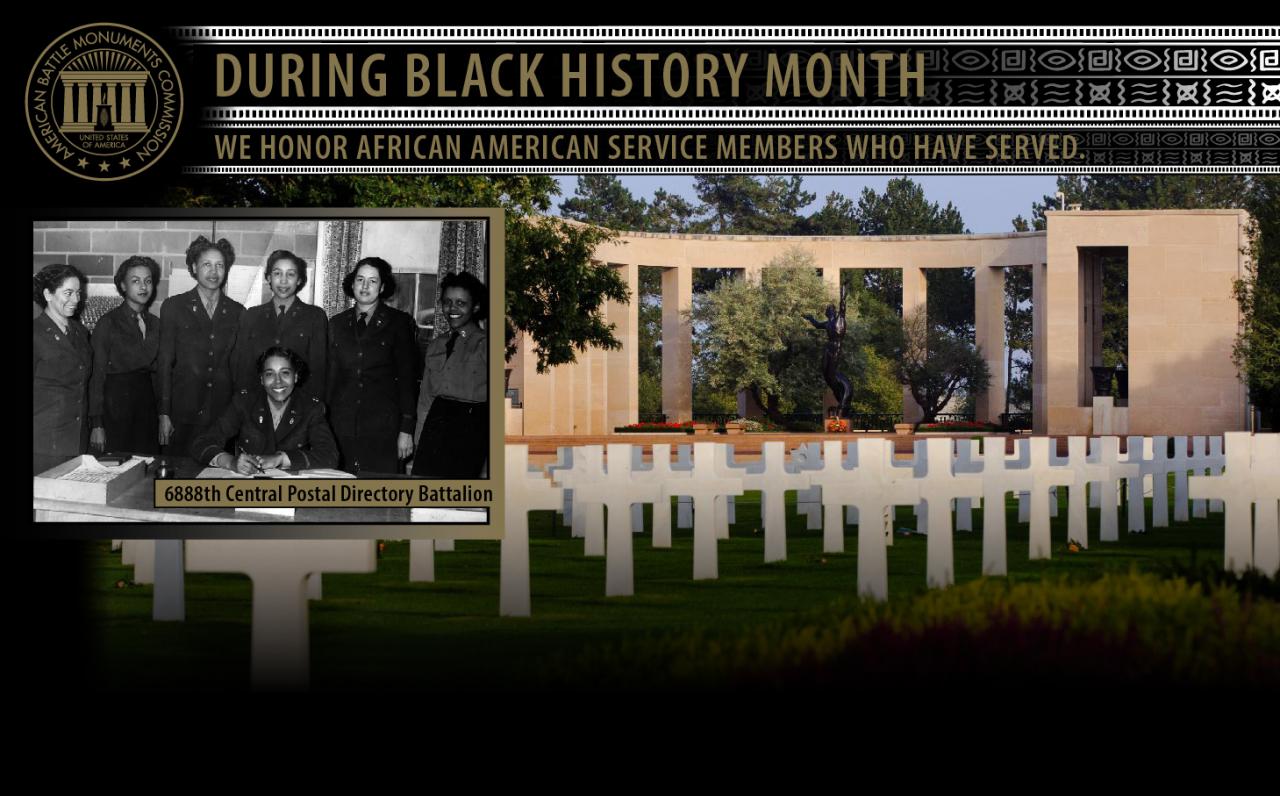
The 6888th Central Postal Directory Battalion, nicknamed the "Six Triple Eight," was the only all-Black, all-female Women's Army Corps (WAC) unit to serve overseas during World War II. Tasked with clearing a massive multi-year backlog of mail in Europe, these 855 women revolutionized military postal operations while defying systemic racial and gender discrimination.
Historical Context: The Necessity of the Six Triple Eight
By late 1944, the European Theater of Operations (ETO) faced a logistical crisis that threatened the morale of millions of American service members. Mountains of undelivered mail—millions of letters and packages—sat in damp, rat-infested warehouses across England. This was not merely a matter of convenience; for a soldier on the front lines, mail was the only tangible connection to home. When communication broke down, morale plummeted, affecting combat efficacy.
The War Department recognized that a specialized unit was required to resolve the bottleneck. However, because of the prevailing segregationist policies of the era, African American women had been largely restricted from overseas deployment. Influential leaders, including Mary McLeod Bethune and First Lady Eleanor Roosevelt, pressured the military to allow Black women to serve abroad. In response, the 6888th Central Postal Directory Battalion was activated in 1944.
These women were not just postal clerks; they were pioneers. They entered a military that was strictly segregated by race and a society that questioned the capability of women in a theater of war. Their assignment was a "test case" for the viability of Black women in the WACs, placing an immense burden of proof on their shoulders from the moment they began training.
Training and Deployment Under Pressure
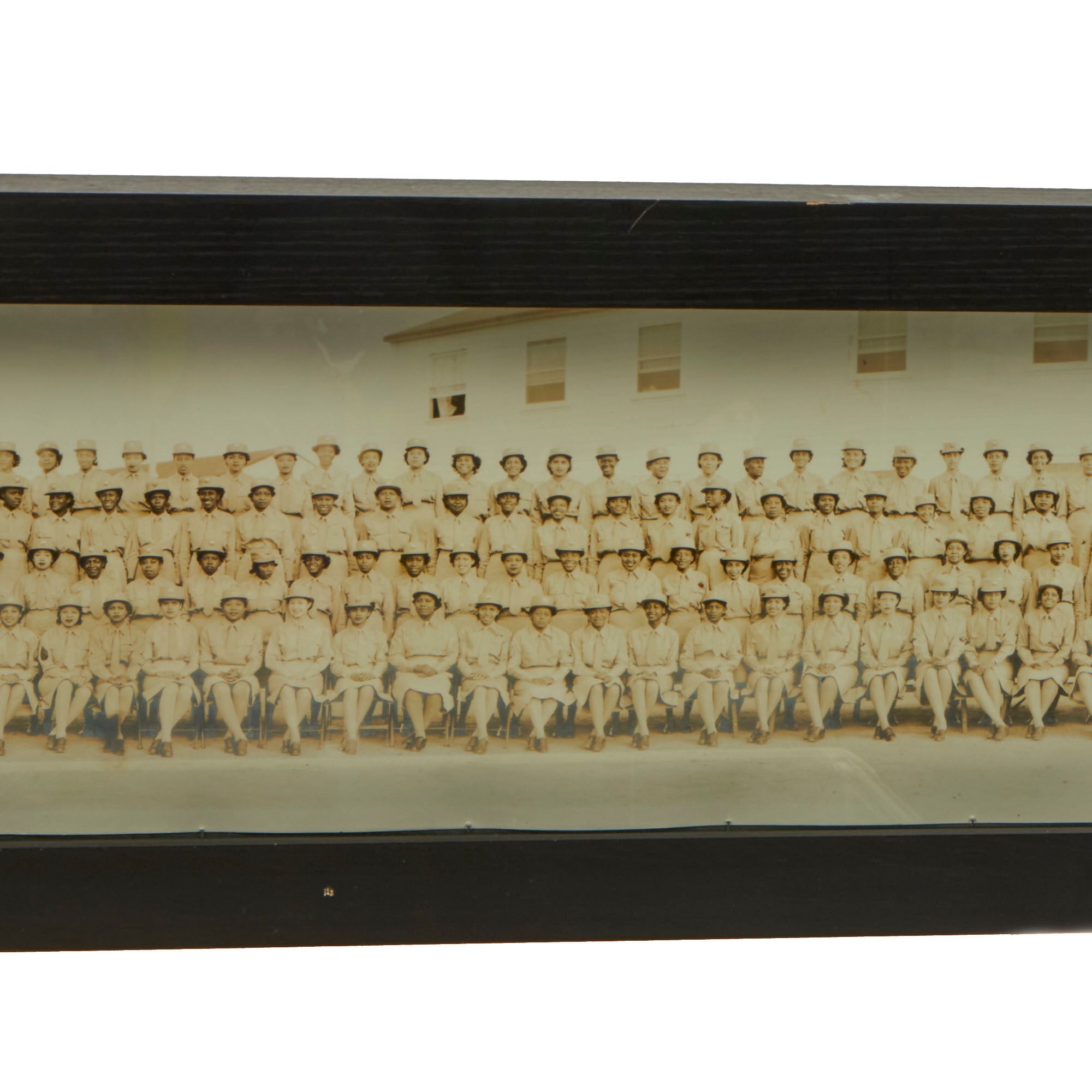
The members of the 6888th underwent rigorous basic training at Fort Des Moines, Iowa. The curriculum included gas mask drills, physical conditioning, and crawling through obstacle courses under simulated fire. Because they were an all-Black unit, their training was conducted under the scrutiny of both military leadership and a skeptical public.
In January 1945, the battalion departed for Britain. The journey itself was perilous; their transport ship, the SS Île de France, was chased by a German U-boat, forcing the vessel to take evasive maneuvers. Upon arriving in Glasgow and later moving to Birmingham, the women encountered the grim reality of their mission. They were faced with warehouses filled to the ceiling with letters and parcels, some of which had been sitting for over two years.
The working conditions were abysmal. The warehouses were unheated, poorly lit, and infested with rodents that fed on the food items inside undelivered care packages. To protect themselves from the biting cold, many women wore multiple layers of clothing, including their coats, while working. Despite these hardships, they established a rigorous, round-the-clock schedule to tackle the backlog.
The Operational Mastery of "No Mail, Low Morale"
The 6888th operated under the motto "No Mail, Low Morale." They understood that every letter they processed could be the difference between a soldier staying focused or losing hope. The technical challenge was immense: they had to track 7 million service members in the ETO, many of whom shared common names. For example, there were over 7,500 soldiers named "Robert Smith," and the battalion had to ensure each letter reached the correct individual based on limited serial number data.
Implementation of the Three-Shift System
To maximize efficiency, the battalion commander, Major Charity Adams (later Charity Adams Earley), implemented a three-shift system. The unit worked 24 hours a day, seven days a week. Each shift processed approximately 65,000 pieces of mail. They utilized a sophisticated directory card system to track troop movements, hospitalizations, and deaths.
Success in Birmingham and Rouen
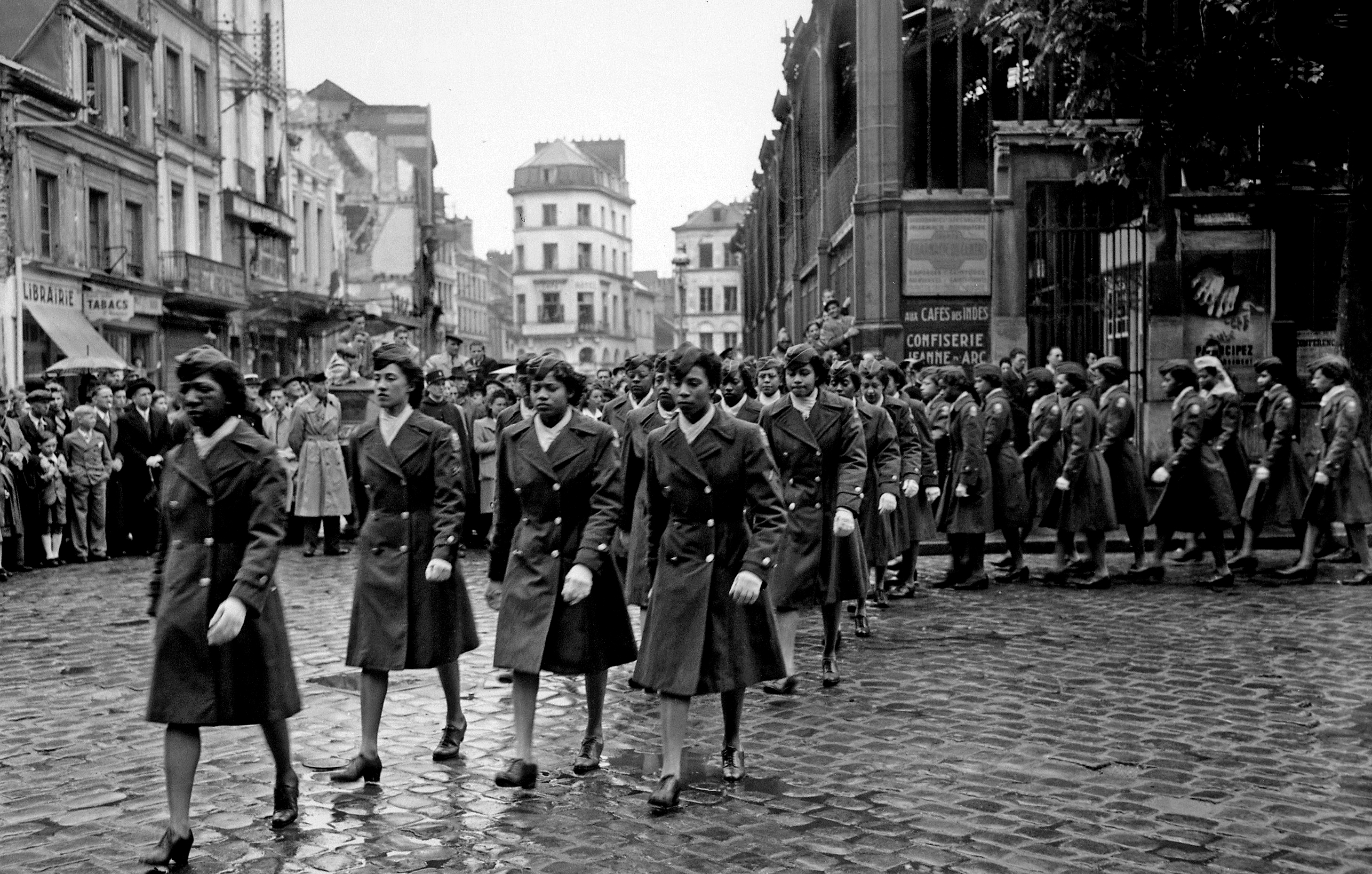
The Army had estimated that it would take the battalion six months to clear the Birmingham backlog. The 6888th completed the task in just three months. Following their success in England, they were deployed to Rouen, France, in May 1945. There, they faced another massive backlog dating back to the D-Day invasions. Again, they cleared the mail in record time, eventually moving to Paris to handle postal operations for the remaining troops and government officials after the war in Europe ended.
| Metric | Details |
|---|---|
| Unit Designation | 6888th Central Postal Directory Battalion |
| Total Personnel | 855 (824 Enlisted, 31 Officers) |
| Primary Motto | "No Mail, Low Morale" |
| Commander | Major Charity Adams Earley |
| Major Locations | Birmingham (UK), Rouen (France), Paris (France) |
| Key Achievement | Cleared 17 million pieces of mail in 3 months (Birmingham) |
| Formal Recognition | Congressional Gold Medal (Authorized 2022) |
Leadership and Resistance Against Discrimination
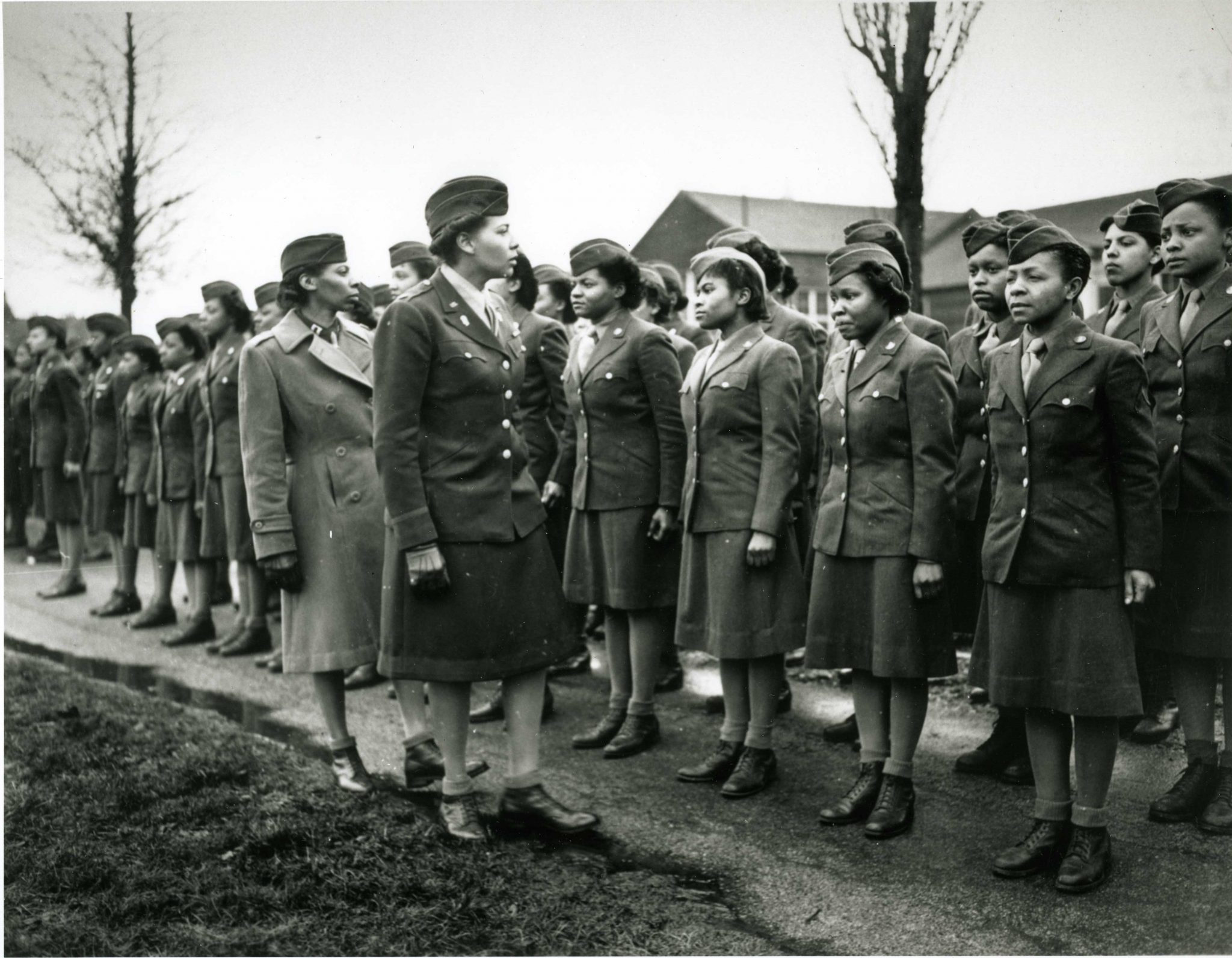
The success of the 6888th was largely attributed to the iron-willed leadership of Charity Adams Earley. As the highest-ranking Black woman in the military at the time, she was frequently forced to defend her unit against both institutional racism and gender bias.
A famous anecdote involves a white general who threatened to send a "white lieutenant" to show Adams how to run her unit after she refused to interrupt her troops' work for a snap inspection. Adams reportedly replied, "Over my dead body, Sir." Her refusal to back down earned her the respect of her troops and ensured that the battalion remained under Black leadership.
Despite their service, the women faced segregation even in Europe. They were often barred from Red Cross clubs and recreational facilities used by white troops. In response, the 6888th became self-sufficient, creating their own hair salons, refreshment bars, and recreational programs. This internal solidarity was crucial for maintaining their own morale in a hostile environment.
The Long Road to Recognition (2022–2026)
When the 6888th returned to the United States in 1946, there were no parades or public celebrations. The battalion was inactivated at Camp Kilmer, New Jersey, and the women transitioned back into a civilian life still governed by Jim Crow laws. For decades, their contribution to the war effort was a footnote in military history.
The tide began to turn in the 21st century as historians and veterans' advocates pushed for the unit’s story to be told. In 2018, a monument dedicated to the Six Triple Eight was unveiled at Fort Leavenworth, Kansas. This was followed by an intense legislative campaign to award the unit the Congressional Gold Medal, the nation’s highest civilian honor.
In March 2022, President Joe Biden signed the "Six Triple Eight" Congressional Gold Medal Act into law. By 2026, the legacy of the 6888th has been cemented in the American consciousness through various media, including the Tyler Perry-directed film The Six Triple Eight, and integrated into the curriculum at the U.S. Army Women's Museum. Their story is now taught not just as Black history or women's history, but as an essential chapter of American military excellence.
Frequently Asked Questions
Who was the commander of the 6888th Central Postal Directory Battalion?
Major Charity Adams Earley commanded the unit. She was the first African American woman to be commissioned as an officer in the Women’s Army Auxiliary Corps (later WAC) and reached the rank of Lieutenant Colonel by the end of the war, making her the highest-ranking Black woman in the Army at that time.
Why was the 6888th only composed of Black women?
During World War II, the United States military was strictly segregated by race due to Executive Order 9981 not being issued until 1948. While Black women were allowed to join the Women’s Army Corps, they were kept in separate units from white women. The 6888th was formed specifically to provide an overseas opportunity for Black WACs who had previously been denied deployment.
How much mail did the Six Triple Eight actually process?
In Birmingham alone, the battalion processed an estimated 17 million pieces of mail that had been backlogged for up to two years. They did this by working three shifts daily and maintaining a directory of nearly 7 million personnel assigned to the European Theater.
What honors has the 6888th received?
The unit received the European-African-Middle Eastern Campaign Medal, the Good Conduct Medal, and the World War II Victory Medal. More recently, they were awarded the Meritorious Unit Commendation in 2019 and the Congressional Gold Medal in 2022.
Where can I see memorials for the 6888th?
The primary monument is located at the Buffalo Soldier Memorial Park in Fort Leavenworth, Kansas. Additionally, many of their artifacts and personal stories are preserved at the National Museum of the United States Army in Virginia and the National WWII Museum in New Orleans.
Supporting the Preservation of 6888th History
As we move through 2026, preserving the history of the 6888th requires active engagement with veteran archives and educational institutions. Individuals interested in supporting this legacy should consider contributing to the Women In Military Service For America Memorial or the National Archives, which house many of the original unit records and personal letters from the battalion members.
For educators and researchers, the Library of Congress Veterans History Project offers digitized interviews with surviving members (now very few) and their descendants. By incorporating these primary sources into history curricula, we ensure that the motto "No Mail, Low Morale" and the logistical genius of these 855 women continue to inspire future generations of leaders.