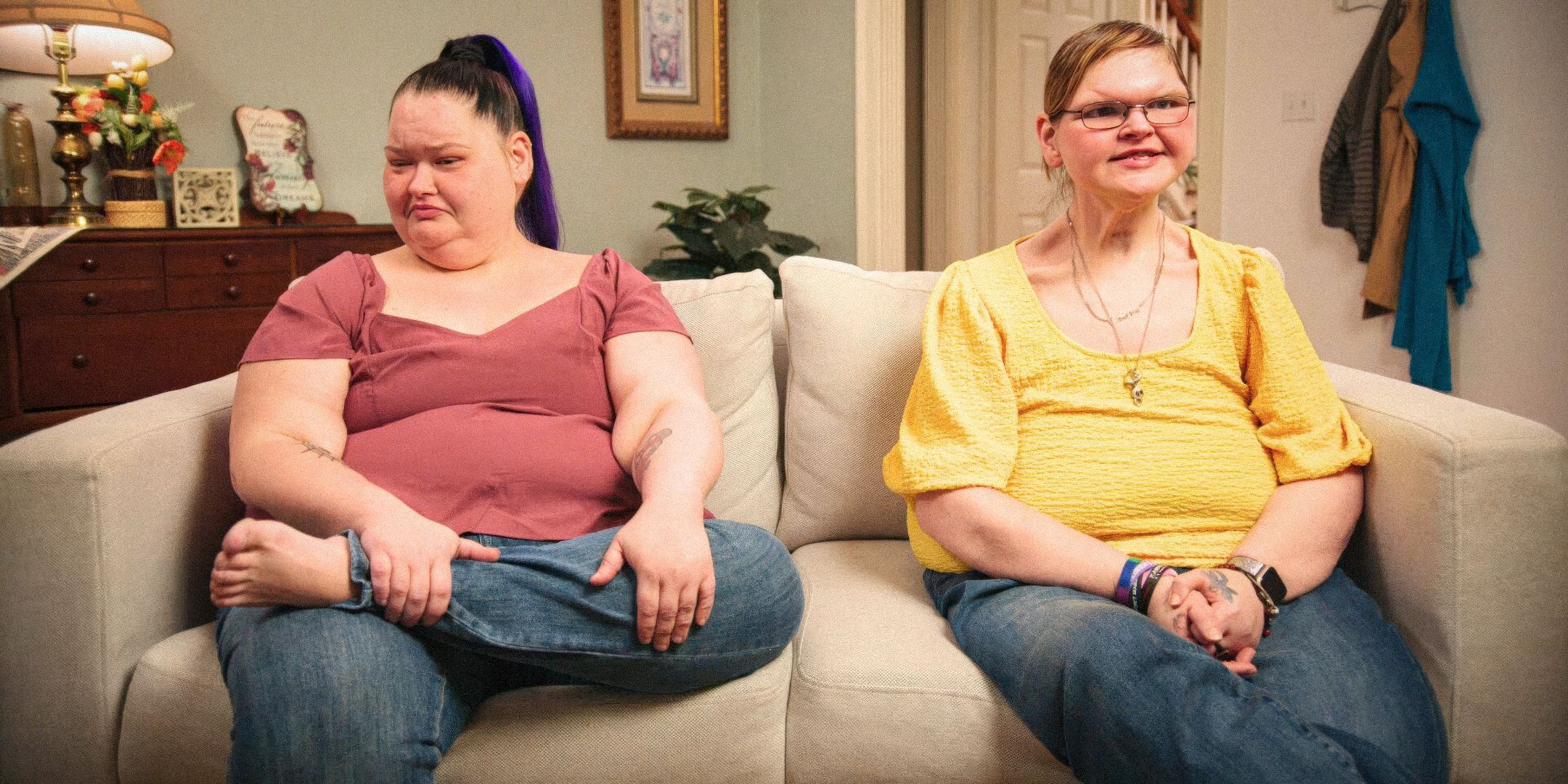
The weight loss transformations featured on TLC's reality series 1000-Lb. Sisters—primarily documenting the lives of Amy Slaton and Tammy Slaton—highlight the complex medical, psychological, and lifestyle requirements of treating severe obesity. Through specialized bariatric surgeries, structured rehabilitation, and behavioral counseling, their journeys demonstrate both the life-saving potential of modern bariatric interventions and the long-term commitment required to maintain extreme weight reduction.
Disclaimer: This article is for informational purposes only and does not constitute medical advice. Individuals seeking severe weight management or bariatric surgery should consult qualified healthcare professionals.
The Medical Context Behind the Slaton Sisters' Transformation
The television chronicle of Amy Slaton and Tammy Slaton captured global attention by providing an unvarnished look at Class III obesity (formerly referred to as morbid obesity). At the start of their documented health journey, Amy weighed approximately 406 pounds, while Tammy weighed over 600 pounds, eventually peaking at more than 725 pounds. Severe obesity at these thresholds carries intense physiological risks, including hypoventilation syndrome, type 2 diabetes, severe osteoarthritis, obstructive sleep apnea, and progressive cardiovascular strain.
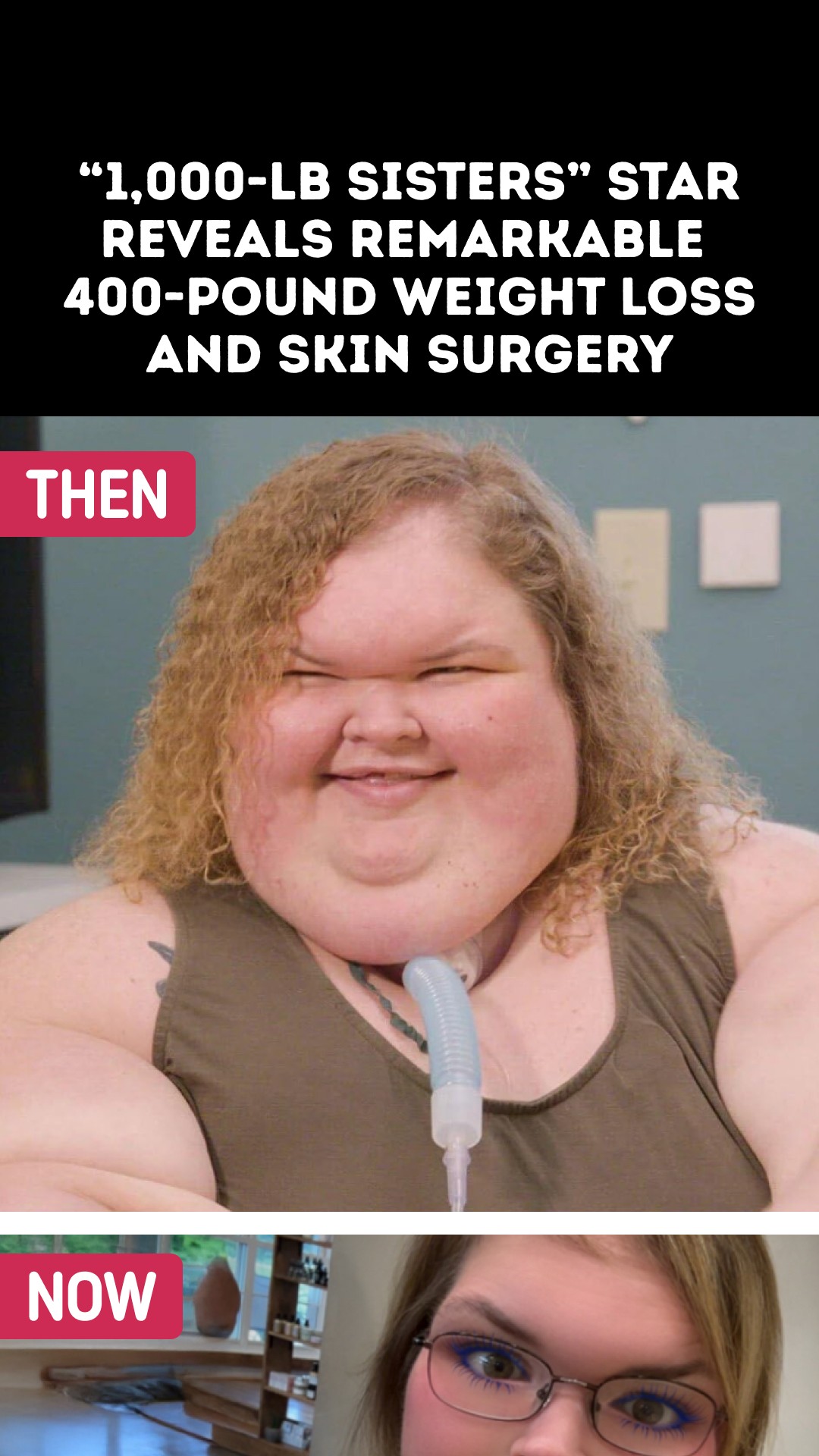
For individuals operating at extreme weight levels, everyday mobility becomes severely constrained, and basic physiological functions require significant assistance. Tammy Slaton’s journey, in particular, underscored the critical nature of intervention when medical complications resulted in respiratory failure, medically induced comas, and the placement of a temporary tracheostomy tube.
The public interest in a 600 lb sisters inspiring weight loss transformation stems not merely from dramatic physical changes, but from the raw depiction of the multi-disciplinary healthcare needed to save lives in critical condition. Their family members, including half-brother Chris Combs and half-sister Amanda Halterman, also joined the clinical pathway, showing how genetic disposition, environmental habits, and shared household dynamics shape health outcomes.
Key Stages of Bariatric Weight Loss in Extreme Cases
Achieving sustainable weight loss when starting above 400 to 700 pounds is rarely a matter of willpower alone. It requires a structured, multi-phase clinical intervention managed by bariatric surgeons, dietitians, physical therapists, and mental health clinicians.
Phases of Extreme Bariatric Recovery
- Medical Evaluation & Pre-Op Target Weight Loss
- Shrink visceral liver tissue
- Standardize high-protein, low-carbohydrate nutrition
- Complete psychological screening
- Surgical Intervention
- Vertical Sleeve Gastrectomy (VSG) or Gastric Bypass (RNY)
- Anatomical restriction of stomach volume
- Inpatient Rehabilitation & Respiratory Support
- Supervised physical therapy & pulmonary rehabilitation
- Constant dietary monitoring in specialized facilities
- Post-Surgical Maintenance & Reconstructive Care
- Addiction transfer monitoring & behavioral therapy
- Excess skin removal (Panniculectomy / Abdominoplasty)
Phase 1: Pre-Surgical Medical Clearance and Diet Adaptation
Before a surgeon will perform bariatric surgery on a patient with extreme obesity, the patient must demonstrate compliance by losing a baseline percentage of body weight. Bariatric surgeons like Dr. Charles Procter Jr. and Dr. Eric Smith required both Slaton sisters to meet specific target goals prior to scheduling surgical procedures.
Pre-operative weight loss serves two mandatory clinical purposes:
- Surgical Risk Reduction: Losing 5% to 10% of total body weight shrinks the liver's visceral fat stores. An enlarged liver obstructs the surgeon's view of the stomach and increases the likelihood of surgical tears or bleeding during laparoscopic procedures.
- Behavioral Compliance Verification: Candidates must prove they can follow strict nutritional guidelines, track calorie intake, and attend medical appointments. This proves their readiness for the permanent post-surgical diet.
Phase 2: Surgical Interventions (Gastric Bypass vs. Sleeve Gastrectomy)
Bariatric surgery alters the digestive tract to restrict food intake and, in some cases, change how nutrients are absorbed. According to the National Institute of Diabetes and Digestive and Kidney Diseases (NIDDK), these procedures significantly alter metabolic hormones regulating hunger and satiety.
- Roux-en-Y Gastric Bypass (RNY): Amy Slaton underwent gastric bypass surgery early in the series. In RNY surgery, a physician creates a small pouch at the top of the stomach and attaches it directly to the small intestine. This limits food intake and reduces calorie absorption.
- Vertical Sleeve Gastrectomy (VSG): Tammy Slaton and Chris Combs underwent sleeve gastrectomy. In this procedure, approximately 80% of the stomach is surgically removed, leaving a narrow tubular sleeve. VSG significantly reduces stomach capacity and lowers the production of ghrelin, the primary hunger-stimulating hormone, as detailed by the American Society for Metabolic and Bariatric Surgery (ASMBS).
Phase 3: Inpatient Rehabilitation and Specialized Care
When weight severely limits mobility or respiratory function, outpatient diet modifications are often insufficient. Tammy Slaton entered a specialized bariatric rehabilitation center in Windsor, Ohio, where medical professionals provided 24-hour care, monitored her oxygen levels, managed her tracheostomy, and controlled her nutritional environment. Her stay in rehab was pivotal, allowing her to lose over 100 pounds in a clinical setting and secure medical clearance for sleeve gastrectomy.
Comparing the Slaton Family Weight Loss Pathways
The table below outlines the starting points, surgical procedures, and key outcomes for the primary family members featured on the series.
| Family Member | Estimated Peak Weight | Surgical Intervention | Total Approximate Weight Loss | Key Clinical & Lifestyle Outcomes |
|---|---|---|---|---|
| Amy Slaton | ~406 lbs | Roux-en-Y Gastric Bypass | ~175+ lbs | Reduced mobility limits; safely carried two pregnancies to term; navigating post-op maintenance. |
| Tammy Slaton | ~725 lbs | Vertical Sleeve Gastrectomy | ~500+ lbs | Off continuous supplemental oxygen; decannulated tracheostomy; regained unassisted walking mobility. |
| Chris Combs | ~415 lbs | Vertical Sleeve Gastrectomy | ~150+ lbs | Improved cardiovascular health; qualified for and underwent excess skin removal surgery. |
Psychological Realities and the Role of Behavioral Therapy
Physical surgery alters the stomach, but it does not automatically re-wire psychological habits. A recurring theme in the Slaton sisters' transformation is the struggle against emotional eating, trauma, and food addiction.
Psychological & Emotional Challenges
- Addiction Transfer
- Shift from food to other compulsive behaviors
- Requires active counseling
- Body Image & Skin Care
- Severe skin laxity
- Pain, hygiene struggles, and reconstructive surgery
Addressing Food Addiction and Trauma
Severe obesity is frequently linked to underlying psychological trauma, anxiety, and depression. Food often functions as a coping mechanism for stress or pain. In the absence of heavy food intake after surgery, patients often experience an emotional void. Without targeted mental health therapy, patients face a high risk of addiction transfer, turning to other compulsive behaviors such as alcohol consumption, gambling, or shopping.
Body Dysmorphia and Excess Skin
Losing 100 to 500 pounds creates substantial skin laxity. Hanging tissue on the abdomen, thighs, arms, and neck causes practical challenges:
- Physical Discomfort: Excess skin adds substantial dead weight, irritating joints during movement.
- Hygiene and Dermatological Issues: Skin folds can collect moisture, leading to persistent rash outbreaks, infections, and ulcerations.
- Body Image Struggles: Patients often experience body dysmorphia, feeling that their physical shape does not reflect their major numerical weight loss.
Surgical skin removal (panniculectomy or full body contouring) is often medically necessary to allow full physical mobility and complete the transformation journey.
Practical Lessons for Managing Severe Weight Loss
While the Slaton family’s journey played out on national television, the clinical steps behind their success apply to anyone addressing severe weight challenges.
1. Build a Multidisciplinary Medical Team
Relying on a single diet program is rarely effective for severe obesity. A comprehensive medical team should include:
- A Primary Care Physician & Bariatric Specialist: To monitor blood markers, hormone balances, and medication adjustments.
- A Registered Dietitian: To design macronutrient plans prioritizing lean protein, complex carbohydrates, and essential micronutrients.
- A Licensed Mental Health Counselor: To address emotional triggers and establish healthy coping strategies.
- A Physical Therapist: To build low-impact exercise routines that protect compromised joints.
2. Focus on Incremental Goals Over End Targets
Viewing a total weight loss goal of 200 to 400 pounds can feel overwhelming. Successful bariatric patients focus on immediate, actionable targets:
- Target losing the first 5% of body weight to improve metabolic stability.
- Aim for daily non-scale victories, such as walking continuous steps or standing without assistance.
- Track protein intake (typically 60–80 grams daily post-bariatric surgery) and maintain strict fluid hydration.
3. Establish Environmental and Social Boundaries
Weight loss requires restructuring daily routines. The Slatons frequently clashed over shared household food habits. Long-term success requires creating a home environment that minimizes access to highly processed, hyper-palatable foods and building a social network that supports healthy habits.
Frequently Asked Questions
What bariatric procedures did Amy and Tammy Slaton undergo?
Amy Slaton underwent a Roux-en-Y Gastric Bypass early in the series, which reduced her stomach size and altered her digestive tract. Tammy Slaton underwent a Vertical Sleeve Gastrectomy (VSG), which surgically removed roughly 80% of her stomach structure to limit food capacity and decrease hunger hormones.
How much total weight did Tammy Slaton lose?
Tammy Slaton lost over 500 pounds from her peak weight of more than 725 pounds. Through a combination of inpatient medical rehabilitation, diet modification, and sleeve gastrectomy surgery, her weight dropped below 280 pounds, allowing her to regain unassisted mobility and remove her tracheostomy tube.
Why do surgeons require patients to lose weight before bariatric surgery?
Bariatric surgeons require pre-operative weight loss to shrink intra-abdominal fat and reduce liver volume, making laparoscopic surgery safer and reducing surgical complications. It also assesses a patient's ability to follow mandatory dietary rules after surgery.
What is addiction transfer in bariatric patients?
Addiction transfer occurs when a post-bariatric patient replaces a food addiction with another compulsive behavior, such as alcohol use, excessive shopping, or gambling. Because surgery changes physical stomach capacity without resolving underlying emotional triggers, behavioral therapy is essential to prevent substituting food reliance with other harmful habits.
Is skin removal surgery guaranteed after extreme weight loss?
Skin removal surgery is not automatic; it requires a separate medical assessment once a patient’s weight has stabilized for several months. Plastic surgeons perform panniculectomies or body contouring procedures based on physical necessity, such as chronic skin breakdown, mobility restriction, or joint pain caused by excess tissue.
Navigating Your Own Health Journey: Next Steps
The transformation seen on 1000-Lb. Sisters highlights that extreme weight loss is a long-term medical journey requiring continuous commitment, professional care, and psychological support.
If you or a family member are considering significant weight management or bariatric surgery:
- Consult a Primary Care Provider: Request a baseline evaluation of your metabolic health, blood sugar levels, and joint stability.
- Seek an Accredited Bariatric Center: Locate a program credentialed by organizations such as the Metabolic and Bariatric Surgery Accreditation and Quality Improvement Program (MBSAQIP).
- Engage Behavioral Health Resources: Start working with a clinical psychologist specializing in eating behaviors to prepare for the psychological adjustments required for long-term health.