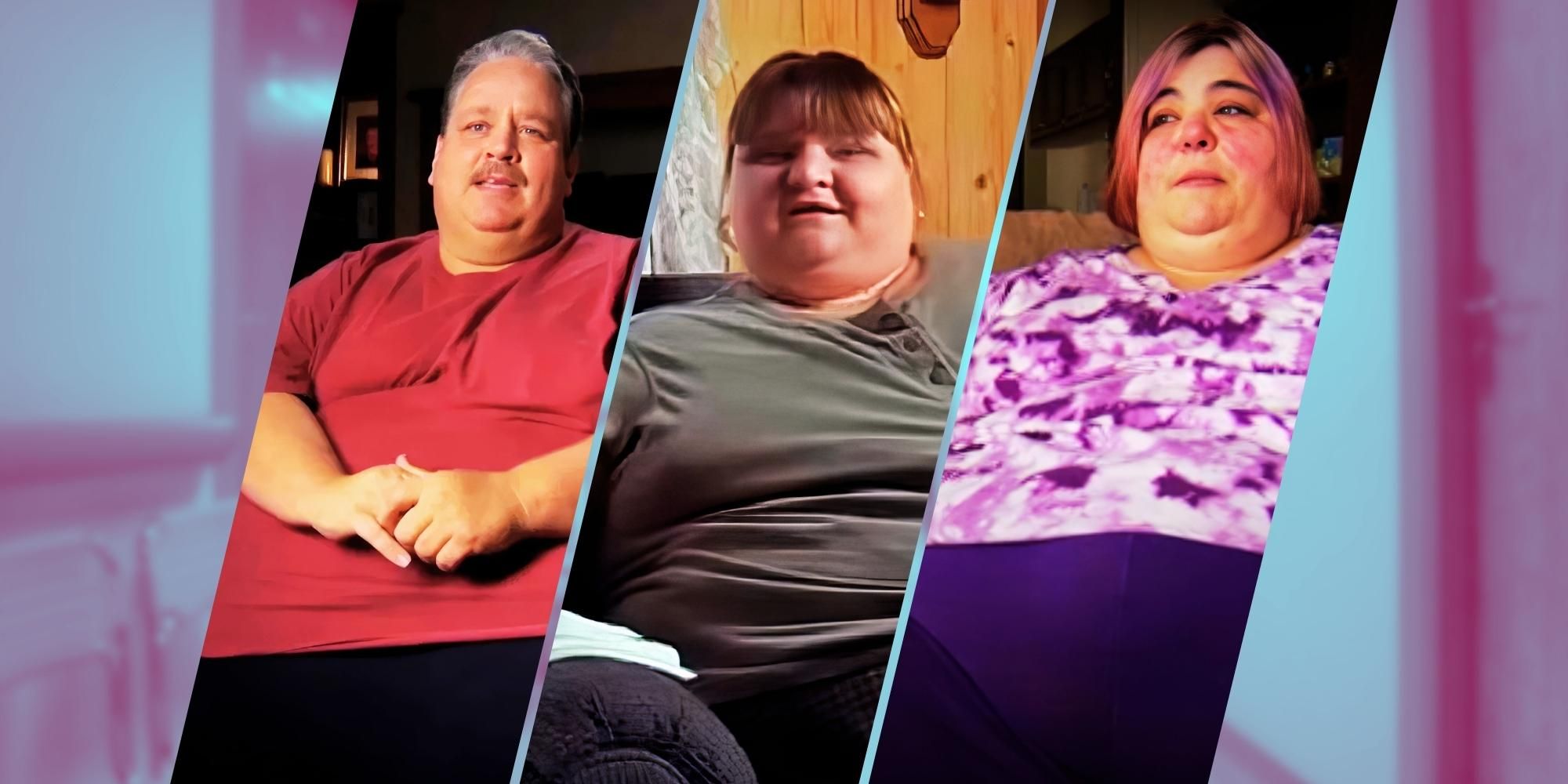
Extreme weight loss transformations, such as those popularized by TLC's My 600-lb Life, demonstrate that overcoming severe obesity requires far more than willpower alone. Sustainable recovery relies on a rigorous clinical framework combining low-calorie nutritional intervention, bariatric surgery, mandatory psychological counseling, and long-term behavioral restructuring to safely shed hundreds of pounds.
Medical Disclaimer: This article is for informational and educational purposes only and does not constitute medical advice. Individuals suffering from severe obesity or considering bariatric surgery should consult qualified healthcare professionals, such as bariatric surgeons, registered dietitians, and mental health specialists.
Understanding the Medical Framework Behind Extreme Weight Loss
Transforming a life burdened by severe, morbid obesity—typically defined as having a Body Mass Index (BMI) of 50 or higher (Class III super-obesity)—is a complex clinical endeavor. The journeys highlighted on television and in medical case studies are framed around strict protocols designed to reduce immediate surgical risks while establishing long-term behavioral compliance.
In programs led by bariatric specialists like Dr. Younan Nowzaradan, patients weighing 600 pounds or more rarely proceed directly to the operating room. Severe obesity carries immense cardiovascular, pulmonary, and anesthetic risks. Consequently, candidates must complete a rigorous pre-operative regimen aimed at stabilizing their health and demonstrating commitment to mandatory lifestyle modifications.
- Initial Evaluation
- Psychological screening
- Cardiac/pulmonary test
- Controlled Pre-Op Diet
- 1,000-1,200 kcal/day
- Liver volume reduction
- Bariatric Surgery
- Sleeve or Bypass
- 2-3 day hospital stay
- Post-Op Progression
- Multi-stage diet diet
- Rapid weight loss phase
- Reconstructive Surgery
- Skin removal (1-2 yrs)
- Body contouring
- Long-Term Maintenance
- Life-long supplements
- Continuous therapy
The Role of Mandatory Pre-Operative Diets
Before surgical intervention is cleared, candidates are typically placed on high-protein, extremely low-carbohydrate diets ranging from 1,000 to 1,200 calories per day. This phase serves two essential medical functions:
- Hepatic Clearance: Visceral fat surrounding the liver causes organ enlargement (hepatomegaly), which physically obscures the stomach during laparoscopic surgery. Rapid pre-operative weight loss shrinks the liver, significantly lowering the risk of accidental laceration or intraoperative hemorrhaging.
- Behavioral Evaluation: Establishing baseline compliance proves whether a patient can adhere to restrictive eating protocols. Bariatric surgery is a tool to restrict food volume or nutrient absorption; it cannot prevent non-compliance, overeating soft high-calorie foods, or liquid caloric intake.
Primary Surgical Interventions: Gastric Bypass vs. Sleeve Gastrectomy
When candidates successfully meet initial weight-loss targets and pass psychological clearance, surgeons select the surgical technique best suited to their medical history and anatomical profile.
- Roux-en-Y Gastric Bypass (RYGB): Considered the traditional gold standard for severe obesity, RYGB involves creating a small stomach pouch (roughly the size of an egg) and rerouting a portion of the small intestine directly to this pouch. This creates both restriction (limiting food intake) and malabsorption (reducing calorie and nutrient absorption). RYGB also induces significant hormonal changes, notably altering ghrelin (the hunger hormone) and GLP-1 signaling.
- Vertical Sleeve Gastrectomy (VSG): VSG involves surgically removing approximately 80% of the stomach, leaving a narrow tubular "sleeve." Unlike gastric bypass, VSG does not reroute the intestines, preserving normal digestive absorption while drastically reducing stomach capacity and hunger-stimulating hormone production.
Notable Transformations and Shared Factors for Success
The individuals who successfully transform their health after weighing 600 pounds or more share several key strategies that sustain their progress beyond initial media exposure.
- Psychological Healing
- Trauma resolution
- Replacing emotional coping
- Nutritional Compliance
- High protein, whole foods
- Avoidance of liquid calories
- Structured Support
- Family boundary setting
- Continuous medical oversight
Key Case Studies of Lasting Change
- Amber Rachdi: Entering her journey at over 650 pounds, Rachdi utilized gastric bypass surgery alongside intensive individual therapy to address severe anxiety and emotional eating. By focusing on mental health stability alongside physical health, she successfully shed over 400 pounds and built an independent life, emphasizing self-worth beyond numbers on a scale.
- Melissa Morris: As the first participant featured on My 600-lb Life, Morris lost over 400 pounds from an initial weight of nearly 700 pounds. Her journey highlighted the physical strain of pregnancy following massive weight loss, demonstrating that long-term success requires adapting nutritional habits through major life transitions.
- Milla Clark: Entering treatment at over 750 pounds and initially bedbound, Clark underwent multiple surgeries, skin removals, and years of physical rehabilitation. Her story illustrates that physical mobility restoration requires consistent physical therapy integrated with dietary compliance.
Core Habits of Successful Long-Term Maintainers
A retrospective analysis of long-term success stories reveals common practices among those who avoid weight regain:
- Strict Adherence to Whole Foods: Prioritizing lean proteins (chicken, fish, tofu) and non-starchy vegetables while eliminating processed carbohydrates and sugary beverages.
- Uncompromising Mental Health Support: Continuing psychotherapeutic care to address underlying trauma, stress triggers, and emotional coping mechanisms that originally contributed to food addiction.
- Establishment of Physical Mobility Habits: Transitioning from passive movement (assisted stretching, water aerobics) to daily active exercise (walking, strength training) as joints heal.
- Strong Social Boundaries: Distance from enabling family members or partners who attempt to sabotage dietary changes due to codependency or fear of relationship dynamic shifts.
Stages of Extreme Bariatric Weight Loss Transformations
The journey from super-obesity to sustainable health unfolds across distinct phases, each carrying specific goals, risks, and medical protocols.
| Transformation Phase | Primary Objective | Typical Duration | Primary Medical / Lifestyle Focus | Key Challenges & Risks |
|---|---|---|---|---|
| 1. Pre-Op Evaluation | Reduce surgical risk & prove compliance | 2 to 12 months | 1,000–1,200 kcal diet, psychiatric evaluation, cardiac screening | High dropout rate, detoxing from food addiction |
| 2. Surgical Intervention | Restrict stomach volume & alter hormones | 1 day (hospital stay 2–4 days) | Laparoscopic VSG or Roux-en-Y Gastric Bypass | Surgical complications, bleeding, anesthesia risks |
| 3. Rapid Weight Loss | Maximize fat loss while preserving muscle | 1 to 18 months post-op | Multi-stage diet progression (liquid $\rightarrow$ pureed $\rightarrow$ soft $\rightarrow$ solid) | Dehydration, muscle wasting, rapid gallstone formation |
| 4. Reconstructive Phase | Remove debilitating excess skin | 18 to 36 months post-op | Panniculectomy, brachioplasty, body contouring | Extended surgical recovery, wound breakdown, scarring |
| 5. Long-Term Maintenance | Prevent weight regain & sustain metabolic health | Lifelong | High-protein diet, daily physical activity, blood monitoring | Weight regain, nutritional deficiencies, psychological relapse |
The Critical Role of Psychotherapy in Severe Obesity Recovery
Physical intervention through surgery alters internal anatomy, but it does not modify ingrained psychological patterns. For patients carrying 600 or more pounds, food has often served as a primary coping mechanism for severe past trauma, depression, chronic anxiety, or emotional neglect.
- Trigger Identification
- Trauma, stress, loneliness
- Coping Substitution
- Journaling, walking, therapy
- Cognitive Restructuring
- Re-framing food as fuel
- Establishing healthy boundaries
Addressing Food Addiction and Emotional Eating
Bariatric surgery restricts the volume of solid food the body can physically accept. However, if underlying emotional addiction remains unaddressed, patients frequently develop addiction transfer. When denied large quantities of solid food, individuals may turn to liquid calories (milks, shakes, melted ice cream), alcohol, gambling, or shopping to soothe psychological distress.
Clinical protocols emphasize Cognitive Behavioral Therapy (CBT) to help patients:
- Identify non-physical hunger triggers (loneliness, anger, stress, boredom).
- Develop healthy coping mechanisms that do not involve consumption.
- Process past adverse childhood experiences (ACEs) or physical trauma.
- Deconstruct codependent relationships with caretakers who enable dangerous overeating habits.
Managing Body Dysmorphia and Identity Shifts
Losing 300 to 500 pounds drastically alters an individual's physical appearance, often far faster than the brain can process. Patients frequently experience body dysmorphia, continuing to perceive themselves as bedbound or morbidly obese even after reaching healthy weight ranges.
Therapeutic support is vital to help patients adjust to new social dynamics, increased attention from others, shifts in romantic relationships, and the altered physical self-image that follows extreme weight loss.
Managing Post-Weight Loss Complications and Reconstructive Surgery
Losing hundreds of pounds reveals severe anatomical collateral damage that requires specialized medical follow-up.
Excess Skin Removal (Panniculectomy and Body Contouring)
Massive weight loss stretches the skin beyond its elastic limit. Once the underlying subcutaneous fat breaks down, patients are left with large aprons of hanging skin (panniculus) that can weigh anywhere from 10 to 50 pounds.
- Functional Impairments
- Recurrent intertrigo / skin infections
- Chronic spinal / back strain
- Impaired gait / physical mobility
- Medical Stability
- Weight stable for 6+ months
- Nutritional markers normal
- Smoking cessation verified
Excess skin is not merely a cosmetic issue; it causes severe functional problems:
- Chronic Dermatological Infections: Intertrigo, fungal infections, and open ulcerations form in the deep folds where moisture and friction accumulate.
- Mobility Hindrance: Heavy folds of skin impede walking, running, and basic hygiene, pulling on the spine and joints.
To qualify for reconstructive surgery (such as a panniculectomy, arm lift, or thigh lift), patients must typically maintain a stable weight for at least 6 to 12 months, demonstrate optimal nutritional status (adequate serum albumin levels to ensure wound healing), and receive clearance from their surgical team.
Preventing Nutritional Deficiencies and Malabsorption
Bariatric procedures—especially malabsorptive ones like Roux-en-Y gastric bypass—impair the body's ability to absorb essential vitamins and minerals. Patients require lifelong supplementation and routine blood monitoring to prevent severe medical complications:
- Vitamin B12 Deficiencies: Can lead to irreversible neurological damage, neuropathy, and pernicious anemia.
- Iron and Ferritin Deficiencies: Causes severe fatigue, impaired immune function, and chronic anemia.
- Calcium and Vitamin D Deficiencies: Leads to bone density loss (osteopenia and osteoporosis) and hyperparathyroidism.
- Protein Malnutrition: Occurs when daily intake falls below mandatory targets (typically 60–80 grams per day minimum), resulting in muscle wasting, hair loss, and delayed tissue repair.
For authoritative guidelines on post-bariatric nutritional management, refer to the American Society for Metabolic and Bariatric Surgery (ASMBS).
Frequently Asked Questions
How much weight do patients typically lose in their first year post-surgery?
During the first 12 months following bariatric surgery, patients typically lose 50% to 70% of their excess body weight. For an individual starting at 600 pounds with an ideal weight of 150 pounds (450 pounds of excess weight), a first-year loss of 225 to 300 pounds is clinically feasible under strict adherence to dietary and exercise guidelines.
Why do bariatric surgeons require patients to lose weight before surgery?
Pre-surgery weight loss shrinks the liver by reducing stored glycogen and fat, giving surgeons safe visual and physical access to the stomach. Additionally, initial weight loss reduces anesthetic and cardiovascular risks while verifying that the patient is psychologically capable of adhering to restrictive post-operative diets.
What is the long-term success rate of extreme bariatric weight loss?
Clinical studies indicate that approximately 50% to 60% of bariatric patients maintain significant long-term excess weight loss (defined as keeping off at least 50% of lost excess weight) after 10 or more years. Long-term success is heavily tied to ongoing psychological counseling, nutritional follow-up, and regular physical activity.
How dangerous is weight loss surgery for someone weighing over 600 pounds?
Super-obesity increases the risks of intraoperative cardiovascular events, pulmonary embolisms, deep vein thrombosis (DVT), and wound infections. However, modern laparoscopic techniques and specialized bariatric centers have reduced the overall mortality rate of bariatric surgery to less than 0.5%, making the procedure statistically far safer than living with unmanaged severe obesity.
How is excess skin removal covered by health insurance?
Insurance coverage for reconstructive surgery varies widely. Procedures deemed purely cosmetic are rarely covered. However, a panniculectomy (removal of the lower abdominal skin apron) may be covered if severe, documented medical necessity is proven—such as chronic, non-responsive skin infections, recurrent open sores, or severe gait disruption verified by a physician.
Strategic Next Steps for Navigating Severe Weight Management
For individuals or families navigating severe obesity, transformation is an incremental, multi-faceted medical process.
- Medical Evaluation: Consult a certified bariatric specialist
- Psychological Support: Engage a therapist specializing in addiction
- Nutritional Foundation: Work with a registered bariatric dietitian
To take action safely:
- Seek Qualified Medical Consultation: Schedule a comprehensive evaluation with a board-certified bariatric surgeon associated with an accredited metabolic and bariatric surgery center.
- Engage Mental Health Professionals: Begin working with a licensed psychologist or counselor specializing in eating disorders, trauma, and emotional eating before pursuing surgical interventions.
- Obtain Clinical Baseline Diagnostics: Request full blood panels (vitamin levels, metabolic panels, HbA1c), a sleep study (to screen for sleep apnea), and cardiovascular clearance from a cardiologist.
- Build a Support Network: Connect with accredited support groups, such as those organized by the Obesity Action Coalition (OAC), to learn from individuals who have successfully navigated extreme weight loss journeys.