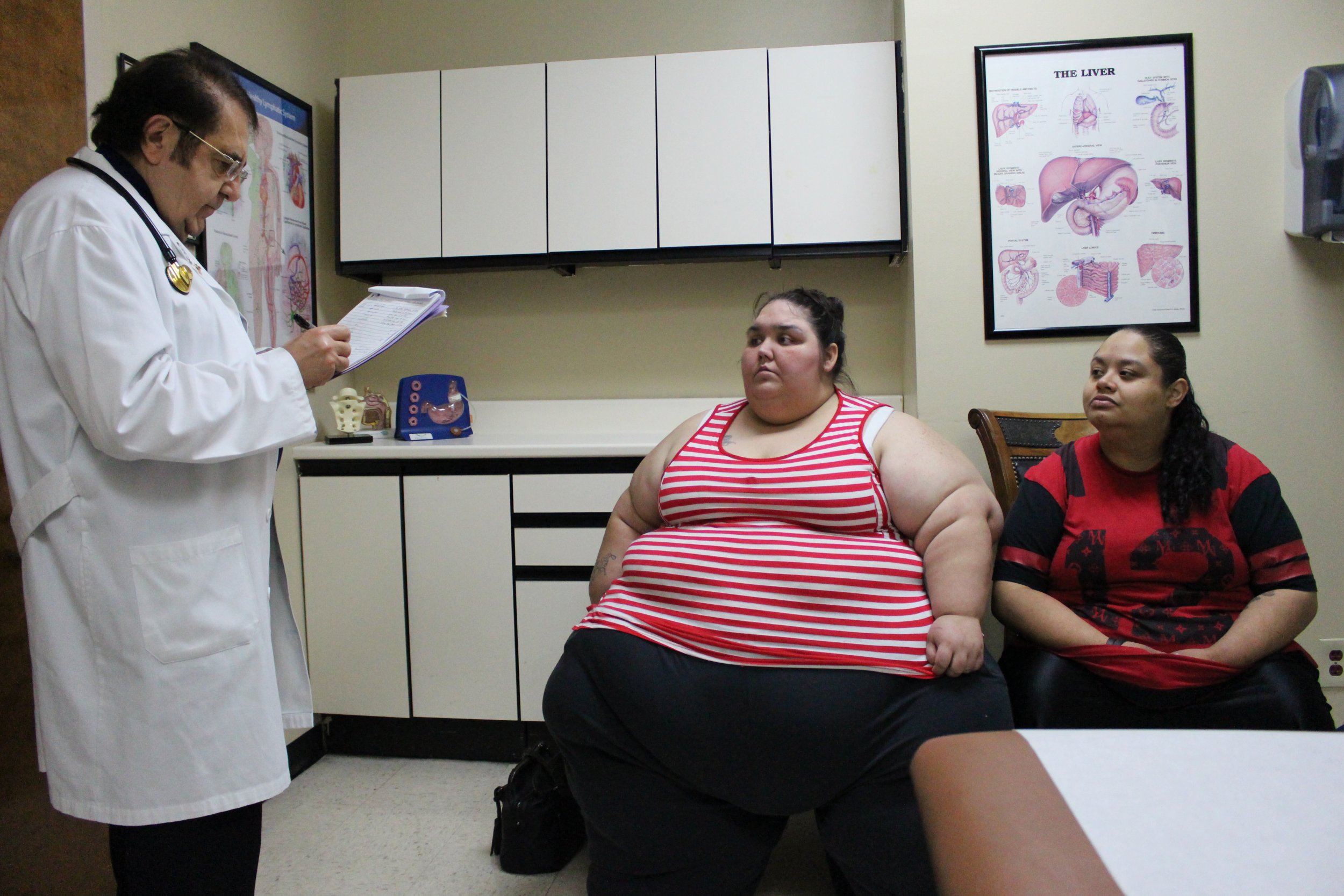
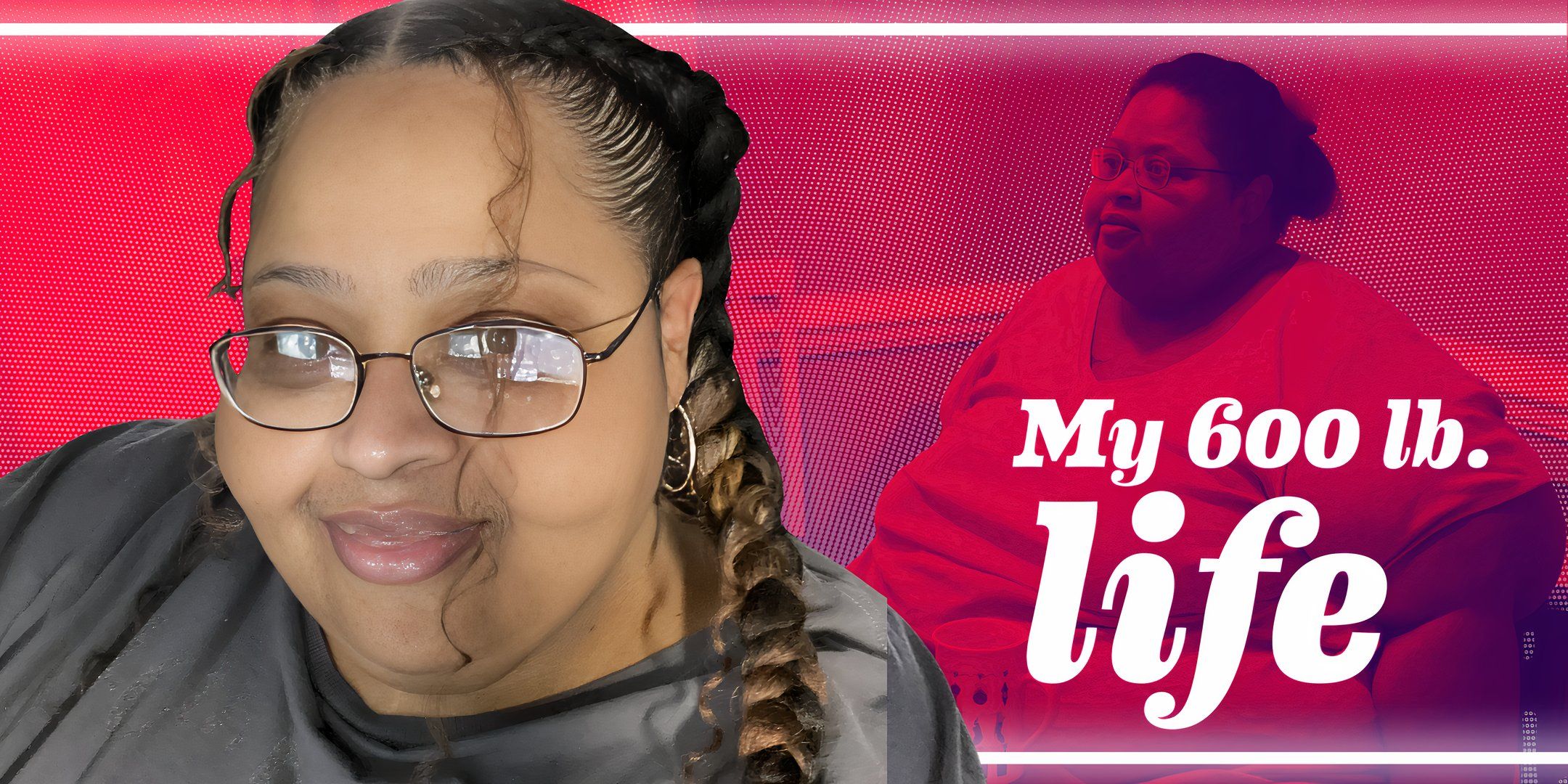
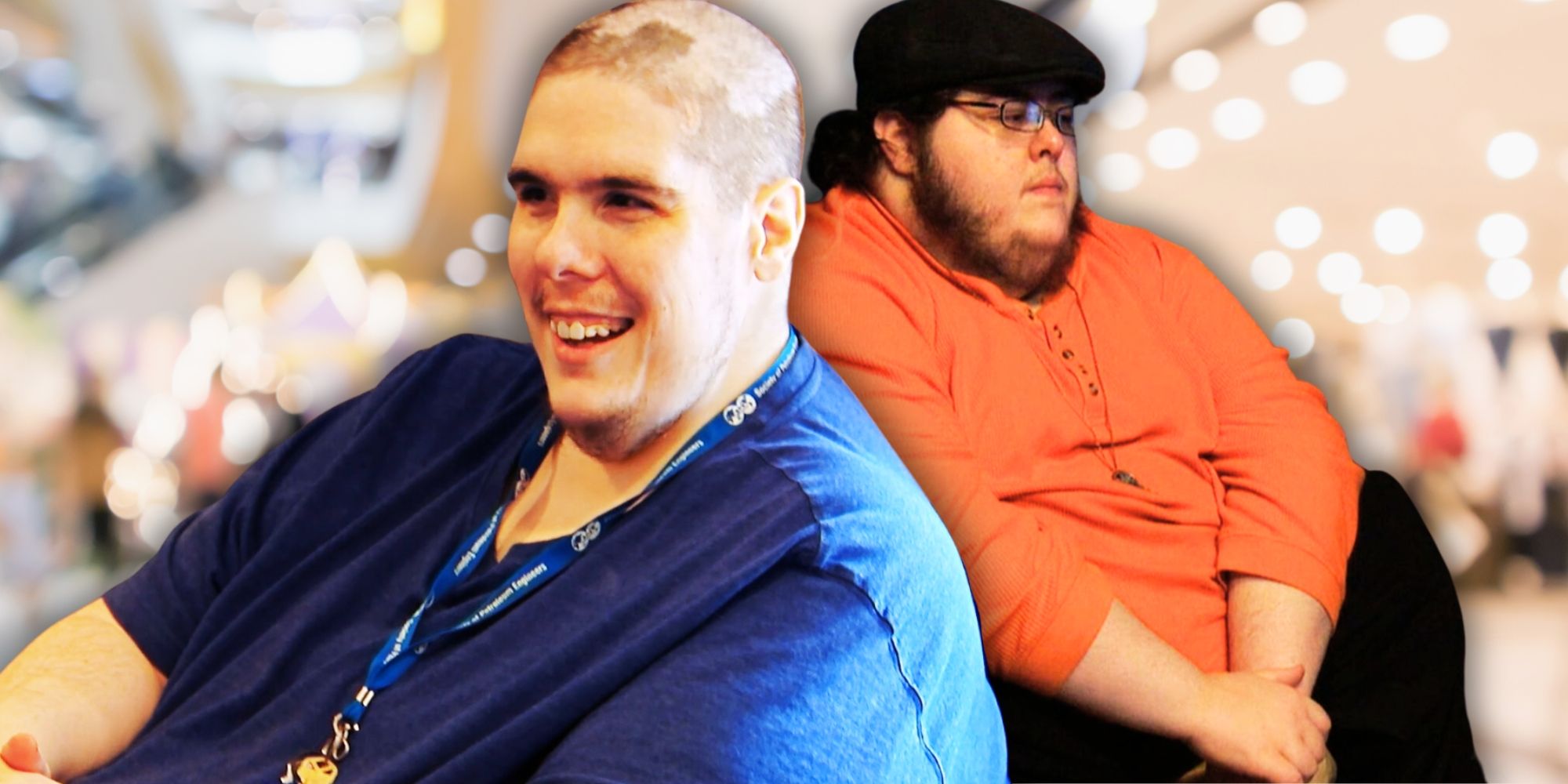
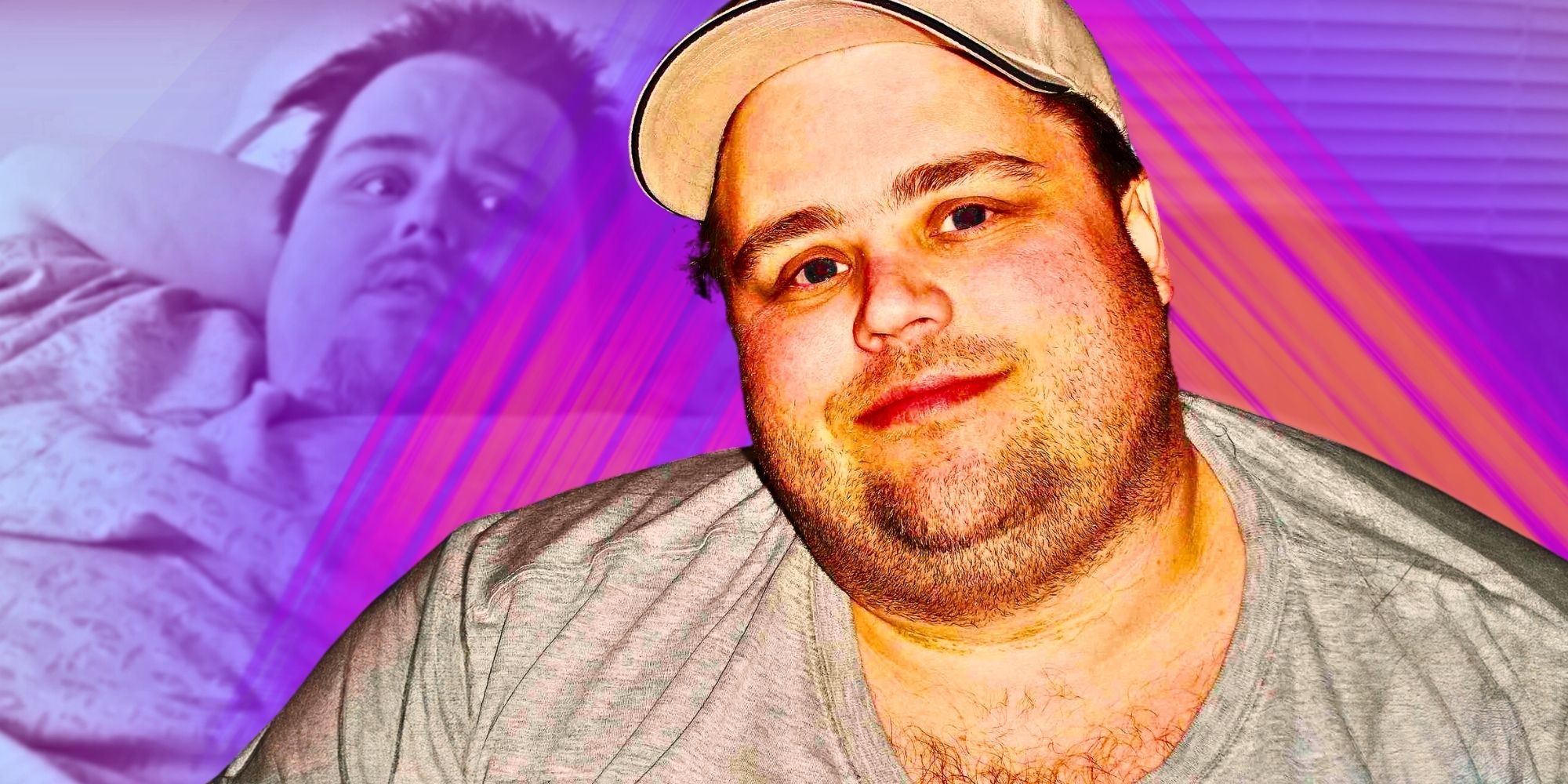
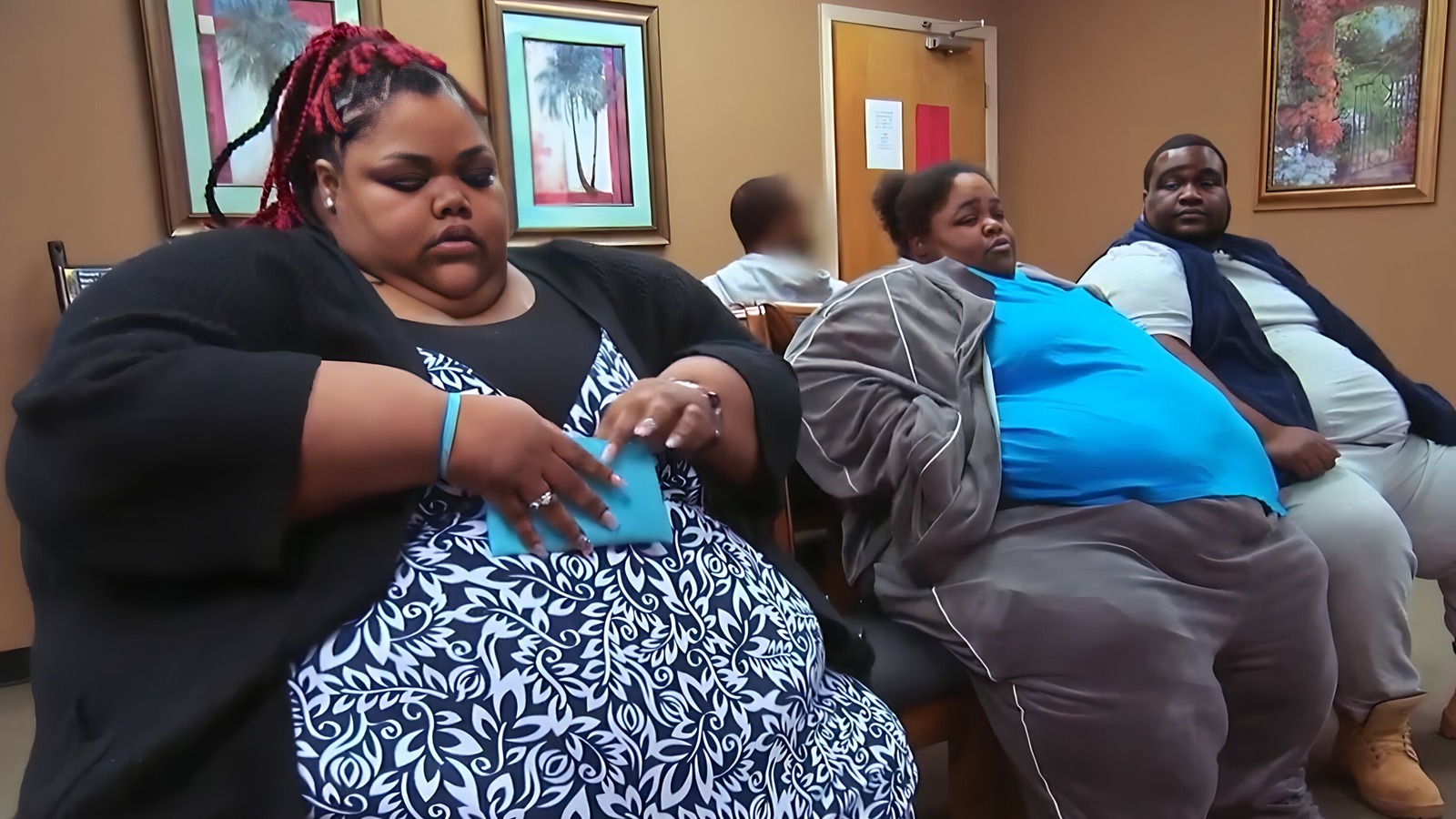
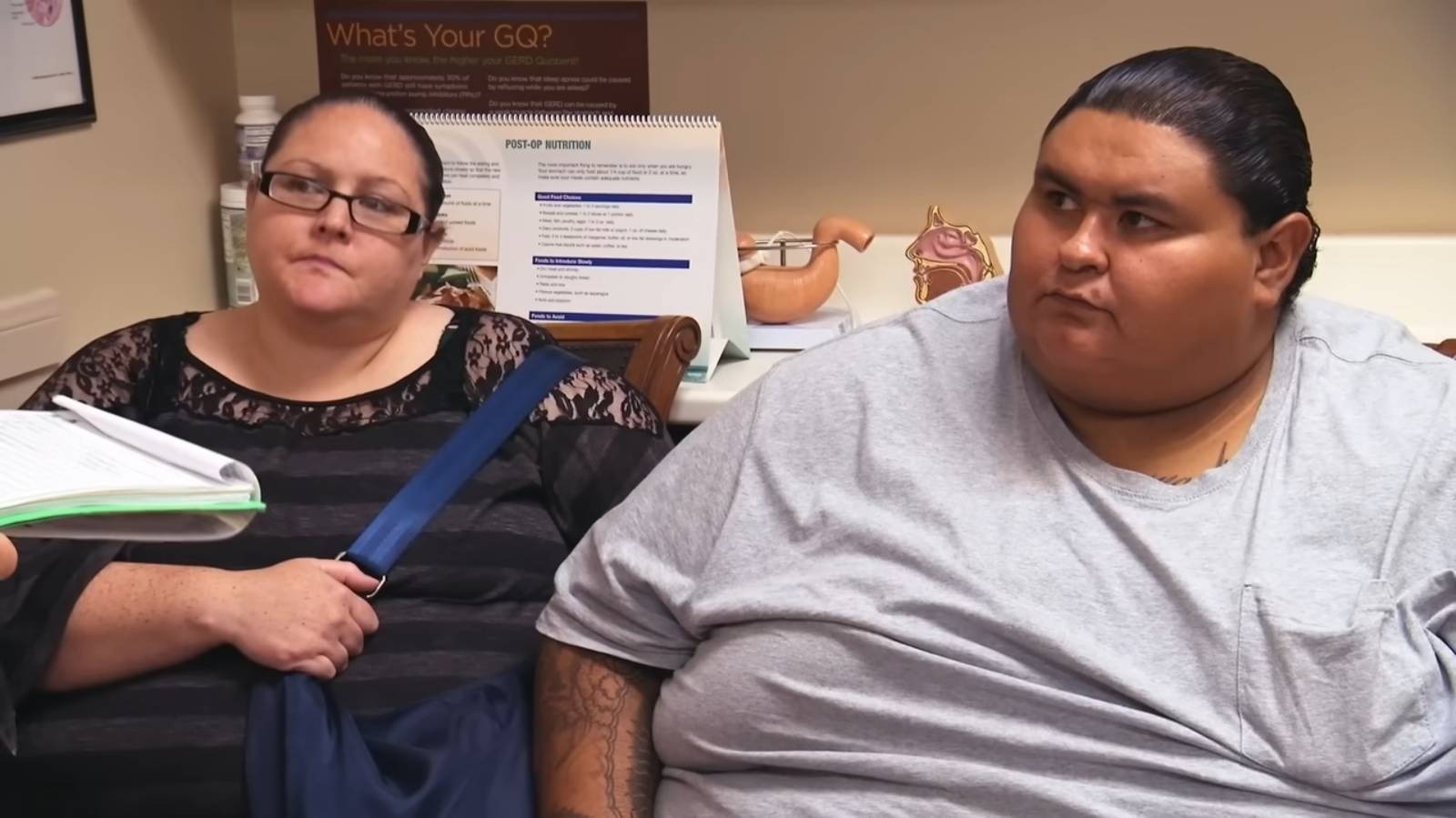
TLC’s hit reality series My 600-lb Life continues to document the high-stakes medical and personal journeys of individuals battling morbid obesity under the care of Houston bariatric surgeon Dr. Younan Nowzaradan. Recent production developments, updated patient care protocols, and behind-the-scenes operational shifts reveal how the show balances dramatic storytelling with strict medical realities.
The Evolution of My 600-lb Life: Production Updates and Season Structure
Since its debut in 2012, My 600-lb Life has evolved from a limited docuseries following four individuals over seven years into a cultural touchstone for TLC and parent company Warner Bros. Discovery. In recent seasons, production company Megalomedia has adjusted its filming format to reflect longer timeline tracking and more rigorous psychological screening.
Unlike standard unscripted television shows that wrap production in weeks, an episode of My 600-lb Life requires between 12 and 24 months of continuous filming. Producers capture the initial intake consultation in Houston, Texas, the mandatory diet trial period, pre-surgery psychological evaluations, bariatric surgery procedures, and post-operative progress.
Recent season updates emphasize a wider geographical reach for casting, though all participants must eventually travel to Houston to seek treatment at Dr. Nowzaradan’s clinic. Production has also expanded digital monitoring tools to track cast members' weight loss progress during long stretches when camera crews are not physically present in their homes.
Behind the Scenes: How the Show Is Cast and Filmed
The journey to appearing on My 600-lb Life begins long before camera crews arrive at a subject's home. Casting calls recruit applicants weighing roughly 600 pounds or more who have exhausted conventional weight loss methods and face life-threatening health complications.
- Applicant Screening
- Medical Intake & Travel
- 1,200-Calorie Diet Trial
- Psych Evaluation
- Surgery Approval
- Post-Op Follow-up
1. Casting and Candidate Eligibility
Applicants must submit detailed medical histories, personal video auditions, and evidence of family support systems. Because bariatric surgery requires permanent lifestyle changes, Dr. Nowzaradan and the production medical team vet candidates to ensure they are physically capable of surviving the journey to Houston and the anesthesia required for surgery.
2. Travel Logistics and Expenses
Transporting a bedbound or highly immobile individual across the country presents extreme logistical challenges. Behind the scenes, production coordinates specialized medical transport, custom vans, or multi-seat commercial airline arrangements. While viewers often see family members driving long distances in standard passenger vehicles, off-camera medical support vehicles frequently follow the cast members to handle emergencies.
3. Compensation and Medical Coverage
A common misconception among viewers is how cast members are compensated for exposing their private lives on national television.
- Appearance Fees: Historically, participants receive a standardized appearance stipend, often reported in media disclosures as approximately $1,500 per episode, alongside a modest relocation allowance (typically around $2,500) if they must move to Houston.
- Medical Bills: The production company covers the cost of Dr. Nowzaradan’s medical care, surgical procedures, and immediate hospital stays featured during the active filming period. However, long-term post-filming medical care and subsequent reconstructive skin surgeries are subject to separate arrangements and insurance coverage.
4. The Vulnerability of Opening Scenes
The show's signature opening sequences—frequently depicting intimate personal hygiene routines—are designed to illustrate the severe daily physical limitations of extreme obesity. Former cast members have reported that these scenes are negotiated beforehand, though they remain among the most widely debated elements of the show's production process.
Dr. Nowzaradan’s Strict Medical Protocol
At the heart of the series is Dr. Younan Nowzaradan ("Dr. Now"), whose uncompromising bedside manner has become the program's signature element. His treatment regimen relies on strict rules designed to reduce surgical risk prior to operating.
- Initial Consultation
- 1,200-Calorie High-Protein Diet
- Target Met
- Psych Assessment
- Bariatric Surgery
- Target Missed
- Contract Warning / Delay
- Re-evaluation
- Target Met
The 1,200-Calorie Diet Plan
Before Dr. Nowzaradan considers operating, patients must demonstrate discipline by adhering to a customized diet plan. Key tenets include:
- Caloric Ceiling: Exactly 1,200 calories per day, divided into two or three controlled meals.
- Macronutrient Balance: High protein, low carbohydrate, and zero refined sugar.
- Elimination of Snacks: No snacking between meals to break psychological reliance on continuous eating.
- Elimination of Sugary Liquids: Strict prohibition of sodas, juices, and sweetened beverages.
The primary purpose of this pre-surgery weight loss target (often 30 to 50 pounds in a one-to-two-month window) is to shrink the patient's fatty liver, reducing the risk of surgical complications during laparoscopic procedures.
Mandatory Psychological Evaluations
Morbid obesity is rarely a purely physical issue. Dr. Nowzaradan mandates that cast members meet with licensed therapists to process trauma, binge-eating disorders, and dysfunctional family dynamics. In recent seasons, mental health support has been introduced earlier in the patient’s timeline rather than reserved solely for post-surgery recovery.
Comparing On-Screen Narrative vs. Production Reality
Understanding My 600-lb Life requires distinguishing between edited television storytelling and operational production protocols:
| Feature / Aspect | On-Screen Narrative | Production & Medical Reality |
|---|---|---|
| Filming Duration | Presented as a seamless 60-to-85-minute narrative. | Filmed over 12 to 24 consecutive months per participant. |
| Financial Support | Focuses on personal financial struggles and relocation stress. | Production provides appearance stipends, relocation allowances, and covers filming-related medical care. |
| Dietary Compliance | Framed as a personal test of willpower against food addiction. | Monitored via weight check-ins, clinic weigh-ins, and medical oversight. |
| Therapy Sessions | Depicted as dramatic single-episode breakthroughs. | Involves ongoing, multi-month therapeutic interventions off-camera. |
| Surgery Authorization | Granted during dramatic office visits with Dr. Now. | Requires strict clearing of cardiac, pulmonary, and psychological risk benchmarks. |
Legal Controversies and Protocol Shifts
The production of My 600-lb Life has not been without legal friction. Over the years, several former cast members and their families filed civil lawsuits against production company Megalomedia.
Key Legal Claims and Outcomes
- Negligence and Duty of Care: Lawsuits filed by cast members or their estates alleged that producers prioritized dramatic tension over mental health monitoring, failing to provide adequate psychological support during periods of extreme stress.
- Financial Misrepresentation: Plaintiffs claimed that production promised to cover all medical expenses but left participants with unpaid hospital bills for non-surgical complications.
- Production Response: Megalomedia consistently denied wrongdoing, asserting that treatments were directed independently by qualified medical professionals and that all contract terms were fully honored. Courts subsequently dismissed or settled many of these claims.
Lasting Impact on Recent Seasons
These legal battles fundamentally reshaped how recent seasons are produced. TLC and Megalomedia instituted stricter safeguards behind the scenes:
- Upfront Psychological Screening: Candidates undergo more extensive psychiatric evaluations prior to contract signing.
- On-Call Mental Health Support: Independent therapists remain accessible to participants throughout the filming cycle, not just during scheduled taping windows.
- Structured Aftercare Protocols: Clearer contractual definitions outline which medical procedures are sponsored by production versus those requiring private insurance or Medicare/Medicaid.
What Happens After Surgery: Success Rates and Skin Removal
Bariatric surgery—whether a sleeve gastrectomy or a Roux-en-Y gastric bypass—is merely a tool, not a permanent cure. Long-term success on My 600-lb Life depends on sustained lifestyle adaptation.
- Weight Loss Target Met
- Laparoscopic Surgery
- Long-Term Weight Stabilization
- Skin Removal Assessment
Long-Term Outcomes
Participants who successfully adhere to Dr. Nowzaradan’s program can lose 200 to 400 pounds over a two-year period. However, recidivism remains a challenge. Binge-eating triggers, unresolved emotional trauma, and lack of family support can lead to weight regain, which is frequently documented in the follow-up spin-off series, My 600-lb Life: Where Are They Now?
Reconstructive Skin Surgery Requirements
After massive weight loss, patients are left with extensive excess skin that causes physical discomfort, mobility obstruction, and skin infections. Dr. Nowzaradan only approves patients for excess skin removal surgery when they meet strict stability criteria:
- Maintenance of a target weight for at least six consecutive months.
- Full adherence to nutritional guidelines to ensure proper wound healing.
- Clearance from a cardiologist and pulmonologist confirming safety for prolonged plastic surgery procedures.
Tracking Verified Updates and Broadcast Information
Fans seeking accurate, non-sensationalized updates on upcoming seasons and past cast members should follow official distribution channels and verified medical sources rather than unverified social media rumors.
- Official Airings and Streaming: New episodes of My 600-lb Life air on the linear TLC network and stream simultaneously on Discovery+ and Max (formerly HBO Max).
- Dr. Nowzaradan's Verified Channels: Dr. Nowzaradan maintains an active presence on Instagram and publishes medical books outlining his bariatric philosophy, including The Scale Does Not Lie, People Do.
- Cast Follow-Ups: Legitimate cast updates are documented through TLC’s official announcements and the structured Where Are They Now? spin-off episodes, which track long-term health outcomes beyond the initial filming window.
How to Evaluate Cast Update News
- Verify the Source: Prioritize reporting directly from TLC, Warner Bros. Discovery press releases, or confirmed social media accounts of the cast members.
- Check the Timeline: Remember that episodes broadcast today reflect events filmed 12 to 24 months in the past.
- Respect Personal Privacy: Cast members remain private citizens after their contract windows close; medical updates shared outside official updates should be treated with discretion.
Frequently Asked Questions
How long does it take to film a single episode of My 600-lb Life?
Filming a single episode typically takes between 12 and 24 months. Production tracks the participant from their initial consultation through diet trials, surgical procedures, and post-operative recovery to capture a complete weight loss trajectory.
Does production pay for all medical costs incurred by cast members?
Megalomedia covers the direct costs of Dr. Nowzaradan’s consultations, clinic visits, and the primary bariatric surgery performed during the active filming window. However, non-related emergency room visits, long-term post-op care, and subsequent skin removal surgeries are subject to individual health insurance or separate agreements.
What are Dr. Nowzaradan's primary requirements for granting surgery?
To receive surgical approval, participants must demonstrate compliance by sticking to a 1,200-calorie high-protein, low-carb diet, meeting a specific weight-loss goal (usually 30–50 pounds per month), attending mandatory psychological therapy sessions, and moving to Houston for close medical observation.
Are participants forced to film the personal shower scenes?
Shower and hygiene scenes are negotiated as part of the participant's filming agreement to illustrate the daily physical challenges of living with severe obesity. While producers strongly encourage these scenes to establish the reality of the subject's condition, participants discuss filming boundaries with the crew beforehand.
How much are cast members paid to appear on My 600-lb Life?
While exact contract terms are confidential, historical court filings and industry reports indicate that participants receive a standard appearance fee of approximately $1,500 per episode, along with a modest relocation stipend of around $2,500 if they move to Houston for treatment.
Can patients choose a different bariatric surgeon on the show?
No. The show’s medical care is anchored exclusively by Dr. Younan Nowzaradan and his practice in Houston, Texas. Patients who decide not to follow Dr. Nowzaradan’s program or choose another doctor leave the show's medical track.