Taylor Swift’s high-profile 60 Minutes profile—most notably her landmark 2011 interview conducted by CBS News correspondent Lesley Stahl—offered an unprecedented look into her songwriting process, business acumen, and relationship with her fanbase. The interview remains a pivotal historical snapshot of Swift transitioning from country prodigy to global pop powerhouse.
Background and Context of the 60 Minutes Profile
When CBS News broadcast its dedicated profile of Taylor Swift on November 20, 2011, the feature marked a major turning point in how mainstream broadcast journalism treated young musical artists. At just 21 years old, Swift had already accomplished what few musicians achieve in a lifetime: winning Album of the Year at the 52nd Annual Grammy Awards for Fearless (2008) and releasing her third multi-platinum studio album, Speak Now (2010).
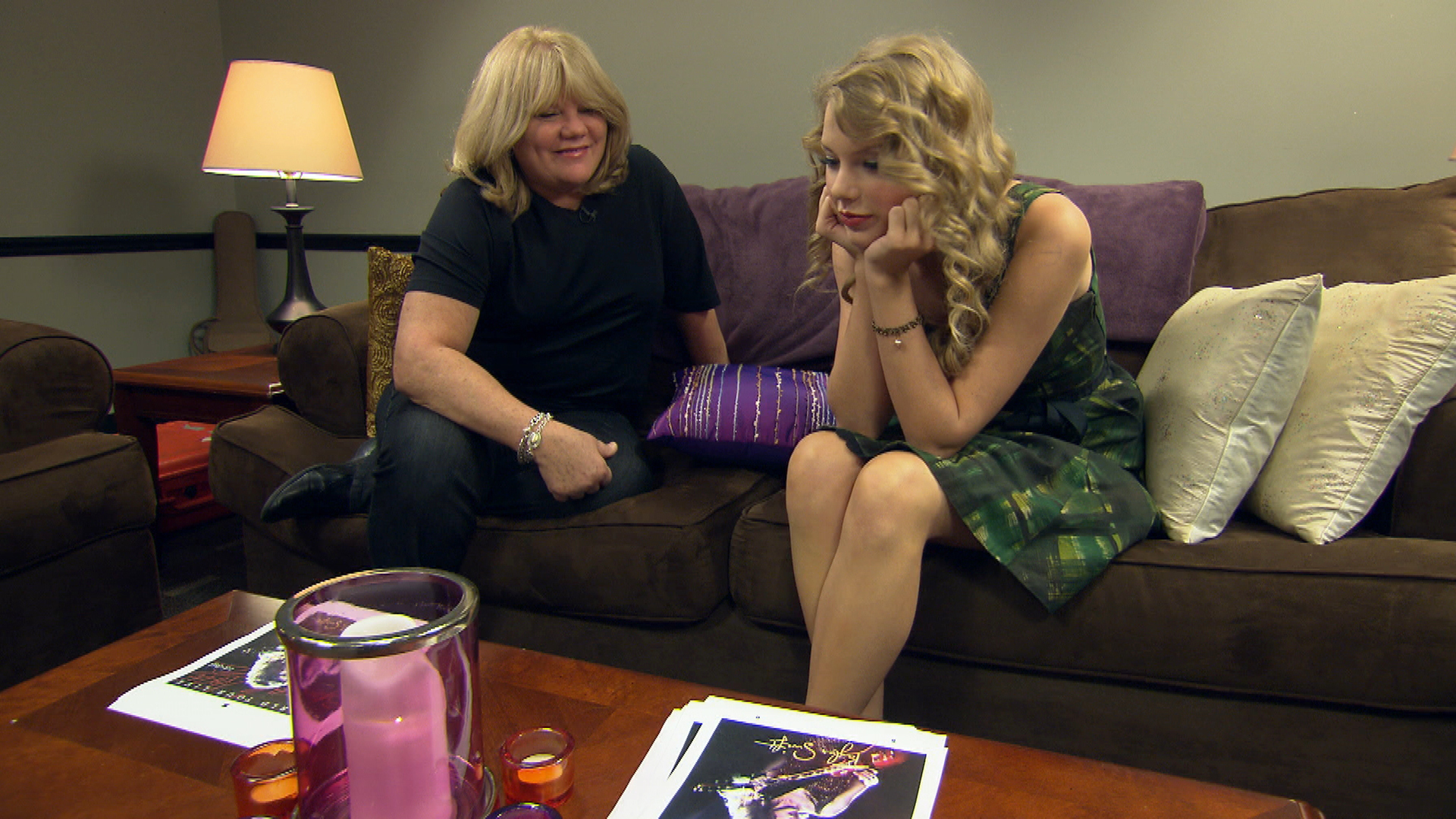
Securing a full-length feature on 60 Minutes—a newsmagazine traditionally reserved for world leaders, titans of industry, and veteran cultural figures—signaled that the news establishment recognized Swift as a formidable creative and economic force. Legendary journalist Lesley Stahl spent months with Swift and her team, trailing the artist across concert venues, behind-the-scenes rehearsals, and her private residence in Nashville.
The timing of the broadcast was critical. Swift was in the middle of her massive Speak Now World Tour, performing to sold-out arenas across the globe. At the same time, she faced intense media scrutiny regarding her personal life, her vocal capabilities, and the true extent of her songwriting autonomy. The resulting segment delivered a candid, unfiltered assessment of an artist on the verge of total global dominance.
Key Themes and Revelations from the Interview
The 60 Minutes exclusive stood out because it avoided superficial celebrity gossip, focusing instead on the mechanics of Swift’s career, her creative philosophy, and her understanding of her audience. Several core themes emerged during the broadcast that defined how the public and the media viewed her trajectory.
Songwriting Autonomy and Proof of Ownership
One of the central motives behind Swift’s third album, Speak Now, was a desire to prove her independence. Following the massive success of Fearless, critics questioned whether her co-writers were primarily responsible for her narrative lyrics and memorable hooks. In response, Swift wrote every single track on Speak Now entirely on her own.
During the interview, Lesley Stahl highlighted this self-reliance. Swift explained her emotional and technical process of writing songs late at night on her acoustic guitar or piano. She shared how songwriting served as a personal diary and self-preservation tool, capturing real-life heartbreak, frustration, and triumph in real time. By detailing her creative process on national television, Swift firmly established herself as an auteur in an industry often skeptical of young female songwriters.
The Weight of Being a Role Model
In 2011, Swift’s primary demographic consisted of teenagers and young adults. Stahl pressed Swift on the responsibility of being perceived as a wholesome role model for millions of young fans. Swift’s response was remarkably deliberate and self-aware.
Rather than dismissing the role-model label as a burden, Swift acknowledged that she thought about her influence constantly. She discussed the pressure of making decisions under a media microscope, stating that while she did not claim to be perfect, she felt a profound duty to avoid misleading the young audience that supported her. This candid acceptance of public responsibility contrasted sharply with many of her contemporary pop peers, who frequently rejected the role-model expectation.
Business Acumen and Industry Leadership
The profile also featured commentary from Scott Borchetta, then-head of Big Machine Records, who spoke about signing Swift when she was just 14 years old. However, the footage made it clear that Swift herself was the central driver of her brand and business decisions.
Stahl examined Swift's involvement in stage design, merch oversight, fan engagement, and setlist creation. The segment painted a picture of a young executive who understood the mechanics of the music industry just as well as senior record executives. This early demonstration of commercial awareness laid the groundwork for her later high-stakes business moves, including her public battles over master ownership and her record-breaking stadium tour structures.
Fan Loyalty and Pre-Digital Engagement
Long before modern fan-engagement strategies dominated social media marketing, Swift was pioneering direct connections with her audience. The 60 Minutes camera crew captured Swift spending hours after her three-hour concerts greeting fans at free meet-and-greets (notably the T-Party room during the Speak Now era).
Swift explained to Stahl that treating her fanbase as personal friends was not a calculated PR strategy, but an authentic response to their loyalty. She recognized early on that listeners identified with her music because her personal experiences mirrored their own. This mutual emotional investment established a foundation of fan loyalty that would sustain her career across genre transitions.
Career Evolution: Then vs. Now
To understand the historical impact of the 2011 60 Minutes profile, it is helpful to compare Swift’s artistic and commercial standing during that broadcast with her current position in the music landscape.
| Metric / Dimension | 2011 (60 Minutes Interview Era) | Contemporary Profile (Eras Tour Era) |
|---|---|---|
| Primary Music Genre | Country-Pop / Singer-Songwriter | Global Pop / Alternative / Folk / Indie-Rock |
| Active Album Era | Speak Now (2010) | The Eras Tour & Re-Recordings (Taylor’s Version) |
| Grammy Wins (at time) | 4 Grammy Awards (including Album of the Year for Fearless) | 14 Grammy Awards (including 4 Album of the Year wins) |
| Touring Scale | Arena & Select Stadium Tour (Speak Now World Tour) | Historic All-Stadium Global Tour (The Eras Tour) |
| Media Approach | High-profile broadcast sit-downs (60 Minutes, late-night TV) | Selective media presence, direct fan communications, documentary films |
| Catalog Control | Signed to Big Machine Records; non-owner of master recordings | Owner of original masters (Lover onward) & re-recordings |
How to Access and Watch the Archival Interview
Finding full archival episodes of broadcast television can present technical and licensing challenges. Fans, music researchers, and media historians looking to view or read the original 60 Minutes profile have several official avenues available:
- Paramount+ Streaming Archive: As CBS is a division of Paramount Global, selected historical segments and full episodes of 60 Minutes are available in the news vault on Paramount+. Subscribers can search for the November 20, 2011 episode.
- CBS News Official Website and YouTube: CBS News periodically re-posts legacy interviews on its official website and YouTube channel. Clips covering Swift’s songwriting session at her piano and her backstage tour preparations are frequently excerpted in anniversary retrospectives.
- CBS News Transcripts: Written transcripts of 60 Minutes broadcasts are archived in university databases, public library systems (such as NexisUni and EBSCOhost), and online news repositories for research purposes.
- Broadcast Archives and Libraries: Academic institutions with broadcast journalism archives, such as the Paley Center for Media in New York and Los Angeles, maintain physical and digital holdings of notable news broadcasts, including Swift's 2011 profile.
The Evolution of Swift's Media Strategy
The 2011 60 Minutes profile represents a bygone era of celebrity journalism. During the first decade of her career, Swift regularly sat down with traditional television journalists, including Barbara Walters, Oprah Winfrey, and David Letterman. These interviews served as the primary bridge between her personal life and the general public.
Over time, however, Swift systematically reshaped her relationship with mainstream press. Following intense tabloid intrusion between 2014 and 2016, she backed away from traditional broadcast sit-downs, shifting toward self-curated media projects.
Instead of relying on network news anchors to frame her narrative, Swift turned to long-form documentary projects such as Miss Americana (2020) and Folklore: The Long Pond Studio Sessions (2020). These self-produced films allowed her to address complex subjects—such as political advocacy, eating disorders, creative struggles, and corporate ownership—on her own terms, without the editing or editorial spin of external news organizations.
Looking back at the 60 Minutes interview provides a striking reminder of how openly Swift communicated with traditional journalists early in her career, offering a benchmark against which her modern, tightly controlled media architecture can be measured.
Frequently Asked Questions
Who interviewed Taylor Swift during her major 60 Minutes profile?
Veteran CBS News correspondent Lesley Stahl conducted the main 60 Minutes interview with Taylor Swift, which aired on November 20, 2011.
What album was Taylor Swift promoting during the 2011 interview?
Swift was actively touring and promoting her third studio album, Speak Now (released in October 2010), which she wrote entirely without co-writers.
Why was the 60 Minutes interview considered a major career milestone?
A feature on 60 Minutes is traditionally reserved for major political leaders and cultural icons. Receiving a full profile at age 21 affirmed Swift’s position as a serious artistic and commercial leader in the global music industry.
Did the interview address her songwriting process?
Yes. A significant portion of the segment focused on Swift sitting at her piano and holding her acoustic guitar, demonstrating how she writes lyrics and melodies independently in response to personal life events.
Where can I read or watch the 60 Minutes interview today?
Selected video clips and archival segments are available through official CBS News digital channels and Paramount+. Full text transcripts are available through academic news databases such as NexisUni.
Retrospective Guidance for Media Historians and Fans
When studying archival interviews like Taylor Swift’s 60 Minutes profile, context is essential. Viewers analyzing this broadcast today should keep three practical considerations in mind:
- Evaluate the Era's Narrative: Recognize that in 2011, the media conversation surrounding Swift was focused heavily on verifying whether a young female artist possessed true creative independence. The interview directly reflects the industry bias of that era.
- Observe the Business Foreshadowing: Pay close attention to the discussions regarding record label control and fan engagement. The themes Swift discussed with Lesley Stahl in 2011 directly presaged her modern business decisions regarding master ownership and direct-to-consumer concert films.
- Compare Primary Sources: To gain a complete understanding of Swift's narrative evolution, compare the 2011 60 Minutes sit-down with her later feature-length documentaries (Miss Americana), noting how her voice, boundary-setting, and public goals developed over fifteen years of global stardom.