A 6'8", 300-pound physique represents an extraordinary biological profile that requires specialized strength programming, metabolic nutrition, and cardiovascular management. Balancing massive size and strength with long-term joint health demands modified lifting levers, tailored caloric intake, aggressive joint preservation protocols, and regular aerobic conditioning to protect cardiac function and systemic longevity.
Understanding the Biomechanics of a 6'8" Physique
Carrying 300 pounds on a 6'8" frame introduces distinct biomechanical advantages and liabilities. While an expanded skeletal frame allows for higher absolute muscle mass potential, longer limbs drastically alter joint torque, moment arms, and range of motion during resistance training.
- Longer Limb Levers (Femurs/Humeri)
- Increased Moment Arms
- Heightened Joint & Spinal Shear Stress
The Leverage Dilemma
In physics and exercise mechanics, work is defined as force multiplied by distance ($W = F \times d$). A lifter with long femurs and humeri must move a barbell across a significantly longer distance than a shorter lifter.
- Enhanced Torque: Long levers create extended moment arms around the knee, hip, shoulder, and elbow joints. At 6'8", performing a standard squat or bench press places substantially higher mechanical torque on the surrounding connective tissues and spinal vertebrae for any given load.
- Increased Lumbar Shear Stress: Due to long torso dimensions, tall lifters experience greater forward incline during back squats, increasing shear forces on the L4–L5 and L5–S1 lumbar discs.
- Tissue Stress: Carrying a baseline body mass of 300 pounds subjects knee cartilage, intervertebral discs, and plantar fascia to elevated compressive loads during daily ambulation, requiring diligent movement quality and warm-up protocols.
Understanding these structural mechanics is the foundation of long-term health. Rather than forcing a 6'8" frame into standardized movement patterns designed for average-height lifters, training must be customized to fit the individual's skeletal geometry.
Resistance Training Programming for Extreme Height and Mass
Training a tall, heavy athlete requires optimizing force production while minimizing structural degradation. Volume, exercise selection, and movement execution must account for the high metabolic and central nervous system (CNS) demands of moving heavy weight over extended distances.
| Traditional Movement | Adapted Movement (6'8" Frame) |
|---|---|
| Barbell Back Squat | Safety Bar / Belt / Front Sq |
| Conventional Deadlift | Trap Bar (High Handles) / Block |
| Full Barbell Bench | Neutral-Grip / Board Press |
Exercise Selection Adjustments
1. Squat Variations
Standard barbell back squats often force 6'8" lifters into extreme forward trunk lean, overloading the erector spinae and sacrificing quad engagement.
- Safety Bar Squats (SSB): The cambered design of a safety squat bar shifts the center of mass forward, allowing the lifter to maintain an upright torso and reduce lumbar shear.
- Belt Squats: By loading the hips directly, belt squats eliminate spinal compression while delivering targeted lower-body hypertrophy.
- Front Squats & Elevated-Heel Squats: Elevating the heels via weightlifting shoes or wedges reduces the ankle dorsiflexion requirement, enabling deeper hip flexion without posterior pelvic tilt ("butt wink").
2. Hinge Variations
Conventional deadlifts from the floor require a 6'8" lifter to bend deeply into acute hip and knee angles, often resulting in rounded-back pulling.
- Trap Bar (Hex Bar) Deadlifts: Using the raised handles on a trap bar elevates the starting position by several inches and aligns the center of mass with the neutral grip, dramatically reducing spine torque.
- Block or Rack Pulls: Setting the barbell on 2- to 4-inch blocks mimics the relative starting knee angle of a 5'10" lifter pulling from the floor.
3. Upper-Body Pressing
Deep barbell bench pressing forces the humerus into deep extension and internal rotation at the bottom of the movement, risking shoulder impingement and pectoral tears.
- Board Presses & Floor Presses: Limiting the range of motion by 1 to 2 inches protects the glenohumeral joint while allowing maximum mechanical load on the triceps and chest.
- Neutral-Grip Dumbbell Pressing: Swiss bars or heavy dumbbells permit a neutral palm orientation, creating optimal clearance in the subacromial space.
Managing Fatigue and Work Capacity
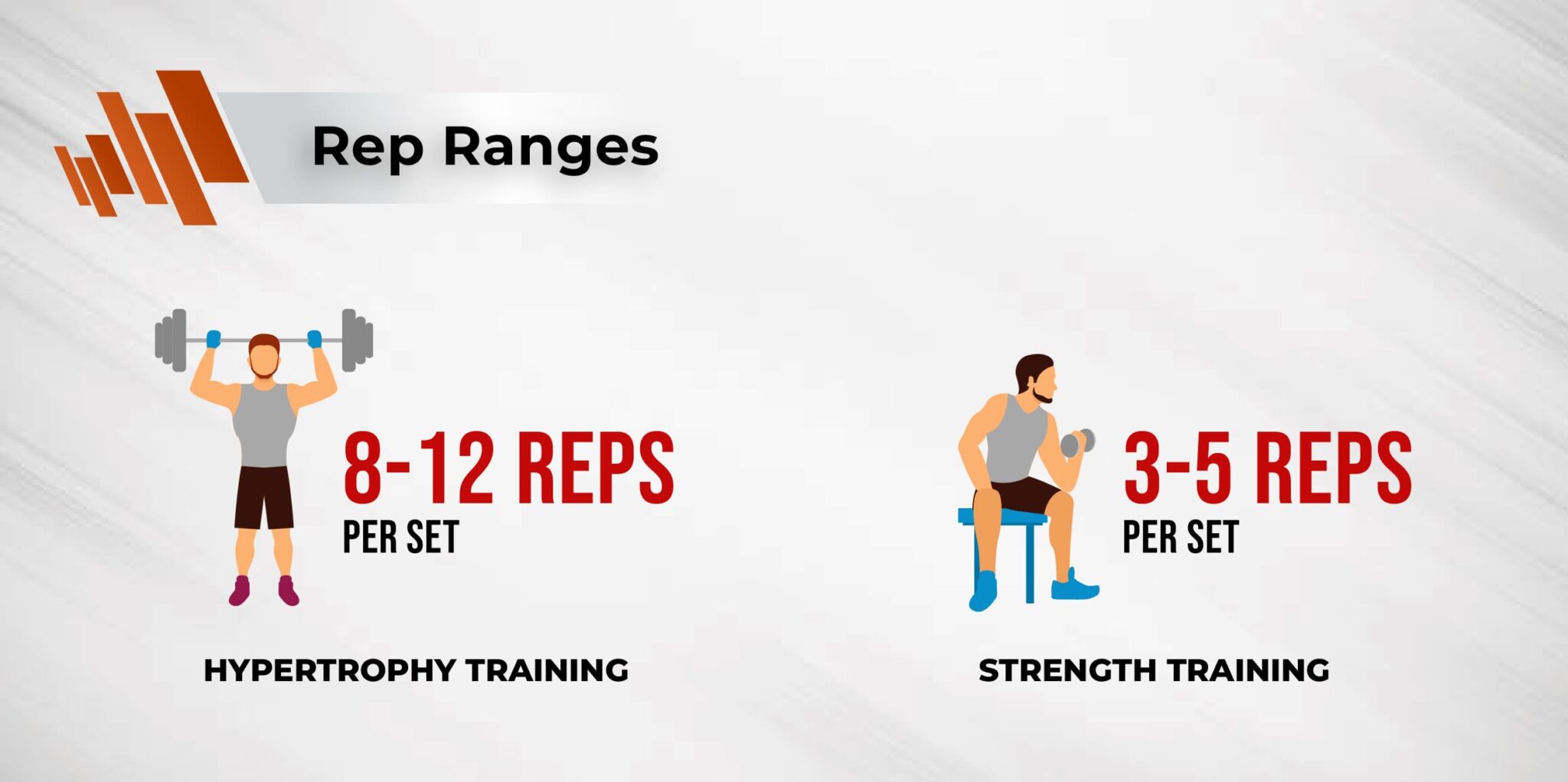
Moving 300 pounds across long limb lengths consumes immense metabolic energy. Tall athletes accumulate higher peripheral and CNS fatigue per rep than shorter lifters. Hypertrophy protocols should emphasize high mechanical tension with moderate rep ranges (5–8 reps for compound movements; 8–12 for isolations) rather than high-volume, high-rep sets that cause metabolic breakdown and form decay.
Nutrition and Metabolic Demands for Maintaining 300 Pounds
Fueling a 6'8", 300-pound frame requires precise macronutrient management. Under-eating leads to rapid strength loss and systemic fatigue, while over-eating poor-quality food rapidly accelerates cardiovascular risk and visceral fat accumulation.
Calculating Daily Energy Expenditure
At 6'8" and 300 pounds, basal metabolic rate (BMR)—the energy required simply to stay alive—typically ranges between 2,400 and 2,700 calories per day. When adding resistance training and daily locomotion, total daily energy expenditure (TDEE) often reaches 3,800 to 5,500 calories per day depending on activity levels and body composition.
Research made available by the National Institutes of Health (NIH) emphasizes that mass maintenance and hyper-metabolic demands require structured macronutrient partitioning to prevent insulin resistance and metabolic dysfunction.
| Daily Macronutrient Distribution (300 lb Athlete) |
|---|
| PROTEIN: 240g – 300g (1.0g per lb target lean/total body) |
| CARBS: 400g – 650g (Sustains heavy mechanical work) |
| FATS: 90g – 140g (Supports hormone synthesis) |
Protein, Carbohydrates, and Hydration Needs
- Protein Intake: Target 0.8 to 1.0 grams of protein per pound of total body weight (240–300g daily) distributed across 4 to 6 discrete meals. Prioritize leucine-rich sources such as lean beef, poultry, wild-caught fish, eggs, and high-quality whey isolate to optimize muscle protein synthesis.
- Carbohydrates: Carbohydrates fuel glycogen stores needed to move heavy weights over long ranges of motion. Focus on complex sources like oats, rice, sweet potatoes, and quinoa, timing the majority of intake around workout windows.
- Hydration & Electrolytes: Larger body surface area and muscle volume mean elevated fluid turn-over and higher sweat rates. A 300-pound individual requires a baseline fluid intake of 1.2 to 1.5 gallons (4.5 to 6 liters) of water daily, supplemented with sodium, potassium, and magnesium to maintain intracellular fluid balance and prevent neuromuscular cramping.
Protecting Cardiovascular Health and Blood Pressure
Carrying 300 pounds—even when composed predominantly of muscle mass—places significant physical demands on the cardiovascular system. The heart must generate higher stroke volume and pressure to drive oxygenated blood through a massive circulatory network.
Managing Cardiac Load and Systemic Resistance
High body mass raises peripheral vascular resistance. Left ventricular hypertrophy (LVH) can occur not only from unmanaged hypertension but also from intense isometric straining during heavy weightlifting.
- Regular Blood Pressure Monitoring: Maintain blood pressure below 120/80 mmHg. Prolonged resting readings above 130/80 mmHg require immediate dietary, lifestyle, or medical intervention.
- Zone 2 Aerobic Base Work: Perform 3 to 4 sessions per week of low-intensity, steady-state (Zone 2) cardiovascular training for 30–45 minutes. Options like incline treadmill walking, rowing, or stationary cycling increase cardiac output without putting excess stress on lower-body joints.
- Cardiorespiratory Fitness (CRF): According to cardiac guidelines from the American Heart Association (AHA), developing a high aerobic foundation protects against vascular stiffness and enhances post-exercise autonomic recovery.
Sleep Apnea Risk and Respiratory Health
Extremely large individuals, particularly those with neck circumferences exceeding 17.5 to 18 inches, face a elevated risk of obstructive sleep apnea (OSA). Thickened soft tissue in the upper airway can collapse during sleep, triggering intermittent hypoxia, elevated nocturnal blood pressure, and severe chronic fatigue.
Key Health Check: If you experience daytime sleepiness, heavy morning headaches, or loud snoring, undergo a formal sleep study (polysomnography). Utilizing a continuous positive airway pressure (CPAP) machine when indicated dramatically reduces nocturnal cardiovascular strain, normalizes testosterone production, and enhances metabolic function.
Joint Care, Mobility, and Longevity Strategies
To maintain long-term physical health at 6'8" and 300 pounds, training regimens must place an equal emphasis on tissue health, joint mobility, and movement mechanics alongside raw power output.
Mobility Priorities for Tall Lifters:
- Ankle Mobility (Restores squat depth)
- Hip Flexion (Prevents lumbar flex)
- Thoracic Extension (Protects shoulders/neck)
Targeted Mobility Requirements
- Ankle Dorsiflexion: Limited ankle mobility forces the knees to collapse inward (valgus stress) or causes early heel elevation during squats. Incorporate daily calf foam rolling and loaded ankle stretch protocols.
- Hip Internal and External Rotation: Tight hip capsules restrict squat and hinge depth, transferring movement demand directly to the lumbar spine. Dynamic hip opener drills and seated 90/90 mobility work help maintain clean joint mechanics.
- Thoracic Spine Extension: Long torsos often develop a kyphotic (hunchback) posture from working at standard-height desks or counters. Foam roller extension work and Y-T-W shoulder raises help maintain thoracic extension, protecting the rotator cuff and neck.
Connective Tissue Adaptation
Tendons and ligaments adapt to physical stress at a much slower rate than skeletal muscle due to limited blood supply.
When loading a massive frame, prioritize longer eccentric phases (3–4 seconds lowering) and isometric holds during light-to-moderate training cycles. This builds collagen density in the patellar tendons, Achilles tendons, and biceps tendons, preventing acute strains and chronic tendinopathy.
Standard Training & Health Benchmarks for a 6'8", 300 lb Athlete
The following structured matrix outlines key operational parameters, exercise adaptations, and health targets tailored to different performance goals for a 6'8", 300-pound athlete.
| Performance Vector | Hypertrophy & Size Profile | Maximal Strength Focus | Health & Longevity Focus |
|---|---|---|---|
| Primary Squat Pattern | Safety Bar Squat / Heel-Elevated Goblet | Low-Bar or Safety Bar Squat to Parallel | Belt Squat or Leg Press (Joint-Friendly) |
| Primary Hinge Pattern | Romanian Deadlift / Trap Bar (High Handles) | Conventional or Block Pull (2-4" Elevation) | Kettlebell Hinge / Single-Leg RDL |
| Upper Pressing Selection | Incline Dumbbell Press / Neutral-Grip | Board Press / Swiss Bar Bench Press | Floor Press / Push-up Variations |
| Daily Protein Target | 260g – 300g (1.0g/lb) | 270g – 300g (1.0g/lb) | 210g – 240g (0.7–0.8g/lb) |
| Target Daily Calories | 4,200 – 5,000+ kcal | 4,500 – 5,500+ kcal | 3,400 – 4,000 kcal |
| Cardio Protocol | 3x 20-min Zone 2 (Incline Walk) | 2x 20-min Low-Impact Cardiac Work | 4x 40-min Zone 2 Cardio (Bike/Rower) |
| Core Health Metric | Blood Pressure < 125/80 mmHg | Resting Heart Rate < 65 bpm | BP < 120/80; ApoB & HbA1c Optimized |
Frequently Asked Questions
How many calories does a 6'8" 300-pound person need per day?
A 6'8", 300-pound individual typically requires between 3,400 and 4,000 calories per day simply to maintain body weight at a baseline activity level. For active lifters, powerlifters, or field-sport athletes training 4 to 6 days a week, daily energy needs often reach 4,500 to 5,500 calories. Energy requirements should be calculated using activity multipliers based on lean tissue mass and adjusted according to changes in body composition over time.
Is a 300-pound weight safe at 6 foot 8 inches tall?
A weight of 300 pounds at 6'8" yields a Body Mass Index (BMI) of approximately 33.0. While standard BMI formulas misclassify heavily muscled athletes as obese, carrying 300 pounds of total mass still places significant demand on the heart, blood vessels, and lower-body joints. Provided body fat is kept within a healthy range (roughly 12% to 18%), blood pressure is normal, and cardiorespiratory health is proactively maintained through aerobic conditioning, a 300-pound frame can be maintained safely.
Why are conventional barbell back squats difficult for tall lifters?
Conventional back squats are mechanically challenging for tall individuals due to extended femur lengths relative to torso length. Long femurs push the hips further back, forcing the upper body to lean forward to keep the barbell centered over the midfoot. This forward incline increases shear forces on the lumbar spine and reduces quad isolation. Utilizing heel elevation, safety squat bars, or belt squats adjusts these leverages to allow a more upright, back-friendly torso angle.
What is the best deadlift stance for a 6'8" lifter?
The trap bar (hex bar) deadlift with elevated handles is generally the safest and most effective pulling variation for a 6'8" frame. It allows the lifter to position their center of gravity inside the weight load rather than behind it, reducing spinal stress. For those competing in conventional or sumo powerlifting, utilizing block pulls (elevating the plates 2 to 4 inches) helps accommodate longer limb lengths while training optimal hip hinge mechanics.
How can a 300-pound athlete prevent sleep apnea and high blood pressure?
Preventing sleep apnea and hypertension requires regular cardiovascular conditioning, body composition management, and medical monitoring. Performing 120 to 150 minutes of weekly Zone 2 aerobic exercise improves arterial compliance and cardiac function. Avoiding excessive visceral fat storage, limiting dietary sodium to recommended guidelines, monitoring nocturnal breathing patterns, and using a CPAP machine if sleep apnea is diagnosed help maintain stable blood pressure and cardiovascular health.
Strategic Action Plan for Long-Term Size, Strength, and Health
To successfully build and maintain a high-performing 6'8", 300-pound physique without compromising long-term wellness, implement the following practical framework:
Biomechanical Preservation
- Use modified levers
- Prioritize SSB & Trap Bar variations
Metabolic Fulfillment
- Consume 1.0g/lb protein
- Match TDEE needs
- Maintain hydration
Cardiovascular Vigilance
- 120+ min Zone 2 weekly
- Monitor BP monthly
- Screen for sleep apnea
Audit Movement Levers: Transition away from traditional movement patterns that cause joint pain or excessive low-back strain. Standardize your training around trap bar deadlifts, safety bar squats, and neutral-grip upper-body presses.
Establish Baseline Health Metrics: Schedule a comprehensive blood panel to evaluate lipid profiles, fasting glucose, HbA1c, and inflammatory markers. Check resting blood pressure weekly under standardized conditions.
Lock In Daily Nutrition: Calculate your TDEE and set a clear protein target (240g–300g daily). Consume whole-food nutrient sources to keep systemic inflammation low and support metabolic recovery.
Prioritize Aerobic Conditioning: Dedicate 3 to 4 training blocks per week to dedicated Zone 2 cardio. Treat cardiovascular fitness with the same importance as heavy strength goals to protect cardiac health and maintain tissue recovery.