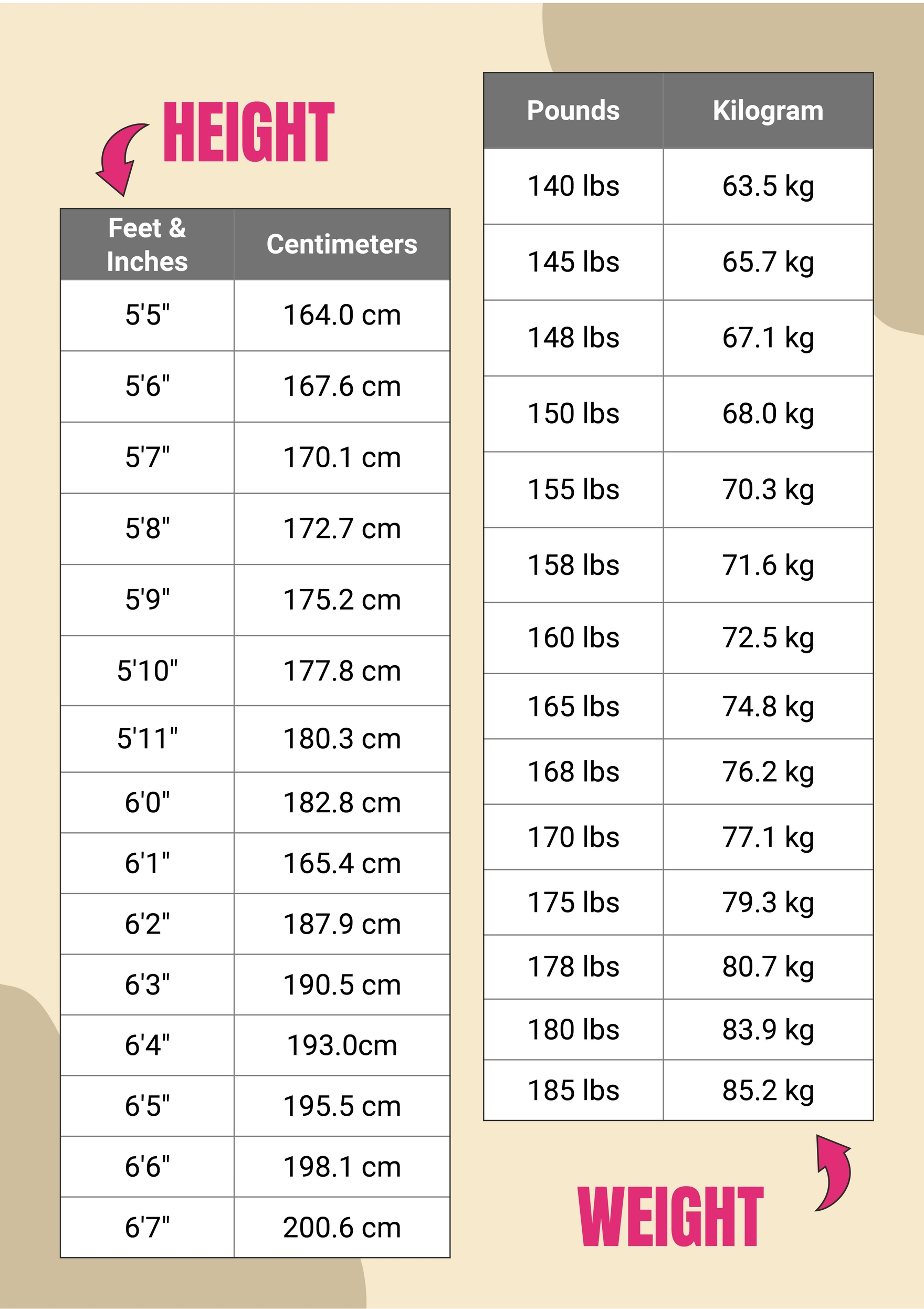
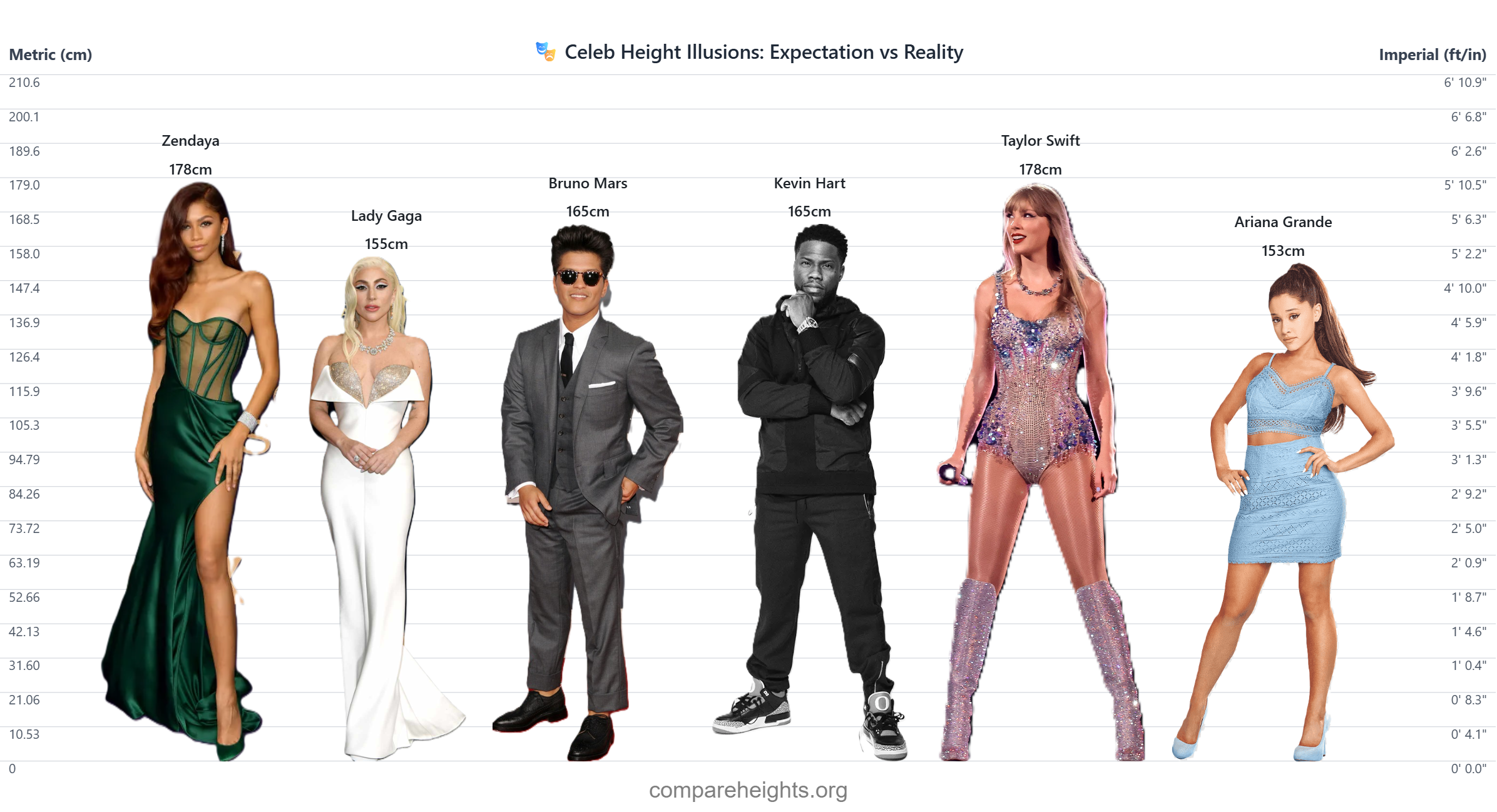
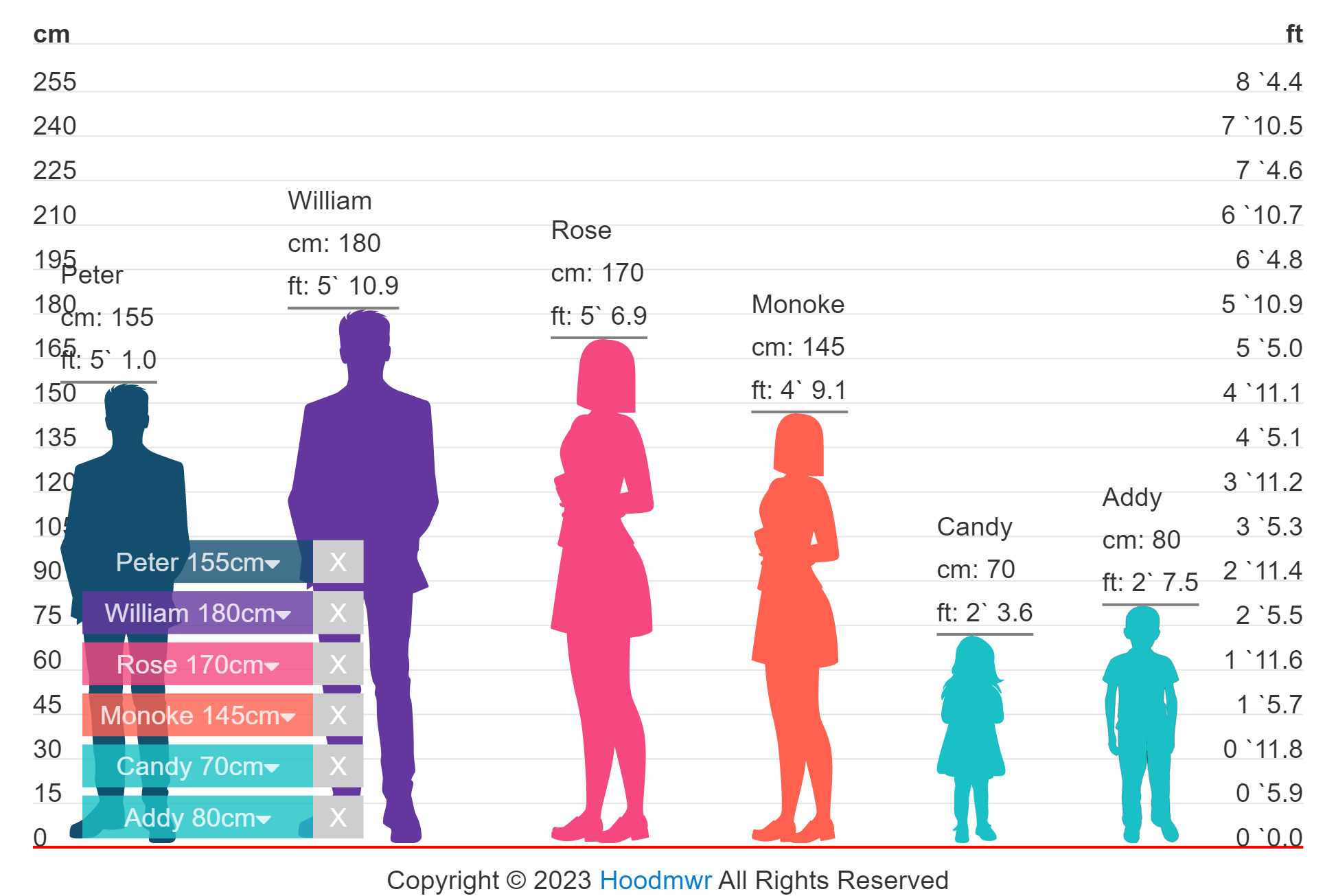
Standing 6 feet 5 inches (6'5") tall is a significant physical attribute that places an individual well above the global average. This height converts to 195.58 centimeters or approximately 1.96 meters. In the United States and Europe, 6'5" represents the 99.8th percentile for adult men, making it an exceptionally rare and striking stature.
The Mathematical Breakdown of 6'5" Height
To fully understand the dimensions of a 6'5" individual, one must look at the various units of measurement used globally. While the imperial system is dominant in the United States, the metric system is the standard for medical and scientific contexts worldwide. As of 2026, these conversions remain the fundamental baseline for architectural and ergonomic planning.
A height of 6 feet 5 inches is calculated by taking 6 feet (72 inches) and adding 5 inches, resulting in a total of 77 inches. To convert this to the metric system, you multiply the total inches by 2.54, which yields 195.58 centimeters. When rounded for practical purposes, most medical records or ID documents will list this as 196 cm or 1.96 meters.
In terms of proportions, a person who is 6'5" typically has a wingspan that matches or slightly exceeds their height. This "ape index" is often a point of interest in athletics. For someone at this height, a standard wingspan would be roughly 77 to 79 inches. Understanding these raw numbers is the first step in addressing the practical needs of tall individuals, from the clearance of doorways to the length of a standard mattress.
Statistical Rarity and Population Percentiles
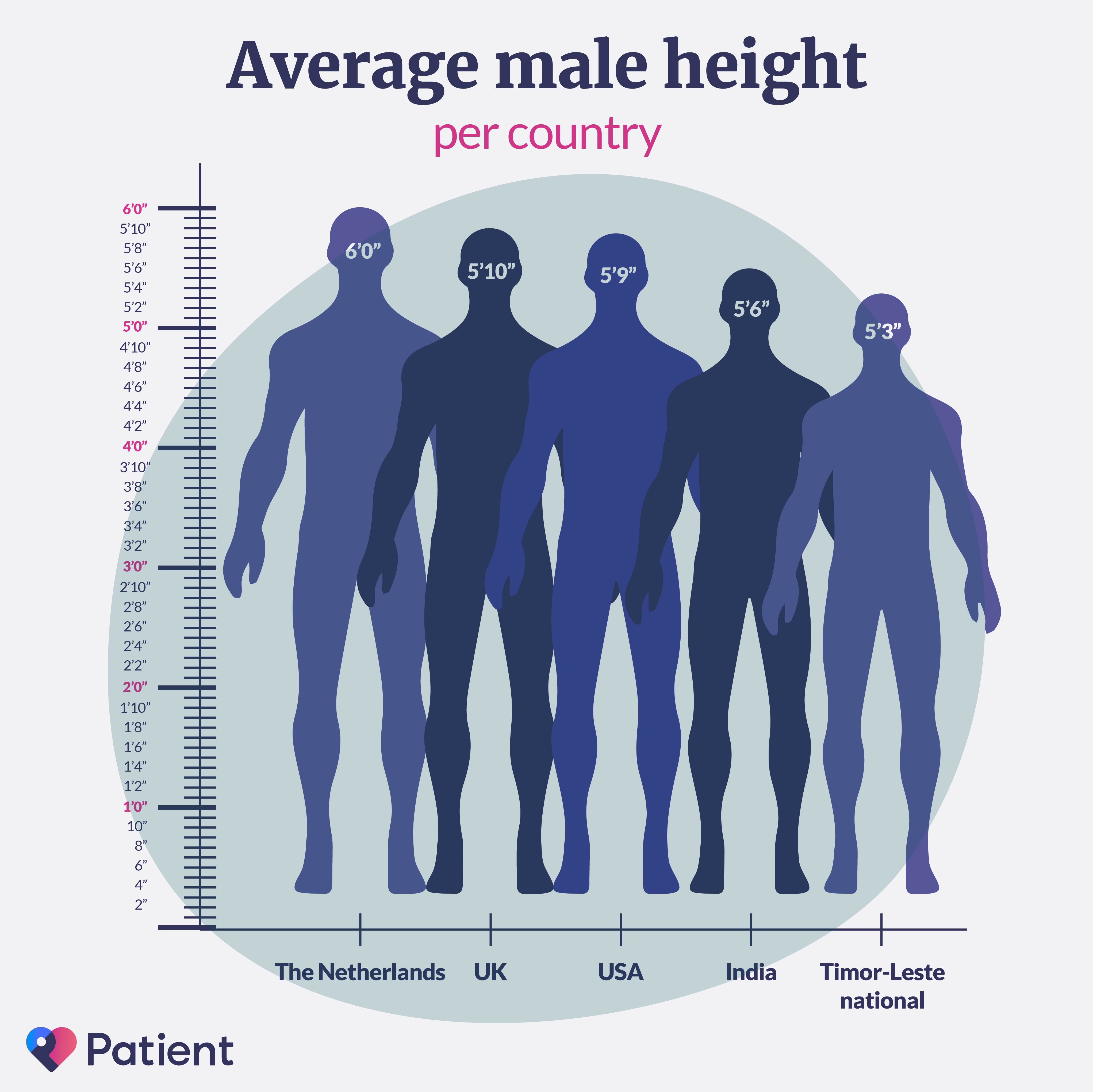
Being 6'5" is statistically uncommon. In the United States, the average height for an adult male is approximately 5'9" (175 cm). A height of 6'5" is four standard deviations away from the mean. This means that out of 1,000 men, only about two or three will reach or exceed this height.
For women, the rarity is even more pronounced. The average height for an adult female in the U.S. is roughly 5'4" (162.5 cm). A woman standing 6'5" is in the 99.99th percentile, a stature so rare that it often leads to careers in professional sports or high-fashion modeling.
| Height Metric | Value for 6'5" | Context/Comparison |
|---|---|---|
| Inches | 77 inches | 11 inches taller than the US male average |
| Centimeters | 195.58 cm | Nearly 2 meters tall |
| US Male Percentile | 99.8% | Only 0.2% of men are taller |
| US Female Percentile | >99.9% | Extremely rare stature |
| Standard Door Height | 80 inches | Only 3 inches of clearance |
| Ideal Bed Size | California King | Standard King may be too short (80") |
Clothing and Apparel Challenges for the 6'5" Frame
Finding clothing that fits a 6'5" frame requires moving beyond "off-the-rack" standard sizing. Most standard retail chains design their "Large" or "Extra Large" shirts for men between 5'10" and 6'1". For a person who is 6'5", the primary issue is not just width, but length—specifically in the torso and sleeves.
The "Tall" Designation
As of 2026, more brands have integrated "Tall" sizing (XLT, 2XLT) into their e-commerce platforms. A "Tall" size typically adds 2 inches to the body length and 1.5 to 2 inches to the sleeve length. For a 6'5" individual, a sleeve length of 36/37 inches is often necessary. Without the "Tall" designation, standard shirts will often "ride up" when the arms are raised, and cuffs will sit well above the wrist bone.
Trousers and Inseams
The average inseam for a 6'5" man is usually between 34 and 36 inches, depending on whether they have a longer torso or longer legs. Standard retail stores often cap their inventory at a 32-inch or 34-inch inseam. Consequently, individuals of this height often rely on specialty "Big and Tall" retailers or custom-tailored options. It is important to note that as height increases, the "rise" of the pant (the distance from the crotch to the waistband) must also be longer to ensure a comfortable fit.
Ergonomics and Environmental Navigation
The world is generally built for the "average" person, which means a 6'5" individual lives in an environment that is often approximately 10% too small for them. This discrepancy leads to chronic ergonomic strain if not addressed through deliberate environmental adjustments.
Workstation Setup
Standard desk heights are usually 28 to 30 inches. For someone who is 6'5", this often results in "hunching" to reach the keyboard or see the monitor. To mitigate back and neck pain, a standing desk with a maximum height of at least 48 inches is recommended. Furthermore, monitors should be raised using risers or arm mounts so that the top third of the screen is at eye level, preventing the "tall person slouch."
Household Modifications
In residential settings, standard showerheads are often mounted at 72 to 74 inches. At 6'5" (77 inches), a person is taller than the water source, requiring them to crouch to wash their hair. Installing an "S-shaped" shower arm or a ceiling-mounted rainfall showerhead is a common and necessary upgrade. Similarly, counter heights in kitchens can cause lower back pain during meal preparation; many tall homeowners choose to raise their island counters to 38 or 40 inches.
Transportation and Travel
Vehicle selection is a major consideration for those at 6'5". Many compact cars and even some mid-sized sedans lack the necessary headroom and legroom. SUVs and full-sized trucks are often preferred, but even then, sunroofs can "steal" up to two inches of interior headroom. When flying, the standard seat pitch of 30-31 inches in economy class is physically painful for a 6'5" traveler, as their femurs are often longer than the available space. Booking exit rows or "Economy Plus" sections with a minimum of 34 inches of legroom is often a health necessity rather than a luxury.
Health and Physical Wellness for Tall statures
While height is often viewed as a social advantage, it carries specific physiological considerations. The musculoskeletal system of a 6'5" person undergoes more leverage-related stress than that of a shorter person.
Joint and Back Health
The longer the limb, the more torque is applied to the joints. People who are 6'5" are statistically more prone to lower back issues, specifically involving the lumbar discs. Maintaining core strength is vital for stabilizing the long spinal column. Additionally, knee and hip joints carry more load, especially if the individual is also heavy-set. High-impact sports should be balanced with low-impact recovery like swimming or cycling to preserve joint longevity.
Cardiovascular Considerations
There is a documented correlation between height and certain cardiovascular conditions. Larger bodies require the heart to work harder to circulate blood, particularly back up from the lower extremities. Studies have suggested that very tall individuals may have a slightly higher risk of atrial fibrillation (Afib) due to the larger size of the heart's chambers. Regular cardiovascular screenings are recommended as part of a standard health regimen in 2026.
Social and Professional Perceptions
Sociologically, 6'5" is often considered the "ideal" height for perceived leadership and authority in many Western cultures. This is frequently referred to as "height bias." Research has consistently shown that taller individuals are often perceived as more capable, more authoritative, and are more likely to hold executive positions.
In the realm of athletics, 6'5" is a "sweet spot" for many sports. In basketball, it is the standard height for a shooting guard or small forward. In rowing, the long levers of 6'5" limbs provide a massive mechanical advantage. In swimming, the increased surface area and reach allow for greater displacement and pull. However, this height can be a disadvantage in sports requiring a low center of gravity, such as gymnastics or certain types of motorsports, where fitting into a cockpit is a physical limitation.
Frequently Asked Questions
What is 6'5" in centimeters exactly?
6'5" is exactly 195.58 centimeters. This is calculated by converting the 6 feet to 72 inches, adding the 5 inches to get 77 inches total, and then multiplying by the standard conversion factor of 2.54 cm per inch. In most casual settings, people will round this to 196 cm.
Is 6'5" too tall for a standard bed?
Yes, a standard "Twin," "Full," or "Queen" mattress is 80 inches long. While 80 inches is longer than 77 inches, it only leaves 3 inches of clearance, which doesn't account for a pillow or the natural extension of the feet. A "King" mattress is also 80 inches long. A "California King" is 84 inches long and is generally the recommended choice for anyone 6'5" or taller to ensure their feet do not hang off the edge.
What is the 99th percentile height for men?
In the United States, the 99th percentile for men is approximately 6'4". Therefore, at 6'5", you are in the top 0.2% to 0.5% of the population. This means you will be the tallest person in almost any room you enter, except perhaps at a professional basketball game or a convention for tall people.
Are there specific health risks associated with being 6'5"?
Taller individuals have a higher risk of certain issues, including varicose veins, blood clots (Deep Vein Thrombosis), and back pain. There is also some evidence linking extreme height to a slightly increased risk of certain cancers, likely due to the higher number of cells and growth factor activity in the body. However, these risks are manageable with a healthy lifestyle and regular medical checkups.
What size shoe does a 6'5" person usually wear?
While shoe size varies, there is a general correlation between height and foot size. Most men who are 6'5" wear between a size 13 and size 15 (US). Finding these sizes in brick-and-mortar stores can be difficult, as many retailers stop stocking regular inventory at size 12 or 13.
Optimizing Life for the 6'5" Individual
If you are 6'5" or are caring for someone of this stature, the most effective next action is to audit the primary environments where time is spent. Because the world is not "built to scale" for this height, small modifications can prevent long-term physical degradation.
Start by measuring your desk and chair height; ensure your knees are at a 90-degree angle and your computer screen does not require you to tilt your head downward. When purchasing a vehicle, prioritize models known for high "vertical room" rather than just legroom. Finally, invest in high-quality footwear with proper arch support, as the mechanical stress on the feet of a 195 cm frame is significantly higher than that of the average person. Taking these proactive steps ensures that the advantages of height are not overshadowed by preventable physical discomfort.