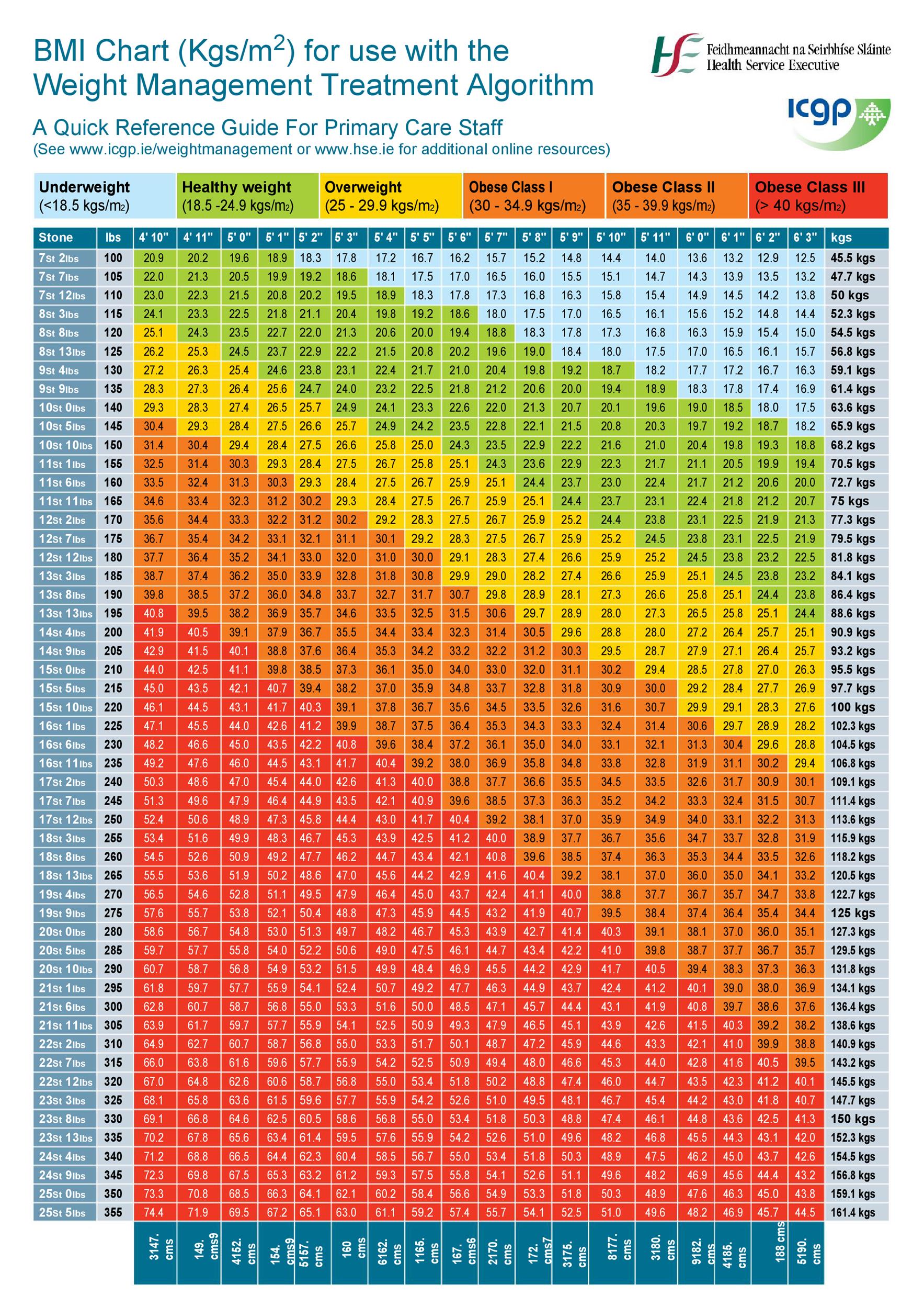
For a 6'2" (188 cm) male weighing 250 lbs (113 kg), the Body Mass Index (BMI) is 32.1, which falls into the Class I Obesity category. While "ideal" weight varies based on muscle mass and bone density, a medically recommended range is typically between 144 and 194 lbs, though many athletic individuals thrive between 205 and 220 lbs.
Assessing the 6'2" 250 lbs Baseline
When evaluating health at a height of 6'2" and a weight of 250 lbs, the first metric most clinicians utilize is the Body Mass Index (BMI). For a male of this stature, the calculation results in a BMI of 32.1. According to the World Health Organization and the Centers for Disease Control and Prevention (CDC), any BMI over 30.0 is classified as obese. However, BMI is a population-level tool and does not distinguish between fat mass and lean muscle tissue.
For a 6'2" male, the difference between 250 lbs of sedentary mass and 250 lbs of athletic mass is profound. A professional rugby player or "heavyweight" athlete may carry this weight with a low body fat percentage, significantly mitigating the risks typically associated with obesity. Conversely, for an individual with low muscle tone, a weight of 250 lbs suggests a high volume of visceral fat—the metabolically active fat stored around internal organs—which is a primary driver of systemic inflammation and metabolic syndrome.
To gain a more accurate health profile, individuals should measure their waist circumference. For men, a waist measurement exceeding 40 inches (102 cm) is a strong independent predictor of health risks, regardless of BMI. At 6'2", a 250-lb male with a waist under 36-38 inches likely possesses significant muscle mass, whereas a waist over 40 inches indicates a need for weight reduction to improve long-term health outcomes.
Determining Your "Ideal" Weight in 2026
The concept of an "ideal" weight has shifted in recent years toward "ideal body composition." However, traditional formulas still provide a useful architectural baseline for what a human frame of 6'2" is designed to carry efficiently.
Clinical Ideal Weight Formulas
Several standardized formulas estimate Ideal Body Weight (IBW). For a 6'2" (74-inch) male:
- Hamwi Formula: 106 lbs for the first 5 feet + 6 lbs for every inch over 5 feet. (106 + 84 = 190 lbs).
- Devine Formula: 50 kg + 2.3 kg for every inch over 5 feet. (50 + 32.2 = 82.2 kg or ~181 lbs).
- BMI Range (18.5–24.9): The "healthy" window for a 6'2" male is roughly 144 lbs to 194 lbs.
The "Athletic" Reality
While clinical formulas point toward 180–190 lbs, many men at 6'2" find these weights difficult to maintain or aesthetically "too thin" if they have a large bone structure (ectomorph vs. endomorph). For a 6'2" male engaged in regular resistance training, a "functional ideal" often sits between 205 and 220 lbs. At this weight, the individual can maintain high levels of strength and a BMI of 26–28 (technically "overweight") while keeping body fat in the 15–18% range, which is considered healthy and sustainable for most men.
Health Risks and Considerations for a BMI of 32.1
At 250 lbs, a 6'2" male faces specific physiological pressures. Even if the individual feels "fine," the mechanical and metabolic load of 250 lbs can lead to subclinical issues that manifest more severely as they age.
Cardiovascular and Metabolic Load
Carrying a BMI of 32.1 increases the heart's workload. The heart must pump blood through a larger volume of tissue, which often leads to left ventricular hypertrophy over time. Furthermore, excess adipose tissue contributes to insulin resistance. By 2026, medical data increasingly highlights the role of chronic low-grade inflammation caused by excess fat cells, which can damage arterial walls and increase the risk of atherosclerosis.
Mechanical Stress and Joint Longevity
A height of 6'2" already puts significant leverage-based stress on the lower back, hips, and knees. Adding a weight of 250 lbs compounds this stress. For every pound of weight lost, there is a four-fold reduction in the load exerted on the knee joint during daily activities. Men in this weight category are at a higher risk for degenerative disc disease and osteoarthritis if the weight is not supported by a very strong musculoskeletal system.
Sleep Apnea and Respiratory Health
Obesity is a leading cause of Obstructive Sleep Apnea (OSA). For a 250-lb male, excess soft tissue in the neck area can obstruct airways during sleep, leading to poor oxygen saturation and chronic fatigue. This creates a vicious cycle: poor sleep lowers testosterone and increases cortisol, making it even harder to lose weight.
The Nutrition Strategy for Body Recomposition
Moving from 250 lbs toward a healthier range requires a focus on body recomposition—losing fat while preserving or building muscle. This prevents the "skinny fat" look and keeps the Basal Metabolic Rate (BMR) high.
Caloric Targets
To calculate a starting point, one must determine the Total Daily Energy Expenditure (TDEE). For a 6'2", 250-lb male aged 35 with a sedentary lifestyle, the TDEE is approximately 2,600–2,750 calories. To lose weight effectively:
- Weight Loss Deficit: Aim for 2,100–2,200 calories per day.
- Aggressive Fat Loss: 1,800–1,900 calories (not recommended long-term without medical supervision).
Macronutrient Distribution
The "what" is as important as the "how much."
- Protein: Aim for 0.8g to 1g of protein per pound of target body weight. If the goal is 200 lbs, consume 160g–200g of protein daily. Protein has a high thermic effect and protects muscle tissue.
- Fats: Essential for hormone production (testosterone). Aim for 20–30% of total calories from healthy sources like avocados, nuts, and olive oil.
- Carbohydrates: Use these as "fuel." Focus on complex carbohydrates (oats, brown rice, sweet potatoes) around workout times to provide energy for training.
Training Protocols for the Large-Frame Male
Training at 250 lbs requires a balance between burning calories and protecting the joints. A 6'2" frame provides a great advantage in movements like the deadlift and rowing, but can be a disadvantage in high-impact activities like long-distance running.
Resistance Training: The Foundation
Lifting weights is non-negotiable for a 250-lb male looking to improve health. More muscle mass means a higher metabolic rate.
- Compound Movements: Focus on squats, deadlifts, overhead presses, and rows. These recruit the most muscle fibers.
- Frequency: 3 to 4 days per week using an Upper/Lower or Full Body split.
- Volume: Moderate sets (3–4) with reps in the 8–12 range to stimulate hypertrophy.
Cardiovascular Efficiency
Instead of high-impact running, which can be hard on the knees of a 250-lb man, consider:
- Incline Walking: Walking at a 3.0 to 5.0 mph pace on a 5–10% incline. This keeps the heart rate in "Zone 2" (fat-burning zone) without the joint impact.
- Rucking: Walking with a weighted backpack (start with 15–20 lbs). For a tall man, rucking is an excellent way to build functional strength and aerobic capacity simultaneously.
- Swimming/Cycling: Excellent for non-weight-bearing cardiovascular conditioning.
Comparative Metrics for a 6'2" Male
The following table outlines how different weight points at this height correlate with health categories and typical body compositions.
| Weight (lbs) | BMI | Classification | Typical Body Composition |
|---|---|---|---|
| 175 lbs | 22.5 | Healthy Weight | Lean, often "runner" or "cyclist" build; low muscle volume. |
| 190 lbs | 24.4 | Healthy Weight | Clinical "ideal"; balanced frame; manageable joints. |
| 210 lbs | 27.0 | Overweight | Common for athletic men; high strength potential; good aesthetics. |
| 230 lbs | 29.5 | Overweight | Borderline obese; requires high muscle mass to be "healthy." |
| 250 lbs | 32.1 | Obese (Class I) | Significant metabolic stress; high risk if sedentary. |
| 275+ lbs | 35.3+ | Obese (Class II) | High medical risk; urgent need for lifestyle intervention. |
Implementation and Long-term Sustainability
The transition from a 250-lb "Obese" classification to a 210-lb "Athletic" classification is a marathon, not a sprint. Success in 2026 depends on habit stacking rather than radical, unsustainable shifts.
Consistency Over Intensity
A common mistake for larger men is starting an overly aggressive exercise program that leads to injury. At 6'2", your center of gravity is higher, and your joints bear more torque. Prioritize perfect form in the gym over heavy weights for the first 8 weeks. In nutrition, a 500-calorie daily deficit is far more successful over a year than a 1,000-calorie deficit that lasts three weeks.
Monitoring Non-Scale Victories (NSVs)
The scale can be deceptive, especially if you are gaining muscle while losing fat. Track other metrics:
- Waist-to-Height Ratio: Your waist should be less than half your height (less than 37 inches for a 6'2" male).
- Resting Heart Rate: A lowering RHR is a sign of improved cardiovascular efficiency.
- Blood Pressure: Reducing weight from 250 lbs to 220 lbs can significantly lower systolic and diastolic pressure.
Sleep and Stress Management
At 250 lbs, cortisol management is critical. High stress leads to "belly fat" storage. Ensure 7–9 hours of quality sleep. If you snore heavily or wake up gasping, consult a specialist for a sleep study, as untreated sleep apnea can stall weight loss efforts by disrupting the endocrine system.
FAQ
Is 250 lbs a "good" weight for a 6'2" male?
Generally, no. From a clinical perspective, 250 lbs at 6'2" is considered Class I Obesity. Unless you are an elite athlete with a very high percentage of muscle mass, this weight puts you at an increased risk for type 2 diabetes, hypertension, and joint degradation.
How many calories should a 6'2" 250 lbs man eat to lose weight?
To lose approximately one pound per week, most men of this size should target between 2,100 and 2,300 calories per day, assuming a moderate activity level. Sedentary individuals may need to drop to 2,000 calories to see consistent progress.
What is the fastest way to lose weight at 6'2" and 250 lbs?
The most effective (and sustainable) method is a combination of a high-protein caloric deficit and a mix of resistance training and low-impact steady-state cardio (LISS). Rapid "crash" diets often result in muscle loss, which lowers the metabolic rate and leads to weight regain.
Can a 6'2" 250 lbs male be healthy?
Yes, it is possible if the individual has a high amount of lean muscle and low visceral fat (indicated by a waist circumference under 40 inches). However, "Metabolically Healthy Obesity" is often a transient state, and most individuals will benefit from reducing their weight to the 200–220 lbs range for long-term longevity.
Path Forward: Personalized Health Milestones
If you currently weigh 250 lbs at 6'2", your primary focus should be a "Phase 1" goal of reaching 230 lbs. This 20-lb reduction represents an 8% body weight loss, which clinical studies show is enough to significantly improve insulin sensitivity and reduce blood pressure. Once you reach 230 lbs, reassess your body composition. If your waist is still over 40 inches, proceed to "Phase 2," targeting the 210–215 lbs range. By utilizing a high-protein diet and protecting your joints with low-impact cardio and strength training, you can transition from a high-risk category to a high-performance one.