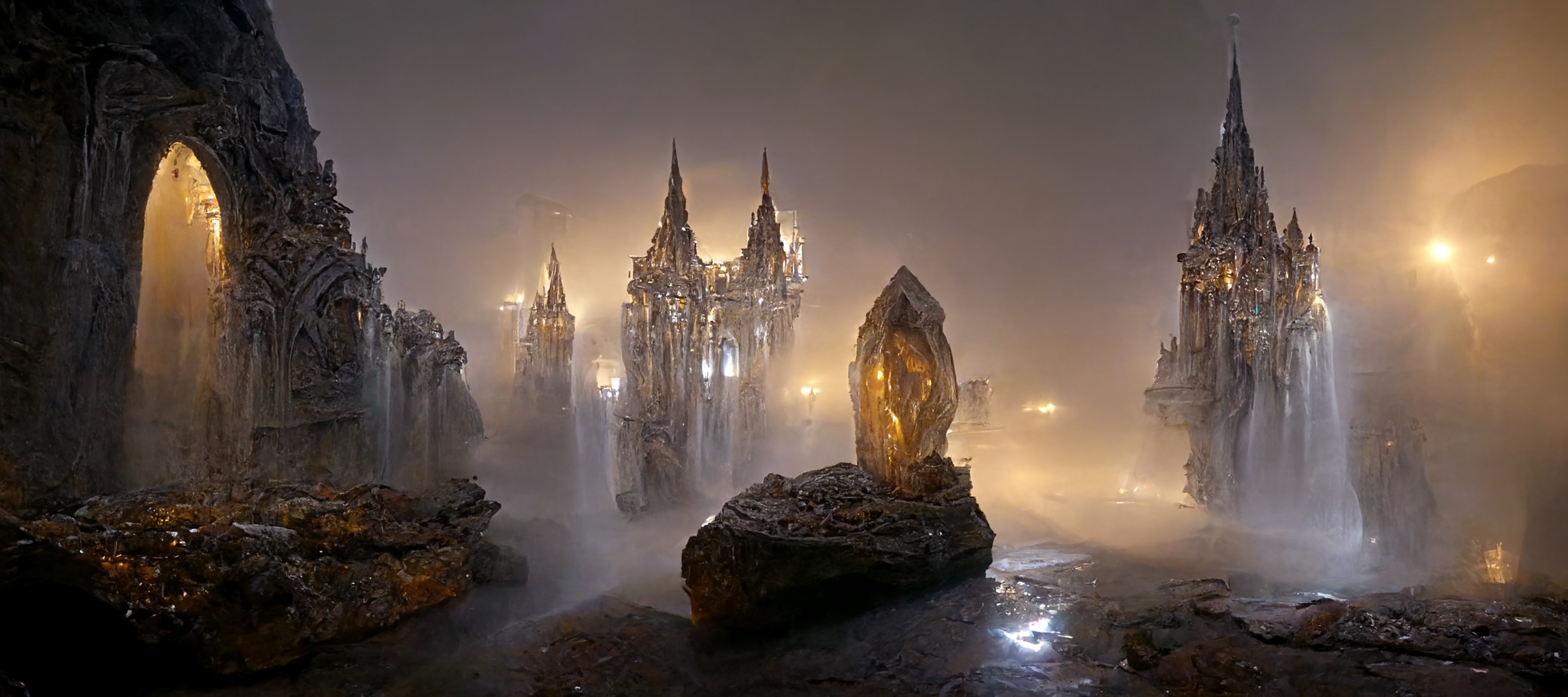
A 50-photograph visual journey is a curated image anthology designed to tell a compelling narrative across space, time, or thematic focus. By combining technical excellence, diverse perspectives, and deliberate sequencing, such collections guide viewers through immersive visual stories ranging from wildlife retrospectives and environmental photojournalism to historical archives and cultural photo essays.
Defining the 50-Photograph Visual Journey Architecture
A successful 50-photograph visual collection is far more than a random assembly of aesthetically pleasing images. It functions as a structured narrative arc, using visual language to evoke emotion, convey factual context, and maintain viewer engagement across fifty distinct frames. Curators, photo editors, and documentary photographers utilize specific structural frameworks to ensure that fifty images deliver maximum narrative density without overwhelming the audience.
In professional photojournalism and publishing, a 50-frame sequence is recognized as an optimal balance for comprehensive storytelling. It provides sufficient volume to explore a complex subject—such as a multi-year ecological study, a geopolitical transformation, or a master photographer's lifetime retrospective—while demanding rigorous selectivity. Each frame must serve a precise purpose: introducing context, escalating dramatic tension, highlighting microscopic detail, or providing meditative resolution.
| Frames | Visual Journey Narrative Arc |
|---|---|
| Frames 01–05 | Establishing Phase: Orientation, geographical & thematic context |
| Frames 06–20 | Exploration & Escalation: Deepening subjects, dynamic perspectives |
| Frames 21–35 | Climax & Complexity: High-contrast emotional & structural focal points |
| Frames 36–45 | Reflection & Breadth: Nuanced details, intimate portraits, macro views |
| Frames 46–50 | Resolution: Enduring closing statements & forward-looking images |
The pacing of a 50-image sequence mirrors literary storytelling. The opening five images establish setting, mood, and thematic scope. The middle section introduces tonal contrast, shifting between wide environmental vistas, intimate portraits, action shots, and technical macro details. The final five images transition toward emotional or conceptual closure, leaving the viewer with an enduring impression.
Core Pillars of High-Impact Photography Anthologies
Curating an extraordinary visual journey requires balancing artistic intuition with technical discipline. When editors evaluate hundreds or thousands of raw captures to select the final fifty photographs, they apply strict criteria based on three foundational pillars: technical execution, composition, and emotional resonance.
Technical Precision and Exposure Control
Every photograph in a premium collection must meet uncompromising technical standards, regardless of whether it was captured on 35mm film or a medium-format digital sensor. Key technical elements include:
- Focus and Depth of Field: Intentional control of focus to isolate key subjects or maintain edge-to-edge sharpness in expansive landscapes.
- Dynamic Range Management: Preserving highlights and shadow detail in extreme lighting conditions, preventing muddy shadows or blown-out highlights.
- Tonal and Color Consistency: Harmonizing color temperatures and tonal values across the entire 50-frame set so that adjacent images feel unified rather than mismatched.
Compositional Rigor and Visual Variety
Visual monotony is the greatest risk in a large image collection. High-impact anthologies prevent viewer fatigue by constantly varying shot types, camera angles, and compositional techniques:
- Establishing Wide Shots: Framing macro environments, architectural grandeur, or vast wilderness to establish scale.
- Medium Storytelling Shots: Capturing human interaction, movement, and contextual activity.
- Detail and Macro Photography: Drawing attention to textures, eye reflections, light artifacts, or hidden micro-patterns.
- Dynamic Geometry: Using leading lines, symmetry, negative space, and framed perspectives to direct the viewer’s eye through the frame.
Narrative Context and Authenticity
A visual journey loses power if images feel staged or disconnected from their real-world context. Ethically sound photojournalism and authentic documentary practice require minimal manipulation, preserving the truth of the captured moment while maintaining photographic integrity.
Curation Matrix: Evaluating Photo Quality and Narrative Fit
When assembling a 50-photograph anthology, curators assess each candidate image against explicit parameters. The matrix below outlines how technical, visual, and narrative criteria are weighted during the final selection process.
| Evaluation Category | Key Criteria | Technical Benchmark | Narrative Purpose |
|---|---|---|---|
| Establishing Images | Scale, environment, atmospheric mood | Sharp infinity focus, wide focal length (14mm–24mm equivalent), balanced shadow latitude | Sets the physical and emotional setting of the journey |
| Character & Portraiture | Subject expression, eye contact, gesture | Pin-sharp focal point on subject eyes, controlled bokeh (f/1.4–f/2.8), warm or neutral white balance | Humanizes the narrative and establishes personal connection |
| Action & Dynamics | Movement, climax, decisive moment | High shutter speed (1/1000s+) or deliberate panning blur, low motion distortion | Drives visual pacing and adds kinetic energy |
| Detail & Texture | Intricate patterns, surface texture, scale isolation | Macro/close-focus capability (1:1 magnification option), edge-to-edge resolution | Highlights micro-elements that readers might overlook |
| Closing & Reflection | Silhouette, fading light, open composition | High dynamic range, ambient twilight or low-angle lighting, clean background framing | Offers thematic closure and meditative resolution |
Step-by-Step Methodology for Building a 50-Image Visual Project
Creating a publishable 50-photograph visual essay—whether for a printed coffee table book, a gallery exhibit, or a digital interactive feature—requires a systematic workflow from image capture to final layout.
- Phase 1: Ingestion & Culling
- Phase 2: Narrative Sequencing
- Phase 3: Color Master
- Phase 4: Layout & Proofing
1. Defining the Core Narrative Arc
Before selecting images, define the central theme in a single sentence. Ask what question the 50 photographs answer or what journey they illustrate. A sharp thematic focus prevents the inclusion of visually impressive but narrative-irrelevant photos.
2. Initial Culling and Image Selection
Begin with an asset library of 500 to 2,000 raw images. Perform a three-pass edit:
- Pass 1 (Technical Cull): Eliminate out-of-focus frames, severe exposure errors, and unwanted digital artifacts. Reduce candidate pool to ~200 photos.
- Pass 2 (Content Selection): Group remaining images into thematic clusters (e.g., environment, subjects, details, action). Pick the strongest 75 images.
- Pass 3 (Final 50 Selection): Ruthlessly pare down to exactly fifty frames, prioritizing visual variety and narrative continuity over individual favorites.
3. Sequencing and Pacing
Lay out the 50 thumbnail images in a continuous grid. Ensure adjacent images harmonize in color, contrast, and geometry. Avoid placing two shots of similar focal length or subject framing directly side-by-side, as this breaks visual momentum.
4. Color Grading and Technical Standardization
Apply consistent color spaces and tonal profiles across all 50 files. For digital publishing, export files in sRGB with embedded ICC profiles. For high-end offset printing, convert master files to Adobe RGB or CMYK profiles matching the print manufacturer's paper stock specifications (typically 200–300 GSM coated or uncoated paper).
5. Proofing and Quality Control
Review the complete 50-image sequence at full resolution. Inspect dark shadow regions for noise, check highlight boundaries for clipping, and verify metadata, captions, and copyright tags embedded in the EXIF/IPTC fields.
Common Pitfalls in Large Photo Essay Collections
Photographers and editors frequently encounter structural and technical hurdles when constructing 50-frame visual journeys. Avoiding these common mistakes ensures a refined final product.
Visual Repetition and Scale Monotony
Including too many photographs taken at the same focal length (such as using a 50mm prime lens for 80% of the collection) leads to visual fatigue. A successful visual journey balances wide-angle environmental perspectives with tight telephoto compressions and macro details.
Over-Processing and Excessive Retouching
Excessive saturation, heavy clarity sliders, HDR artifacts, and unnatural sky replacements compromise authenticity. Contemporary visual storytelling prioritizes true-to-life tones, balanced skin colors, and organic film grain over heavy digital manipulation.
Ignoring Color Space Mismatches
Preparing images in ProPhoto RGB without properly converting them to sRGB for web presentation results in muted, washed-out colors on standard sRGB screens. Similarly, failing to soft-proof print layouts leads to disappointing shadow detail and color shifts on physical paper.
Frequently Asked Questions
What makes a sequence of 50 photographs a cohesive visual journey rather than a random gallery?
A cohesive visual journey is defined by intentional narrative sequencing, unified color and tonal direction, and diverse visual pacing. Instead of presenting standalone images, every photo connects to the preceding and following frames, guiding the viewer through an intentional emotional and analytical story arc.
How long does it typically take to curate and produce a 50-photograph visual narrative?
Curating a 50-photograph collection from a large raw image library usually takes between several days and several weeks. This timeframe includes initial technical culling, thematic sequencing, color grading, caption writing, metadata management, and multi-platform proofing.
What key technical specifications ensure high print quality for a photo journey book?
High-quality print publications require image resolutions of at least 300 DPI at full bleed dimensions, master files saved in 8-bit or 16-bit TIFF/PSD formats, Adobe RGB or targeted CMYK color profiles, and output matched to heavy archival paper stock (200–300 GSM).
Can a 50-photo visual journey focus on a single subject, or must it cover diverse themes?
A 50-photo journey can focus on a single subject—such as a single wildlife species, a single architectural landmark, or an isolated cultural event—provided the photographer utilizes diverse focal lengths, lighting scenarios, perspectives, and thematic angles to maintain visual interest.
What digital tools are best for sequencing and proofing a 50-image retrospective?
Industry-standard software tools include Adobe Lightroom Classic and Capture One Pro for ingestion and color grading, Adobe InDesign for visual layout and sequencing, and Adobe Photoshop for precise retouching and print proofing.
Recommended Next Steps for Curators and Photographers
To execute a professional 50-photograph visual journey project, follow these actionable steps:
- Audit Your Archive: Select a single thematic project from your catalog containing at least 300 candidate raw files.
- Build a 50-Grid Sequencing Board: Import candidates into your editing software or print physical 4x6 thumb proofs to manually map out your 50-image arc.
- Establish Tonal Standardization: Define a master color profile and exposure benchmark to ensure visual harmony across all 50 frames.
- Draft Detailed Metadata: Write precise IPTC captions, locations, dates, and licensing data for every photograph in the collection.
- Publish and Archival Proof: Export low-resolution web proofs (sRGB, 72/144 DPI) alongside master archival prints to test visual performance across different media.