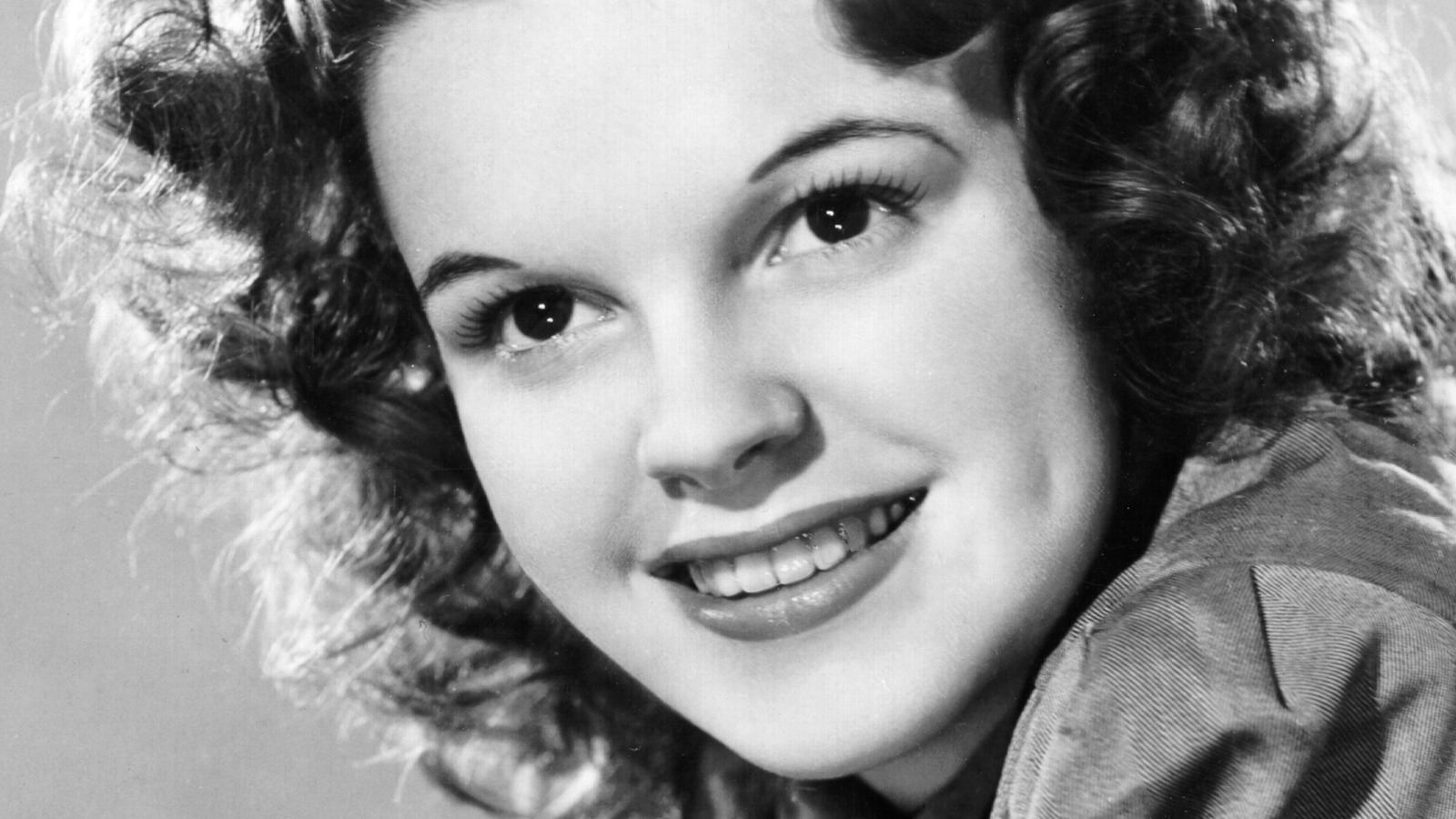
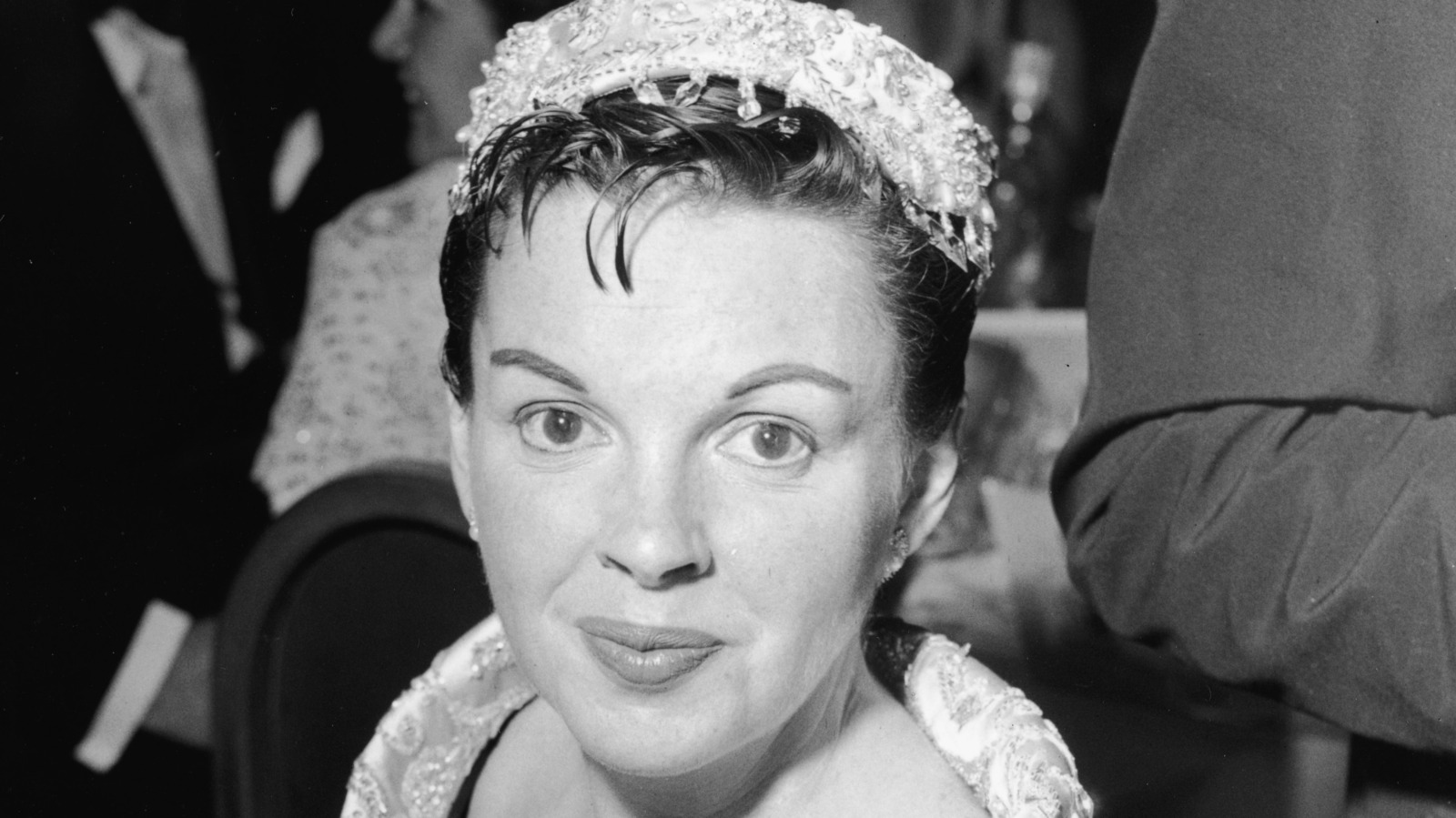
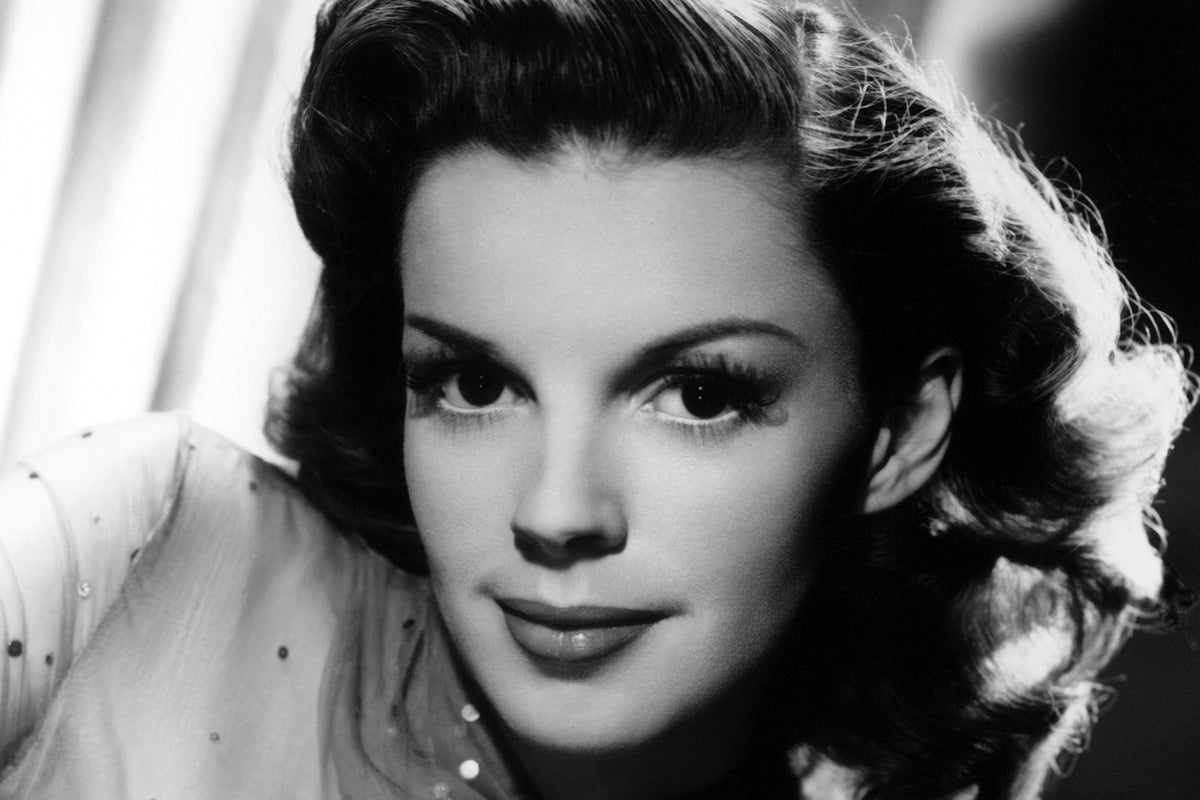
Judy Garland remains one of the most celebrated performers in entertainment history, renowned for her soaring vocal range, dramatic vulnerability, and timeless cinematic performances. Beyond her iconic portrayal of Dorothy Gale in The Wizard of Oz, Garland's life off-camera was defined by extraordinary talent, relentless studio pressure, and enduring cultural impact across classic film, television, and record-breaking live concerts.
Early Life, Vaudeville, and the Gumm Sisters (Facts 1–8)
Before becoming an international screen icon, Judy Garland spent her early childhood performing on the vaudeville circuit. Her foundational years in stage theater shaped her exceptional vocal control and natural comedic timing.
- Born Frances Ethel Gumm: Judy Garland was born Frances Ethel Gumm on June 10, 1922, in Grand Rapids, Minnesota. She was the youngest child of Frank Avent Gumm and Ethel Marion Milne, both of whom were vaudeville performers.
- Stage Debut at Age Two: She made her first public performance at just two and a half years old during a Christmas show at her father's movie theater, singing a rendition of "Jingle Bells."
- The Gumm Sisters: Garland initially performed alongside her two older sisters, Mary Jane "Suzy" and Dorothy Virginia "Jimmie," in a vaudeville act managed largely by their mother.
- Name Change in 1934: While performing at the Oriental Theater in Chicago with comedian George Jessel, the group was encouraged to choose a more marquee-friendly name. They adopted the surname "Garland," named after theater critic Robert Garland.
- Selecting "Judy": Shortly after changing her surname, Frances chose the stage name "Judy" after being inspired by Hoagy Carmichael's popular song of the same title.
- Relocation to California: The family moved to Lancaster, California, in 1926 following rumors regarding her father's personal life, allowing the young performer to take dance and acting lessons in the Los Angeles area.
- Early Musical Education: Garland never received formal classical opera training; her powerful chest voice and pitch accuracy were natural talents developed through constant stage performance.
- Tragic Family Loss: Garland’s father passed away suddenly from meningitis in November 1935, just weeks after she signed her landmark Hollywood contract, a loss that profoundly affected her childhood.
The MGM Contract and Hollywood Studio System (Facts 9–17)
Garland’s transition from stage to film occurred during the height of the Hollywood studio system, where Metro-Goldwyn-Mayer (MGM) held total control over actors' public image, schedule, and personal lives.
- Signed Without a Screen Test: MGM studio executive Louis B. Mayer signed Garland in September 1935 when she was 13 years old. Unusually for the studio, she was offered a contract without a screen test after auditioning directly in Mayer's office.
- The "Cute Duckling" Dilemma: In contrast to MGM’s glamour queens like Ava Gardner and Elizabeth Taylor, the studio struggled to categorize Garland, frequently dressing her in girl-next-door outfits that muted her age and physical development.
- Systemic Pill Administration: To maintain grueling production schedules and control her weight, studio doctors prescribed Garland amphetamines as appetite suppressants and stimulants, paired with barbiturates to assist with sleep—a practice that initiated lifelong chemical dependency.
- On-Screen Partnership with Mickey Rooney: Garland and Mickey Rooney starred together in nine feature films, including the popular Andy Hardy series and major musicals like Babes in Arms (1939) and Strike Up the Band (1940).
- Strict Studio Diets: Studio management subjected Garland to intense dietary monitoring, restricting her daily food consumption to chicken broth, black coffee, and cigarettes.
- Film Debut in Every Sunday: Her first musical appearance for MGM was in the short film Every Sunday (1936), co-starring Deanna Durbin, designed to test audience reactions to both young singers.
- Breakthrough in Broadway Melody of 1938: Garland captured national attention singing "Dear Mr. Gable" (a customized version of "You Made Me Love You") to a photograph of Clark Gable.
- High-Volume Production: Between 1936 and 1950, Garland appeared in more than 30 feature films for MGM, often shooting multiple major productions simultaneously.
- Studio Contract Suspension: Due to deteriorating physical health and missed shooting dates, MGM suspended Garland's contract multiple times in the late 1940s before officially parting ways in September 1950.
The Wizard of Oz and Global Superstardom (Facts 18–25)
Released in August 1939, The Wizard of Oz cemented Garland's legacy in cinematic history, though the production presented rigorous physical challenges.
| Production Aspect | Historical Detail | Impact on Garland's Career |
|---|---|---|
| Casting Choice | Selected after Shirley Temple was unavailable | Established Garland as a bankable lead star |
| Costuming Restrictions | Required to wear a restrictive chest corset | Designed to make the 16-year-old look like a 12-year-old |
| Signature Song | "Over the Rainbow" (composed by Harold Arlen) | Won Academy Award for Best Original Song; became her lifelong anthem |
| Special Recognition | Academy Juvenile Award (1940) | Only miniature Oscar statuette awarded to Garland during her career |
- Not the First Choice for Dorothy: MGM originally sought to borrow Shirley Temple from 20th Century Fox, but when negotiations failed, Garland was cast in the career-defining role.
- Physical Alterations for the Role: To portray young Dorothy Gale, 16-year-old Garland was forced to wear a tight corset to flatten her chest and rubber prosthetics on her nose and teeth.
- "Over the Rainbow" Was Almost Cut: Studio executives initially removed "Over the Rainbow" from the final cut, believing it slowed down the film's opening Kansas sequence. Producer Arthur Freed successfully fought to restore it.
- Academy Juvenile Award: In February 1940, Garland received a special miniature Oscar (the Academy Juvenile Award) recognizing her outstanding performance as a screen juvenile during 1939.
- Real Toto Incident: The Cairn Terrier that played Toto (named Terry) was accidentally stepped on by one of the Wicked Witch's guards during filming and had to recuperate at Garland's residence for two weeks.
- Enduring Box Office Legacy: While The Wizard of Oz earned critical praise in 1939, it did not turn a substantial profit for MGM until its re-release in 1949 and subsequent television broadcasts starting in 1956.
- Iconic Ruby Slippers: Garland wore multiple pairs of ruby slippers during production. One pair sold at auction in 2012 for over $2 million, reflecting the film's lasting cultural value.
- The Asbestos Snow Scene: In the famous poppy field sequence, the "snow" falling on Garland and her co-stars was made of 100% pure chrysotile asbestos, a common visual effect material at the time.
Peak Musicals, A Star Is Born, and Dramatic Mastery (Facts 26–33)
As Garland transitioned into adult roles, she delivered defining performances in classic Hollywood musicals and critically praised dramatic films.
- Collaboration with Vincente Minnelli: Garland starred in Meet Me in St. Louis (1944), directed by Vincente Minnelli, which yielded classic musical numbers such as "The Trolley Song" and "Have Yourself a Merry Little Christmas."
- First Non-Singing Dramatic Role: She proved her skill as a purely dramatic actress in The Clock (1945), a wartime romance co-starring Robert Walker.
- The Landmark Easter Parade: Co-starring alongside Fred Astaire in Easter Parade (1948), Garland achieved one of her biggest commercial box-office hits at MGM.
- The 1954 Comeback in A Star Is Born: Produced by her third husband, Sidney Luft, Warner Bros.' A Star Is Born marked Garland's return to cinema after a four-year absence.
- Oscar Snub Controversy: Despite receiving a Best Actress nomination for A Star Is Born, Garland lost to Grace Kelly (The Country Girl). Television cameras were present in Garland's hospital room (where she had just given birth to son Joey) to capture her acceptance speech.
- Groucho Marx's Famous Telegram: Following her Oscar loss, comedian Groucho Marx sent Garland a telegram calling it "the biggest robbery since Brink's."
- Oscar Nomination for Judgment at Nuremberg: Garland earned a Best Supporting Actress nomination for her dramatic portrayal of Irene Hoffman, a German woman testifying in court, in Stanley Kramer's 1961 film Judgment at Nuremberg.
- Final Feature Film: Her final screen appearance came in the 1963 British drama I Could Go On Singing, co-starring Dirk Bogarde, in which she played an international concert star.
Concert Conquests, Television, and Carnegie Hall (Facts 34–40)
When film roles slowed, Garland transitioned to the stage, pioneering modern concert performances and television variety programming.
- Palace Theatre Record: In 1951, Garland broke box-office records at Broadway’s Palace Theatre with a 19-week vaudeville-style engagement that earned her a Special Tony Award.
- The Historic Carnegie Hall Concert: On April 23, 1961, Garland performed a live solo concert at Carnegie Hall, often cited by music critics as "the greatest night in show business history."
- Grammy Album of the Year: The live recording Judy at Carnegie Hall stayed on the Billboard charts for 73 weeks and won five Grammy Awards in 1962, including Album of the Year. Garland was the first woman to win this top honor.
- The Judy Garland Show: Between 1963 and 1964, Garland hosted her own CBS television variety series, The Judy Garland Show, featuring iconic duets with Barbra Streisand, Tony Bennett, and her daughter Liza Minnelli.
- Emmy Nominations: Despite being canceled after one season due to scheduling conflicts against Bonanza, the television series earned four Emmy Award nominations.
- London Palladium Success: Garland performed legendary international concerts, including co-headlining engagements with daughter Liza Minnelli at the London Palladium in November 1964.
- Distinctive Stage Presence: Garland was known for her intense emotional delivery on stage, often performing without a net, holding the microphone cord like a tether as she engaged directly with audiences.
Personal Life, Family, and Behind-the-Scenes Realities (Facts 41–46)
Garland’s personal life was characterized by intense media scrutiny, five marriages, deep family bonds, and financial mismanagement by business representatives.
- Five Marriages: Garland was married five times: to composer David Rose (1941–1944), director Vincente Minnelli (1945–1951), producer Sidney Luft (1952–1965), actor Mark Herron (1965–1969), and nightclub manager Mickey Deans (1969).
- Three Children: She was the mother of three children: Academy Award-winner Liza Minnelli (with Vincente Minnelli), singer/actress Lorna Luft, and producer Joey Luft (both with Sidney Luft).
- Pervasive Financial Instability: Despite earning millions of dollars throughout her career, severe mismanagement by managers, unpaid tax debts, and embezzlement by advisors left Garland facing severe financial stress in her final years.
- Physical Health Struggles: Garland suffered from serious medical issues throughout her life, including chronic hepatitis, acute fluid retention, severe insomnia, and respiratory ailments.
- Tragic Passing in 1969: On June 22, 1969, Garland died at her home in Chelsea, London, at the age of 47. The official coroner's verdict was an accidental overdose of prescription barbiturates.
- Stonewall Connection: Garland’s funeral took place in New York City on June 27, 1969, drawing over 20,000 mourners. While popular legend ties the emotional fallout of her death to the Stonewall Riots that began that same night, historians view the connection as largely coincidental, though symbolic for the LGBTQ+ community.
Legacy, Cultural Impact, and Posthumous Honors (Facts 47–50)
Garland's influence endures across modern vocal performance, film history, and international pop culture.
- Grammy Lifetime Achievement Award: In 1997, Garland was posthumously awarded the Grammy Lifetime Achievement Award in recognition of her contributions to the recording industry.
- AFI Recognition: The American Film Institute ranked Garland eighth among the greatest female screen legends of classic American cinema.
- Preservation in the National Recording Registry: Garland's studio recording of "Over the Rainbow" was inducted into the Grammy Hall of Fame and added to the Library of Congress National Recording Registry for cultural significance.
- Hollywood Walk of Fame Stars: Garland possesses two stars on the Hollywood Walk of Fame—one for Motion Pictures at 1715 Vine Street and another for Recording at 6764 Hollywood Boulevard.
Frequently Asked Questions
What was Judy Garland's real name and why did she change it?
Judy Garland was born Frances Ethel Gumm. She changed her last name to Garland in 1934 during a vaudeville engagement after actor George Jessel suggested that "Gumm" lacked theatrical appeal. She adopted the first name "Judy" shortly after, taking inspiration from Hoagy Carmichael’s popular song of the same title.
How old was Judy Garland when she filmed The Wizard of Oz?
Judy Garland was 16 years old during the principal photography of The Wizard of Oz between late 1938 and early 1939. To make her appear younger for the role of 12-year-old Dorothy Gale, costume designers required her to wear a restrictive chest corset and canvas garments under her gingham dress.
How many Academy Awards did Judy Garland win?
Judy Garland received one official Oscar during her lifetime: the Academy Juvenile Award in February 1940 for her performances in 1939, specifically The Wizard of Oz and Babes in Arms. She was nominated for two competitive Academy Awards—Best Actress for A Star Is Born (1954) and Best Supporting Actress for Judgment at Nuremberg (1961)—though she did not win either.
Why is Judy at Carnegie Hall considered a historic album?
Judy at Carnegie Hall, recorded live on April 23, 1961, spent 73 weeks on the Billboard charts and won five Grammy Awards in 1962. Garland became the first female artist to win the Grammy for Album of the Year. The recording captured her vocal power and dynamic audience rapport at the peak of her live concert career.
Next Steps for Classic Film and Music Enthusiasts
To explore Judy Garland’s artistic contributions further, consider reviewing her work across primary media archives:
- Filmography: Stream remastered editions of The Wizard of Oz (1939), Meet Me in St. Louis (1944), Easter Parade (1948), and the restored 1954 version of A Star Is Born.
- Audio Recordings: Listen to the complete 1961 remastered release of Judy at Carnegie Hall, alongside her Decca and Capitol Records catalog tracks.
- Archival Research: Consult official biographical documents housed at the Academy of Motion Picture Arts and Sciences Margaret Herrick Library or review historical exhibit materials via the Library of Congress Performing Arts Reading Room.