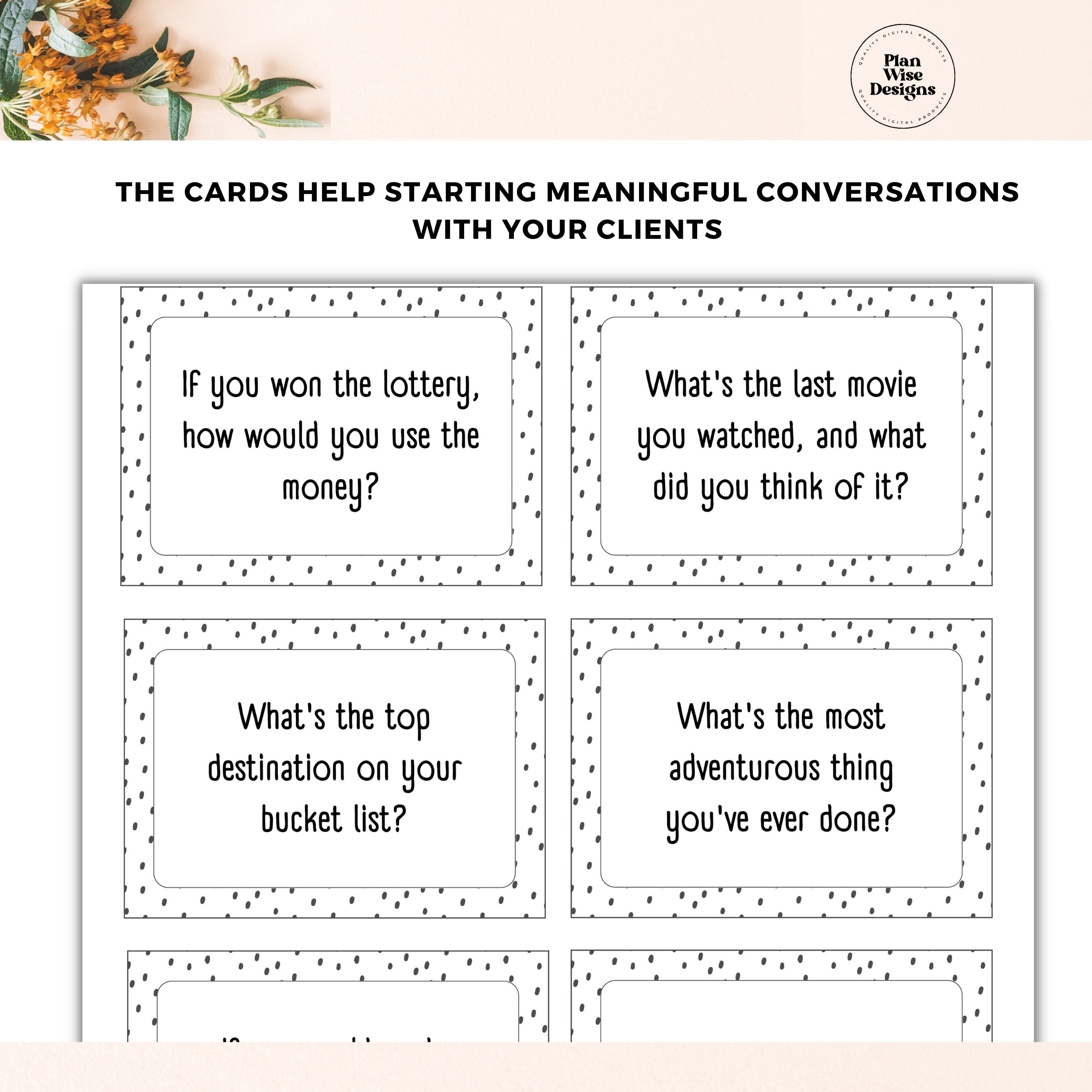
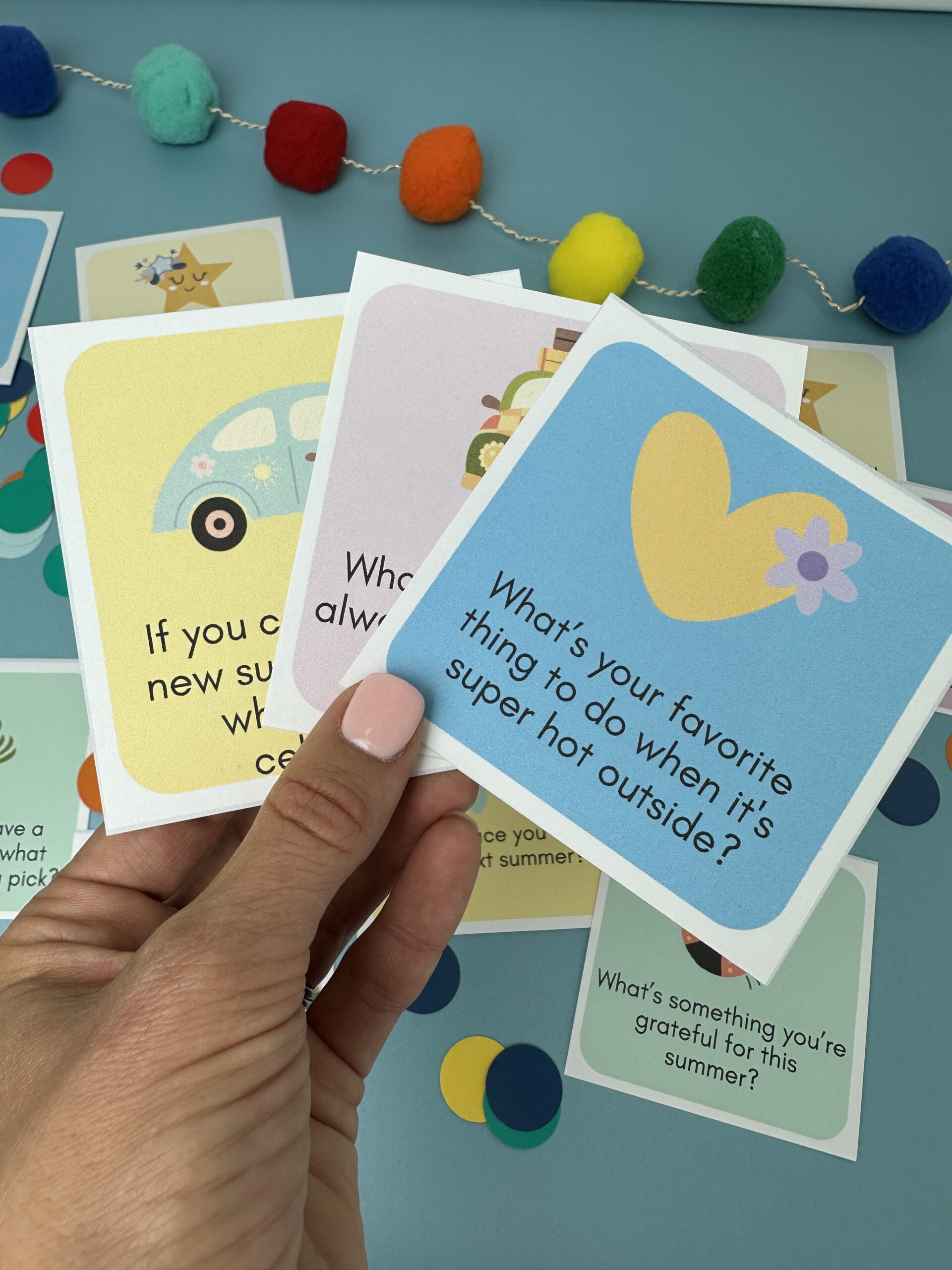
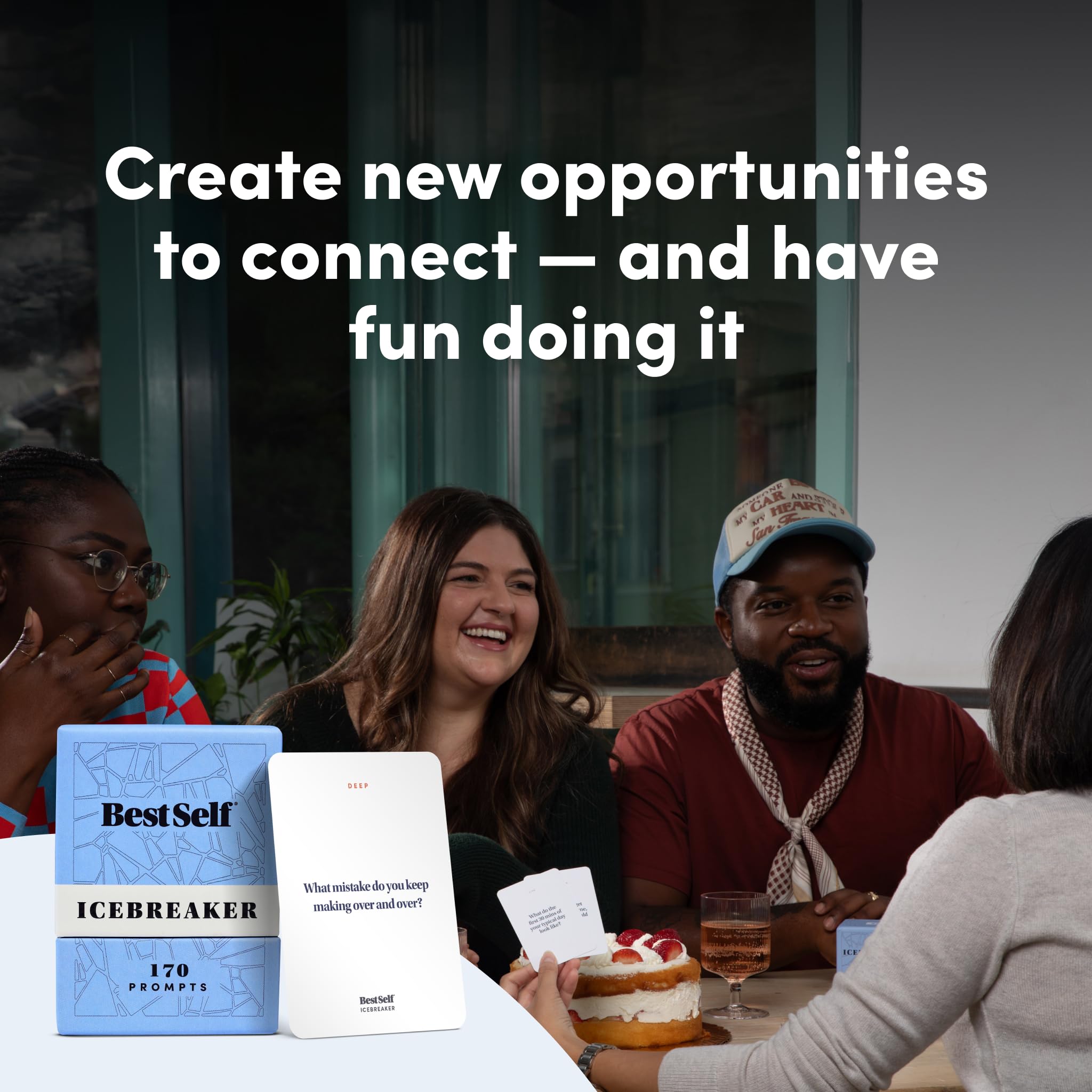
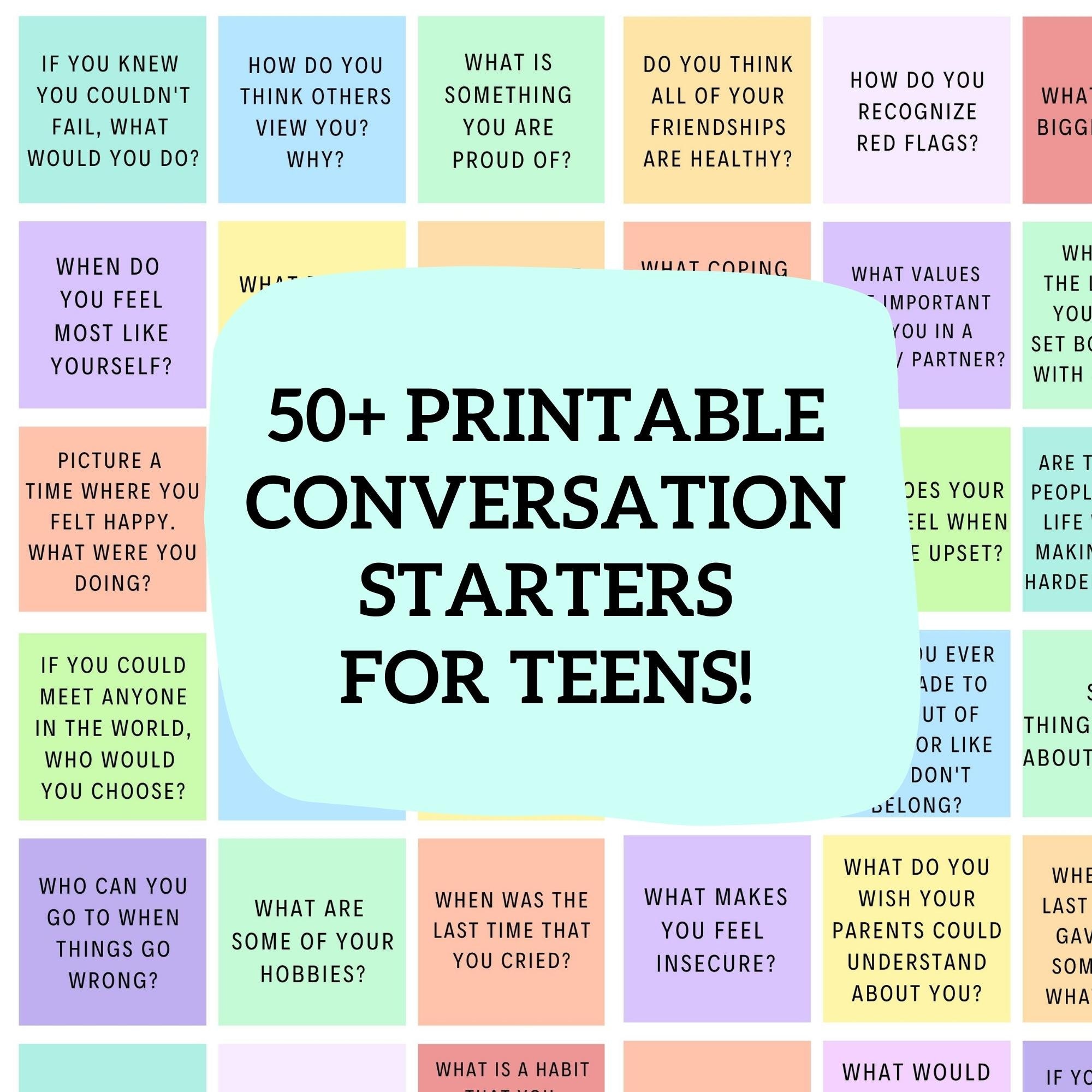
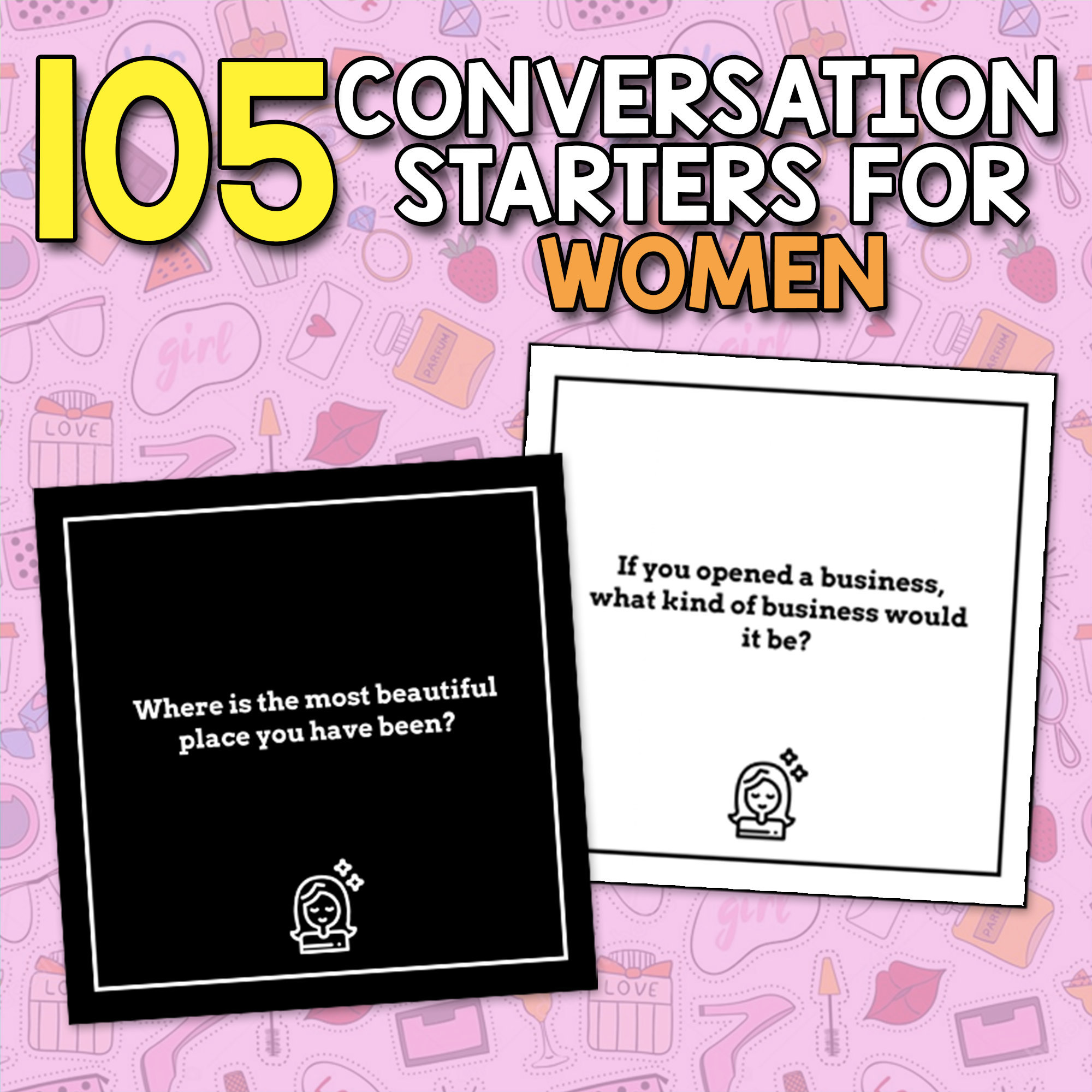
Effective conversation starters for women shift the focus from transactional small talk to shared emotional experiences, situational curiosity, and authentic vulnerability. By utilizing context-appropriate, open-ended prompts across social, professional, and romantic settings, women can comfortably break the ice, eliminate awkward silences, and build genuine rapport within moments of initiating a dialogue.
The Psychology of Instant Connection: Why Standard Small Talk Fails
Starting a conversation often feels daunting because traditional social cues encourage script-based exchanges. Asking standard questions like "What do you do?" or "How about this weather?" yields predictable, robotic answers that fail to activate the brain's reward centers. Psychological research on interpersonal attraction highlights that meaningful connection relies on mutual self-disclosure, perceived empathy, and emotional resonance.
When initiating a dialogue, the objective is not simply to fill airtime; it is to establish a bridge of shared experience. Open-ended prompts that invite story-telling or opinion-sharing trigger the release of dopamine and oxytocin, making both participants feel validated and engaged. For women navigating diverse environments—ranging from high-stakes corporate networking to casual coffee shop encounters—selecting a prompt that matches the emotional atmosphere of the room is the foundational key to instant rapport.
Casual and Everyday Conversation Starters (Prompts 1–10)
Everyday environments, such as coffee shops, fitness classes, bookstores, or waiting areas, present low-pressure opportunities to initiate contact. The secret to micro-connections in daily life is anchoring the question in your immediate environment.
- "I'm trying to expand my routine—what is the best thing you've ordered here recently?"Why it works: It shifts the dynamic from a passive waiting line to a collaborative recommendation.
- "I noticed you’re reading [Book Title/Genre]. Would you recommend it to someone looking for a great weekend read?"Why it works: Demonstrates observational awareness and validates their personal taste.
- "This place is surprisingly lively today! Are you taking a work break or just enjoying the afternoon?"Why it works: Opens a low-stakes path to talk about personal lifestyle or work schedules.
- "I’m looking for a new playlist or podcast for my commute. What has been your top play lately?"Why it works: Media consumption reflects personal values, giving insight into their daily world.
- "That workout looked intense! How long have you been taking this class?"Why it works: Establishes common ground around shared physical effort or wellness goals.
- "I can never decide what to get when the menu is this huge. What’s your ultimate comfort food here?"Why it works: Food choices evoke warmth and personal memories, immediately lowering social guards.
- "Excuse me, I love the color of your jacket! Where did you find it?"Why it works: Genuine, specific compliments offer an immediate ego boost without feeling pushy.
- "Do you happen to know if there's a good quiet spot around here to take a phone call?"Why it works: Asking for advice or directions leverages the Ben Franklin effect, making people feel useful and well-disposed toward you.
- "It feels like everyone is in a rush today. Are you having a smooth week so far?"Why it works: Acknowledges the shared environment while inviting them to express how they actually feel.
- "I'm trying to decide between heading home or exploring a new park today. Do you have a favorite outdoor spot in the area?"Why it works: Encourages local recommendations and reveals leisure preferences.
Social Gatherings, Parties, and Dinners (Prompts 11–20)
Social events provide permission to be more expressively personal. When attending dinner parties, housewarmings, or birthday celebrations, focus on prompts that explore relationships, celebrations, and positive reflections.
- "How do you know the host? Everyone here seems to have such a unique connection to them."Why it works: Instantly establishes mutual common ground through your shared relationship with the host.
- "What’s been the absolute highlight of your week so far?"Why it works: Bypasses complaints and directs the brain toward positive memory retrieval.
- "If you could teleport to any destination for the weekend right now, where would you go?"Why it works: Invites imaginative play and reveals travel style or current stress levels.
- "What is the best piece of news you’ve heard recently, personal or global?"Why it works: Creates an uplifting conversation space centered on good energy.
- "I’m on a mission to discover the best dessert in town. What’s your all-time favorite treat?"Why it works: A lighthearted topic that encourages enthusiastic participation.
- "What’s a hobby or project you’re super excited about working on right now?"Why it works: Gives the other person permission to speak about their passions rather than just their job.
- "If this party had a theme song playing right now, what do you think it should be?"Why it works: Playful and creative, encouraging a shared smile over the room's energy.
- "What’s the most memorable gathering or trip you’ve been to this year?"Why it works: Encourages storytelling, allowing you to learn about their travel habits and social priorities.
- "Are you the type of person who plans every detail of an event, or do you just show up and see what happens?"Why it works: Uncovers personality traits (structured vs. spontaneous) in a gentle, non-judgmental way.
- "What is one funny tradition your family or friend group does that outsiders might find strange?"Why it works: Invites affectionate self-disclosure and light humor.
Professional Networking and Career Events (Prompts 21–30)
In professional settings, standard questions like "What is your job title?" often yield elevator pitches that stall natural interaction. To stand out at conferences and industry mixers, ask prompts that explore motivation, challenges, and future trends.
- "What drew you into this field originally? Was it a clear path or a total surprise?"Why it works: Moves the discussion from boring titles to personal career narrative and motivation.
- "What is one project on your plate right now that you’re genuinely energized by?"Why it works: Directs focus away from workplace stress toward creative or strategic enthusiasm.
- "With everything changing so fast in our industry, what trend are you watching most closely right now?"Why it works: Positions you both as informed, forward-thinking professionals.
- "What’s the most valuable piece of advice a mentor has ever given you?"Why it works: Displays intellectual humility and opens the door for wisdom-sharing.
- "Are there any key takeaways or speakers from today’s sessions that really stood out to you?"Why it works: Grounded in the immediate event context, making it easy for anyone to answer.
- "What is a common myth or misconception people have about the work you do?"Why it works: Allows the individual to clarify their role and showcase specialized insight.
- "How do you like to recharge after a high-energy conference or busy work week?"Why it works: Softly bridges professional interaction into personal wellness and lifestyle.
- "If you weren’t working in this industry, what completely different career would you try for fun?"Why it works: Reveals hidden talents, alternative passions, and playful aspirations.
- "What’s a tool, app, or strategy that has completely transformed your productivity lately?"Why it works: Offers practical value exchange; people love sharing efficiency hacks.
- "What is one goal you’re aiming to accomplish before the end of this year?"Why it works: Focuses on forward momentum and ambition.
Deep Bonding Prompts for Meaningful Friendships (Prompts 31–40)
Building deep, lasting female friendships requires moving past surface pleasantries into personal values, nostalgia, and emotional truth. Use these prompts when transitioning an acquaintance into a true friend.
- "What’s a lesson you had to learn the hard way over the last few years?"Why it works: Shows vulnerability, signaling that it is safe to discuss life's real challenges.
- "Who has been the most influential person in shaping the way you view the world?"Why it works: Explores foundational relationships and personal philosophy.
- "What is something you used to care deeply about that just doesn't matter to you anymore?"Why it works: Highlights personal growth, maturity, and shifting priorities.
- "What does a perfect, restorative day look like for you from morning to night?"Why it works: Uncovers ideal self-care routines and personal pace of life.
- "When you’re having a tough day, do you prefer space to process or someone to talk it through with?"Why it works: Demonstrates proactive emotional intelligence for future friendship support.
- "What is a personal belief or boundary you’ve set recently that really improved your life?"Why it works: Encourages discussion around self-respect, mental health, and healthy boundaries.
- "What childhood memory still makes you laugh whenever you think about it?"Why it works: Taps into nostalgia and wholesome humor.
- "What is a passion project or dream you’ve kept on the back burner that you’d love to pursue someday?"Why it works: Displays genuine interest in their long-term potential and inner hopes.
- "What qualities do you value most in your closest friendships?"Why it works: Explicitly defines mutual expectations for emotional trust and loyalty.
- "What’s something surprising about you that most people don’t realize right away?"Why it works: Grants permission to share unique quirks or hidden aspects of identity.
Dating, Romance, and Flirty Openers (Prompts 41–50)
When initiating or deepening romantic interest, conversation starters should strike a balance between playful banter and intriguing curiosity. These prompts create positive tension and mutual attraction.
- "What’s your absolute non-negotiable when it comes to planning an ideal first date?"Why it works: Direct, clear, and subtly hints at future romantic opportunities.
- "Are you more driven by gut instinct or careful logic when you make big life decisions?"Why it works: Combines intellectual curiosity with insight into personal romantic style.
- "What’s the most adventurous or unexpected thing you’ve ever done on a whim?"Why it works: Tests spontaneous energy and willingness to step out of comfort zones.
- "What’s a hot take or controversial opinion you have about something totally harmless, like food or movies?"Why it works: Sparks fun, low-stakes debate without causing actual conflict.
- "What immediately draws your attention to someone when they walk into a room?"Why it works: Creates subtle romantic awareness and focuses attention on body language and presence.
- "If we were to plan a road trip right now, who gets control of the music playlist?"Why it works: Establishes playful power dynamics and music preference alignment.
- "What’s a talent or skill you possess that you’re secretly super proud of?"Why it works: Encourages healthy self-confidence and charming vanity.
- "Do you believe in instant chemistry, or does real attraction take time to build for you?"Why it works: Directly addresses romance and relationship dynamics.
- "What’s the worst advice about dating or relationships you’ve ever heard?"Why it works: Uses negative shared experiences to build humorous agreement.
- "If you could only keep three apps on your phone, which ones are surviving?"Why it works: Reveals daily habits, communication preferences, and digital priorities in a funny way.
Contextual Strategy Matrix: Matching Prompts to Social Environments
To maximize connection, select your conversation starter based on social context, emotional risk level, and target relationship type.
| Setting / Context | Recommended Starter Style | Emotional Risk Level | Primary Goal | Target Connection Outcome |
|---|---|---|---|---|
| Casual Everyday (Coffee shop, transit) | Observational / Situational | Low | Break silence gently | Friendly exchange or contact swap |
| Social Parties | Lighthearted / Imaginative | Low to Moderate | Spark fun energy | Shared laughter and social inclusion |
| Professional Networking | Career Narrative / Industry Trends | Low | Demonstrate competence | Professional follow-up or LinkedIn connection |
| Deep Friendships | Values / Vulnerability / Growth | Moderate to High | Cultivate emotional intimacy | Long-term personal trust and depth |
| Dating & Romance | Flirty / Playful Debate | Moderate | Test chemistry & charisma | Mutual romantic interest or second date |
Three Essential Execution Principles to Turn Prompts into Lasting Rapport
Memorizing conversation starters is only half the battle. Delivering them effectively requires managing non-verbal cues and dynamic listening strategies.
1. Master the "Vulnerability Loop"
Connection is a two-way street. According to organizational culture research published in books like Daniel Coyle's The Culture Code, vulnerability operates as a loop: one person sends a subtle signal of openness, the second person acknowledges it and responds in kind, establishing a foundation of trust. When your conversational partner answers a prompt, share a minor personal detail or related experience in return. Avoid acting like an interviewer firing off questions; maintain a balanced back-and-forth rhythm.
2. Practice Active Listening Over Response Planning
The most frequent mistake in social interaction is mentally preparing your next statement while the other person is speaking. Real connection occurs when you react to subtle nuances in their response. Use active listening markers—nodding, maintaining natural eye contact, and echoing key emotional words. Follow up their answer with targeted phrases like "That’s fascinating—what made you feel that way?" or "How did you handle that situation?"
3. Maintain Relaxed, Open Body Language
Your physical stance conveys your emotional state long before you utter your first sentence. Maintain an open posture by keeping your arms uncrossed, turning your shoulders toward the speaker, and offering a gentle smile. Aligning your non-verbal cues with an open prompt makes your presence warm, accessible, and charismatic.
Frequently Asked Questions
How do I restart a conversation if an opener gets a short, one-word answer?
Pivot to a situational observation or gently validate their brief response without putting pressure on them. You might say, "Sounds like you've had a really long day! I'll let you enjoy your coffee in peace," or shift slightly: "Fair enough! It's been one of those weeks for me too." This demonstrates high emotional intelligence and respect for their personal space.
What is the best way to transition from small talk to deeper conversation topics?
Use bridge statements that connect immediate observations to deeper personal feelings. For example, if you are talking about a busy work schedule, transition by saying, "Speaking of busy weeks, when things get hectic like this, how do you usually recharge your energy?" This seamlessly moves the topic from objective facts to subjective experience.
Are these conversation starters effective for introverted women?
Yes. Introverted women often excel at these starters because the prompts emphasize deep listening and open-ended exploration rather than dominating the conversation. Introverts can rely on these structured questions to comfortably invite the other person to share, taking the pressure off performing or speaking constantly.
How can I conversationally approach someone without seeming overly aggressive?
Keep your posture relaxed, respect personal space, and lead with natural, soft vocal tone. Framing your conversation starter around situational advice (such as asking for a recommendation) or a low-pressure observation ensures your approach feels organic, friendly, and unforced.
Next Steps for Masterful Daily Conversations
Building conversational confidence relies on consistent, low-stakes practice. Choose two or three conversation starters from the list above that feel most aligned with your personal voice. Test them in low-pressure settings—such as chatting with a barista, exchanging greetings with a neighbor, or striking up a brief dialogue at a local event.
Focus on observing how people react when you shift from standard small talk to curiosity-driven questions. As your comfort level grows, integrate deeper bonding and professional starters into your networking and social routines to cultivate meaningful, lasting connections effortlessly.