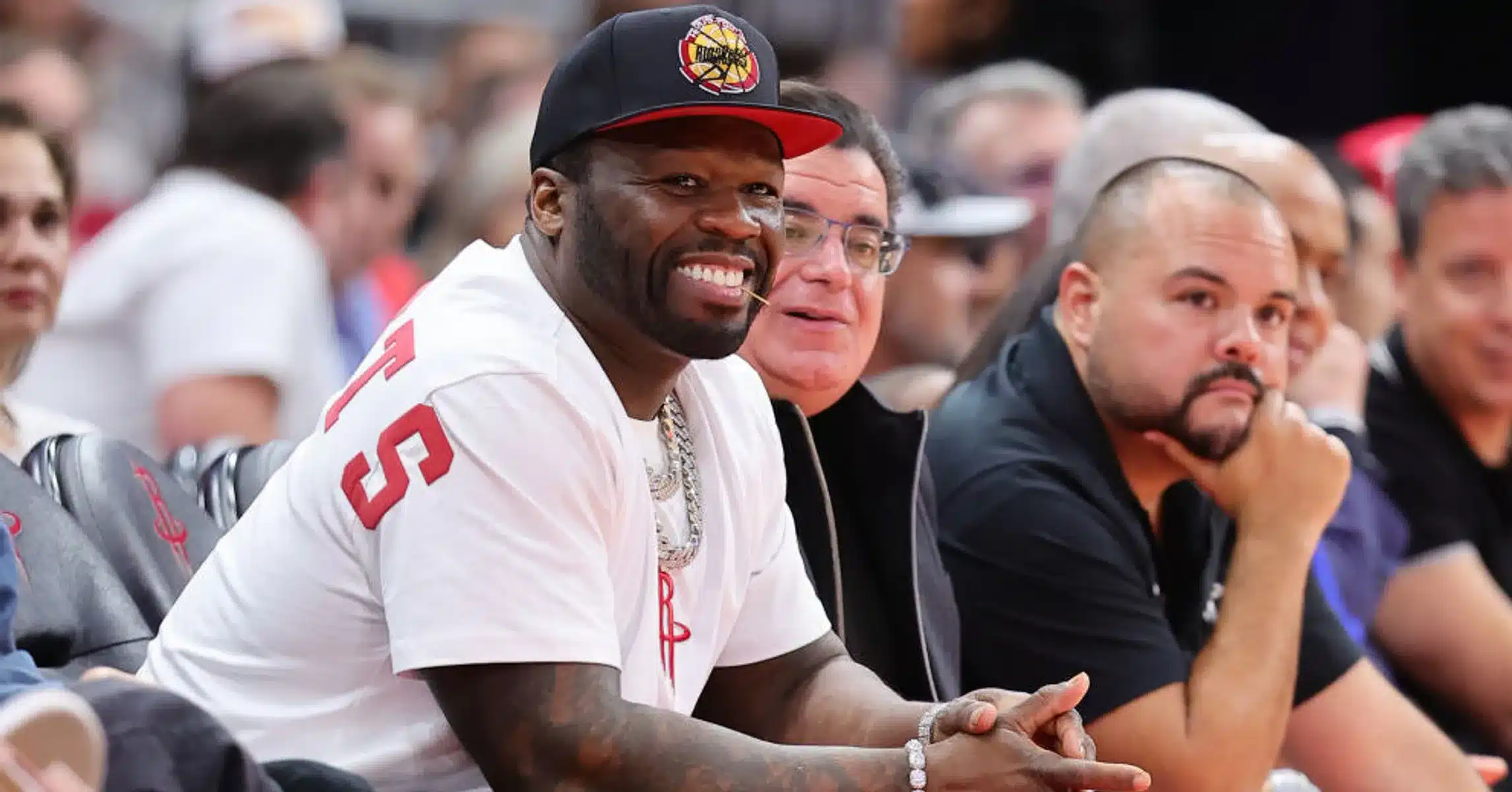
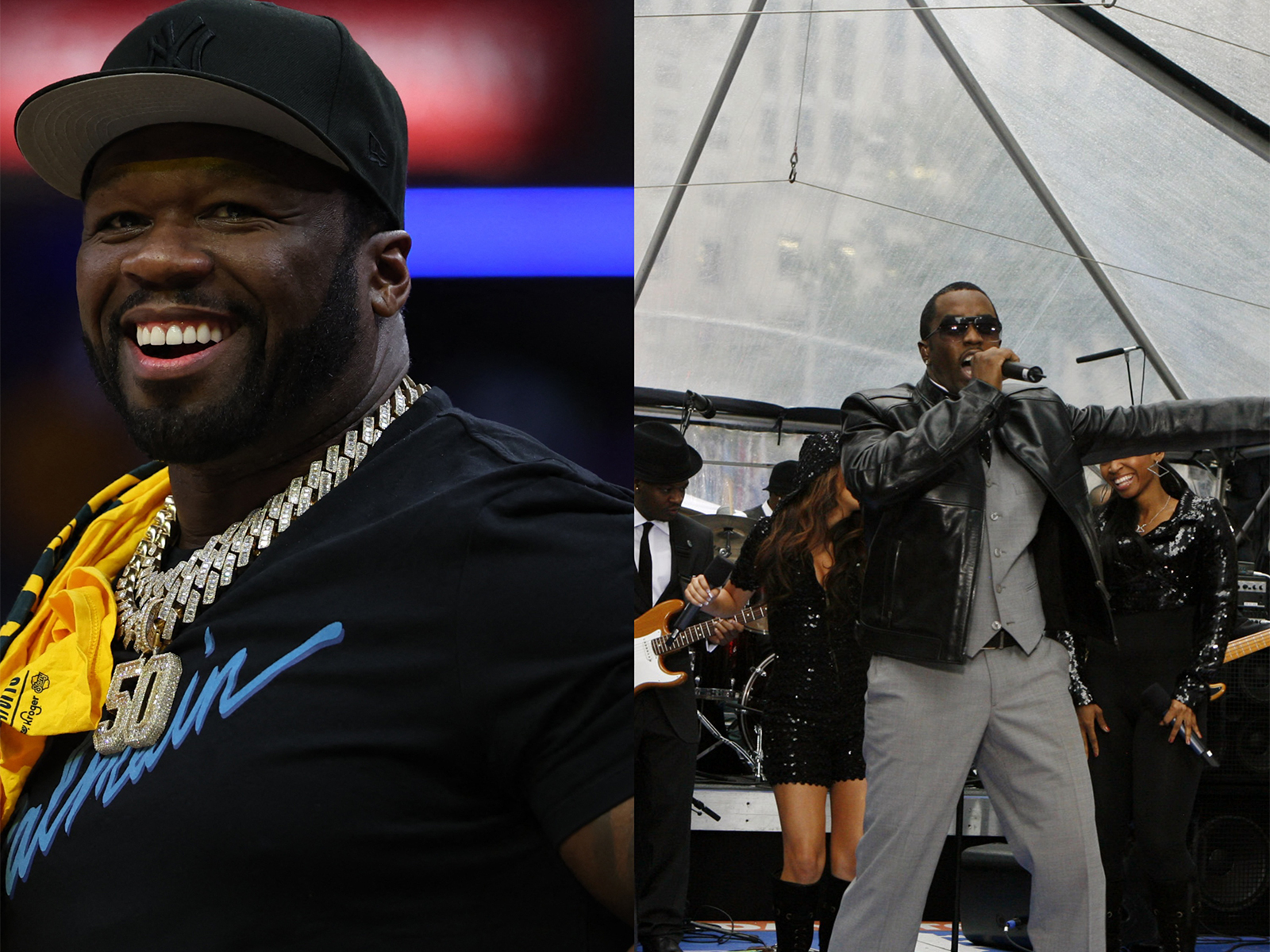
The "viral comment" that recently shocked the entertainment world refers to 50 Cent’s relentless social media commentary following the 2024 federal investigations and subsequent legal challenges faced by Sean "Diddy" Combs. By leveraging his massive platform to critique Diddy’s legal troubles and personal history, 50 Cent transformed a decade-old rivalry into a modern digital case study on "troll marketing" and celebrity accountability.
The Origins of a Decades-Long Hip-Hop Rivalry
To understand why a single comment or social media post from 50 Cent (Curtis Jackson) can "break the internet," one must look back at the historical friction between him and Sean "Diddy" Combs. Unlike many hip-hop beefs that exist solely within the lyrics of a song, the animosity between Jackson and Combs has always been a mix of professional competition, personal distaste, and strategic branding.
The friction arguably began in earnest in 2006 with 50 Cent’s song "The Bomb." In the lyrics, Jackson made thinly veiled allegations regarding Combs' supposed knowledge of the events surrounding the death of the Notorious B.I.G. While the track did not lead to a physical confrontation, it set the tone for the next twenty years: 50 Cent would play the role of the unfiltered disruptor, while Diddy attempted to maintain the image of the untouchable industry mogul.
Throughout the 2010s, this rivalry moved into the boardroom. As 50 Cent launched his spirits brands, including Le Chemin du Roi and Branson Cognac, he frequently targeted Diddy’s Cîroc partnership. 50 Cent’s "no Puffy juice" campaign was more than just a joke; it was a calculated attempt to siphon market share from a competitor by making the competitor's brand seem "uncool" or associated with an older, less authentic era of hip-hop. By the time the viral comments of 2024 and 2025 arrived, the foundation for this digital warfare had been laid for nearly two decades.
The 2024 Turning Point: From Memes to Federal Allegations
The nature of the feud changed significantly in late 2023 and early 2024. When Cassie Ventura filed a lawsuit against Combs—which was settled within 24 hours—the floodgates of public scrutiny opened. While many industry figures remained silent, 50 Cent became the most vocal commentator on the situation.
The "comment that broke the internet" often refers to 50 Cent's reaction to the March 2024 federal raids on Diddy’s homes in Los Angeles and Miami. Jackson’s post—"Now it’s not Diddy do it, it’s Diddy done"—instantly went viral, garnering millions of likes and shares across Instagram and X (formerly Twitter). This was not just a witty remark; it signaled a shift in the power dynamic of the music industry. 50 Cent was no longer just a rapper complaining about a rival; he was positioning himself as a truth-teller in an industry often accused of protecting its own.
As the legal situation for Combs grew more complex in 2025, involving multiple civil lawsuits and federal indictments, 50 Cent’s commentary moved beyond simple jokes. He began highlighting specific details from court filings, such as the now-infamous "1,000 bottles of baby oil" mentioned in federal documents. By turning these disturbing allegations into viral memes, 50 Cent ensured that the gravity of the situation remained at the forefront of the public consciousness, preventing the story from being buried by the traditional PR cycles that Diddy had mastered in previous decades.
The Power of "Troll Marketing" and Digital Dominance
50 Cent’s ability to "shock" the public is not accidental. He has mastered a form of digital engagement often called "troll marketing." This strategy involves using controversy, humor, and relentless posting to stay relevant in the 24-hour news cycle. In the context of the Diddy situation, 50 Cent used this strategy to achieve several goals:
- Audience Retention: By being the first to post about every new development in the Diddy case, he turned his social media profiles into a primary news source for pop culture fans.
- Brand Alignment: He aligned his "tough" and "unfiltered" persona with the concept of accountability. Fans began to see his trolling as a form of social justice, even if the methods were unorthodox.
- Monetization of Conflict: 50 Cent successfully parlayed the viral interest into a business opportunity. He announced a multi-part documentary series titled Diddy Do It? (produced by G-Unit Film & Television), which reportedly sold to Netflix after a high-stakes bidding war.
This approach demonstrates how 50 Cent navigates the modern media landscape. While traditional celebrities hire expensive PR firms to issue carefully worded statements, 50 Cent uses his iPhone to dismantle his opponents' reputations in real-time. This direct-to-consumer conflict bypasses traditional gatekeepers and creates a level of engagement that "official" news outlets struggle to match.
Examining the Cultural Impact on the "Bad Boy" Legacy
The fallout from 50 Cent’s viral comments and Diddy’s legal battles has had a profound impact on the legacy of Bad Boy Records and the overall "Mogul Era" of the 1990s and 2000s. For years, Sean Combs was the symbol of Black excellence and aspirational wealth in hip-hop. The "White Parties" and the "Vote or Die" campaigns were pillars of his public identity.
50 Cent’s relentless commentary helped strip away this polish. By focusing on the "Freak Offs" and the allegations of systemic abuse, Jackson forced the public to re-examine the history of the music industry. This has led to a broader conversation about the "Me Too" movement within hip-hop, a genre that has historically been criticized for its treatment of women and its culture of silence.
As of 2026, the industry is still grappling with these revelations. The "Bad Boy" era is now viewed through a much more critical lens. 50 Cent’s viral comments acted as the catalyst for this re-evaluation, proving that social media influence can be more powerful than a multi-million dollar legal defense when it comes to the court of public opinion.
Comparative Overview of Public Standing and Business Ventures
The following table compares the trajectories of 50 Cent and Sean "Diddy" Combs as of 2026, highlighting the differences in their current public and professional standing.
| Feature | 50 Cent (Curtis Jackson) | Sean "Diddy" Combs |
|---|---|---|
| Primary Media Focus | G-Unit Film & TV, Power Universe | Legal Defense, Civil Lawsuits |
| Public Sentiment | Viewed as a Disruptor/Whistleblower | Faces Significant Public Backlash |
| Business Strategy | Content Creation & Spirits | Divestment (Revolt TV, e.g.) |
| Viral Presence | Aggressive, Offensive, Humorous | Limited to Official Legal Statements |
| Documentary Status | Producer of Diddy Do It? | Subject of Multiple Investigations |
| Industry Influence | Growing (Expanding into Broadcast) | Declining (Loss of Partnerships) |
The Role of the Documentary: "Diddy Do It?"
One of the most significant outcomes of 50 Cent’s viral campaign is the production of the documentary series Diddy Do It?. This project represents a new frontier in celebrity feuds: the commercialization of a rival's downfall through high-quality investigative journalism.
50 Cent has stated that the proceeds from the documentary will go to victims of sexual assault, a move that helped insulate him from criticisms that he was merely "clout chasing." The documentary aims to provide a comprehensive look at the allegations, featuring interviews with former associates, legal experts, and individuals who were present during the events in question. By taking this story to a platform like Netflix, 50 Cent has ensured that his "shocks" and "viral comments" are archived into a permanent historical record, rather than just disappearing into the social media feed.
Why This Mattered in 2025 and 2026
In 2025, the documentary became a focal point for legal discussions. Diddy’s legal team reportedly attempted to block certain aspects of the production, citing potential prejudice in upcoming trials. However, the momentum generated by 50 Cent’s initial viral comments made the project nearly impossible to stop. It served as a reminder that in the digital age, information control is an illusion once a story gains sufficient social velocity.
FAQ: Common Questions Regarding the 50 Cent and Diddy Situation
What started the beef between 50 Cent and Diddy?
The rivalry officially began in 2006 when 50 Cent released the song "The Bomb," which contained lyrics suggesting Diddy had prior knowledge of the 1997 shooting of the Notorious B.I.G. This was followed by years of competition in the spirits industry, where 50 Cent’s brands directly competed with Diddy’s Cîroc.
Is the 50 Cent documentary about Diddy actually coming out?
Yes, the documentary series, titled Diddy Do It?, was produced by G-Unit Film & Television. After a significant bidding war in late 2024, it was acquired by a major streaming platform (Netflix). 50 Cent has confirmed that the project is a deep dive into the allegations against Combs.
How did the "1,000 bottles of baby oil" comment start?
The "baby oil" comment originated from federal court documents unsealed in 2024 following the indictment of Sean Combs. The documents alleged that federal agents found over 1,000 bottles of baby oil and lubricant during raids on his properties. 50 Cent used this specific detail in numerous viral social media posts to mock Combs.
Did Diddy ever respond to 50 Cent's viral comments?
Diddy has largely refrained from responding directly to 50 Cent’s social media posts. Instead, his legal team has issued several statements condemning the "public lynching" of his character and dismissing 50 Cent’s commentary as a desperate attempt to stay relevant.
What is the status of the federal cases in 2026?
As of 2026, the legal proceedings involving Sean Combs are ongoing. He has faced a series of federal charges related to sex trafficking and racketeering, along with numerous civil suits. The trials have been among the most high-profile in the history of the music industry.
Navigating Celebrity News and Verifying Viral Claims
When consuming news about high-profile celebrity feuds like the one between 50 Cent and Diddy, it is essential to distinguish between "troll content" and verified legal facts. 50 Cent’s social media posts are often designed to provoke a reaction and may include hyperbole or unverified rumors. To remain accurately informed, readers should cross-reference viral social media comments with official court records and reporting from reputable investigative outlets.
The most effective next step for those following this story is to monitor the official updates from the Southern District of New York (SDNY) regarding federal proceedings. While 50 Cent’s commentary provides a window into the cultural temperature of the moment, the legal outcomes will ultimately be decided by the evidence presented in a court of law, not the number of likes on an Instagram post.