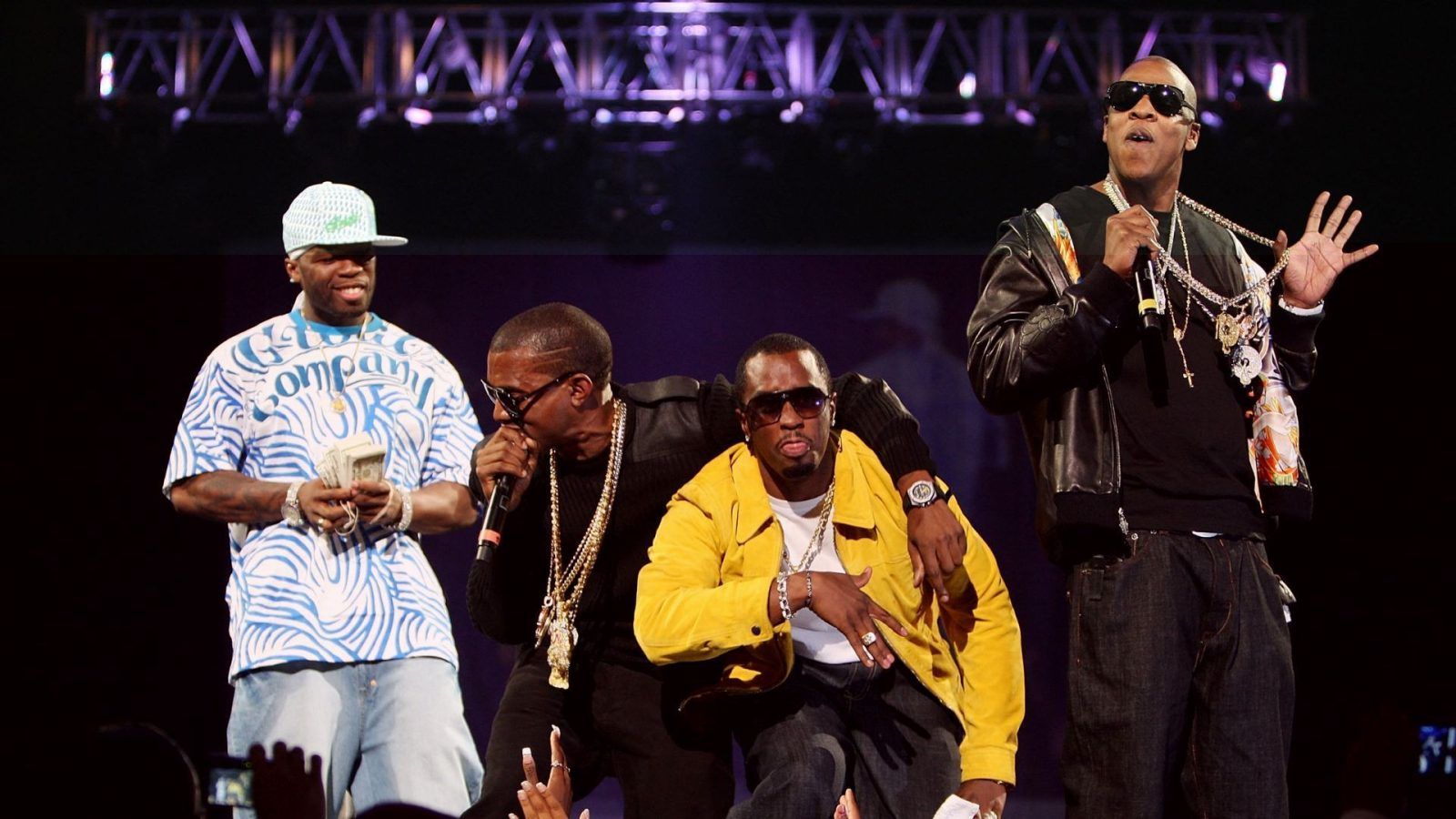
Curtis "50 Cent" Jackson III is a multi-faceted entrepreneur, award-winning rapper, and television mogul whose career serves as a masterclass in brand diversification and financial resilience. As of 2026, his net worth is estimated to be between $450 million and $500 million, driven by his massive television production deals, spirit brands, and long-standing investments.
The Genesis of Curtis Jackson: From Queens to Global Stardom
Before becoming a household name in business, Curtis Jackson’s journey began in South Jamaica, Queens. His early life was defined by the harsh realities of the crack cocaine epidemic in the 1980s, a period that informed his later lyrical content and "hustler" mentality. This background is critical to understanding his business approach: Jackson views the corporate world through the lens of survival and strategic dominance.
His musical breakthrough occurred in 2002 after being discovered by Eminem and signed to Shady Records and Aftermath Entertainment. His debut album, Get Rich or Die Tryin' (2003), sold over 12 million copies, but it was his business acumen during this period that set him apart. Unlike his peers who sought standard record deals, Jackson leveraged his momentum to build G-Unit Records and G-Unit Clothing, creating a vertically integrated lifestyle brand from the outset.
The Vitaminwater Blueprint: A Landmark in Artist Equity
The most significant turning point in Jackson’s financial trajectory was his partnership with Glacéau, the maker of Vitaminwater. While most celebrities in the early 2000s were accepting flat fees for endorsements, Jackson negotiated for a minority equity stake in exchange for promoting "Formula 50."
When Coca-Cola acquired Glacéau in 2007 for $4.1 billion, Jackson’s minority stake reportedly netted him an estimated $100 million post-tax. This event fundamentally changed the way hip-hop artists approached brand partnerships, shifting the focus from "work for hire" to "equity and ownership." This deal provided the liquid capital necessary for Jackson to weather future economic shifts and invest in his subsequent ventures.
The Television Empire: G-Unit Film & Television
By 2026, Jackson’s influence in the entertainment industry has transitioned from the recording booth to the executive producer's chair. His partnership with the Starz network, which began with the 2014 debut of Power, evolved into one of the most successful television franchises in cable history.
The "Power Universe"—including spin-offs like Raising Kanan, Force, and Ghost—consistently dominates ratings among key demographics. Beyond Starz, Jackson’s G-Unit Film & Television company has secured expansive deals with Fox and other major streamers. His ability to identify "street-level" narratives with high production value has made him a titan of modern television production, generating hundreds of millions in licensing fees and production budgets.
Sire Spirits and the Premium Beverage Market
A major component of Jackson’s current net worth is Sire Spirits, which houses his premium brands: Le Chemin du Roi champagne and Branson Cognac. Much like his Vitaminwater strategy, Jackson uses his massive social media presence and global tours to market these brands directly to consumers.
Sire Spirits has secured high-profile partnerships with professional sports teams, including the Houston Rockets, Sacramento Kings, and the Indiana Pacers. These "official spirit" designations provide his brands with stadium visibility and exclusive pouring rights, significantly increasing the valuation of the company. In the competitive luxury spirits market, Jackson’s hands-on approach to distribution and marketing has allowed Sire Spirits to compete with legacy brands owned by multinational conglomerates.
Financial Analysis: Understanding the 2015 Bankruptcy
To accurately explain 50 Cent’s net worth, one must address his 2015 Chapter 11 bankruptcy filing. While often misunderstood by the public as a sign of poverty, the filing was a strategic legal maneuver. Following a multi-million dollar judgment in a privacy lawsuit and a failed business venture with Sleek Audio, Jackson used Chapter 11 to reorganize his debts and protect his long-term assets.
By 2017, Jackson had paid off $22 million in debt and emerged from bankruptcy with his core business entities intact. This period showcased his ability to navigate complex legal and financial systems to preserve wealth, a skill that has contributed to his sustained growth over the following decade.
Comparative Overview of 50 Cent’s Business Portfolio
The following table outlines the primary pillars of Jackson’s financial empire and their impact on his career trajectory.
| Business Entity | Industry | Role | Key Financial Impact |
|---|---|---|---|
| G-Unit Records | Music | Founder/CEO | Distributed over 30 million albums; foundational wealth. |
| Glacéau (Vitaminwater) | Beverage | Equity Partner | Estimated $100M payout; pioneered artist equity. |
| G-Unit Film & TV | Media | Executive Producer | Multi-year deals worth over $150M; recurring revenue. |
| Sire Spirits | Alcohol | Owner | Valuation driven by NBA/NFL stadium partnerships. |
| SMS Audio | Technology | Founder | Diversified holdings into consumer electronics. |
| SMS Promotions | Sports | Founder | Managed boxing careers; specialized niche marketing. |
The "Power" of Branding: Marketing and Social Influence
Jackson’s most undervalued asset is his mastery of social media and public relations. He utilizes a "scorched earth" marketing tactic, often engaging in public feuds or "trolling" to keep his name—and by extension, his products—in the news cycle. Whether he is promoting a new episode of BMF (Black Mafia Family) or a bottle of Branson Cognac, Jackson understands that attention is the primary currency of the digital age.
His ability to convert social media followers into customers for his premium spirits or viewers for his television shows is a blueprint for the modern "celebrity-entrepreneur." By 2026, this direct-to-consumer relationship has insulated him from traditional industry gatekeepers, allowing him to maintain higher margins on his ventures.
FAQs About 50 Cent’s Career and Finances
Is 50 Cent a billionaire?
As of 2026, 50 Cent is not officially confirmed as a billionaire by major financial publications like Forbes or Bloomberg. While his total career earnings exceed $1 billion, his current net worth is estimated in the $450M to $500M range. The discrepancy is due to taxes, management fees, lifestyle expenses, and the legal settlements paid out during his bankruptcy reorganization.
How did the Vitaminwater deal work?
Unlike traditional endorsement deals where a celebrity is paid a flat fee for a commercial, Jackson negotiated for a 10% equity stake in the parent company, Glacéau. He became a "brand ambassador" and helped develop the "Formula 50" flavor. When Coca-Cola purchased the company for $4.1 billion in 2007, his equity stake became liquid, resulting in a massive windfall that dwarfed his music earnings at the time.
Does 50 Cent still own his music catalog?
Jackson has maintained significant control over his G-Unit catalog, although many of his early solo hits were under Shady/Aftermath/Interscope. In recent years, he has focused more on the licensing of his music for his own television productions, which allows him to "self-syndicate" and avoid the high costs of licensing external music for his shows.
What happened with the 50 Cent bankruptcy?
In 2015, Jackson filed for Chapter 11 bankruptcy after being ordered to pay $7 million in a lawsuit involving a leaked video and a $17 million judgment regarding a headphone deal with Sleek Audio. The filing allowed him to pause the collection of these debts while he restructured his finances. He completed his bankruptcy payment plan in early 2017, paying out a total of $22.1 million to his creditors.
What is 50 Cent's most profitable venture currently?
In 2026, his television production arm, G-Unit Film & Television, is his most consistent and profitable venture. The "Power" franchise remains a massive asset, and his production deals with major networks provide steady, high-margin revenue that does not require the physical demands of touring or the inventory risks of the spirits business.
Building a Legacy of Resilience
For those looking to understand the "50 Cent blueprint," the key takeaway is diversification. Jackson never relied solely on his talent as a rapper. Instead, he used music as a launchpad to acquire equity in other industries. His career demonstrates that long-term wealth is built through ownership rather than high salaries.
Aspiring entrepreneurs can learn from Jackson’s focus on the "back-end" of deals. By prioritizing equity and production rights over upfront cash, he built an empire that survived the decline of the physical music industry and the turbulence of personal legal battles. In 2026, Jackson stands as a testament to the power of strategic reinvention, successfully pivoting from a controversial rapper to one of the most influential executives in global entertainment.