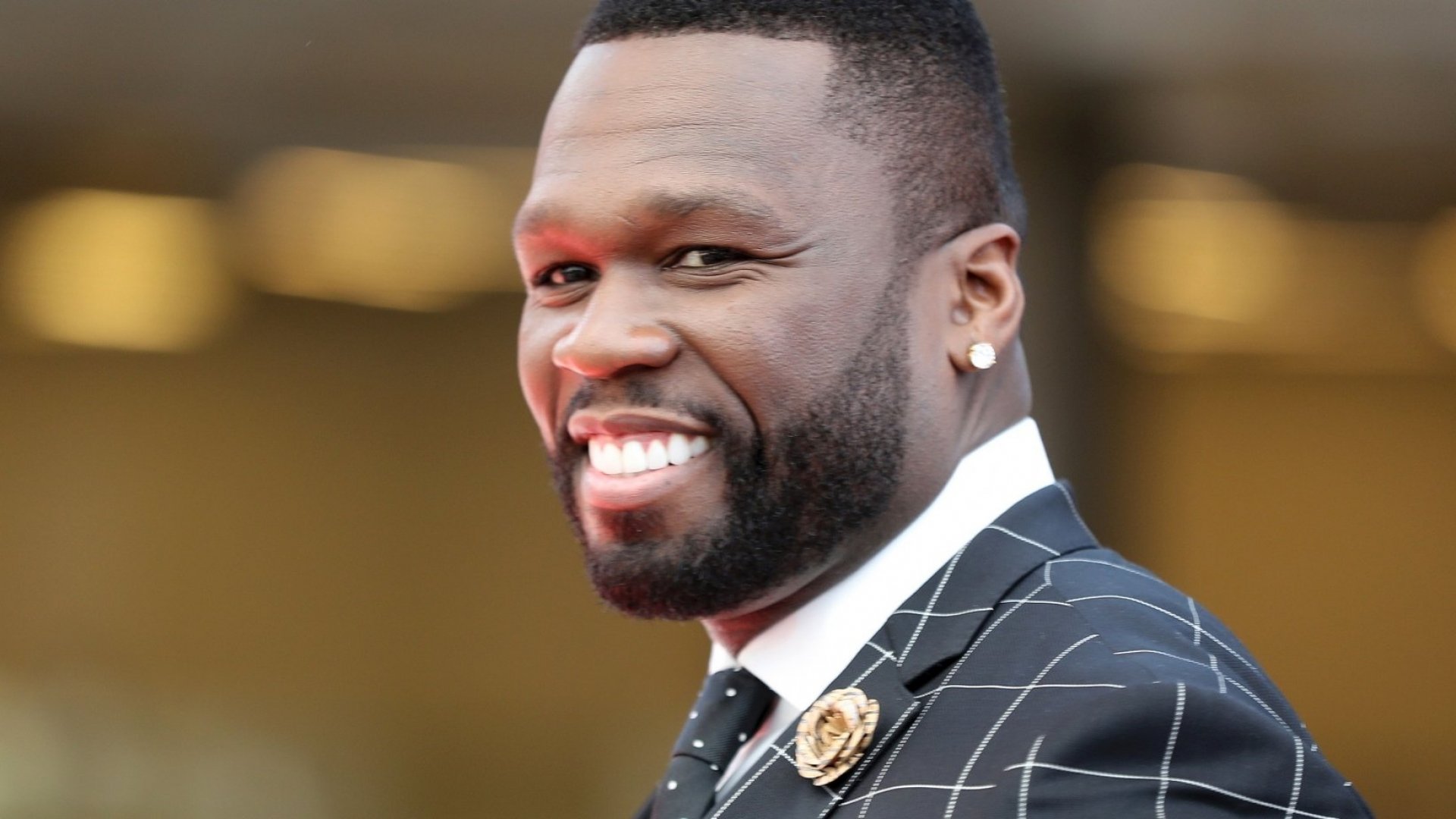
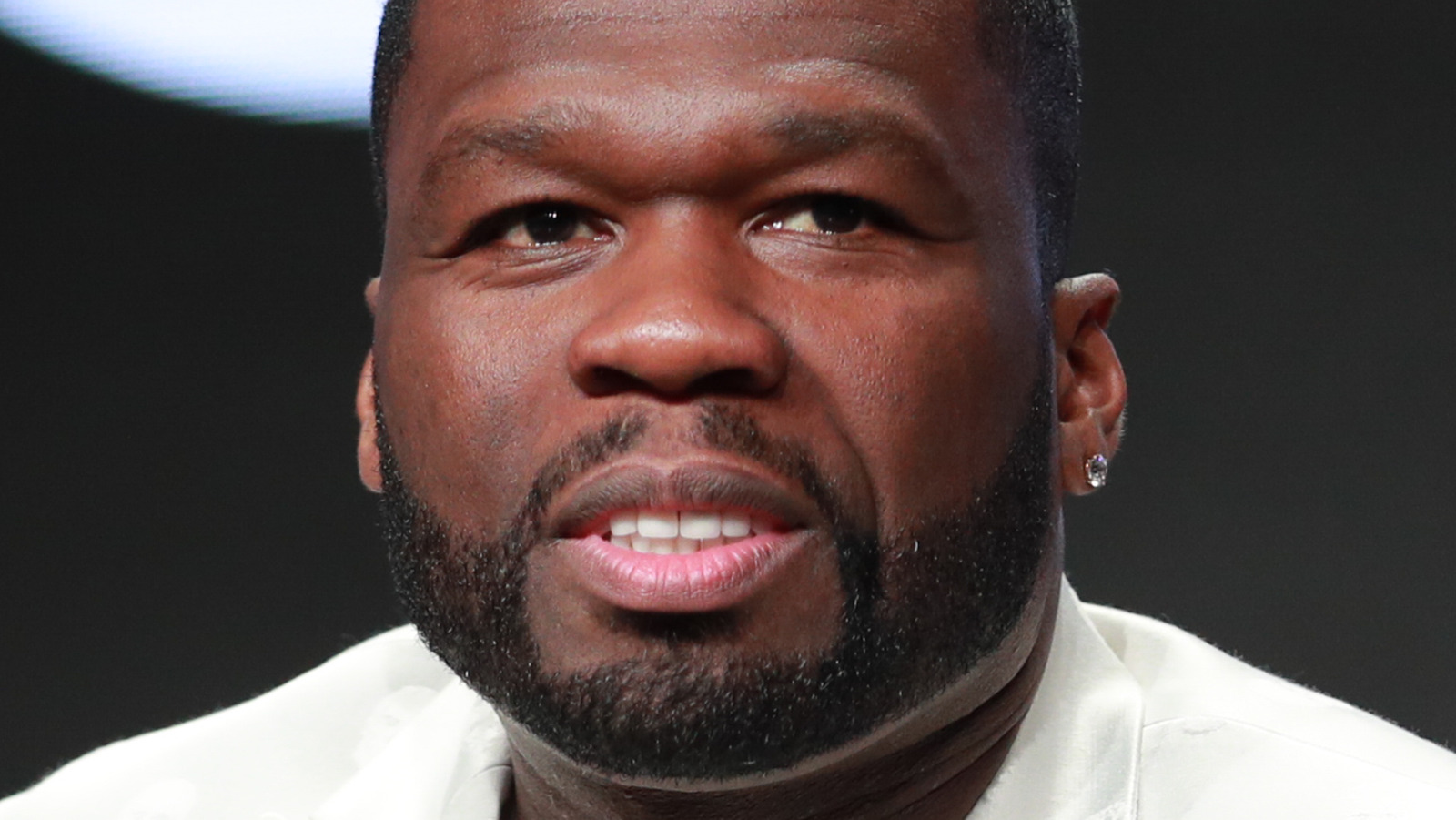
As of 2026, Curtis "50 Cent" Jackson’s net worth is estimated to be approximately $180 million to $210 million. While this figure is a far cry from the $500 million valuation some analysts attributed to him during the height of the Vitaminwater era, it represents a remarkable financial recovery following a strategic Chapter 11 bankruptcy filing in 2015.
The financial journey of 50 Cent is one of the most complex and analyzed narratives in the entertainment industry. It is not merely a story of music sales, but a case study in equity deals, intellectual property management, and the tactical use of legal frameworks to preserve wealth. From his record-breaking debut in the early 2000s to his current dominance in the television industry, Jackson has transitioned from a hip-hop icon to a sophisticated corporate mogul.
From the Streets to the Studio: The Initial Wealth Explosion
The foundation of 50 Cent’s riches began with one of the most lucrative record deals in the history of hip-hop. After being discovered by Eminem and signed to a joint venture between Shady Records, Aftermath Entertainment, and Interscope in 2002, Jackson received a $1 million advance. However, the real wealth was generated by the unprecedented success of his debut album, Get Rich or Die Tryin’, which sold over 12 million copies worldwide by the end of 2003.
During this period, Jackson’s income streams were highly diversified. He established G-Unit Records, which signed high-profile artists like Lloyd Banks and Young Buck, and launched G-Unit Clothing through a partnership with Marc Ecko. By 2004, the G-Unit brand was generating upwards of $100 million in retail sales annually. This early success provided the liquid capital necessary for Jackson to move beyond the traditional "talent-for-hire" model and into the realm of equity-based entrepreneurship.
The Vitaminwater Masterclass: Changing the Celebrity Endorsement Game
The most significant milestone in the "real story" of 50 Cent’s riches is the 2007 sale of Glacéau, the parent company of Vitaminwater, to Coca-Cola for $4.1 billion. Unlike other celebrities who took flat fees for endorsements, Jackson negotiated a minority equity stake in exchange for becoming the face of the "Formula 50" beverage.
While the exact percentage of his ownership was never publicly disclosed, industry analysts and SEC filings suggested his stake was between 2.5% and 10%. After taxes and management fees, Jackson’s payout from the Coca-Cola acquisition was estimated to be between $60 million and $100 million. This single transaction fundamentally changed the blueprint for celebrity business deals, shifting the focus from short-term sponsorship income to long-term capital gains through equity.
The Chapter 11 Saga: Fact vs. Fiction in the 2015 Bankruptcy
In July 2015, headlines shocked the public by claiming 50 Cent was "broke" after he filed for Chapter 11 bankruptcy protection. To understand the real story behind his riches, one must distinguish between "liquidity" and "insolvency." The filing was a strategic legal maneuver triggered by a $7 million legal judgment involving a private video of Lastonia Leviston and a $17.2 million judgment related to a failed headphone venture (Sleek Audio).
By filing for Chapter 11, Jackson was able to halt the collection of these massive judgments while reorganizing his finances. At the time of the filing, his assets were valued around $20 million, while his debts were reported near $36 million. The bankruptcy process was not an admission of total poverty but a tool to restructure debt.
In 2017, Jackson was discharged from bankruptcy early after paying back approximately $23 million to his creditors. He utilized his ongoing income from television and music to satisfy the court-ordered repayment plan ahead of schedule, proving that his earning potential remained intact despite the legal setbacks.
The Starz Partnership and the Television Empire
Post-bankruptcy, 50 Cent pivoted his primary focus from the music industry to premium cable television. His partnership with Starz (now a subsidiary of Lionsgate) has become the cornerstone of his 2026 net worth. As an executive producer and star of Power, Jackson created one of the most successful franchises in cable history.
The "Power Universe," which includes spin-offs like Ghost, Raising Kanan, and Force, turned Jackson into a television powerhouse. In 2018, he signed a four-year deal with Starz reportedly worth as much as $150 million. This deal included an overall set of commitments for G-Unit Film & Television to produce new content, such as BMF (Black Mafia Family). By 2026, his production company has become a primary driver of his wealth, providing steady executive producer fees, backend residuals, and licensing revenue.
Spirits and Lifestyle: The High-End Diversification
Beyond the screen, 50 Cent has replicated his Vitaminwater success in the adult beverage industry through Sire Spirits. His brands, Le Chemin du Roi (champagne) and Branson Cognac, have secured massive distribution deals and high-profile sports partnerships.
Major Financial Pillars of the 50 Cent Empire
| Venture | Category | Estimated Financial Impact | Status as of 2026 |
|---|---|---|---|
| G-Unit Film & TV | Television Production | $150M+ in contract value | Primary Income Driver |
| Sire Spirits | Luxury Alcohol | $50M - $100M Valuation | Rapidly Growing |
| Music Catalog | Intellectual Property | $20M - $30M (Estimated) | Passive Royalty Stream |
| Brand Endorsements | Partnerships | $5M - $10M Annually | High-Margin Revenue |
| Real Estate & Assets | Personal Holdings | $15M - $25M | Stable Equity |
Sire Spirits has famously signed multi-year deals with several NBA and NFL teams, including the Houston Rockets, Sacramento Kings, and the Washington Commanders. These partnerships allow his brands to be the exclusive spirits served in stadiums, creating a massive retail footprint. In 2024 and 2025, Jackson was involved in high-stakes litigation against Beam Suntory, alleging a multi-million dollar kickback scheme that he claims embezzled funds from his company. The resolution of these legal battles continues to impact his total valuation.
Investment Strategy: How 50 Cent Protects His Capital
The "real story" of 50 Cent’s riches is also about his disciplined approach to expenditure and investment following his bankruptcy. Jackson has often spoken about the "lifestyle trap" that many entertainers fall into. Since 2017, his investment strategy has focused on three core areas:
- Low-Overhead Digital Media: Utilizing his massive social media following (over 30 million on Instagram) to market his products directly to consumers, bypassing traditional advertising costs.
- Litigation as a Business Tool: Jackson is known for aggressively protecting his brand through the court system, whether it is suing for unauthorized use of his likeness or protecting his equity in business deals.
- Real Estate Liquidation: He famously sold his 52-room Connecticut mansion—which cost him approximately $60,000 per month in maintenance—for $2.9 million in 2019, donating the proceeds to his G-Unity Foundation. This move eliminated a significant "money pit" from his balance sheet.
Frequently Asked Questions
Did 50 Cent actually lose all his money in 2015?
No. The Chapter 11 filing was a legal restructuring of debt, not a total loss of assets. While the court required him to pay back $23 million, he maintained ownership of his production company and several other key business entities that allowed him to rebuild his liquid wealth rapidly.
How much did 50 Cent make from the Vitaminwater deal?
Most credible financial reports, including those from Forbes and The Wall Street Journal, estimate his take-home pay was between $60 million and $100 million after taxes and the distribution of shares among his management team.
Is 50 Cent a billionaire?
Despite his own lyrics and public persona often referencing the "billion-dollar" mark, 50 Cent is not currently a billionaire. His net worth in 2026 remains in the high nine-figure range. Achieving billionaire status would likely require a massive sale of his Sire Spirits brand or his production company, similar to the Vitaminwater exit.
Does 50 Cent own his music masters?
Jackson has a complicated history with his masters. While he owns a significant portion of his later work and his G-Unit catalog, his earliest hits are largely owned by Shady/Aftermath/Interscope. However, he continues to earn substantial royalties as a performer and songwriter.
How does 50 Cent's net worth compare to Jay-Z or Diddy?
As of 2026, 50 Cent’s net worth is lower than that of Jay-Z (who is a multi-billionaire). While 50 Cent is a highly successful mogul, Jay-Z’s broader diversification into fine art, tech startups, and the massive sale of luxury brands like Ace of Spades has put him in a different financial tier.
Strategic Takeaway for Building Resilient Wealth
The primary lesson from 50 Cent’s financial history is the importance of equity over salary. Jackson’s most significant wealth events—the Vitaminwater sale and the Starz production deal—were rooted in ownership and intellectual property rather than hourly or per-performance pay.
For those looking to apply these principles, the focus should be on building or acquiring assets that generate revenue independently of your physical presence. Whether through small business ownership, stock equity, or digital products, the "50 Cent model" proves that while talent gets you in the door, ownership is what keeps the lights on during legal or industry downturns. His 2026 standing is a testament to the fact that a "setback" in the form of bankruptcy can be used as a platform for a more disciplined and lucrative second act.