The 50-cent McDonald’s burger deal is worth the hype for consumers who already use the McDonald’s app and are making a small additional purchase, as it offers a significant discount—often over 80%—compared to standard 2026 menu prices. However, the requirement for digital ordering and a $1 minimum spend makes it less of a "free lunch" and more of a strategic loss-leader designed to drive app engagement.
Understanding the Anatomy of the 50 Cent Burger Promotion
The 50-cent burger promotion is a recurring marketing event typically tied to National Cheeseburger Day (September 18th) or specific "App Anniversary" milestones. In 2026, McDonald’s continues to use this price point as a powerful psychological anchor. While the headline price of 50 cents suggests a return to mid-20th-century pricing, the promotion is strictly regulated through the McDonald's Global Mobile App.
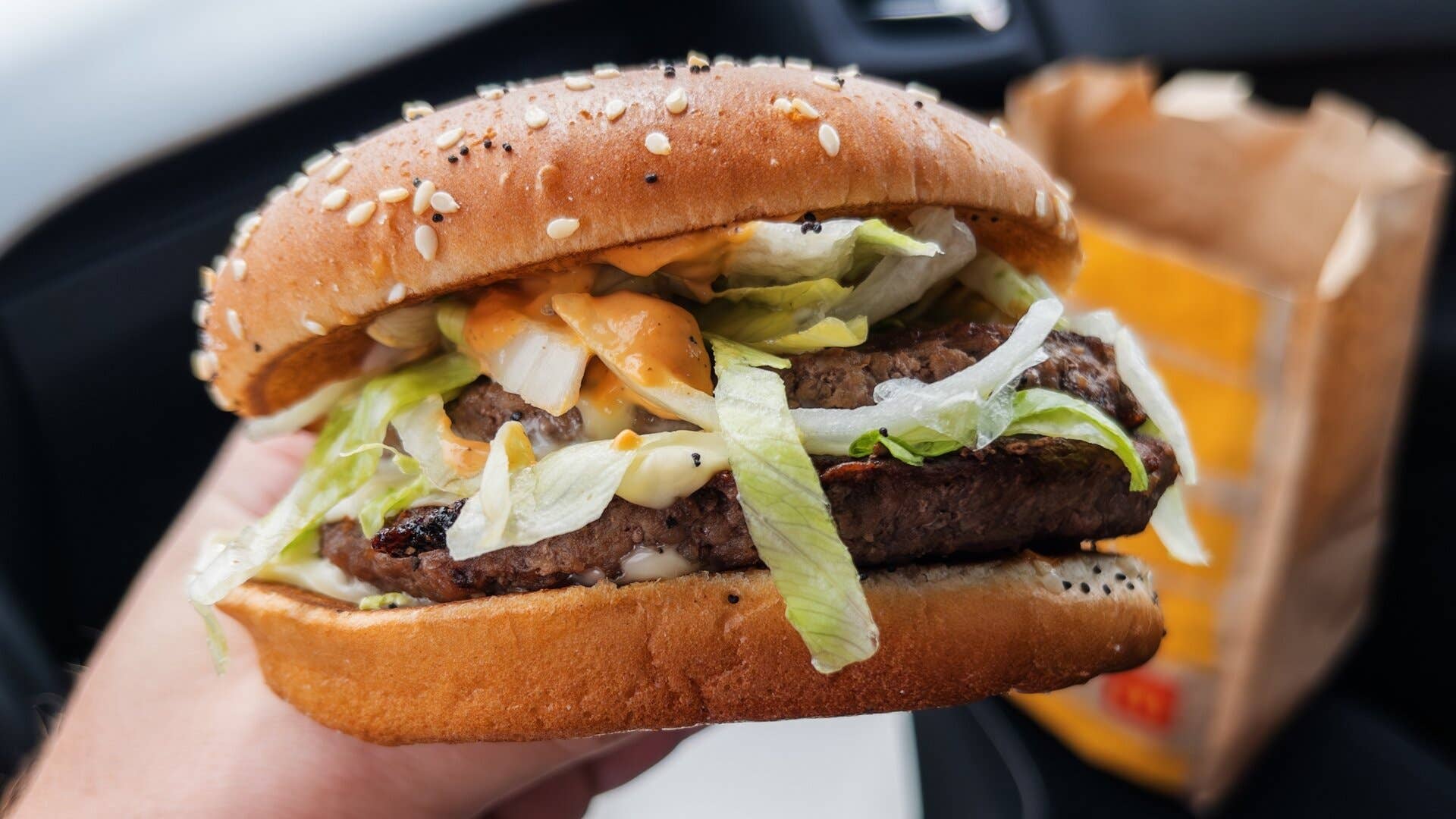
Typically, the offer applies specifically to the standard Double Cheeseburger, which consists of two 100% pure beef patties seasoned with just a pinch of salt and pepper. The burger is topped with tangy pickles, chopped onions, ketchup, mustard, and two slices of melty American cheese. For many, the "hype" stems from the massive delta between the promotional price and the current market rate for beef and dairy, which have seen consistent inflationary pressure over the last few years.
To access the deal, users must be members of the MyMcDonald’s Rewards program. This allows the company to exchange a low-cost meal for valuable consumer data and foot traffic. The offer is almost always limited to one per customer, preventing "bulk buying" at the promotional rate, which reinforces its status as a limited-time, high-value "get" for the individual consumer.
Eligibility and Technical Requirements in 2026
Claiming a 50-cent burger in 2026 requires more than just walking up to a counter with a handful of change. The process is entirely digitized, reflecting the industry's shift toward "frictionless" commerce that prioritizes data collection.
- The App Prerequisite: You must have the McDonald's app installed and an active account. In 2026, this often requires two-factor authentication or a verified email to prevent the creation of "burner" accounts used to exploit one-time deals.
- Location Services: The deal is frequently restricted to "participating locations." Users must enable location services so the app can verify they are within the geofence of a restaurant currently honoring the promotion.
- The $1 Minimum Purchase Rule: One aspect of the hype that is often overlooked in social media "life hack" videos is the purchase requirement. To unlock the 50-cent price, you usually must spend at least $1 on another item. This is a classic "loss-leader" strategy; while the burger is cheap, the profit is recovered through the sale of a high-margin small fry or a soft drink.
- Digital Payment: Most of these deals require the order to be placed and paid for within the app. This means having a credit card, debit card, or digital wallet (like Apple Pay or Google Pay) linked to your profile.
The Financial Reality: Comparing Costs and Savings
To determine if the deal is truly "worth it," one must look at the 2026 fast-food economic landscape. With the average cost of a Double Cheeseburger in many urban markets hovering between $3.50 and $4.50, a 50-cent price tag represents an undeniable bargain.
| Metric | Promotional Price | Standard 2026 Price (Est.) | Total Savings |
|---|---|---|---|
| Double Cheeseburger | $0.50 | $3.89 | 87% |
| With $1 Small Drink | $1.50 | $5.39 | 72% |
| Time Investment | ~15 Minutes | ~5 Minutes | -200% (Time Loss) |
| Data Exchange | App Access | Anonymous | N/A |
The table above illustrates that while the monetary savings are objective, there is a "hidden cost" in time and privacy. During peak promotion hours, the McDonald’s app has been known to experience latency, and drive-thru lines can swell significantly. For a professional whose time is valued at $30/hour, spending an extra 20 minutes in a queue to save $3.39 might actually result in a net loss of "value."
Why the "Hype" Can Lead to Frustration
The viral nature of 50-cent burger deals often leads to a disconnect between consumer expectations and the reality of the experience. The hype is generated by social media influencers who showcase a seamless transaction, but the average user may encounter several hurdles.
Technical Failure and App Crashes
When millions of users attempt to access the same digital coupon simultaneously, server strain is inevitable. In previous years, high-profile McDonald's promotions have resulted in the "Deals" section of the app failing to load. For a consumer who drove to the restaurant specifically for the 50-cent burger, a technical glitch can turn a "win" into a frustrating waste of fuel.
The "Sold Out" Phenomenon
While McDonald’s has a robust supply chain, individual franchises may occasionally run out of the specific components (like the 1/10 lb beef patties or specific buns) required for the promotional item if the volume exceeds their daily projections. Unlike standard menu items, franchisees are sometimes less motivated to restock specifically for a loss-leader item during the final hours of a promotion.
Modification Restrictions
The 50-cent deal is almost always for the "as-is" version of the burger. While minor removals (like "no onions") are usually permitted, adding premium toppings like bacon or extra cheese will often trigger the app to revert the item to its full retail price or add a surcharge that significantly diminishes the "50-cent" appeal.
Nutritional and Quality Considerations
Does the quality of the burger change when it costs 50 cents? Legally and operationally, no. McDonald's maintains strict Gold Standard Quality requirements across its supply chain regardless of the sale price.
A standard Double Cheeseburger provides approximately 450 calories, 25 grams of protein, and 24 grams of fat. In 2026, finding 25 grams of protein for $0.50 is virtually impossible in any other retail environment. From a "caloric value per dollar" perspective, this is one of the most efficient food purchases a consumer can make. However, it is important to balance this with the high sodium content (roughly 1,120mg), which represents nearly half of the recommended daily intake for an adult.
The Corporate Strategy: Why Does McDonald's Do This?
To understand the hype, one must understand the motive. McDonald’s is not in the business of losing money. The 50-cent burger serves three primary corporate objectives:
- App Adoption: Every time a user downloads the app to get a cheap burger, McDonald's gains a direct marketing channel to that person’s smartphone. Push notifications are far more effective than traditional television or billboard advertising.
- Market Share Protection: By offering an unbeatable price point, McDonald's keeps consumers from visiting competitors like Burger King or Wendy's. Even if they lose money on the burger, they have "captured" the customer's meal occasion for that day.
- Data Harvesting: The app tracks what else you buy with your 50-cent burger. Do you buy a McFlurry? Do you always visit on Tuesdays? This data allows for personalized pricing and offers that maximize long-term revenue from each user.
FAQ
Can I get more than one burger for 50 cents?
No, these promotions are strictly limited to one per customer, per account. The app's logic is programmed to remove the discount once it has been applied to a single item in your cart. Attempting to use multiple accounts on the same device often triggers a fraud flag that can temporarily lock the app.
Do I need to buy something else to get the deal?
Usually, yes. Most iterations of the 50-cent deal in the 2020s and into 2026 have required a minimum purchase of $1. Common strategies include buying a large soda or a small order of fries to meet the threshold. Always check the "Offer Details" in the app for the specific minimum spend required.
Is the 50-cent burger the same size as a regular one?
Yes. The 50-cent burger is the exact same product as the full-priced version found on the standard menu. McDonald’s does not produce "mini" versions of their burgers specifically for these promotions; they use their existing inventory of 1/10 lb beef patties and standard cheeseburger buns.
Why isn't the deal showing up in my app?
There are several reasons why the deal might be missing. First, ensure you have opted into the MyMcDonald’s Rewards program. Second, check that your location services are on; the deal may not be available in your specific region. Finally, these deals are often "one-day only" or have specific time windows (e.g., after 11:00 AM).
Can I use other rewards points with this deal?
Generally, no. McDonald's systems typically do not allow "stacking" of offers. If you are using the 50-cent burger deal, you cannot simultaneously redeem points for a free order of fries or use another "20% off" coupon in the same transaction.
Strategic Recommendation for Consumers
If you want to maximize the value of the 50-cent McDonald's burger, treat it as a planned snack rather than a primary meal. To ensure it is truly "worth it," place your order through the app 10 minutes before you arrive at the restaurant to bypass potential app-traffic issues.
Avoid the peak lunch (12:00 PM – 1:30 PM) and dinner (5:30 PM – 7:00 PM) rushes, as the "time cost" of waiting in long lines often negates the monetary savings. Finally, stick to the $1 minimum purchase—such as a coffee or a basic side—to keep your total transaction under $2. If you find yourself adding a large meal and a dessert just because you "saved" money on the burger, the marketing hype has successfully led you to spend more than you originally intended.