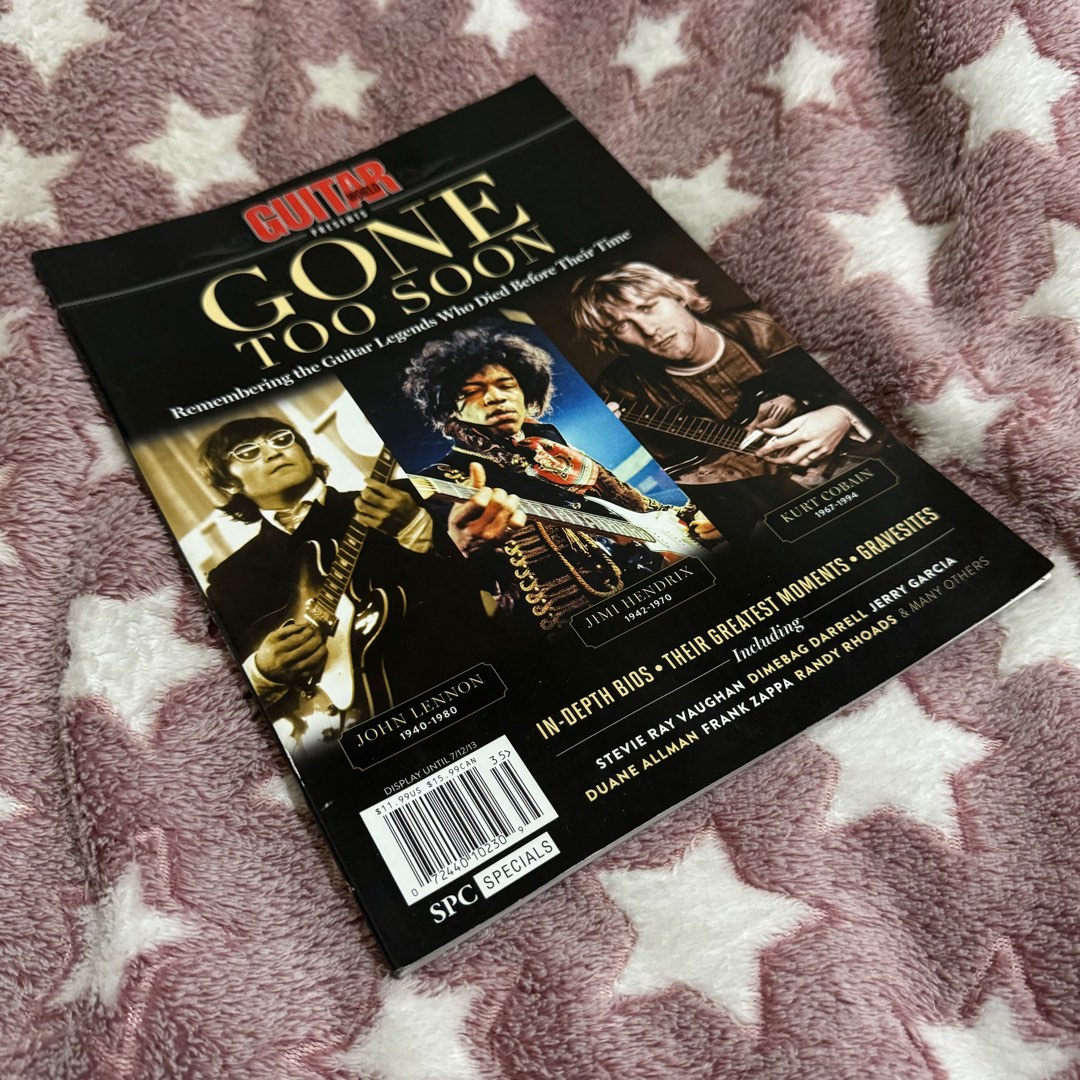
The music industry has been repeatedly shaken by the violent loss of its most influential voices, leaving behind a legacy of "what ifs" and unfinished symphonies. By examining the lives and tragic ends of legends like John Lennon, Selena, Tupac Shakur, Marvin Gaye, and Sam Cooke, we honor their cultural contributions while acknowledging the profound impact their untimely deaths had on global art and security standards for public figures.
The Cultural Impact of Untimely Loss in Music
The death of a prominent musician is rarely just a headline; it is a cultural fracture. When a creator who provides the soundtrack to millions of lives is taken through violence, the collective grieving process is intensified by the sense of injustice and the abrupt halt of creative evolution. In 2026, as we look back on decades of musical history, the resonance of these losses remains as sharp as ever. These individuals were not just performers; they were symbols of social change, cultural bridges, and voices for the marginalized.
The phenomenon of "the legend lost too soon" often stems from the vulnerability that comes with fame. Whether through targeted assassinations, domestic disputes, or the fallout of industry-fueled rivalries, the loss of these five musicians forced the world to reconsider the intersection of celebrity, safety, and the often-volatile environments from which great art emerges. Their stories serve as a testament to the power of their work, which continues to influence new generations of artists long after the final note was silenced.
John Lennon: The Voice of Peace Silenced
John Lennon’s death on December 8, 1980, remains perhaps the most significant assassination in the history of popular music. As a founding member of The Beatles and a prolific solo artist, Lennon had transitioned from a pop idol to a global ambassador for peace. His murder outside his home at The Dakota in New York City by a lone gunman, Mark David Chapman, stunned a world that viewed Lennon as an indestructible force of creative idealism.
Lennon was in a period of personal and professional rebirth. After a five-year hiatus to raise his son, Sean, he had just released Double Fantasy. The album was a celebration of domesticity and maturity, signaling a new chapter that was cruelly cut short. The impact was immediate: vigils were held globally, and for a moment, the world stopped to process the irony of a man who sang "Imagine" being met with such senseless violence.
In 2026, Lennon’s influence is woven into the fabric of modern songwriting. His willingness to be vulnerable and politically outspoken set the template for the "activist artist." The site of his death remains a pilgrimage point, and the "Strawberry Fields" memorial in Central Park serves as a permanent reminder of the fragility of peace. Lennon’s death also fundamentally changed how celebrities interact with the public, leading to the first major shifts toward the high-security environments common for modern stars.
Selena Quintanilla-Pérez: The Queen of Tejano
Selena Quintanilla-Pérez was on the cusp of becoming the first true bilingual superstar when she was murdered on March 31, 1995. At just 23 years old, Selena had already revolutionized Tejano music, a genre traditionally dominated by men, and was recording her first English-language crossover album, Dreaming of You. Her killer was Yolanda Saldívar, the former president of her fan club and manager of her boutiques, who shot Selena during a confrontation over embezzled funds.
Selena's death was a watershed moment for the Latinx community in the United States. It highlighted the massive, often underserved market for Spanish-language music and the deep cultural connection fans felt toward the "Queen of Tejano." She was more than a singer; she was a fashion icon and a relatable role model who stayed true to her roots in Corpus Christi, Texas.
The posthumous release of Dreaming of You saw it debut at number one on the Billboard 200, a first for a Latin artist. Today, her legacy is preserved through a massive media footprint, including biographical films and series that introduce her to younger Gen Z and Alpha audiences. Selena’s death also serves as a tragic case study in the complexities of professional trust and the potential dangers of the "parasocial" relationships between fans and stars.
Tupac Shakur: The Prophet of Hip-Hop
Tupac Amaru Shakur’s death in September 1996 remains one of the most discussed and analyzed events in hip-hop history. Shot in a drive-by in Las Vegas, Nevada, Tupac succumbed to his injuries six days later on September 13. His death came at the height of the East Coast-West Coast hip-hop rivalry, a period of intense tension that would also claim the life of The Notorious B.I.G. just months later.
Tupac was a complex figure: a poet, an actor, a revolutionary, and a lightning rod for controversy. His music addressed systemic racism, poverty, and police brutality with a raw honesty that resonated deeply with the urban experience. Songs like "Changes" and "Dear Mama" demonstrated a depth and social consciousness that transcended the "gangsta rap" label often applied to him.
Even in 2026, the mystery surrounding his death—and the subsequent legal developments decades later—continues to fuel documentaries and academic studies. Tupac’s legacy is unique in its prolificacy; a massive amount of posthumous material was released, ensuring he remained a chart presence long after 1996. He taught the industry that a rapper could be an intellectual and a street icon simultaneously, a duality that defines many of today’s leading artists.
Marvin Gaye: The Prince of Soul’s Tragic End
Marvin Gaye’s death on April 1, 1984, was a tragedy that occurred not at the hands of a stranger, but within the walls of his own home. Gaye was shot by his father, Marvin Gay Sr., following a physical altercation. The death of the "Prince of Soul" occurred just one day before his 45th birthday, ending a life that had been marked by both immense creative genius and profound personal struggle.
Gaye was the voice of Motown’s evolution. He moved the label from polished pop hits like "How Sweet It Is (To Be Loved By You)" to the socially conscious, self-produced masterpiece What's Going On. His later work, including "Sexual Healing," proved his ability to adapt to new sounds while maintaining his signature soulful delivery. However, behind the scenes, Gaye struggled with substance abuse, depression, and a tumultuous relationship with his father.
His death brought the issues of domestic violence and mental health into the spotlight within the African American community. Gaye’s passing was a reminder that even those who provide comfort and joy to millions can be suffering in private. In the years since, his work has been sampled by countless artists, and his influence on R&B remains foundational, emphasizing the importance of emotional authenticity in music.
Sam Cooke: The Pioneer of Soul
The circumstances surrounding Sam Cooke’s death on December 11, 1964, are still a subject of debate among historians and fans. Cooke was shot and killed by Bertha Franklin, the manager of the Hacienda Motel in Los Angeles. While the killing was ruled a justifiable homicide at the time, many of Cooke’s contemporaries and family members questioned the official narrative, citing his status as a target for his civil rights activism and his success as an independent Black businessman.
Cooke was a pioneer in every sense. He successfully transitioned from gospel music with the Soul Stirrers to secular pop, scoring hits like "You Send Me" and "Cupid." More importantly, he founded his own record label (SAR Records) and publishing company, a revolutionary move for a Black artist in the early 1960s. His posthumously released "A Change Is Gonna Come" became the definitive anthem of the Civil Rights Movement.
The loss of Sam Cooke was a blow to the economic and social progress of Black artists. He wasn't just a singer; he was a blueprint for artist empowerment. In 2026, we recognize Cooke not only for his silky vocals but for his foresight in understanding the value of owning one's masters and creative output. His death forced a conversation about the safety of Black public figures during a period of intense racial upheaval.
Comparison of Historical Impact and Circumstances
The following table summarizes the key details of these five artists to provide a clear perspective on the timing and nature of their losses.
| Musician | Date of Death | Primary Genre | Age at Death | Nature of Loss | Key Legacy Item |
|---|---|---|---|---|---|
| Sam Cooke | Dec 11, 1964 | Soul / Gospel | 33 | Shooting (Motel Incident) | "A Change Is Gonna Come" |
| John Lennon | Dec 8, 1980 | Rock / Pop | 40 | Assassination | Peace Activism & "Imagine" |
| Marvin Gaye | Apr 1, 1984 | R&B / Soul | 44 | Domestic Shooting | What's Going On |
| Selena | Mar 31, 1995 | Tejano / Pop | 23 | Murder (By Employee) | Bilingual Crossover Success |
| Tupac Shakur | Sep 13, 1996 | Hip-Hop | 25 | Drive-by Shooting | Socially Conscious Rap |
Lessons in Artist Safety and Mental Health Advocacy
Reflecting on these deaths in 2026 reveals a pattern of vulnerabilities that the modern music industry continues to navigate. The safety of artists is no longer just about bodyguards; it involves a holistic approach to their physical, digital, and psychological well-being.
- Security Protocols: The assassination of John Lennon and the murder of Selena led to a total overhaul in how fan interactions are managed. Modern "Meet and Greets" are highly controlled environments, and the physical security of an artist's home and workspace has become a specialized industry.
- Conflict Resolution: The deaths of Tupac and others in the hip-hop community highlighted the need for mediation and the de-escalation of industry-driven rivalries. Today, many organizations work specifically to provide safe spaces for artists to resolve disputes without violence.
- Mental Health and Domestic Support: Marvin Gaye’s tragic end underscored that the "inner circle" of an artist can sometimes be the source of greatest risk. Modern labels and management teams now place a higher priority on mental health resources and domestic support systems for their talent.
- Ownership and Legacy Planning: Because several of these artists died without exhaustive estate planning, their families faced years of legal battles. This has taught current legends the importance of securing their intellectual property and setting up clear directives for their archives.
Why do these deaths impact society so deeply?
Musicians often act as the emotional connective tissue for their fans. When a musician is killed, it feels like a personal loss to millions because their art was present during significant life events. The violent nature of these deaths adds a layer of collective trauma and a sense of "unfinished business," as the world is deprived of the artist's future growth and contributions.
How are these legacies preserved in 2026?
Legacy preservation now involves digital archiving, holographic performances (where ethical), and the use of AI to remaster old recordings without compromising the original artist's intent. Museums, such as the Rock & Roll Hall of Fame and specific artist estates, also play a crucial role in educating new generations through interactive exhibits and curated educational programs.
Are there active investigations still ongoing for any of these cases?
While most of these cases were legally resolved at the time, the investigation into Tupac Shakur's murder saw significant breakthroughs as late as the 2020s, leading to new charges and testimony. These cold cases often remain open in the court of public opinion, with investigative journalists and documentary filmmakers frequently uncovering new witnesses or forensic details.
What measures are now in place for artist security?
In the current era, artist security includes advanced cybersecurity to prevent stalking through social media geotags, the use of private travel logistics, and extensive background checks for personnel. Additionally, venue security has been heightened globally to protect both the performer and the audience from targeted attacks.
Who are other musicians often included in this category?
This category frequently includes artists like The Notorious B.I.G. (Christopher Wallace), Sharon Tate (though primarily an actress, her death in a musical circle was impactful), and more recently, figures like Pop Smoke or XXXTentacion. Each represents a unique genre and demographic, but they all share the common thread of a life and career ended by violence.
Strengthening the Future of Artistic Expression
To honor the legends lost too soon, the music community and fans alike must foster an environment that prioritizes the safety and humanity of creators. Supporting organizations that provide mental health resources to artists, advocating for stricter security measures at public events, and engaging with music in a way that respects the artist's boundaries are essential steps. By learning from the tragedies of the past, we can ensure that the voices of the future have the opportunity to sing their full song.